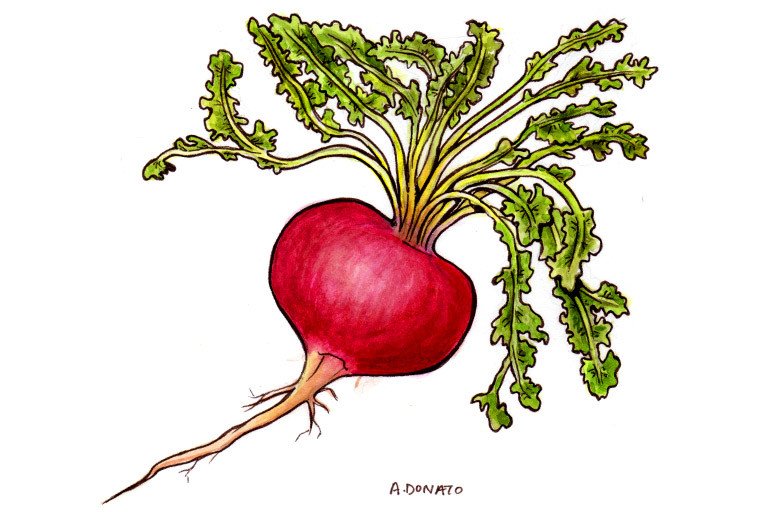
Common Names
- Maca-maca
- Maino
- Ayak chichira
- Ayak willku
For Patients & Caregivers
Tell your healthcare providers about any dietary supplements you’re taking, such as herbs, vitamins, minerals, and natural or home remedies. This will help them manage your care and keep you safe.
Maca is a plant related to the cabbage family. It is used as food and medicine in Peru.
Maca supplements come as capsules, tablets, and powders.
Maca is used to:
- Improve your energy and strength.
- Increase fertility (the ability to become pregnant with a biological child).
- Improve your desire to have sex.
- Relieve side effects of your period stopping permanently, such as hot flashes.
Maca has other uses but doctors have not studied them to see if they work.
Talk with your healthcare providers before taking maca supplements. Herbal supplements are stronger than the herbs you would use in cooking. Some herbal supplements can also affect how medications work. For more information, read the “What else do I need to know?” section below.
Side effects have not been reported.
- Maca may interfere with lab tests that measure testosterone levels. Talk to your healthcare provider if you took maca before your labs.
- Talk to your healthcare provider if you have hormone-sensitive cancer, such as breast or uterine cancer. Maca may affect your treatment.
- Talk to your healthcare provider if you’re pregnant or breastfeeding. Maca may not be safe for you.
For Healthcare Professionals
Maca is a nutritionally valuable plant native to Peru that grows in harsh climates above 4,000 feet. It has been used traditionally to enhance fertility and sexual performance in both men and women and to relieve menopausal symptoms (1). In vitro, maca or its constituents have demonstrated antiviral (17), antioxidant (18), anti-inflammatory, analgesic, or neuroprotective (19) activities. Animal studies suggest maca may increase endurance (6), enhance sexual function (2) (5), and improve memory deficits (14). It also demonstrated antidepressant (20) and postmenopausal hormone-modulating (21) effects.
Only a few small trials have been conducted in humans. Maca consumption was associated with lower serum IL-6 levels and higher health status (22). In men, preliminary findings suggest supplementation may enhance subjective sexual well-being (11), but data are mixed on whether it can affect various parameters of semen quality (3) (4) (35) or sperm concentration (36). A systematic review determined high dose supplementation to improve antidepressant-induced sexual dysfunction (37). In women, several studies suggest maca improves both antidepressant- and menopause-induced sexual dysfunction (12) (24) (25) (26) (37) although one small study showed neither hormonal nor immunological effects (27). In addition, systematic reviews have deemed evidence for improving sexual dysfunction (13) (28) (29) or menopausal symptoms (15) to be limited. Another review found maca is not an effective anti-aging agent (16).
A case report showed maca may interfere with testosterone immunoassays (30). Although it is unclear the extent to which maca may affect blood hormone levels, patients should discuss any use of this supplement with their physician.
- Stamina
- Infertility
- Libido
- Menopause
Maca contains glucosinolates, mostly benzylglucosinolate, along with hydroxy or methoxylated benzyl derivatives and tryptophan-derived compounds, and depending on the phenotype (red, yellow, purple or black) may be associated with different biological effects (31).
In vitro, both methanolic and aqueous extracts of maca exhibit estrogenic activity (10). A methanol maca extract demonstrated antiviral activity against Flu-A and Flu-B viruses (17). An isolated N‑alkylamide from maca root exerted cannabimimetic actions (32). Maca polysaccharides demonstrated radical scavenging activity (18). Macamides, normally not present in fresh plants but introduced during traditional drying practices (31), are fatty acid amide hydrolase inhibitors that modulate release of neurotransmitters (19). Antidepressant-like effects were associated with activation of both noradrenergic and dopaminergic systems and attenuation of oxidative stress (20).
In animal models, maca powder enhanced serum luteinizing hormone (LH) levels in female rats during the proestrus LH surge in a dose-dependent manner, suggesting it may enhance fertility (33). In postmenopausal models, maca modulates hormone levels particularly by decreasing follicle-stimulating hormone (FSH) levels (21).
In humans, although maca does not affect serum levels of LH, FSH, prolactin, testosterone, or estradiol in men (4) (9), it appears to modulate some hormone levels in women in some studies (24) (26) but not others (25) (27). Increased LH and decreased FSH that corresponded with improved sexual functioning in postmenopausal women are potentially attributed to a negative feedback loop, resulting in increased androgen production (24) (26). It may also exert androgenic effects at the testosterone receptor on target organs without affecting testosterone or gonadotrophin levels (24) (30). At the same time, the benefits of maca for antidepressant-induced sexual dysfunction in women may be more a function of advancing age rather than menopausal status, as there was no correlation with estrogen levels (24).
Subjective reports of altered menstrual cycles, moodiness, cramps, gastritis, and insomnia (34). Flu-like symptoms and vomiting were reported in one study, but it is unclear if these were caused by maca (24).
Case report
Prolonged intermenstrual bleeding, elevated testosterone: In a woman in her thirties who ingested maca powder 1 tsp daily to improve energy levels and libido (30).
Losartan: Maca was shown to enhance the blood pressure-lowering effects of losartan in hypertensive rats (38). Clinical relevance has yet to be determined.
Maca may interfere with testosterone immunoassays (30).