Health Care Professional Information
Scientific Name
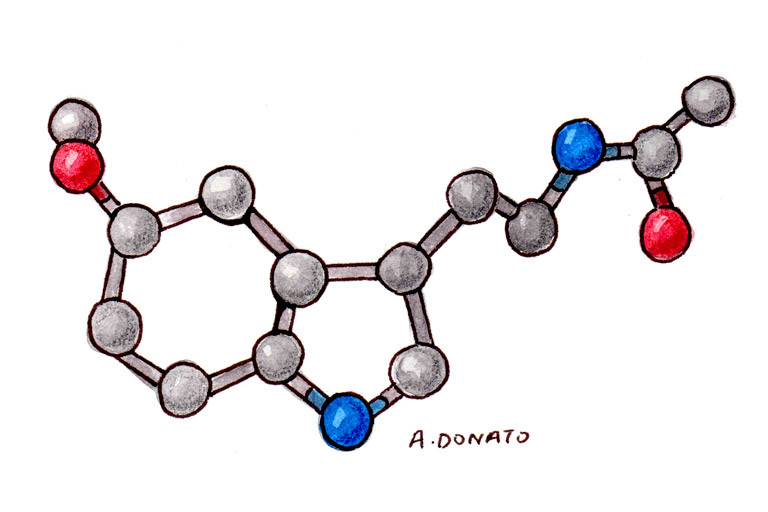
N-acetyl-methoxytryptamine
Clinical Summary
Melatonin is a hormonal supplement of synthetic origin, but occasionally derived from animal sources. It is used to treat insomnia, jet lag, and cancer. Melatonin is produced endogenously in humans by the pineal gland. Although the exact mechanism of action is unknown, melatonin is thought to control the circadian pacemaker and promote sleep (1).
Clinical studies suggest that melatonin may decrease sleep latency and improve sleep duration (2) (3) (4), but randomized trials yielded mixed data (27) (28) (29). No significant effects of melatonin on secondary sleep disorders associated with medical, neurological, or substance abuse disorders were found in a meta-analysis (5). Melatonin may decrease surgery-associated anxiety and pain (6) as well as the frequency of migraine attacks (7). Conclusions from a systematic review indicate that melatonin is effective in reducing perioperative anxiety but its utility as an analgesic remains inconclusive (30). Further research is needed.
The anti-proliferative properties and synergistic effects of melatonin with anticancer agents have been reported in both in vitro and in vivo studies (8) (9) (32). It also showed protective effects against Adriamycin-induced cardiotoxicity (33). Clinical trials evaluating melatonin as a monotherapy, as well as in combination with other agents, in patients with solid tumors, suggest improvements in quality of life and survival time (10) (11) (12) (13).
Use of oral melatonin may delay menopause by modulating levels of follicle stimulating hormone (FSH) and estrogen according to a case study (31). Patients with hormone sensitive cancer should consult their physicians before considering melatonin supplementation.
Purported Uses
- Alzheimer's disease
- Antiaging
- Cancer treatment
- Chemotherapy side effects
- Depression
- Drug withdrawal symptoms
- HIV and AIDS
- Insomnia
- Jet lag
- Migraine prophylaxis
- Seasonal affective disorder (SAD)
Mechanism of Action
Melatonin is an endogenously produced indolamine hormone secreted by the pineal glands in humans. Nocturnal secretion is regulated by circadian rhythms and nighttime darkness (17). Its exact mechanism of action is unknown, but melatonin is thought to control the circadian pacemaker and promote sleep. Ironically, melatonin is associated with wakefulness and activity in nocturnal animals (14). As levels of melatonin increase, an associated drop in core body temperature occurs. Both elderly and depressed patients tend to have lower basal levels of melatonin (2). Melatonin appears to be a potent free radical scavenger (18), interacting with cytosolic calmodulin and stimulating the production of IL-4 in bone marrow T-lymphocytes (1). In vitro and animal studies suggest that anti-tumor effects may occur through anti-mitotic or immunomodulatory activity. In vitro studies demonstrate that melatonin has anti-proliferative effects on human breast cancer (HS578T) (19) and mouse melanoma (B16BL6, PG19) (8). Melatonin reduces the proliferation of PC-3 and LNCaP cells in mice, but has no effect on apoptosis (9). The effect of melatonin on tumor cell growth may be mediated in part by melatonin receptor signaling.(20) (21) In endometrial cancer cells, it interferes with estrogen receptor expression (22).
Pharmacokinetics
Doses of 1-2,000 mg melatonin given to healthy volunteers cause no significant toxicity. Intravenous administration of melatonin displays one compartment pharmacokinetics (14). Tablets are absorbed following oral administration, but appear to undergo extensive first pass metabolism (23). Melatonin is metabolized rapidly in the liver to hydroxy metabolites, possibly by cytochrome P450 isoenzymes 1A2 and 2C19. Oral bioavailability is estimated to be 15% for the parent compound. Elimination half-life is approximately 45 minutes with a total body clearance of 10 hours for a 3 mg dose (24).
Warnings
- Melatonin may cause drowsiness; patients should not drive or operate heavy machinery until familiar with the effects of melatonin.
- Because melatonin can alter levels of estrogen, patients with hormone sensitive cancer should consult their physicians before considering melatonin supplementation.
Herb-Drug Interactions
Nifedipine: Concomitant administration of melatonin and nifedipine has resulted in elevations in blood pressure and heart rate (16).
CYP1A2 substrates: Melatonin inhibits CYP1A2 and may increase the bioavailability of substrate drugs, like fluvoxamine (23) (26) (34).
Herb Lab Interactions
Patients taking blood-thinning medications should use melatonin with caution as a single dose decreased coagulation factors in healthy adults (25).
Literature Summary and Critique
Riemersma-van der Lek RF, et al. Effect of bright light and melatonin on cognitive and noncognitive function in elderly residents of group care facilities: a randomized controlled trial. JAMA. Jun 11 2008;299(22):2642-2655.Because disturbances in circadian rhythm have been associated with reduced cognitive function in addition to behavioral and sleep alterations, the effects of bright light versus dim light with or without melatonin (2.5 mg daily) were analyzed in 189 elderly participants (mean age of 85.8 y) many of whom had dementia (87%) for an average of 15 months. Reduced depression (as measured using the Cornell Scale for Depression and Dementia) as well as decline in cognitive performance (as assessed by the Mini-Mental State Examination) and functional limitations were seen in the bright light only group whereas melatonin improved sleep latency and duration. However, melatonin negatively affected mood and behavior, which was reversed when combined with light. The authors conclude that for the elderly, melatonin should only be used in combination with bright light therapy.
Lissoni P, Chilelli M, Villa S, Cerizza L, Tancini G. Five years survival in metastatic non-small cell lung cancer patients treated with chemotherapy alone or chemotherapy and melatonin: a randomized trial. J Pineal Res. 2003 Aug;35(1):12-5.
100 patients with non-small cell lung cancer (NSCLC) participated in a study of melatonin as an adjunct to chemotherapy treatment. Patients were randomly assigned to receive either chemotherapy alone (cisplatin and etoposide) or chemotherapy plus melatonin (20 mg/day in the evening seven days prior to chemotherapy). Patients receiving melatonin continued to take the herbal supplement after the completion of the four cycles of chemotherapy. No patients in the control group showed complete response after five years of followup, whereas, two patients in the chemotherapy plus melatonin group showed complete response. increased response rates (17% versus 35%) and decreased progressive disease rates were statistically significant. Furthermore, incidents of neurotoxicity, thrombocytopenia, weight loss greater than 10% and asthenia were significantly lower as well. Researchers suggest that the study demonstrates that melatonin is a safe and effective adjunct to chemotherapy for NSCLC.
Ghielmini M, et al. Double-blind randomized study on the myeloprotective effect of melatonin in combination with carboplatin and etoposide in advanced lung cancer. Br J Cancer 1999;80:1058-61.
A prospective, randomized, double-blind, cross-over design study evaluating the effect of 40 mg oral melatonin supplementation on hematologic indices. Twenty previously untreated patients with inoperable lung cancer (16 non-small-cell and 4 small-cell) received two cycles of carboplatin (AUC = 5, Calvert formula) on day 1 and 150mg/m2 IV etoposide on days 1-3 every 4 weeks. Melatonin or placebo was given once daily, initiated 2 days before chemotherapy and continued for 21 days. Patients were randomized to receive melatonin with either the first or the second cycle. Median age of the cohort was 60 years. Multivariate analysis including age, sex, diagnosis, stage, performance status, doses of carboplatin and etoposide, and concomitant treatment of melatonin or placebo, indicate no difference in hematological indices between treatment arms. No significant adverse effects related to melatonin were reported. Ghielmini et al. conclude that 40 mg oral melatonin does not improve hematologic status in lung cancer patients receiving carboplatin and etoposide.
Dosage (Inside MSKCC Only)
This field is only visible to only Inside MSKCC users.
References
- Brzezinski A. Melatonin in humans. N Engl J Med 1997;336:186-95.
- Avery D, Lenz M, Landis C. Guidelines for prescribing melatonin. Ann Med 1998:30:122-30.
- Riemersma-van der Lek RF, Swaab DF, Twisk J, et al. Effect of bright light and melatonin on cognitive and noncognitive function in elderly residents of group care facilities: a randomized controlled trial. JAMA. Jun 11 2008;299(22):2642-2655.
- Wade AG, Ford I, Crawford G, et al. Efficacy of prolonged release melatonin in insomnia patients aged 55-80 years: quality of sleep and next-day alertness outcomes. Curr Med Res Opin. Oct 2007;23(10):2597-2605.
- Buscemi N, et al. Efficacy and safety of exogenous melatonin for secondary sleep disorders and sleep disorders accompanying sleep restriction: meta analysis. BMJ 2006; 332: 385-88.
- Caumo W, Levandovski R, Hidalgo MP. Preoperative Anxiolytic Effect of Melatonin and Clonidine on Postoperative Pain and Morphine Consumption in Patients Undergoing Abdominal Hysterectomy: A Double-Blind, Randomized, Placebo-Controlled Study. J Pain. Nov 14 2008.
- Peres MF, et al. Melatonin, 3 mg, is effective for migraine prevention. Neurology. 2004 Aug 24;63(4):757.
- Cos S, Garcia-Bolado A, Sanchez-Barcelo EJ. Direct antiproliferative effects of melatonin on two metastatic cell sublines of mouse melanoma (B18BL6 and PG19). Melanoma Res 2001;11:197-201.
- Xi SC, et al. Inhibition of androgen-sensitive LNCaP prostate cancer growth in vivo by melatonin: association of antiproliferative action of the pineal hormone with mt1 receptor protein expression. Prostate 2001;46:52-61.
- Lissoni P, et al. A randomized study with the pineal hormone melatonin versus supportive care alone in patients with brain metastases due to solid neoplasms. Cancer 1994;73:699-701.
- Lissoni P, Chilelli M, Villa S, Cerizza L, Tancini G. Five years survival in metastatic non-small cell lung cancer patients treated with chemotherapy alone or chemotherapy and melatonin: a randomized trial. J Pineal Res. 2003 Aug;35(1):12-5.
- Lissoni P, et al. A phase II study of tamoxifen plus melatonin in metastatic solid tumour patients. Br J Cancer 1996:74:1466-8.
- Lissoni P, Brivio F, Fumagalli L, et al. Neuroimmunomodulation in medical oncology: application of psychoneuroimmunology with subcutaneous low-dose IL-2 and the pineal hormone melatonin in patients with untreatable metastatic solid tumors. Anticancer Res. Mar-Apr 2008;28(2B):1377-1381.
- Sack RL, Lewy AJ, Hughes RJ. Use of melatonin for sleep and circadian rhythm disorders. Ann Med 1998;30:115-21.
- Shamir E, et al. Melatonin treatment for tardive dyskinesia: A double-blind, placebo-controlled, crossover study. Arch Gen Psychiatry 2001;58:1049-52.
- Lusordi P, Piazza E, Fogari R. Cardiovascular effects of melatonin in hypertensive patients well controlled by nifedipine: a 24-hour study. Br J Clin Pharmacol 2000;49:423.
- Reppert SM, Weaver DR. Melatonin Madness. Cell 1995;83:1059-62.
- Karbownik M, Reiter RJ. Antioxidative effects of melatonin in protection against cellular damage caused by ionizing radiation. Proc Soc Exp Biol Med 2000;225:9-22.
- Blask E, Wilson ST, Zalatan F. Physiological melatonin inhibition of human breast cancer cell growth in vitro: evidence for a glutathione-mediated pathway. Cancer Res 1997;57:1909-14.
- Ram PT, Dai J, Yuan L, et al. Involvement of the mt1 melatonin receptor in human breast cancer.Cancer Lett. May 28 2002;179(2):141-150.
- Shiu SY, Law IC, Lau KW, et al. Melatonin slowed the early biochemical progression of hormone-refractory prostate cancer in a patient whose prostate tumor tissue expressed MT1 receptor subtype.J Pineal Res. Oct 2003;35(3):177-182.
- Watanabe M, Kobayashi Y, Takahashi N, et al. Expression of melatonin receptor (MT1) and interaction between melatonin and estrogen in endometrial cancer cell line.J Obstet Gynaecol Res. Aug 2008;34(4):567-573.
- Hartter S, et al. Increased bioavailability of oral melatonin after fluvoxamine coadministration. Clin Pharmacol Ther 2000;67:1-6.
- DeMuro RL, et al. The absolute bioavailability of oral melatonin. J Clin Pharmacol 2000;40:781-4.
- Wirtz PH, Spillmann M, Bartschi C, et al. Oral melatonin reduces blood coagulation activity: a placebo-controlled study in healthy young men. J Pineal Res. Mar 2008;44(2):127-133.
- Von Bahr C, et al. Fluvoxamine but not citalopram increases serum melatonin in healthy subjects - an indication that cytochrome P450 CYP1A2 and CYP2C19 hydroxylate melatonin. Eur J Clin Pharmacol 2000;56:123-7.
- Gögenur I, Kücükakin B, Bisgaard T, et al. The effect of melatonin on sleep quality after laparoscopic cholecystectomy: a randomized, placebo-controlled trial. Anesth Analg. 2009 Apr;108(4):1152-6.
- Garzón C, Guerrero JM, Aramburu O, et al. Effect of melatonin administration on sleep, behavioral disorders and hypnotic drug discontinuation in the elderly: a randomized, double-blind, placebo-controlled study. Aging Clin Exp Res. 2009 Feb;21(1):38-42.
- Gehrman PR, Connor DJ, Martin JL, et al. Melatonin fails to improve sleep or agitation in double-blind randomized placebo-controlled trial of institutionalized patients with Alzheimer disease. Am J Geriatr Psychiatry. 2009 Feb;17(2):166-9.
- Yousaf F, Seet E, Venkatraghavan L, Abrishami A, Chung F. Efficacy and Safety of Melatonin as an Anxiolytic and Analgesic in the Perioperative Period: A Qualitative Systematic Review of Randomized Trials. Anesthesiology. 2010 Sep 3. [Epub ahead of print]
- Diaz BL, Llaneza PC. Endocrine regulation of the course of menopause by oral melatonin: first case report. Menopause. 2008 Mar-Apr;15(2):388-92.
- Ruiz-Rabelo J, Vázquez R, Arjona A, et al. Improvement of capecitabine antitumoral activity by melatonin in pancreatic cancer. Pancreas. 2011 Apr;40(3):410-4.
- Aydemir S, Ozdemir I, Kart A. Role of exogenous melatonin on adriamycin-induced changes in the rat heart. Eur Rev Med Pharmacol Sci. 2010 May;14(5):435-41.
- Chang TK, Chen J, Yang G, et al. Inhibition of procarcinogen-bioactivating human CYP1A1, CYP1A2 and CYP1B1 enzymes by melatonin. J Pineal Res. 2010 Jan;48(1):55-64.
Consumer Information
How It Works
Bottom Line: Melatonin has not been shown to treat cancer in humans.
Melatonin is a hormone naturally produced by the brain in humans. Scientists believe that it controls the circadian rhythm of sleep and wakefulness. Nighttime darkness causes increased production of melatonin, promoting sleep and causing a decrease in body temperature. Both elderly and depressed patients tend to have lower baseline levels of melatonin. Laboratory studies suggest that melatonin is a potent antioxidant that stimulates some aspects of the immune system, but it is not known if this effect occurs in humans. Melatonin also inhibits the growth of certain cancer cells (including breast cancer and melanoma) when it is directly applied to them in laboratory studies and in animals. Studies in humans, however, do not show an anti-cancer effect. When used at the same time as specific chemotherapy drugs, melatonin may increase survival time.
Purported Uses
- To prevent or slow the progression of Alzheimer's disease
Clinical trials have had conflicting results.
- To prevent aging
Clinical trials show that melatonin can help treat age-related sleeping problems, but there is no evidence to support its use as an “anti-aging” supplement.
- To treat cancer
Clinical trials do not support this use, but a few studies have found that a combination of melatonin with standard chemotherapy may increase survival time in cancer patients.
- To reduce the severity of chemotherapy side effects
Two clinical trials suggest that melatonin does not increase blood cell counts that were reduced during chemotherapy or radiation therapy. One clinical trial showed patients treated with melatonin had reduced chemotherapy-associated side effects, such as weight loss and thrombocytopenia (low blood platelets).
- To treat depression
Clinical trials have found melatonin effective in treating depression associated with other syndromes (fibromyalgia, menopause), but have not found it effective in treating major depression.
- To treat HIV and AIDS
No scientific evidence supports this use.
- To treat insomnia
Several clinical trials support this use.
- To prevent and manage jet lag
Clinical trials yielded mix results.
- To treat seasonal affective disorder (SAD)
Clinical trials have had conflicting results.
- To ease the withdrawal from benzodiazepines
Two clinical trials have studied this use, with conflicting results.
- For migraine prevention
One small study suggests melatonin can reduce the frequency of migraine attack.
- To prevent or slow the progression of Alzheimer's disease
Clinical trials have had conflicting results.
Research Evidence
Side effects of chemotherapy
A randomized controlled trial looked at the effect of melatonin on blood counts while patients were undergoing chemotherapy (carboplatin and etoposide) for non-small cell and small cell lung cancer. Twenty patients who had not received chemotherapy before took part in the study. 40 mg of melatonin or a placebo pill was given once daily, started two days before chemotherapy and continued for 21 days. Half of the patients randomly received melatonin during the first chemotherapy cycle; the other half received it during the second cycle. Final analysis showed no difference in blood counts between when patients were taking melatonin and when they took the placebo pill. This indicates that melatonin supplements do not improve the blood counts of patients undergoing chemotherapy.
Cancer treatment
100 patients with non-small cell lung cancer (NSCLC) took part in a study to see if melatonin would be effective when taken at the same time as chemotherapy. Patients received either four regular cycles of chemotherapy or four cycles of chemotherapy with melatonin. Patients receiving melatonin in addition to chemotherapy had longer survival rates. In addition, some side effects due to chemotherapy were significantly lower in the melatonin group. Researchers conclude that melatonin may help make chemotherapy work better and be better tolerated by patients
Sleep disturbances and behavior
In this study, 189 elderly participants, many with dementia, were split into 4 treatment groups: 1) placebo and dim light; 2) melatonin and dim light; 3) placebo and bright light; or 4) melatonin and bright light. After approximately 15 months, slower decline in cognitive performance and functional limitations was seen with bright light therapy. In addition, the patients exposed to bright light had reduced depression. Melatonin improved sleep in these patients, but it also negatively affected mood and behavior. When melatonin was combined with bright light, mood and behavior improved. The researchers concluded that the combination of bright light and melatonin may improve both physical and psychological symptoms in the elderly.
Patient Warnings
- This product is regulated by the FDA as a dietary supplement. Unlike approved drugs, supplements are not required to be manufactured under specific standardized conditions. This product may not contain the labeled amount or may be contaminated. In addition, it may not have been tested for safety or effectiveness.
- Melatonin may cause drowsiness; patients should not drive or operate heavy machinery until familiar with the effects of melatonin.
- Because melatonin can alter levels of estrogen, patients with hormone sensitive cancer should consult their physicians before considering melatonin supplementation.
Do Not Take If
- You are taking nifedipine (Procardia®) (Use of melatonin and nifedipine at the same time has resulted in elevations in blood pressure and heart rate).
- You are taking fluvoxamine (Luvox®) (Fluvoxamine may increase blood levels of melatonin, resulting in sedation).
Side Effects
- Headache
- Drowsiness
- Alterations in sleep patterns
- Altered mental status, disorientation
- Tachycardia (fast heart rate)
- Flushing
- Itching
- Abdominal cramps
- Hypothermia (abnormally low body temperature)
Last updated: September 1, 2011
abdominal (ab-DAH-mih-nul)
Having to do with the abdomen, which is the part of the body between the chest and the hips that contains the pancreas, stomach, intestines, liver, gallbladder, and other organs.
Source: The National Cancer Institute's Dictionary of Cancer Terms
(http://www.cancer.gov/dictionary)
administration (ad-MIH-nih-STRAY-shun)
In medicine, the act of giving a treatment, such as a drug, to a patient. It can also refer to the way it is given, the dose, or how often it is given.
Source: The National Cancer Institute's Dictionary of Cancer Terms
(http://www.cancer.gov/dictionary)
affected
Individuals in a pedigree who exhibit the specific phenotype under study.
Source: The National Cancer Institute's Dictionary of Cancer Terms
(http://www.cancer.gov/dictionary)
analgesic (A-nul-JEE-zik)
A drug that reduces pain. Analgesics include aspirin, acetaminophen, and ibuprofen.
Source: The National Cancer Institute's Dictionary of Cancer Terms
(http://www.cancer.gov/dictionary)
analysis (uh-NA-lih-sis)
A process in which anything complex is separated into simple or less complex parts.
Source: The National Cancer Institute's Dictionary of Cancer Terms
(http://www.cancer.gov/dictionary)
antioxidant (AN-tee-OK-sih-dent)
A substance that protects cells from the damage caused by free radicals (unstable molecules made by the process of oxidation during normal metabolism). Free radicals may play a part in cancer, heart disease, stroke, and other diseases of aging. Antioxidants include beta-carotene, lycopene, vitamins A, C, and E, and other natural and manufactured substances.
Source: The National Cancer Institute's Dictionary of Cancer Terms
(http://www.cancer.gov/dictionary)
anxiety (ang-ZY-eh-tee)
Feelings of fear, dread, and uneasiness that may occur as a reaction to stress. A person with anxiety may sweat, feel restless and tense, and have a rapid heart beat. Extreme anxiety that happens often over time may be a sign of an anxiety disorder.
Source: The National Cancer Institute's Dictionary of Cancer Terms
(http://www.cancer.gov/dictionary)
apoptosis (A-pop-TOH-sis)
A type of cell death in which a series of molecular steps in a cell leads to its death. This is the body’s normal way of getting rid of unneeded or abnormal cells. The process of apoptosis may be blocked in cancer cells. Also called programmed cell death.
Source: The National Cancer Institute's Dictionary of Cancer Terms
(http://www.cancer.gov/dictionary)
ARMS
A soft tissue tumor that is most common in older children and teenagers. It begins in embryonic muscle cells (cells that develop into muscles in the body). It can occur at many places in the body, but usually occurs in the trunk, arms, or legs. Also called alveolar rhabdomyosarcoma.
Source: The National Cancer Institute's Dictionary of Cancer Terms
(http://www.cancer.gov/dictionary)
asthenia (as-THEE-nee-uh)
Weakness; lack of energy and strength.
Source: The National Cancer Institute's Dictionary of Cancer Terms
(http://www.cancer.gov/dictionary)
baseline (BAYS-line)
An initial measurement that is taken at an early time point to represent a beginning condition, and is used for comparison over time to look for changes. For example, the size of a tumor will be measured before treatment (baseline) and then afterwards to see if the treatment had an effect.
Source: The National Cancer Institute's Dictionary of Cancer Terms
(http://www.cancer.gov/dictionary)
blood (blud)
A tissue with red blood cells, white blood cells, platelets, and other substances suspended in fluid called plasma. Blood takes oxygen and nutrients to the tissues, and carries away wastes.
Source: The National Cancer Institute's Dictionary of Cancer Terms
(http://www.cancer.gov/dictionary)
blood pressure (blud PREH-sher)
The force of circulating blood on the walls of the arteries. Blood pressure is taken using two measurements: systolic (measured when the heart beats, when blood pressure is at its highest) and diastolic (measured between heart beats, when blood pressure is at its lowest). Blood pressure is written with the systolic blood pressure first, followed by the diastolic blood pressure (for example 120/80).
Source: The National Cancer Institute's Dictionary of Cancer Terms
(http://www.cancer.gov/dictionary)
bone marrow (bone MAYR-oh)
The soft, sponge-like tissue in the center of most bones. It produces white blood cells, red blood cells, and platelets.
Source: The National Cancer Institute's Dictionary of Cancer Terms
(http://www.cancer.gov/dictionary)
breast (brest)
Glandular organ located on the chest. The breast is made up of connective tissue, fat, and breast tissue that contains the glands that can make milk. Also called mammary gland.
Source: The National Cancer Institute's Dictionary of Cancer Terms
(http://www.cancer.gov/dictionary)
breast cancer (brest KAN-ser)
Cancer that forms in tissues of the breast, usually the ducts (tubes that carry milk to the nipple) and lobules (glands that make milk). It occurs in both men and women, although male breast cancer is rare.
Source: The National Cancer Institute's Dictionary of Cancer Terms
(http://www.cancer.gov/dictionary)
cancer (KAN-ser)
A term for diseases in which abnormal cells divide without control and can invade nearby tissues. Cancer cells can also spread to other parts of the body through the blood and lymph systems. There are several main types of cancer. Carcinoma is a cancer that begins in the skin or in tissues that line or cover internal organs. Sarcoma is a cancer that begins in bone, cartilage, fat, muscle, blood vessels, or other connective or supportive tissue. Leukemia is a cancer that starts in blood-forming tissue such as the bone marrow, and causes large numbers of abnormal blood cells to be produced and enter the blood. Lymphoma and multiple myeloma are cancers that begin in the cells of the immune system. Central nervous system cancers are cancers that begin in the tissues of the brain and spinal cord. Also called malignancy.
Source: The National Cancer Institute's Dictionary of Cancer Terms
(http://www.cancer.gov/dictionary)
carboplatin (KAR-boh-pla-tin)
A drug that is used to treat advanced ovarian cancer that has never been treated or symptoms of ovarian cancer that has come back after treatment with other anticancer drugs. It is also used with other drugs to treat advanced, metastatic, or recurrent non-small cell lung cancer and is being studied in the treatment of other types of cancer. Carboplatin is a form of the anticancer drug cisplatin and causes fewer side effects in patients. It attaches to DNA in cells and may kill cancer cells. It is a type of platinum compound. Also called Paraplatin.
Source: The National Cancer Institute's Dictionary of Cancer Terms
(http://www.cancer.gov/dictionary)
cardiotoxicity (KAR-dee-oh-tok-SIH-sih-tee)
Toxicity that affects the heart.
Source: The National Cancer Institute's Dictionary of Cancer Terms
(http://www.cancer.gov/dictionary)
cell (sel)
The individual unit that makes up the tissues of the body. All living things are made up of one or more cells.
Source: The National Cancer Institute's Dictionary of Cancer Terms
(http://www.cancer.gov/dictionary)
chemotherapy (KEE-moh-THAYR-uh-pee)
Treatment with drugs that kill cancer cells.
Source: The National Cancer Institute's Dictionary of Cancer Terms
(http://www.cancer.gov/dictionary)
clinical (KLIH-nih-kul)
Having to do with the examination and treatment of patients.
Source: The National Cancer Institute's Dictionary of Cancer Terms
(http://www.cancer.gov/dictionary)
clinical trial (KLIH-nih-kul TRY-ul)
A type of research study that tests how well new medical approaches work in people. These studies test new methods of screening, prevention, diagnosis, or treatment of a disease. Also called clinical study.
Source: The National Cancer Institute's Dictionary of Cancer Terms
(http://www.cancer.gov/dictionary)
cohort (KOH-hort)
A group of individuals who share a common trait, such as birth year. In medicine, a cohort is a group that is part of a clinical trial or study and is observed over a period of time.
Source: The National Cancer Institute's Dictionary of Cancer Terms
(http://www.cancer.gov/dictionary)
complete response (kum-PLEET reh-SPONTS)
The disappearance of all signs of cancer in response to treatment. This does not always mean the cancer has been cured. Also called complete remission.
Source: The National Cancer Institute's Dictionary of Cancer Terms
(http://www.cancer.gov/dictionary)
compound (KOM-pownd)
In science, a substance that is made up of more than one ingredient.
Source: The National Cancer Institute's Dictionary of Cancer Terms
(http://www.cancer.gov/dictionary)
concomitant (kon-KAH-mih-tunt)
Occurring or existing at the same time as something else. In medicine, it may refer to a condition a person has or a medication a person is taking that is not being studied in the clinical trial he or she is taking part in.
Source: The National Cancer Institute's Dictionary of Cancer Terms
(http://www.cancer.gov/dictionary)
control group (kun-TROLE groop)
In a clinical trial, the group that does not receive the new treatment being studied. This group is compared to the group that receives the new treatment, to see if the new treatment works.
Source: The National Cancer Institute's Dictionary of Cancer Terms
(http://www.cancer.gov/dictionary)
dementia (deh-MEN-shuh)
A condition in which a person loses the ability to think, remember, learn, make decisions, and solve problems. Symptoms may also include personality changes and emotional problems. There are many causes of dementia, including Alzheimer disease, brain cancer, and brain injury. Dementia usually gets worse over time.
Source: The National Cancer Institute's Dictionary of Cancer Terms
(http://www.cancer.gov/dictionary)
depression (dee-PREH-shun)
A mental condition marked by ongoing feelings of sadness, despair, loss of energy, and difficulty dealing with normal daily life. Other symptoms of depression include feelings of worthlessness and hopelessness, loss of pleasure in activities, changes in eating or sleeping habits, and thoughts of death or suicide. Depression can affect anyone, and can be successfully treated. Depression affects 15-25% of cancer patients.
Source: The National Cancer Institute's Dictionary of Cancer Terms
(http://www.cancer.gov/dictionary)
diagnosis (DY-ug-NOH-sis)
The process of identifying a disease, such as cancer, from its signs and symptoms.
Source: The National Cancer Institute's Dictionary of Cancer Terms
(http://www.cancer.gov/dictionary)
dietary supplement (DY-uh-TAYR-ee SUH-pleh-ment)
A product that is added to the diet. A dietary supplement is taken by mouth, and usually contains one or more dietary ingredient (such as vitamin, mineral, herb, amino acid, and enzyme). Also called nutritional supplement.
Source: The National Cancer Institute's Dictionary of Cancer Terms
(http://www.cancer.gov/dictionary)
disorder (dis-OR-der)
In medicine, a disturbance of normal functioning of the mind or body. Disorders may be caused by genetic factors, disease, or trauma.
Source: The National Cancer Institute's Dictionary of Cancer Terms
(http://www.cancer.gov/dictionary)
disorientation (dis-OR-ee-en-TAY-shun)
A mental state marked by confusion about time, place, or who one is.
Source: The National Cancer Institute's Dictionary of Cancer Terms
(http://www.cancer.gov/dictionary)
dose (dose)
The amount of medicine taken, or radiation given, at one time.
Source: The National Cancer Institute's Dictionary of Cancer Terms
(http://www.cancer.gov/dictionary)
drug (drug)
Any substance, other than food, that is used to prevent, diagnose, treat or relieve symptoms of a disease or abnormal condition. Also refers to a substance that alters mood or body function, or that can be habit-forming or addictive, especially a narcotic.
Source: The National Cancer Institute's Dictionary of Cancer Terms
(http://www.cancer.gov/dictionary)
endometrial (EN-doh-MEE-tree-ul)
Having to do with the endometrium (the layer of tissue that lines the uterus).
Source: The National Cancer Institute's Dictionary of Cancer Terms
(http://www.cancer.gov/dictionary)
estrogen (ES-truh-jin)
A type of hormone made by the body that helps develop and maintain female sex characteristics and the growth of long bones. Estrogens can also be made in the laboratory. They may be used as a type of birth control and to treat symptoms of menopause, menstrual disorders, osteoporosis, and other conditions.
Source: The National Cancer Institute's Dictionary of Cancer Terms
(http://www.cancer.gov/dictionary)
estrogen receptor (ES-truh-jin reh-SEP-ter)
A protein found inside the cells of the female reproductive tissue, some other types of tissue, and some cancer cells. The hormone estrogen will bind to the receptors inside the cells and may cause the cells to grow. Also called ER.
Source: The National Cancer Institute's Dictionary of Cancer Terms
(http://www.cancer.gov/dictionary)
etoposide (ee-toh-POH-side)
A drug used to treat testicular and small cell lung cancers. It is also being studied in the treatment of several other types of cancer. Etoposide blocks certain enzymes needed for cell division and DNA repair, and it may kill cancer cells. It is a type of podophyllotoxin derivative and a type of topoisomerase inhibitor. Also called Toposar and Vepesid.
Source: The National Cancer Institute's Dictionary of Cancer Terms
(http://www.cancer.gov/dictionary)
FDA
An agency in the U.S. federal government whose mission is to protect public health by making sure that food, cosmetics, and nutritional supplements are safe to use and truthfully labeled. The FDA also makes sure that drugs, medical devices, and equipment are safe and effective, and that blood for transfusions and transplant tissue are safe. Also called Food and Drug Administration.
Source: The National Cancer Institute's Dictionary of Cancer Terms
(http://www.cancer.gov/dictionary)
fluvoxamine (floo-VOK-suh-meen)
A drug used to treat obsessive-compulsive disorder. It is a type of antidepressant agent and selective serotonin reuptake inhibitor (SSRI). Also called Luvox.
Source: The National Cancer Institute's Dictionary of Cancer Terms
(http://www.cancer.gov/dictionary)
follicle (FAH-lih-kul)
A sac or pouch-like cavity formed by a group of cells. In the ovaries, one follicle contains one egg. In the skin, one follicle contains one hair.
Source: The National Cancer Institute's Dictionary of Cancer Terms
(http://www.cancer.gov/dictionary)
free radical (free RA-dih-kul)
A type of unstable molecule that is made during normal cell metabolism (chemical changes that take place in a cell). Free radicals can build up in cells and cause damage to other molecules, such as DNA, lipids, and proteins. This damage may increase the risk of cancer and other diseases.
Source: The National Cancer Institute's Dictionary of Cancer Terms
(http://www.cancer.gov/dictionary)
herbal (ER-bul)
Having to do with plants.
Source: The National Cancer Institute's Dictionary of Cancer Terms
(http://www.cancer.gov/dictionary)
HIV
The cause of acquired immunodeficiency syndrome (AIDS). Also called human immunodeficiency virus.
Source: The National Cancer Institute's Dictionary of Cancer Terms
(http://www.cancer.gov/dictionary)
hormone (HOR-mone)
One of many chemicals made by glands in the body. Hormones circulate in the bloodstream and control the actions of certain cells or organs. Some hormones can also be made in the laboratory.
Source: The National Cancer Institute's Dictionary of Cancer Terms
(http://www.cancer.gov/dictionary)
IL-4
One of a group of related proteins made by leukocytes (white blood cells) and other cells in the body. IL-4 is made by a type of T lymphocyte. It causes B lymphocytes to increase and to make antibodies and also increases the production of T lymphocytes. IL-4 made in the laboratory is used as a biological response modifier to boost the immune system in cancer therapy. IL-4 is a type of cytokine. Also called interleukin-4.
Source: The National Cancer Institute's Dictionary of Cancer Terms
(http://www.cancer.gov/dictionary)
immune system (ih-MYOON SIS-tem)
The complex group of organs and cells that defends the body against infections and other diseases.
Source: The National Cancer Institute's Dictionary of Cancer Terms
(http://www.cancer.gov/dictionary)
in vitro (in VEE-troh)
In the laboratory (outside the body). The opposite of in vivo (in the body).
Source: The National Cancer Institute's Dictionary of Cancer Terms
(http://www.cancer.gov/dictionary)
in vivo (in VEE-voh)
In the body. The opposite of in vitro (outside the body or in the laboratory).
Source: The National Cancer Institute's Dictionary of Cancer Terms
(http://www.cancer.gov/dictionary)
inconclusive (IN-kun-KLOO-siv)
A negative test result in an individual where a clearly deleterious mutation has not been found in any family members. The genetic risk status of such an individual must be interpreted in the context of his or her personal and family history. Also called indeterminate and uninformative.
Source: The National Cancer Institute's Dictionary of Cancer Terms
(http://www.cancer.gov/dictionary)
inoperable (in-AH-peh-ruh-bul)
Describes a condition that cannot be treated by surgery.
Source: The National Cancer Institute's Dictionary of Cancer Terms
(http://www.cancer.gov/dictionary)
intravenous (IN-truh-VEE-nus)
Into or within a vein. Intravenous usually refers to a way of giving a drug or other substance through a needle or tube inserted into a vein. Also called IV.
Source: The National Cancer Institute's Dictionary of Cancer Terms
(http://www.cancer.gov/dictionary)
IV
Into or within a vein. IV usually refers to a way of giving a drug or other substance through a needle or tube inserted into a vein. Also called intravenous.
Source: The National Cancer Institute's Dictionary of Cancer Terms
(http://www.cancer.gov/dictionary)
light therapy (… THAYR-uh-pee)
The treatment of disease with certain types of light. Light therapy can use lasers, LED, fluorescent lamps, and ultraviolet or infrared radiation. Also called phototherapy.
Source: The National Cancer Institute's Dictionary of Cancer Terms
(http://www.cancer.gov/dictionary)
liver (LIH-ver)
A large organ located in the upper abdomen. The liver cleanses the blood and aids in digestion by secreting bile.
Source: The National Cancer Institute's Dictionary of Cancer Terms
(http://www.cancer.gov/dictionary)
lung (lung)
One of a pair of organs in the chest that supplies the body with oxygen, and removes carbon dioxide from the body.
Source: The National Cancer Institute's Dictionary of Cancer Terms
(http://www.cancer.gov/dictionary)
lung cancer (lung KAN-ser)
Cancer that forms in tissues of the lung, usually in the cells lining air passages. The two main types are small cell lung cancer and non-small cell lung cancer. These types are diagnosed based on how the cells look under a microscope.
Source: The National Cancer Institute's Dictionary of Cancer Terms
(http://www.cancer.gov/dictionary)
median (MEE-dee-un)
A statistics term. The middle value in a set of measurements.
Source: The National Cancer Institute's Dictionary of Cancer Terms
(http://www.cancer.gov/dictionary)
melanoma (MEH-luh-NOH-muh)
A form of cancer that begins in melanocytes (cells that make the pigment melanin). It may begin in a mole (skin melanoma), but can also begin in other pigmented tissues, such as in the eye or in the intestines.
Source: The National Cancer Institute's Dictionary of Cancer Terms
(http://www.cancer.gov/dictionary)
melatonin (MEH-luh-TOH-nin)
A hormone made by the pineal gland (tiny organ near the center of the brain). Melatonin helps control the body’s sleep cycle, and is an antioxidant. It is also made in the laboratory and sold as a supplement.
Source: The National Cancer Institute's Dictionary of Cancer Terms
(http://www.cancer.gov/dictionary)
menopause (MEH-nuh-pawz)
The time of life when a woman’s ovaries stop producing hormones and menstrual periods stop. Natural menopause usually occurs around age 50. A woman is said to be in menopause when she hasn’t had a period for 12 months in a row. Symptoms of menopause include hot flashes, mood swings, night sweats, vaginal dryness, trouble concentrating, and infertility.
Source: The National Cancer Institute's Dictionary of Cancer Terms
(http://www.cancer.gov/dictionary)
meta-analysis (meh-tuh-uh-NA-lih-sis)
A process that analyzes data from different studies done about the same subject. The results of a meta-analysis are usually stronger than the results of any study by itself.
Source: The National Cancer Institute's Dictionary of Cancer Terms
(http://www.cancer.gov/dictionary)
metabolism (meh-TA-buh-lih-zum)
The chemical changes that take place in a cell or an organism. These changes make energy and the materials cells and organisms need to grow, reproduce, and stay healthy. Metabolism also helps get rid of toxic substances.
Source: The National Cancer Institute's Dictionary of Cancer Terms
(http://www.cancer.gov/dictionary)
neurotoxicity (NOOR-oh-tok-SIH-sih-tee)
The tendency of some treatments to cause damage to the nervous system.
Source: The National Cancer Institute's Dictionary of Cancer Terms
(http://www.cancer.gov/dictionary)
non-small cell lung cancer (... sel lung KAN-ser)
A group of lung cancers that are named for the kinds of cells found in the cancer and how the cells look under a microscope. The three main types of non-small cell lung cancer are squamous cell carcinoma, large cell carcinoma, and adenocarcinoma. Non-small cell lung cancer is the most common kind of lung cancer.
Source: The National Cancer Institute's Dictionary of Cancer Terms
(http://www.cancer.gov/dictionary)
oral (OR-ul)
By or having to do with the mouth.
Source: The National Cancer Institute's Dictionary of Cancer Terms
(http://www.cancer.gov/dictionary)
pacemaker (PAYS-may-ker)
An electronic device that is implanted in the body to monitor heart rate and rhythm. It gives the heart electrical stimulation when it does not beat normally. It runs on batteries and has long, thin wires that connect it to the heart. Also called artificial pacemaker and cardiac pacemaker.
Source: The National Cancer Institute's Dictionary of Cancer Terms
(http://www.cancer.gov/dictionary)
performance status (per-FOR-munts STA-tus)
A measure of how well a patient is able to perform ordinary tasks and carry out daily activities.
Source: The National Cancer Institute's Dictionary of Cancer Terms
(http://www.cancer.gov/dictionary)
perioperative (PAYR-ee-AH-pruh-tiv)
Around the time of surgery. This usually lasts from the time the patient goes into the hospital or doctor's office for surgery until the time the patient goes home.
Source: The National Cancer Institute's Dictionary of Cancer Terms
(http://www.cancer.gov/dictionary)
pharmacokinetics (FAR-muh-koh-kih-NEH-tix)
The activity of drugs in the body over a period of time, including the processes by which drugs are absorbed, distributed in the body, localized in the tissues, and excreted.
Source: The National Cancer Institute's Dictionary of Cancer Terms
(http://www.cancer.gov/dictionary)
placebo (pluh-SEE-boh)
An inactive substance or treatment that looks the same as, and is given the same way as, an active drug or treatment being tested. The effects of the active drug or treatment are compared to the effects of the placebo.
Source: The National Cancer Institute's Dictionary of Cancer Terms
(http://www.cancer.gov/dictionary)
progressive disease (pruh-GREH-siv dih-ZEEZ)
Cancer that is growing, spreading, or getting worse.
Source: The National Cancer Institute's Dictionary of Cancer Terms
(http://www.cancer.gov/dictionary)
prospective (pruh-SPEK-tiv)
In medicine, a study or clinical trial in which participants are identified and then followed forward in time.
Source: The National Cancer Institute's Dictionary of Cancer Terms
(http://www.cancer.gov/dictionary)
pruritus (proo-RY-tus)
Itching. Severe itching may be a side effect of some cancer treatments and a symptom of some types of cancers.
Source: The National Cancer Institute's Dictionary of Cancer Terms
(http://www.cancer.gov/dictionary)
psychological (SY-koh-LAH-jih-kul)
Having to do with how the mind works and how thoughts and feelings affect behavior.
Source: The National Cancer Institute's Dictionary of Cancer Terms
(http://www.cancer.gov/dictionary)
quality of life (KWAH-lih-tee ... life)
The overall enjoyment of life. Many clinical trials assess the effects of cancer and its treatment on the quality of life. These studies measure aspects of an individual’s sense of well-being and ability to carry out various activities.
Source: The National Cancer Institute's Dictionary of Cancer Terms
(http://www.cancer.gov/dictionary)
radiation (RAY-dee-AY-shun)
Energy released in the form of particle or electromagnetic waves. Common sources of radiation include radon gas, cosmic rays from outer space, medical x-rays, and energy given off by a radioisotope (unstable form of a chemical element that releases radiation as it breaks down and becomes more stable).
Source: The National Cancer Institute's Dictionary of Cancer Terms
(http://www.cancer.gov/dictionary)
randomized
Describes an experiment or clinical trial in which animal or human subjects are assigned by chance to separate groups that compare different treatments.
Source: The National Cancer Institute's Dictionary of Cancer Terms
(http://www.cancer.gov/dictionary)
receptor (reh-SEP-ter)
A molecule inside or on the surface of a cell that binds to a specific substance and causes a specific physiologic effect in the cell.
Source: The National Cancer Institute's Dictionary of Cancer Terms
(http://www.cancer.gov/dictionary)
response (reh-SPONTS)
In medicine, an improvement related to treatment.
Source: The National Cancer Institute's Dictionary of Cancer Terms
(http://www.cancer.gov/dictionary)
significant (sig-NIH-fih-kunt)
In statistics, describes a mathematical measure of difference between groups. The difference is said to be significant if it is greater than what might be expected to happen by chance alone. Also called statistically significant.
Source: The National Cancer Institute's Dictionary of Cancer Terms
(http://www.cancer.gov/dictionary)
small cell lung cancer (... sel lung KAN-ser)
An aggressive (fast-growing) cancer that forms in tissues of the lung and can spread to other parts of the body. The cancer cells look small and oval-shaped when looked at under a microscope.
Source: The National Cancer Institute's Dictionary of Cancer Terms
(http://www.cancer.gov/dictionary)
stage (stayj)
The extent of a cancer in the body. Staging is usually based on the size of the tumor, whether lymph nodes contain cancer, and whether the cancer has spread from the original site to other parts of the body.
Source: The National Cancer Institute's Dictionary of Cancer Terms
(http://www.cancer.gov/dictionary)
statistically significant (stuh-TIS-tih-kuh-lee sig-NIH-fih-kunt)
Describes a mathematical measure of difference between groups. The difference is said to be statistically significant if it is greater than what might be expected to happen by chance alone. Also called significant.
Source: The National Cancer Institute's Dictionary of Cancer Terms
(http://www.cancer.gov/dictionary)
substance abuse (SUB-stunts uh-BYOOS)
The use of illegal drugs or the use of prescription or over-the-counter drugs or alcohol for purposes other than those for which they are meant to be used, or in excessive amounts. Substance abuse may lead to social, physical, emotional, and job-related problems.
Source: The National Cancer Institute's Dictionary of Cancer Terms
(http://www.cancer.gov/dictionary)
supplementation (SUH-pleh-men-TAY-shun)
Adding nutrients to the diet.
Source: The National Cancer Institute's Dictionary of Cancer Terms
(http://www.cancer.gov/dictionary)
synergistic (SIH-ner-JIS-tik)
In medicine, describes the interaction of two or more drugs when their combined effect is greater than the sum of the effects seen when each drug is given alone.
Source: The National Cancer Institute's Dictionary of Cancer Terms
(http://www.cancer.gov/dictionary)
tachycardia (TA-kih-KAR-dee-uh)
Rapid beating of the heart, usually defined as greater than 100 beats per minute.
Source: The National Cancer Institute's Dictionary of Cancer Terms
(http://www.cancer.gov/dictionary)
therapy (THAYR-uh-pee)
Treatment.
Source: The National Cancer Institute's Dictionary of Cancer Terms
(http://www.cancer.gov/dictionary)
thrombocytopenia (THROM-boh-sy-toh-PEE-nee-uh)
A condition in which there is a lower-than-normal number of platelets in the blood. It may result in easy bruising and excessive bleeding from wounds or bleeding in mucous membranes and other tissues.
Source: The National Cancer Institute's Dictionary of Cancer Terms
(http://www.cancer.gov/dictionary)
toxicity (tok-SIH-sih-tee)
The extent to which something is poisonous or harmful.
Source: The National Cancer Institute's Dictionary of Cancer Terms
(http://www.cancer.gov/dictionary)
tumor (TOO-mer)
An abnormal mass of tissue that results when cells divide more than they should or do not die when they should. Tumors may be benign (not cancer), or malignant (cancer). Also called neoplasm.
Source: The National Cancer Institute's Dictionary of Cancer Terms
(http://www.cancer.gov/dictionary)