Health Care Professional Information
Common Name
Fermented Wheat germ extract, MSC (Code Name)
Brand Name
Avemar, Avé, AvéULTRA, AWGE, OncoMAR
Clinical Summary
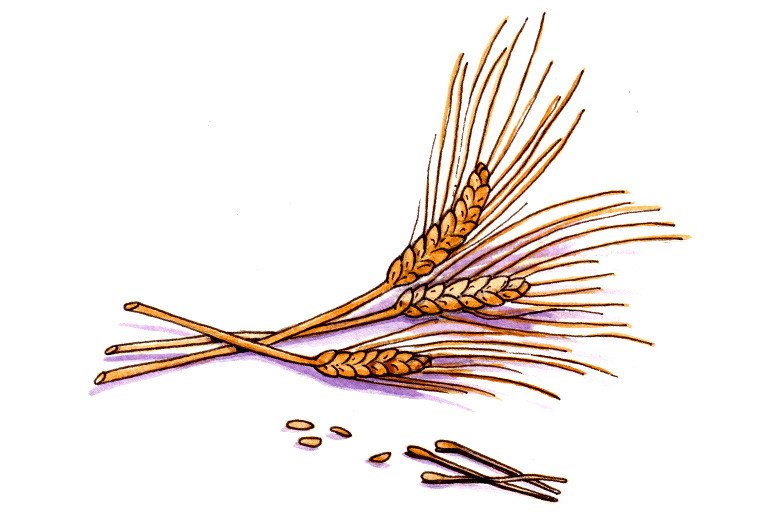
Fermented wheat germ extract (WGE) was developed by Mate Hidvegi, a Hungarian chemist, in the 1990s. It should not be confused with wheat germ oil. WGE is used as a dietary supplement by cancer patients in Hungary to improve quality of life. Results from in vitro studies show that WGE has anticancer (1) (2) (12) (14) (16), antimetastatic (3), and immunomodulatory (2) (4) effects. It may also play a role in reducing cardiovascular symptoms due to chronic hypertension, diabetes and obesity (15).
Further, WGE increased estrogen receptor (ER) activity in vitro. However, when used along with tamoxifen, an ER antagonist, it enhanced efficacy of tamoxifen in ER positive breast cancer cells (5). The antitumor effect of WGE is comparable to other endocrine treatments in animal models (11). WGE also increased production of tumor necrosis factor and cytokines that are responsible for tumor cell death (6). Data from pilot studies indicate a beneficial role for WGE in patients with colorectal cancer (7) and in reducing treatment associated febrile neutropenia in pediatric cancer patients (8). It also prolonged survival of patients with melanoma when used with chemotherapy (13). However, these effects must be confirmed by large scale, well-designed clinical trials.
Because it potentiates estrogen receptor activity, patients with hormonal sensitive cancers should use WGE with caution. Reported mild side effects include diarrhea, nausea, flatulence, soft stool, constipation, and dizziness.
Purported Uses
- Autoimmune diseases
- Cancer treatment
- Immunomodulation
Mechanism of Action
Although the exact mechanism of action is not clear, the benzoquinone compounds are thought to be the active components. WGE was shown to increase TNF and cytokine production in vitro by activating certain metabolic pathways (6) involved in tumor cell death. It also demonstrated cytotoxic effects on human lymphoma cells by inducing apoptosis (14). WGE regulates tumor cell proliferation by inhibiting glycolysis and pentose cycle enzymes and induces apoptosis through caspase-3-mediated poly (ADP ribose) polymerase cleavage (4).
Contraindications
- Pregnant and nursing women.
- Patients with organ or tissue transplants.
- Patients with bleeding gastric or duodenal ulcers, enteritis/colitis, malabsorption syndrome.
- Patients with sensitivity to gluten and those with fructose intolerance.
- The manufacturer recommends discontinuing Avemar usage 2 days before barium X-ray contrast examinations and resume the day after procedure.
(10)
Adverse Reactions
Mild and infrequent side effects may include diarrhea, nausea, flatulence, soft stool, constipation, dizziness (10) (13).
Wheat germ extract may have estrogen receptor activity. Patients with hormonal-sensitive cancers should consult with a physician before using WGE.
Herb-Drug Interactions
WGE should be taken at least two hours before or after consuming vitamin C.
(10)
Literature Summary and Critique
Dosage (Inside MSKCC Only)
This field is only visible to only Inside MSKCC users.
References
- Zalatnai A, Lapis K, Szende B et al. Wheat germ extract inhibits experimental colon carcinogenesis in F-344 rats. Carcinogenesis 2001; 22(10):1649-1652.
- Jakab F, Mayer A, Hoffmann A, Hidvegi M. First clinical data of a natural immunomodulator in colorectal cancer. Hepatogastroenterology 2000; 47(32):393-395.
- Hidvegi M, Raso E, Tomoskozi-Farkas R, Paku S, Lapis K, Szende B. Effect of Avemar and Avemar + vitamin C on tumor growth and metastasis in experimental animals. Anticancer Res 1998; 18(4A):2353-2358.
- Comin-Anduix B, Boros LG, Marin S et al. Fermented wheat germ extract inhibits glycolysis/pentose cycle enzymes and induces apoptosis through poly(ADP-ribose) polymerase activation in Jurkat T-cell leukemia tumor cells. J Biol Chem 2002; 277(48):46408-46414.
- Marcsek Z, Kocsis Z, Jakab M, Szende B, Tompa A. The efficacy of tamoxifen in estrogen receptor-positive breast cancer cells is enhanced by a medical nutriment. Cancer Biother Radiopharm 2004; 19(6):746-753.
- Telekes A, Kiss-Toth E, Nagy T et al. Synergistic effect of avemar on proinflammatory cytokine production and ras-mediated cell activation. Ann N Y Acad Sci 2005; 1051:515-528.
- Jakab F, Shoenfeld Y, Balogh A et al. A medical nutriment has supportive value in the treatment of colorectal cancer. Br J Cancer 2003; 89(3):465-469.
- Garami M, Schuler D, Babosa M et al. Fermented wheat germ extract reduces chemotherapy-induced febrile neutropenia in pediatric cancer patients. J Pediatr Hematol Oncol 2004; 26(10):631-635.
- Boros LG, Nichelatti M, Shoenfeld Y. Fermented Wheat Germ Extract (Avemar) in the Treatment of Cancer and Autoimmune Diseases. Ann N Y Acad Sci 2005; 1051:529-542.
- Avemar. http://www.avemar.com (Accessed October 4, 2010).
- Tejeda M, D. Gaál, I. Szûcs, et al. Avemar inhibits the growth of mouse and human xenograft mammary carcinomas comparable to endocrine treatments. ASCO Annual Meeting 2007. Abstract No: 21132.
- Saiko P, Ozsvar-Kozma M, Madlener S, et al. Avemar, a nontoxic fermented wheat germ extract, induces apoptosis and inhibits ribonucleotide reductase in human HL-60 promyelocytic leukemia cells. Cancer Lett. 2007 Jun 8;250(2):323-8.
- Demidov LV, Manziuk LV, Kharkevitch GY, et al. Adjuvant fermented wheat germ extract (Avemar) nutraceutical improves survival of high-risk skin melanoma patients: a randomized, pilot, phase II clinical study with a 7-year follow-up. Cancer Biother Radiopharm. 2008 Aug;23(4):477-82.
- Saiko P, Ozsvar-Kozma M, Graser G, et al. Avemar, a nontoxic fermented wheat germ extract, attenuates the growth of sensitive and 5-FdUrd/Ara-C cross-resistant H9 human lymphoma cells through induction of apoptosis. Oncol Rep 2009;21(3):787-91.
- Iyer A, Brown L. Fermented Wheat Germ Extract (Avemar) in the Treatment of Cardiac Remodeling and Metabolic Symptoms in Rats. Evid Based Complement Alternat Med. 2009 Jul 21.
- Judson PL, Al Sawah E, Marchion DC et al. Characterizing the efficacy of fermented wheat germ extract against ovarian cancer and defining the genomic basis of its activity. Int J Gynecol Cancer. 2012 Jul;22(6):960-7.
Consumer Information
How It Works
Bottom Line: Fermented wheat germ was shown to improve quality of life in cancer patients. More studies are needed.
Fermented wheat germ extract (WGE) was developed by Mate Hidvegi, a Hungarian chemist, in the 1990s. It should not be confused with wheat germ oil. WGE is used as a dietary supplement by cancer patients in Hungary to improve quality of life. Laboratory studies show that WGE may have anticancer properties. Results from some clinical trials suggest WGE improves quality of life in some cancer patients.
Patients should consult their physicians before taking WGE.
Purported Uses
- Cancer Treatment
WGE was shown to improve quality of life in cancer patients. More data are needed to establish its use.
- Autoimmune Diseases
Studies done in mice show that WGE is beneficial, but human data are lacking.
- Immunostimulation
Data from in vitro and observational studies indicate that WGE has immunomodulatory effects.
Research Evidence
Cancer Treatment:
This study involved twenty-two children with different cancers. Eleven of them were given 12g/m2/day of WGE during cancer treatments whereas eleven others received only cancer treatments. Researchers found the overall white blood cell and lymphocyte counts were close to normal values in the WGE group compared to those in the control group.
This study was done to determine the benefits of WGE for patients with colorectal cancer. Sixty-six patients were given WGE (9g once daily) along with cancer treatments whereas 104 patients received only cancer treatments. Results showed WGE had improved overall survival compared to those in control group.
Do Not Take If
- You are pregnant or nursing
- You had an organ or tissue transplant
- You have bleeding, ulcers of the stomach and intestine, or severe absorption problem
- You have sensitivity to gluten
- You are fructose intolerant
- It is recommended to discontinue Avemar usage 2 days before barium X-ray contrast examinations and resume 2 days after the completion of the examination.
Side Effects
Mild and infrequent side effects may include diarrhea, nausea, flatulence, soft stool, constipation, dizziness.
Wheat germ extract may have estrogen receptor activity. Patients with hormonal-sensitive cancers should consult with a physician before using WGE.
Special Point
WGE should be taken at least two hours before or after consuming vitamin C.
Last updated: September 27, 2012
absorption (ub-SORP-shun)
The process of taking nutrients from the digestive system into the blood so they can be used in the body.
Source: The National Cancer Institute's Dictionary of Cancer Terms
(http://www.cancer.gov/dictionary)
analysis (uh-NA-lih-sis)
A process in which anything complex is separated into simple or less complex parts.
Source: The National Cancer Institute's Dictionary of Cancer Terms
(http://www.cancer.gov/dictionary)
antagonist (an-TA-guh-nist)
In medicine, a substance that stops the action or effect of another substance. For example, a drug that blocks the stimulating effect of estrogen on a tumor cell is called an estrogen receptor antagonist.
Source: The National Cancer Institute's Dictionary of Cancer Terms
(http://www.cancer.gov/dictionary)
antitumor (AN-tee-TOO-mer)
Having to do with stopping abnormal cell growth.
Source: The National Cancer Institute's Dictionary of Cancer Terms
(http://www.cancer.gov/dictionary)
apoptosis (A-pop-TOH-sis)
A type of cell death in which a series of molecular steps in a cell leads to its death. This is the body’s normal way of getting rid of unneeded or abnormal cells. The process of apoptosis may be blocked in cancer cells. Also called programmed cell death.
Source: The National Cancer Institute's Dictionary of Cancer Terms
(http://www.cancer.gov/dictionary)
blood (blud)
A tissue with red blood cells, white blood cells, platelets, and other substances suspended in fluid called plasma. Blood takes oxygen and nutrients to the tissues, and carries away wastes.
Source: The National Cancer Institute's Dictionary of Cancer Terms
(http://www.cancer.gov/dictionary)
breast (brest)
Glandular organ located on the chest. The breast is made up of connective tissue, fat, and breast tissue that contains the glands that can make milk. Also called mammary gland.
Source: The National Cancer Institute's Dictionary of Cancer Terms
(http://www.cancer.gov/dictionary)
cancer (KAN-ser)
A term for diseases in which abnormal cells divide without control and can invade nearby tissues. Cancer cells can also spread to other parts of the body through the blood and lymph systems. There are several main types of cancer. Carcinoma is a cancer that begins in the skin or in tissues that line or cover internal organs. Sarcoma is a cancer that begins in bone, cartilage, fat, muscle, blood vessels, or other connective or supportive tissue. Leukemia is a cancer that starts in blood-forming tissue such as the bone marrow, and causes large numbers of abnormal blood cells to be produced and enter the blood. Lymphoma and multiple myeloma are cancers that begin in the cells of the immune system. Central nervous system cancers are cancers that begin in the tissues of the brain and spinal cord. Also called malignancy.
Source: The National Cancer Institute's Dictionary of Cancer Terms
(http://www.cancer.gov/dictionary)
cardiovascular (KAR-dee-oh-VAS-kyoo-ler)
Having to do with the heart and blood vessels.
Source: The National Cancer Institute's Dictionary of Cancer Terms
(http://www.cancer.gov/dictionary)
cell (sel)
The individual unit that makes up the tissues of the body. All living things are made up of one or more cells.
Source: The National Cancer Institute's Dictionary of Cancer Terms
(http://www.cancer.gov/dictionary)
cell proliferation (sel proh-LIH-feh-RAY-shun)
An increase in the number of cells as a result of cell growth and cell division.
Source: The National Cancer Institute's Dictionary of Cancer Terms
(http://www.cancer.gov/dictionary)
chemotherapy (KEE-moh-THAYR-uh-pee)
Treatment with drugs that kill cancer cells.
Source: The National Cancer Institute's Dictionary of Cancer Terms
(http://www.cancer.gov/dictionary)
chronic (KRAH-nik)
A disease or condition that persists or progresses over a long period of time.
Source: The National Cancer Institute's Dictionary of Cancer Terms
(http://www.cancer.gov/dictionary)
clinical (KLIH-nih-kul)
Having to do with the examination and treatment of patients.
Source: The National Cancer Institute's Dictionary of Cancer Terms
(http://www.cancer.gov/dictionary)
colorectal (KOH-loh-REK-tul)
Having to do with the colon or the rectum.
Source: The National Cancer Institute's Dictionary of Cancer Terms
(http://www.cancer.gov/dictionary)
colorectal cancer (KOH-loh-REK-tul KAN-ser)
Cancer that develops in the colon (the longest part of the large intestine) and/or the rectum (the last several inches of the large intestine before the anus).
Source: The National Cancer Institute's Dictionary of Cancer Terms
(http://www.cancer.gov/dictionary)
constipation (KON-stih-PAY-shun)
A condition in which stool becomes hard, dry, and difficult to pass, and bowel movements don’t happen very often. Other symptoms may include painful bowel movements, and feeling bloated, uncomfortable, and sluggish.
Source: The National Cancer Institute's Dictionary of Cancer Terms
(http://www.cancer.gov/dictionary)
control group (kun-TROLE groop)
In a clinical trial, the group that does not receive the new treatment being studied. This group is compared to the group that receives the new treatment, to see if the new treatment works.
Source: The National Cancer Institute's Dictionary of Cancer Terms
(http://www.cancer.gov/dictionary)
cytokine (SY-toh-kine)
A substance that is made by cells of the immune system. Some cytokines can boost the immune response and others can suppress it. Cytokines can also be made in the laboratory by recombinant DNA technology and used in the treatment of various diseases, including cancer.
Source: The National Cancer Institute's Dictionary of Cancer Terms
(http://www.cancer.gov/dictionary)
cytotoxic (SY-toh-TOK-sik)
Cell-killing.
Source: The National Cancer Institute's Dictionary of Cancer Terms
(http://www.cancer.gov/dictionary)
dacarbazine (duh-KAR-buh-zeen)
A drug that is used to treat Hodgkin lymphoma and malignant melanoma and is being studied in the treatment of other types of cancer. It attaches to DNA in cells and may kill cancer cells. It is a type of alkylating agent. Also called DTIC-Dome.
Source: The National Cancer Institute's Dictionary of Cancer Terms
(http://www.cancer.gov/dictionary)
diabetes (dy-uh-BEE-teez)
Any of several diseases in which the kidneys make a large amount of urine. Diabetes usually refers to diabetes mellitus in which there is also a high level of glucose (a type of sugar) in the blood because the body does not make enough insulin or use it the way it should.
Source: The National Cancer Institute's Dictionary of Cancer Terms
(http://www.cancer.gov/dictionary)
diarrhea (dy-uh-REE-uh)
Frequent and watery bowel movements.
Source: The National Cancer Institute's Dictionary of Cancer Terms
(http://www.cancer.gov/dictionary)
dietary supplement (DY-uh-TAYR-ee SUH-pleh-ment)
A product that is added to the diet. A dietary supplement is taken by mouth, and usually contains one or more dietary ingredient (such as vitamin, mineral, herb, amino acid, and enzyme). Also called nutritional supplement.
Source: The National Cancer Institute's Dictionary of Cancer Terms
(http://www.cancer.gov/dictionary)
disease progression (dih-ZEEZ pruh-GREH-shun)
Cancer that continues to grow or spread.
Source: The National Cancer Institute's Dictionary of Cancer Terms
(http://www.cancer.gov/dictionary)
efficacy (EH-fih-kuh-see)
Effectiveness. In medicine, the ability of an intervention (for example, a drug or surgery) to produce the desired beneficial effect.
Source: The National Cancer Institute's Dictionary of Cancer Terms
(http://www.cancer.gov/dictionary)
endocrine (EN-doh-krin)
Refers to tissue that makes and releases hormones that travel in the bloodstream and control the actions of other cells or organs. Some examples of endocrine tissues are the pituitary, thyroid, and adrenal glands.
Source: The National Cancer Institute's Dictionary of Cancer Terms
(http://www.cancer.gov/dictionary)
ER
A protein found inside the cells of the female reproductive tissue, some other types of tissue, and some cancer cells. The hormone estrogen will bind to the receptors inside the cells and may cause the cells to grow. Also called estrogen receptor.
Source: The National Cancer Institute's Dictionary of Cancer Terms
(http://www.cancer.gov/dictionary)
estrogen (ES-truh-jin)
A type of hormone made by the body that helps develop and maintain female sex characteristics and the growth of long bones. Estrogens can also be made in the laboratory. They may be used as a type of birth control and to treat symptoms of menopause, menstrual disorders, osteoporosis, and other conditions.
Source: The National Cancer Institute's Dictionary of Cancer Terms
(http://www.cancer.gov/dictionary)
estrogen receptor (ES-truh-jin reh-SEP-ter)
A protein found inside the cells of the female reproductive tissue, some other types of tissue, and some cancer cells. The hormone estrogen will bind to the receptors inside the cells and may cause the cells to grow. Also called ER.
Source: The National Cancer Institute's Dictionary of Cancer Terms
(http://www.cancer.gov/dictionary)
experimental (ek-SPAYR-ih-men-tul)
In clinical trials, refers to a drug (including a new drug, dose, combination, or route of administration) or procedure that has undergone basic laboratory testing and received approval from the U.S. Food and Drug Administration (FDA) to be tested in human subjects. A drug or procedure may be approved by the FDA for use in one disease or condition, but be considered experimental in other diseases or conditions. Also called investigational.
Source: The National Cancer Institute's Dictionary of Cancer Terms
(http://www.cancer.gov/dictionary)
extract (EK-strakt)
In medicine, a preparation of a substance obtained from plants, animals, or bacteria and used as a drug or in drugs.
Source: The National Cancer Institute's Dictionary of Cancer Terms
(http://www.cancer.gov/dictionary)
febrile neutropenia (FEH-brile noo-troh-PEE-nee-uh)
A condition marked by fever and a lower-than-normal number of neutrophils in the blood. A neutrophil is a type of white blood cell that helps fight infection. Having too few neutrophils increases the risk of infection.
Source: The National Cancer Institute's Dictionary of Cancer Terms
(http://www.cancer.gov/dictionary)
follow-up (FAH-loh-up)
Monitoring a person's health over time after treatment. This includes keeping track of the health of people who participate in a clinical study or clinical trial for a period of time, both during the study and after the study ends.
Source: The National Cancer Institute's Dictionary of Cancer Terms
(http://www.cancer.gov/dictionary)
germ (jerm)
A bacterium, virus, or other microorganism that can cause infection and disease.
Source: The National Cancer Institute's Dictionary of Cancer Terms
(http://www.cancer.gov/dictionary)
glycolysis (gly-KAH-lih-sis)
A process in which glucose (sugar) is partially broken down by cells in enzyme reactions that do not need oxygen. Glycolysis is one method that cells use to produce energy. When glycolysis is linked with other enzyme reactions that use oxygen, more complete breakdown of glucose is possible and more energy is produced.
Source: The National Cancer Institute's Dictionary of Cancer Terms
(http://www.cancer.gov/dictionary)
hypertension (HY-per-TEN-shun)
A blood pressure of 140/90 or higher. Hypertension usually has no symptoms. It can harm the arteries and cause an increase in the risk of stroke, heart attack, kidney failure, and blindness. Also called high blood pressure.
Source: The National Cancer Institute's Dictionary of Cancer Terms
(http://www.cancer.gov/dictionary)
in vitro (in VEE-troh)
In the laboratory (outside the body). The opposite of in vivo (in the body).
Source: The National Cancer Institute's Dictionary of Cancer Terms
(http://www.cancer.gov/dictionary)
intestine (in-TES-tin)
The long, tube-shaped organ in the abdomen that completes the process of digestion. The intestine has two parts, the small intestine and the large intestine. Also called bowel.
Source: The National Cancer Institute's Dictionary of Cancer Terms
(http://www.cancer.gov/dictionary)
lymphocyte (LIM-foh-site)
A type of immune cell that is made in the bone marrow and is found in the blood and in lymph tissue. The two main types of lymphocytes are B lymphocytes and T lymphocytes. B lymphocytes make antibodies, and T lymphocytes help kill tumor cells and help control immune responses. A lymphocyte is a type of white blood cell.
Source: The National Cancer Institute's Dictionary of Cancer Terms
(http://www.cancer.gov/dictionary)
lymphoma (lim-FOH-muh)
Cancer that begins in cells of the immune system. There are two basic categories of lymphomas. One kind is Hodgkin lymphoma, which is marked by the presence of a type of cell called the Reed-Sternberg cell. The other category is non-Hodgkin lymphomas, which includes a large, diverse group of cancers of immune system cells. Non-Hodgkin lymphomas can be further divided into cancers that have an indolent (slow-growing) course and those that have an aggressive (fast-growing) course. These subtypes behave and respond to treatment differently. Both Hodgkin and non-Hodgkin lymphomas can occur in children and adults, and prognosis and treatment depend on the stage and the type of cancer.
Source: The National Cancer Institute's Dictionary of Cancer Terms
(http://www.cancer.gov/dictionary)
malignant (muh-LIG-nunt)
Cancerous. Malignant cells can invade and destroy nearby tissue and spread to other parts of the body.
Source: The National Cancer Institute's Dictionary of Cancer Terms
(http://www.cancer.gov/dictionary)
mean (meen)
A statistics term. The average value in a set of measurements. The mean is the sum of a set of numbers divided by how many numbers are in the set.
Source: The National Cancer Institute's Dictionary of Cancer Terms
(http://www.cancer.gov/dictionary)
melanoma (MEH-luh-NOH-muh)
A form of cancer that begins in melanocytes (cells that make the pigment melanin). It may begin in a mole (skin melanoma), but can also begin in other pigmented tissues, such as in the eye or in the intestines.
Source: The National Cancer Institute's Dictionary of Cancer Terms
(http://www.cancer.gov/dictionary)
metabolic (MEH-tuh-BAH-lik)
Having to do with metabolism (the total of all chemical changes that take place in a cell or an organism to produce energy and basic materials needed for important life processes).
Source: The National Cancer Institute's Dictionary of Cancer Terms
(http://www.cancer.gov/dictionary)
nausea (NAW-zee-uh)
A feeling of sickness or discomfort in the stomach that may come with an urge to vomit. Nausea is a side effect of some types of cancer therapy.
Source: The National Cancer Institute's Dictionary of Cancer Terms
(http://www.cancer.gov/dictionary)
necrosis (neh-KROH-sis)
Refers to the death of living tissues.
Source: The National Cancer Institute's Dictionary of Cancer Terms
(http://www.cancer.gov/dictionary)
obesity (oh-BEE-sih-tee)
A condition marked by an abnormally high, unhealthy amount of body fat.
Source: The National Cancer Institute's Dictionary of Cancer Terms
(http://www.cancer.gov/dictionary)
organ (OR-gun)
A part of the body that performs a specific function. For example, the heart is an organ.
Source: The National Cancer Institute's Dictionary of Cancer Terms
(http://www.cancer.gov/dictionary)
pediatric (pee-dee-A-trik)
Having to do with children.
Source: The National Cancer Institute's Dictionary of Cancer Terms
(http://www.cancer.gov/dictionary)
PFS
The length of time during and after the treatment of a disease, such as cancer, that a patient lives with the disease but it does not get worse. In a clinical trial, measuring the PFS is one way to see how well a new treatment works. Also called progression-free survival.
Source: The National Cancer Institute's Dictionary of Cancer Terms
(http://www.cancer.gov/dictionary)
physician (fih-ZIH-shun)
Medical doctor.
Source: The National Cancer Institute's Dictionary of Cancer Terms
(http://www.cancer.gov/dictionary)
pilot study (PY-lut STUH-dee)
The initial study examining a new method or treatment.
Source: The National Cancer Institute's Dictionary of Cancer Terms
(http://www.cancer.gov/dictionary)
progression (pruh-GREH-shun)
In medicine, the course of a disease, such as cancer, as it becomes worse or spreads in the body.
Source: The National Cancer Institute's Dictionary of Cancer Terms
(http://www.cancer.gov/dictionary)
quality of life (KWAH-lih-tee ... life)
The overall enjoyment of life. Many clinical trials assess the effects of cancer and its treatment on the quality of life. These studies measure aspects of an individual’s sense of well-being and ability to carry out various activities.
Source: The National Cancer Institute's Dictionary of Cancer Terms
(http://www.cancer.gov/dictionary)
randomized
Describes an experiment or clinical trial in which animal or human subjects are assigned by chance to separate groups that compare different treatments.
Source: The National Cancer Institute's Dictionary of Cancer Terms
(http://www.cancer.gov/dictionary)
receptor (reh-SEP-ter)
A molecule inside or on the surface of a cell that binds to a specific substance and causes a specific physiologic effect in the cell.
Source: The National Cancer Institute's Dictionary of Cancer Terms
(http://www.cancer.gov/dictionary)
regional (REE-juh-nul)
In oncology, describes the body area right around a tumor.
Source: The National Cancer Institute's Dictionary of Cancer Terms
(http://www.cancer.gov/dictionary)
resection (ree-SEK-shun)
Surgery to remove tissue or part or all of an organ.
Source: The National Cancer Institute's Dictionary of Cancer Terms
(http://www.cancer.gov/dictionary)
sensitivity (SEN-sih-TIH-vih-tee)
When referring to a medical test, sensitivity refers to the percentage of people who test positive for a specific disease among a group of people who have the disease. No test has 100% sensitivity because some people who have the disease will test negative for it (false negatives).
Source: The National Cancer Institute's Dictionary of Cancer Terms
(http://www.cancer.gov/dictionary)
significant (sig-NIH-fih-kunt)
In statistics, describes a mathematical measure of difference between groups. The difference is said to be significant if it is greater than what might be expected to happen by chance alone. Also called statistically significant.
Source: The National Cancer Institute's Dictionary of Cancer Terms
(http://www.cancer.gov/dictionary)
stomach (STUH-muk)
An organ that is part of the digestive system. The stomach helps digest food by mixing it with digestive juices and churning it into a thin liquid.
Source: The National Cancer Institute's Dictionary of Cancer Terms
(http://www.cancer.gov/dictionary)
stool (stool)
The material in a bowel movement. Stool is made up of undigested food, bacteria, mucus, and cells from the lining of the intestines. Also called feces.
Source: The National Cancer Institute's Dictionary of Cancer Terms
(http://www.cancer.gov/dictionary)
supplementation (SUH-pleh-men-TAY-shun)
Adding nutrients to the diet.
Source: The National Cancer Institute's Dictionary of Cancer Terms
(http://www.cancer.gov/dictionary)
surgery (SER-juh-ree)
A procedure to remove or repair a part of the body or to find out whether disease is present. An operation.
Source: The National Cancer Institute's Dictionary of Cancer Terms
(http://www.cancer.gov/dictionary)
tamoxifen (tuh-MOK-sih-FEN)
A drug used to treat certain types of breast cancer in women and men. It is also used to prevent breast cancer in women who have had ductal carcinoma in situ (abnormal cells in the ducts of the breast) and in women who are at a high risk of developing breast cancer. Tamoxifen is also being studied in the treatment of other types of cancer. It blocks the effects of the hormone estrogen in the breast. Tamoxifen is a type of antiestrogen. Also called tamoxifen citrate.
Source: The National Cancer Institute's Dictionary of Cancer Terms
(http://www.cancer.gov/dictionary)
tissue (TIH-shoo)
A group or layer of cells that work together to perform a specific function.
Source: The National Cancer Institute's Dictionary of Cancer Terms
(http://www.cancer.gov/dictionary)
TNF
A protein made by white blood cells in response to an antigen (substance that causes the immune system to make a specific immune response) or infection. TNF can also be made in the laboratory. It may boost a person’s immune response, and also may cause necrosis (cell death) of some types of tumor cells. TNF is being studied in the treatment of some types of cancer. It is a type of cytokine. Also called tumor necrosis factor.
Source: The National Cancer Institute's Dictionary of Cancer Terms
(http://www.cancer.gov/dictionary)
tumor (TOO-mer)
An abnormal mass of tissue that results when cells divide more than they should or do not die when they should. Tumors may be benign (not cancer), or malignant (cancer). Also called neoplasm.
Source: The National Cancer Institute's Dictionary of Cancer Terms
(http://www.cancer.gov/dictionary)
vitamin (VY-tuh-min)
A nutrient that the body needs in small amounts to function and stay healthy. Sources of vitamins are plant and animal food products and dietary supplements. Some vitamins are made in the human body from food products. Vitamins are either fat-soluble (can dissolve in fats and oils) or water-soluble (can dissolve in water). Excess fat-soluble vitamins are stored in the body’s fatty tissue, but excess water-soluble vitamins are removed in the urine. Examples are vitamin A, vitamin C, and vitamin E.
Source: The National Cancer Institute's Dictionary of Cancer Terms
(http://www.cancer.gov/dictionary)
white blood cell (hwite blud sel)
A type of immune cell. Most white blood cells are made in the bone marrow and are found in the blood and lymph tissue. White blood cells help the body fight infections and other diseases. Granulocytes, monocytes, and lymphocytes are white blood cells. Also called leukocyte and WBC.
Source: The National Cancer Institute's Dictionary of Cancer Terms
(http://www.cancer.gov/dictionary)
x-ray (EX-ray)
A type of radiation used in the diagnosis and treatment of cancer and other diseases. In low doses, x-rays are used to diagnose diseases by making pictures of the inside of the body. In high doses, x-rays are used to treat cancer.
Source: The National Cancer Institute's Dictionary of Cancer Terms
(http://www.cancer.gov/dictionary)