Health Care Professional Information
Scientific Name
Hydrated alkali aluminum silicate
Common Name
Clinoptilolite, Erionite, Phillipsite, and Mordenite
Brand Name
As used in dietary supplements: Natural Cellular Defense (Waiora), ZETOX (Global Health Products), and Vulkansandkuren
Clinical Summary
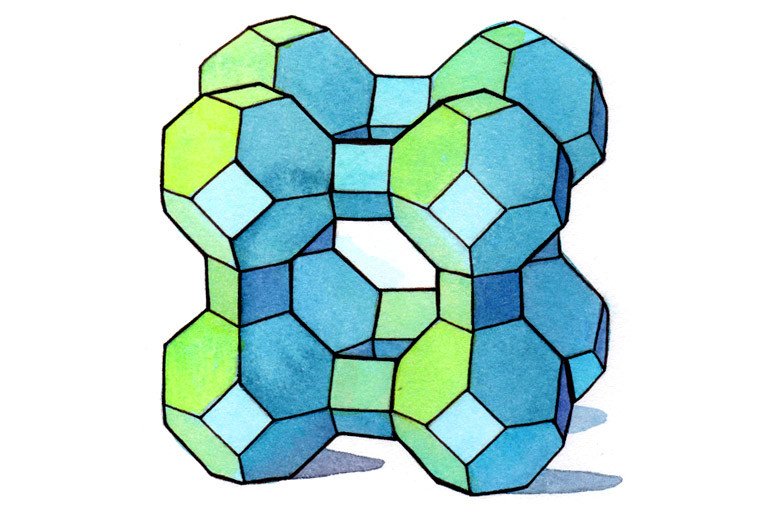
Zeolites are a group of chemically related mineral substances that contain mainly hydrated aluminum and silicon compounds. They occur naturally in volcanic rock and ashes. Synthetic forms are available for industrial uses. They are also used as additives in animal feed. Zeolites have a fine porous cage-like structure and are often used as adsorbents, desiccants, detergents, and as water and air purifiers. They are used in medicine as an external hemostatic dressing (2) (3), for diarrhea (4), diabetes (5) and as suspending agents (6). The effect of zeolites on autism is under investigation (7). Zeolites have been marketed as dietary supplements for hangover (8) and as adjuvant therapy for cancers (9).
It is unclear if they are absorbed in the intestine or have any systemic effects. Since zeolites have chelating properties and may increase the pH in the gastrointestinal tract, they can potentially interact with many prescription drugs when consumed together. Exposure to airborne zeolite dust has been associated with high incidence of malignant mesothelioma (10) (11). Due to lack of data supporting efficacy and safety of zeolites, their use as antitumor supplements is not recommended.
Special Point: A company has filed a U.S. patent application on using a form of synthesized zeolite as a cancer drug (21). Data submitted were based on in vitro, plant, and animal studies. The patent specified that the substance must be injected directly into the tumor. This rules out any benefits by oral route. The company cited financial reasons and decided to market the product as a dietary supplement. Zeolites have not been studied as cancer drugs in humans.
Purported Uses
- Diarrhea
- Anticancer therapy
- Antioxidant
- Immunoenhancer
Constituents
Natural or synthetic microporous crystals of hydrated aluminum, silicon, and sodium compounds. Some zeolites also contain calcium and magnesium (1).
Mechanism of Action
Zeolites have ion-exchanging and adsorption properties. Zeolite granules, when used externally on wounds, can stop bleeding and promote clotting through the absorption of water (2) (3). Zeolites are thought to adsorb pathogenic microbials, glucose, and alcohol in the stomach and intestine and have been proposed for use in diarrhea (4), diabetes (5), and hangover (8) . Due to their alkaline nature, zeolites have pH buffering effects. They can adsorb nitrosamines in acidic solution (12) leading to claims that they can also be used as anticancer treatment by removing carcinogenic substances in the stomach. However, such effects have not been substantiated in humans. A few in vitro studies indicate that micronized zeolite inhibited protein kinase B; and induced expression of tumor suppressor proteins (9). In animal studies, micronized zeolite product was shown to reduce metastasis and increase the effect of doxorubicin due to its antioxidant property (13). It also increased peritoneal macrophages after intraperitoneal application and stimulate graft-versus-host reaction (14). Precise mechanisms of action remain largely unknown. Micronized zeolite can affect brain serotonergic receptors activities of mammary carcinoma bearing mice (15). However, the clinical implication of this effect in humans is unclear. Zeolite supplementation did not prolong survival in tumor-bearing animals (16). Zeolites may have both immunosuppressing and immunostimulating effects. In animal studies, they caused decline of GM-CFU in the bone marrow (16) but increase graft-versus-host (GvH) reaction (14). Zeolite products have other benefits when used in animal feed: they increase mineral utilization (17), reduce heavy metals induced anemia (18) and reduce aflatoxin toxicity (19). None of these benefits are applicable to humans.
Pharmacokinetics
Absorption
Zeolites have stable structures and are not broken down in the gastrointestinal tract when taken orally. In animal studies using silicon and aluminum as markers, zeolites were shown to be poorly absorbed following oral administration. The amount of aluminum detected in the plasma was less than 0.1% of IV infusion(1). It is unclear if the dosage used in zeolite supplements would have any systemic effects.
Distribution
Unknown
Metabolism/Excretion
Unknown
Warnings
- Zeolites are carcinogenic when inhaled.
- Vulkansandkuren, a zeolite product marketed in Europe, was found to contain high levels of heavy metals including arsenic, lead, mercury, cadmium, nickel, copper, and chromium (20).
- Do not apply liquid zeolite directly into eyes or ears.
Adverse Reactions
- Pulmonary Fibrosis (22)
- Pneumoconiosis
- Mesothelioma - a high incidence has been demonstrated in humans exposed to zeolite dust (23).
- Zeolite particles produced statistically significant increases in percentage of aberrant metaphase in human peripheral blood lymphocytes and in cells collected by peritoneal lavage from exposed mice (1).
- In animal studies, zeolites were shown to cause leukocytosis and a decline in GM-CFU in bone marrow and inhibit myelopoiesis (16). Zeolites also provoke graft-versus-host (GvH) reaction in mice (14).
Herb-Drug Interactions
- Because zeolites have chelating and ion-exchanging effects, they can potentially bind to tetracycline derivatives, quinolones, and iron resulting in decreased bioavailability.
- Zeolites have also been shown to adsorb aspirin, theophylline, propanolol, and phenobarbital in vitro (4).
- Zeolites may have antioxidant effects and can potentially interfere with the actions of some chemotherapy drugs.
- Zeolites may also provoke graft versus host reaction (14) therefore, they should not be used with other immunosuppressant drugs or in transplant patients.
- Because zeolites have buffering effect and can increase the pH of the stomach, premature disintegration of enteric coated medications may occur when used concomitantly.
Herb Lab Interactions
In animal studies, oral supplementation of zeolites increased serum potassium level by 20% (16).
Literature Summary and Critique
There are no published studies investigating the purported antitumor effect of zeolites in humans. Large prospective studies have demonstrated that exposure to zeolite via inhalation is carcinogenic, and responsible for a well-described epidemic of malignant mesothelioma in Turkey.
Case Report
The epidemic of mesothelioma (50% of deaths caused by malignant mesothelioma) in the Cappadocian (Turkey) villages of Tuzkoy, Karain, and Sarihidir, has been attributed to erionite exposure, a type of fibrous zeolite mineral commonly found in this area of Turkey. A prospective case-control study of residents of two villages that were exposed and a nearby control village conducted from 1979-2003 involving 891 men and women showed that 44.5% of all deaths (372) in the exposed villages were due to mesothelioma; only 2 cases of mesothelioma occurred in the control village (11).
Dosage (Inside MSKCC Only)
This field is only visible to only Inside MSKCC users.
References
- Elmore AR. Final report on the safety assessment of aluminum silicate, calcium silicate, magnesium aluminum silicate, magnesium silicate, magnesium trisilicate, sodium magnesium silicate, zirconium silicate, attapulgite, bentonite, Fuller's earth, hectorite, kaolin, lithium magnesium silicate, lithium magnesium sodium silicate, montmorillonite, pyrophyllite, and zeolite. Int J Toxicol 2003; 22 Suppl 1:37-102.
- Ahuja N, Ostomel TA, Rhee P, et al. Testing of modified zeolite hemostatic dressings in a large animal model of lethal groin injury. The Journal of trauma 2006; 61(6):1312-20.
- Alam HB, Chen Z, Jaskille A, et al. Application of a zeolite hemostatic agent achieves 100% survival in a lethal model of complex groin injury in Swine. The Journal of trauma 2004; 56(5):974-83.
- G. Rodriguez-Fuentes MM, A. Iraizoz, I, Perdomo, B. Cedre. Enterex: Anti-diarrheic drug based on purified natural clinoptilolite. Zeolites 1997;19:441-8.
- Concepcion-Rosebal B, Rodriges-Fluentes, G., Simon-Carballo, R. Development and featuring of the zeolitic active principle FZ: a glucose adsorbent. Zeolites 1997;19(1):47.
- Young SW, Qing F, Rubin D, et al. Gadolinium zeolite as an oral contrast agent for magnetic resonance imaging. J Magn Reson Imaging 1995; 5(5):499-508.
- Zeolite Austism Study 2007 http://www.cellularzeolitecenter.com/ZeoliteAutism.php. Accessed September 26, 2012.
- Reuters. A New Cure for Hangover. CBS News 2002. Accessed September 26, 2012.
- Pavelic K, Hadzija M, Bedrica L, et al. Natural zeolite clinoptilolite: new adjuvant in anticancer therapy. J Mol Med 2001; 78(12):708-20.
- Sahin AA, Coplu L, Selcuk ZT, et al. Malignant pleural mesothelioma caused by environmental exposure to asbestos or erionite in rural Turkey: CT findings in 84 patients. Am J Roentgenol 1993; 161(3):533-7.
- Baris YI, Grandjean P. Prospective study of mesothelioma mortality in Turkish villages with exposure to fibrous zeolite. J Natl Cancer Inst 2006; 98(6):414-7.
- Zhou CF, Zhu JH. Adsorption of nitrosamines in acidic solution by zeolites. Chemosphere 2005 58(1):109-14.
- Zarkovic N, Zarkovic K, Kralj M, et al. Anticancer and antioxidative effects of micronized zeolite clinoptilolite. Anticancer Res 2003 23(2B):1589-95.
- Pavelic K, Katic M, Sverko V, et al. Immunostimulatory effect of natural clinoptilolite as a possible mechanism of its antimetastatic ability. Journal of cancer research and clinical oncology 2002;128(1):37-44.
- Muck-Seler D, Pivac N. The effect of natural clinoptilolite on the serotonergic receptors in the brain of mice with mammary carcinoma. Life sciences 2003 Sep 5;73(16):2059-69.
- Martin-Kleiner I, Flegar-Mestric Z, et al. The effect of the zeolite clinoptilolite on serum chemistry and hematopoiesis in mice. Food Chem Toxicol 2001; 39(7):717-27.
- Watkins KL, Southern LL. Effect of dietary sodium zeolite A on zinc utilization by chicks. Poultry science 1993; 72(2):296-305.
- Pond WG, Yen JT. Protection by clinoptilolite or zeolite NaA against cadmium-induced anemia in growing swine. Proc Soc Exp Biol Med 1983; 173(3):332-7.
- Kubena LF, Harvey RB, Huff WE, et al. Efficacy of a hydrated sodium calcium aluminosilicate to reduce the toxicity of aflatoxin and diacetoxyscirpenol. Poultry science 1993; 72(1):51-9.
- Eriksson I. Body Detox of Volcanic Ash Cause Cancer. Medical News Today 2004. Accessed September 26, 2012.
- Kaufman H, inventor; Lifelink Pharmaceuticals Inc, assignee. Epithelial Cell Cancer Drug. US Patent 6,288,045. September 11, 2001. Accessed September 26, 2012.
- Kliment CR, Clemens K, Oury TD. North american erionite-associated mesothelioma with pleural plaques and pulmonary fibrosis: a case report. Int J Clin Exp Pathol. 2009;2(4):407-10.
- Metintas M, Hillerdal G, Metintas S, Dumortier P. Endemic malignant mesothelioma: exposure to erionite is more important than genetic factors. Arch Environ Occup Health. 2010 Apr-Jun;65(2):86-93.
Consumer Information
How It Works
Bottom Line: Zeolites have not been shown to treat cancer in humans.
Zeolites are minerals that contain mainly aluminum and silicon compounds combined with water molecules. They are used as drying agents, detergents, and as water and air purifiers. Zeolites have been marketed as dietary supplements for hangover and for cancer treatment. Because zeolites bind with other substances and may neutralize stomach acid, they can interfere with many drugs when used together. When inhaled, zeolite dust can cause certain type of lung cancer. There are no published human data to support the use of zeolites for cancer treatment.
Purported Uses
- Treatment of diarrhea
A drug containing zeolite was developed to treat diarrhea in Cuba.
- Anticancer therapy
In vitro and animal studies suggest anticancer properties, but there are no clinical data to validate use of zeolites for cancer.
- Antioxidant
Animal studies showed that zeolites may have antioxidant properties.
- Immunoenhancer
Data from animal studies demonstrate that zeolites can both stimulate and suppress the immune system.
Research Evidence
Mesothelioma:
This study was done between 1979-2003 and involved 891 men and women from three villages in Turkey, two of which had high levels of erionite, a type of zolite. Data showed that during this period, 372 individuals from the two villages died due to mesothelioma, a cancer caused by exposure to zeolites and related substances. Only two cases of mesothelioma were reported from the third village.
Patient Warnings
- When inhaled, natural zeolites can cause cancer. There is no evidence that other forms of zeolite cause cancer.
- Vulkansandkuren, a zeolite product marketed in Europe, was found to contain high levels of heavy metals including arsenic, lead, mercury, cadmium, nickel, copper, and chromium.
- Do not apply liquid zeolite directly into eyes or ears.
Do Not Take If
- You are taking tetracycline, quinolones, iron, aspirin, theophylline, propanolol, and phenobarbital because zeolites can bind to them and decrease their absorption, making them less effective.
- You are a transplant patient and/or taking immunesuppressant drugs, as zeolites may cause rejection.
- You are using chemotherapy drugs, because zeolites have antioxidant effects and may interfere with the actions of chemo drugs.
Side Effects
- Fibrosis (increase in fibrous tissue)
- Pneumoconiosis (respiratory disease)
- Mesothelioma (Exposure to zeolite dust is associated with high incidence of mesothelioma, a tumor that affects the lining of the chest or abdomen).
Special Point
A company filed a U.S. patent application on using a form of man-made zeolite as a cancer drug. Data submitted were based on lab, plant, and animal studies. According to the patent, the substance must be injected directly into the tumor. This means it has no benefits if taken by mouth. Because developing this product into a drug involves too much money, the company decided to sell it as a dietary supplement. Zeolites have not been studied as a cancer drug in human clinical trials.
Last updated: September 26, 2012
absorption (ub-SORP-shun)
The process of taking nutrients from the digestive system into the blood so they can be used in the body.
Source: The National Cancer Institute's Dictionary of Cancer Terms
(http://www.cancer.gov/dictionary)
acid (A-sid)
A chemical that gives off hydrogen ions in water and forms salts by combining with certain metals. Acids have a sour taste and turn certain dyes red. Some acids made by the body, such as gastric acid, can help organs work the way they should. An example of an acid is hydrochloric acid. Acidity is measured on a scale called the pH scale. On this scale, a value of 7 is neutral, and a pH value of less than 7 to 0 shows increasing acidity.
Source: The National Cancer Institute's Dictionary of Cancer Terms
(http://www.cancer.gov/dictionary)
adjuvant therapy (A-joo-vunt THAYR-uh-pee)
Additional cancer treatment given after the primary treatment to lower the risk that the cancer will come back. Adjuvant therapy may include chemotherapy, radiation therapy, hormone therapy, targeted therapy, or biological therapy.
Source: The National Cancer Institute's Dictionary of Cancer Terms
(http://www.cancer.gov/dictionary)
aflatoxin (A-fluh-TOK-sin)
A harmful substance made by certain types of mold ( and ) that is often found on poorly stored grains and nuts. Consumption of foods contaminated with aflatoxin is a risk factor for primary liver cancer.
Source: The National Cancer Institute's Dictionary of Cancer Terms
(http://www.cancer.gov/dictionary)
alcohol (AL-kuh-hol)
A chemical substance found in beer, wine, and liquor, and some medicines, mouthwashes, household products, and essential oils (scented liquid taken from plants). Alcohol contains a carbon atom attached to a hydroxyl group (a molecule made of an oxygen atom and a hydrogen atom).
Source: The National Cancer Institute's Dictionary of Cancer Terms
(http://www.cancer.gov/dictionary)
aluminum (uh-LOO-mih-num)
A metallic element that is found combined with other elements in the earth’s crust. It is also found in small amounts in soil, water, and many foods. It is used in medicine and dentistry and in many products such as foil, cans, pots and pans, airplanes, siding, and roofs. High levels of aluminum in the body can be harmful.
Source: The National Cancer Institute's Dictionary of Cancer Terms
(http://www.cancer.gov/dictionary)
anemia (uh-NEE-mee-uh)
A condition in which the number of red blood cells is below normal.
Source: The National Cancer Institute's Dictionary of Cancer Terms
(http://www.cancer.gov/dictionary)
antioxidant (AN-tee-OK-sih-dent)
A substance that protects cells from the damage caused by free radicals (unstable molecules made by the process of oxidation during normal metabolism). Free radicals may play a part in cancer, heart disease, stroke, and other diseases of aging. Antioxidants include beta-carotene, lycopene, vitamins A, C, and E, and other natural and manufactured substances.
Source: The National Cancer Institute's Dictionary of Cancer Terms
(http://www.cancer.gov/dictionary)
antitumor (AN-tee-TOO-mer)
Having to do with stopping abnormal cell growth.
Source: The National Cancer Institute's Dictionary of Cancer Terms
(http://www.cancer.gov/dictionary)
arsenic (ARS-nik)
A poisonous chemical used to kill weeds and pests. Also used in cancer therapy.
Source: The National Cancer Institute's Dictionary of Cancer Terms
(http://www.cancer.gov/dictionary)
aspirin (AS-pih-rin)
A drug that reduces pain, fever, inflammation, and blood clotting. Aspirin belongs to the family of drugs called nonsteroidal anti-inflammatory agents. It is also being studied in cancer prevention.
Source: The National Cancer Institute's Dictionary of Cancer Terms
(http://www.cancer.gov/dictionary)
blood (blud)
A tissue with red blood cells, white blood cells, platelets, and other substances suspended in fluid called plasma. Blood takes oxygen and nutrients to the tissues, and carries away wastes.
Source: The National Cancer Institute's Dictionary of Cancer Terms
(http://www.cancer.gov/dictionary)
bone marrow (bone MAYR-oh)
The soft, sponge-like tissue in the center of most bones. It produces white blood cells, red blood cells, and platelets.
Source: The National Cancer Institute's Dictionary of Cancer Terms
(http://www.cancer.gov/dictionary)
cadmium (KAD-mee-um)
A metallic element that occurs naturally in tiny amounts in air, water, soil, and food. It is a byproduct of zinc refining, and is used to make batteries, pigments, plastics, alloys, and electroplate. It is also found in cigarette smoke. Exposure to high levels of cadmium may cause certain cancers and other health problems.
Source: The National Cancer Institute's Dictionary of Cancer Terms
(http://www.cancer.gov/dictionary)
cancer (KAN-ser)
A term for diseases in which abnormal cells divide without control and can invade nearby tissues. Cancer cells can also spread to other parts of the body through the blood and lymph systems. There are several main types of cancer. Carcinoma is a cancer that begins in the skin or in tissues that line or cover internal organs. Sarcoma is a cancer that begins in bone, cartilage, fat, muscle, blood vessels, or other connective or supportive tissue. Leukemia is a cancer that starts in blood-forming tissue such as the bone marrow, and causes large numbers of abnormal blood cells to be produced and enter the blood. Lymphoma and multiple myeloma are cancers that begin in the cells of the immune system. Central nervous system cancers are cancers that begin in the tissues of the brain and spinal cord. Also called malignancy.
Source: The National Cancer Institute's Dictionary of Cancer Terms
(http://www.cancer.gov/dictionary)
carcinoma (KAR-sih-NOH-muh)
Cancer that begins in the skin or in tissues that line or cover internal organs.
Source: The National Cancer Institute's Dictionary of Cancer Terms
(http://www.cancer.gov/dictionary)
case-control study (kays-kun-TROLE STUH-dee)
A study that compares two groups of people: those with the disease or condition under study (cases) and a very similar group of people who do not have the disease or condition (controls). Researchers study the medical and lifestyle histories of the people in each group to learn what factors may be associated with the disease or condition. For example, one group may have been exposed to a particular substance that the other was not. Also called retrospective study.
Source: The National Cancer Institute's Dictionary of Cancer Terms
(http://www.cancer.gov/dictionary)
chemotherapy (KEE-moh-THAYR-uh-pee)
Treatment with drugs that kill cancer cells.
Source: The National Cancer Institute's Dictionary of Cancer Terms
(http://www.cancer.gov/dictionary)
clinical (KLIH-nih-kul)
Having to do with the examination and treatment of patients.
Source: The National Cancer Institute's Dictionary of Cancer Terms
(http://www.cancer.gov/dictionary)
diabetes (dy-uh-BEE-teez)
Any of several diseases in which the kidneys make a large amount of urine. Diabetes usually refers to diabetes mellitus in which there is also a high level of glucose (a type of sugar) in the blood because the body does not make enough insulin or use it the way it should.
Source: The National Cancer Institute's Dictionary of Cancer Terms
(http://www.cancer.gov/dictionary)
diarrhea (dy-uh-REE-uh)
Frequent and watery bowel movements.
Source: The National Cancer Institute's Dictionary of Cancer Terms
(http://www.cancer.gov/dictionary)
dietary supplement (DY-uh-TAYR-ee SUH-pleh-ment)
A product that is added to the diet. A dietary supplement is taken by mouth, and usually contains one or more dietary ingredient (such as vitamin, mineral, herb, amino acid, and enzyme). Also called nutritional supplement.
Source: The National Cancer Institute's Dictionary of Cancer Terms
(http://www.cancer.gov/dictionary)
doxorubicin (DOK-soh-ROO-bih-sin)
A drug that is used to treat many types of cancer and is being studied in the treatment of other types of cancer. Doxorubicin comes from the bacterium . It damages DNA and may kill cancer cells. It is a type of anthracycline antitumor antibiotic. Also called Adriamycin PFS, Adriamycin RDF, doxorubicin hydrochloride, hydroxydaunorubicin, and Rubex.
Source: The National Cancer Institute's Dictionary of Cancer Terms
(http://www.cancer.gov/dictionary)
drug (drug)
Any substance, other than food, that is used to prevent, diagnose, treat or relieve symptoms of a disease or abnormal condition. Also refers to a substance that alters mood or body function, or that can be habit-forming or addictive, especially a narcotic.
Source: The National Cancer Institute's Dictionary of Cancer Terms
(http://www.cancer.gov/dictionary)
fibrous (FY-brus)
Containing or resembling fibers.
Source: The National Cancer Institute's Dictionary of Cancer Terms
(http://www.cancer.gov/dictionary)
gastrointestinal (GAS-troh-in-TES-tih-nul)
Refers to the stomach and intestines. Also called GI.
Source: The National Cancer Institute's Dictionary of Cancer Terms
(http://www.cancer.gov/dictionary)
glucose (GLOO-kose)
A type of sugar; the chief source of energy for living organisms.
Source: The National Cancer Institute's Dictionary of Cancer Terms
(http://www.cancer.gov/dictionary)
graft (graft)
Healthy skin, bone, or other tissue taken from one part of the body and used to replace diseased or injured tissue removed from another part of the body.
Source: The National Cancer Institute's Dictionary of Cancer Terms
(http://www.cancer.gov/dictionary)
immune system (ih-MYOON SIS-tem)
The complex group of organs and cells that defends the body against infections and other diseases.
Source: The National Cancer Institute's Dictionary of Cancer Terms
(http://www.cancer.gov/dictionary)
immunosuppressant (IH-myoo-noh-suh-PREH-sunt)
An agent that decreases the body’s immune responses. It reduces the body’s ability to fight infections and other diseases, such as cancer. Immunosuppressants may be used to keep a person from rejecting a bone marrow or organ transplant. They are also used in the treatment of conditions marked by over-active immune responses, such as auto-immune diseases and allergies.
Source: The National Cancer Institute's Dictionary of Cancer Terms
(http://www.cancer.gov/dictionary)
in vitro (in VEE-troh)
In the laboratory (outside the body). The opposite of in vivo (in the body).
Source: The National Cancer Institute's Dictionary of Cancer Terms
(http://www.cancer.gov/dictionary)
incidence (IN-sih-dents)
The number of new cases of a disease diagnosed each year.
Source: The National Cancer Institute's Dictionary of Cancer Terms
(http://www.cancer.gov/dictionary)
intestine (in-TES-tin)
The long, tube-shaped organ in the abdomen that completes the process of digestion. The intestine has two parts, the small intestine and the large intestine. Also called bowel.
Source: The National Cancer Institute's Dictionary of Cancer Terms
(http://www.cancer.gov/dictionary)
intraperitoneal (IN-truh-PAYR-ih-toh-NEE-ul)
Within the peritoneal cavity (the area that contains the abdominal organs). Also called IP.
Source: The National Cancer Institute's Dictionary of Cancer Terms
(http://www.cancer.gov/dictionary)
iron (I-urn)
An important mineral the body needs to make hemoglobin, a substance in the blood that carries oxygen from the lungs to tissues throughout the body. Iron is also an important part of many other proteins and enzymes needed by the body for normal growth and development. It is found in red meat, fish, poultry, lentils, beans, and foods with iron added, such as cereal.
Source: The National Cancer Institute's Dictionary of Cancer Terms
(http://www.cancer.gov/dictionary)
kinase (KY-nays)
A type of enzyme that causes other molecules in the cell to become active. Some kinases work by adding chemicals called phosphates to other molecules, such as sugars or proteins. Kinases are a part of many cell processes. Some cancer treatments target certain kinases that are linked to cancer.
Source: The National Cancer Institute's Dictionary of Cancer Terms
(http://www.cancer.gov/dictionary)
lavage (luh-VAZH)
In medicine, washing out an organ (such as the stomach or colon), a body cavity, or a wound by flushing it with a fluid. Also called irrigation.
Source: The National Cancer Institute's Dictionary of Cancer Terms
(http://www.cancer.gov/dictionary)
lung (lung)
One of a pair of organs in the chest that supplies the body with oxygen, and removes carbon dioxide from the body.
Source: The National Cancer Institute's Dictionary of Cancer Terms
(http://www.cancer.gov/dictionary)
malignant (muh-LIG-nunt)
Cancerous. Malignant cells can invade and destroy nearby tissue and spread to other parts of the body.
Source: The National Cancer Institute's Dictionary of Cancer Terms
(http://www.cancer.gov/dictionary)
malignant mesothelioma (muh-LIG-nunt MEH-zoh-THEE-lee-OH-muh)
A rare type of cancer in which malignant cells are found in the lining of the chest or abdomen. Exposure to airborne asbestos particles increases one's risk of developing malignant mesothelioma.
Source: The National Cancer Institute's Dictionary of Cancer Terms
(http://www.cancer.gov/dictionary)
mammary (MA-muh-ree)
Having to do with the breast.
Source: The National Cancer Institute's Dictionary of Cancer Terms
(http://www.cancer.gov/dictionary)
mercury (MER-kyoo-ree)
A silver-white, poisonous metal that is a liquid at ordinary temperatures. It is commonly used in thermometers and amalgams, and has been used as an ingredient in some homeopathic medicines and in very small amounts as a preservative in viral vaccines.
Source: The National Cancer Institute's Dictionary of Cancer Terms
(http://www.cancer.gov/dictionary)
mesothelioma (MEH-zoh-THEE-lee-OH-muh)
A benign (not cancer) or malignant (cancer) tumor affecting the lining of the chest or abdomen. Exposure to asbestos particles in the air increases the risk of developing malignant mesothelioma.
Source: The National Cancer Institute's Dictionary of Cancer Terms
(http://www.cancer.gov/dictionary)
metastasis (meh-TAS-tuh-sis)
The spread of cancer from one part of the body to another. A tumor formed by cells that have spread is called a “metastatic tumor” or a “metastasis.” The metastatic tumor contains cells that are like those in the original (primary) tumor. The plural form of metastasis is metastases (meh-TAS-tuh-SEEZ).
Source: The National Cancer Institute's Dictionary of Cancer Terms
(http://www.cancer.gov/dictionary)
mineral (MIH-neh-rul)
In medicine, a mineral is a nutrient that is needed in small amounts to keep the body healthy. Mineral nutrients include the elements calcium, magnesium, and iron.
Source: The National Cancer Institute's Dictionary of Cancer Terms
(http://www.cancer.gov/dictionary)
oral (OR-ul)
By or having to do with the mouth.
Source: The National Cancer Institute's Dictionary of Cancer Terms
(http://www.cancer.gov/dictionary)
peritoneal (PAYR-ih-toh-NEE-ul)
Having to do with the parietal peritoneum (the tissue that lines the abdominal wall and pelvic cavity) and visceral peritoneum (the tissue that covers most of the organs in the abdomen, including the intestines).
Source: The National Cancer Institute's Dictionary of Cancer Terms
(http://www.cancer.gov/dictionary)
phenobarbital (FEE-noh-BAR-bih-tal)
A drug that is used to treat seizures and as a sedative. It is being studied in the treatment of diarrhea and for its ability to increase the antitumor effect of other therapies. It belongs to the family of drugs called barbiturates.
Source: The National Cancer Institute's Dictionary of Cancer Terms
(http://www.cancer.gov/dictionary)
potassium (puh-TA-see-um)
A metallic element that is important in body functions such as regulation of blood pressure and of water content in cells, transmission of nerve impulses, digestion, muscle contraction, and heartbeat.
Source: The National Cancer Institute's Dictionary of Cancer Terms
(http://www.cancer.gov/dictionary)
prescription (prih-SKRIP-shun)
A doctor's order for medicine or another intervention.
Source: The National Cancer Institute's Dictionary of Cancer Terms
(http://www.cancer.gov/dictionary)
prospective (pruh-SPEK-tiv)
In medicine, a study or clinical trial in which participants are identified and then followed forward in time.
Source: The National Cancer Institute's Dictionary of Cancer Terms
(http://www.cancer.gov/dictionary)
protein (PROH-teen)
A molecule made up of amino acids that are needed for the body to function properly. Proteins are the basis of body structures such as skin and hair and of substances such as enzymes, cytokines, and antibodies.
Source: The National Cancer Institute's Dictionary of Cancer Terms
(http://www.cancer.gov/dictionary)
serum (SEER-um)
The clear liquid part of the blood that remains after blood cells and clotting proteins have been removed.
Source: The National Cancer Institute's Dictionary of Cancer Terms
(http://www.cancer.gov/dictionary)
significant (sig-NIH-fih-kunt)
In statistics, describes a mathematical measure of difference between groups. The difference is said to be significant if it is greater than what might be expected to happen by chance alone. Also called statistically significant.
Source: The National Cancer Institute's Dictionary of Cancer Terms
(http://www.cancer.gov/dictionary)
stomach (STUH-muk)
An organ that is part of the digestive system. The stomach helps digest food by mixing it with digestive juices and churning it into a thin liquid.
Source: The National Cancer Institute's Dictionary of Cancer Terms
(http://www.cancer.gov/dictionary)
supplementation (SUH-pleh-men-TAY-shun)
Adding nutrients to the diet.
Source: The National Cancer Institute's Dictionary of Cancer Terms
(http://www.cancer.gov/dictionary)
systemic (sis-TEH-mik)
Affecting the entire body.
Source: The National Cancer Institute's Dictionary of Cancer Terms
(http://www.cancer.gov/dictionary)
tetracycline (TEH-truh-SY-kleen)
A drug used to treat bacterial infections. It stops the growth of bacteria by keeping them from making proteins. Tetracycline also binds to new bone tissue and is being studied as a way to detect bone growth. Tetracycline is a type of antibiotic and a type of bone-labeling agent.
Source: The National Cancer Institute's Dictionary of Cancer Terms
(http://www.cancer.gov/dictionary)
theophylline (thee-AH-fih-lin)
A drug used to improve breathing in people who are short of breath. It belongs to the family of drugs called bronchodilators or respiratory smooth muscle relaxants.
Source: The National Cancer Institute's Dictionary of Cancer Terms
(http://www.cancer.gov/dictionary)
toxicity (tok-SIH-sih-tee)
The extent to which something is poisonous or harmful.
Source: The National Cancer Institute's Dictionary of Cancer Terms
(http://www.cancer.gov/dictionary)
tumor (TOO-mer)
An abnormal mass of tissue that results when cells divide more than they should or do not die when they should. Tumors may be benign (not cancer), or malignant (cancer). Also called neoplasm.
Source: The National Cancer Institute's Dictionary of Cancer Terms
(http://www.cancer.gov/dictionary)