When you choose Memorial Sloan Kettering Cancer Center (MSK), a team of experts cares for your whole body, including your emotional and spiritual health. Supportive care is an important part of the cancer treatment journey.
It includes ways to help you address symptoms, cope with cancer, and live your best life possible. Supportive care is sometimes called “palliative care.”
MSK’s supportive care specialists are dedicated to improving your quality of life during and after treatment. You can get supportive care anytime during your treatment. It is not the same as hospice care.
How MSK cares for you
Our team of supportive care experts includes:
- Doctors
- Nurses
- Nurse practitioners
- Social workers
- Chaplains
- Pharmacists
- Dedicated non-clinical staff
MSK’s supportive care specialists collaborate with other members of your care team, like oncologists and surgeons. We work together to give you the support that is right for you, not just as a patient, but as a person. This includes:
- Easing pain, nausea (feeling sick to your stomach), fatigue (feeling tired), and other symptoms of cancer and its treatment
- Helping you with anxiety, depression, and the other emotions that come with a cancer diagnosis
- Coordinating care when there are changes in where or how you may receive care (for example, moving from the hospital to your home to recover from surgery)
Getting supportive care at MSK
We offer care at Memorial Hospital and at MSK’s outpatient and regional locations. Our regional locations include:
- Long Island: Commack and Nassau
- New Jersey: Basking Ridge, Bergen, and Monmouth
- Westchester: West Harrison
If you are being treated as an outpatient (outside of the hospital), we will try to schedule your supportive care appointments on the same day and in the same location as your visits with your cancer doctors. We also work with cancer care teams to arrange services if you are going home from the hospital. If you choose hospice care, we will help support your transition to hospice.
Honoring your goals and values
We believe in placing you at the center of care. This means that your preferences, values, and goals for care are not only respected, but also reflected in your treatment plan. The recommendations we make always honor your goals and values.
As you receive treatment, our team will have ongoing conversations with you about decision-making. We talk openly about how well care is working for you, in all senses. Open communication is a key part of our care philosophy. Your honesty about how treatment is affecting you helps us personalize your care. We always want you to be honest about your experience. This helps us better understand you, as a person. It also enables us to make any changes that may be needed to improve your cancer treatment journey.
Team-based care
Your care is better when providers from different medical specialties work together. Our supportive care specialists collaborate with other MSK experts across medical areas. The departments we most closely work with include:
- Anesthesiology & Critical Care Medicine (Pain Service)
- Medicine (Integrative Medicine Service)
- Neurology (Rehabilitation Medicine Service)
- Nursing
- Psychiatry & Behavioral Sciences
- Social Work
- Surgery
Members of the supportive care team meet with other providers at MSK every month. We are always talking about ways to improve care. You are our number one priority.
Pain and symptom management
At MSK, we believe that access to pain relief is a basic human right. Controlling pain has always been a very important part of how we treat cancer. In fact, MSK was among the country’s first cancer center to have a service just for treating pain in people with cancer.
Fortunately, cancer-related pain can be treated effectively in most people. Although it cannot always be relieved completely, therapy can lessen pain for nearly all people with cancer.
We offer both drug- and non-drug-based options to ease pain. These may include prescription pain medications or mind-body therapies to help with pain, as well as relaxation, overall health, and well-being. Examples of mind-body therapies include acupuncture, meditation, and massage therapy. It is important to us that you tell us if you are feeling pain, so we can help you.
During your cancer treatment journey, you may experience symptoms other than pain, like nausea (feeling like throwing up). We work with you to address symptoms during and after treatment. Our goal is to help you feel as comfortable and as well as possible.
Spiritual support
Our approach to supportive care includes focusing on the whole person, and spiritual support is an integral part of the care we provide. While some patients may readily identify as religious and/or spiritual, others may wonder whether spiritual support is relevant to them. We approach every person as a spiritual being by virtue of how we all desire meaning, purpose, and connections. As supportive care providers, we embrace the following definition of spirituality:
“Spirituality is the aspect of humanity that refers to the way individuals seek and express meaning and purpose and the way they experience their connectedness to the moment, to self, to others, to nature, and to the significant or sacred” (Puchalski et al, 2009).
Spiritual support can help many people working through a cancer diagnosis and treatment. When you have cancer, you may ask questions that do not have easy answers, like “why did this happen to me?” and “how do I live as fully as possible while going through cancer treatment?” These questions and the feelings that come with them can be overwhelming.
Whether you have always identified as spiritual or religious or are newly exploring your spirituality, our chaplains are here for you. MSK chaplains are spiritual caregivers who have specialized theological and clinical training for serving in hospitals and medical centers. They can help you with questions and feelings related to meaning, hope, illness, and death.
At MSK, chaplains can support you in multiple ways. They offer religion-specific clergy support, as well as spiritual and emotional care for people who do not identify with a particular faith tradition. Wherever you might be on your cancer journey, chaplains are here to listen and support you exactly as you are.
Mental health
A cancer diagnosis can be overwhelming. Sometimes, you and your loved ones may just need someone to talk to. We offer individual and group counseling sessions, both in person and through telemedicine visits. Counseling is open to you and your family, separately or together.
We can help you face the emotional and social challenges of cancer and its treatments. You may be feeling stress, anxiety, depression, anger, or loneliness. Counseling sessions are a healthy way to learn how to cope with these emotions.
You also may feel like no one else can understand what you’re going through. Our support groups and programs are held both in person and online. You can join them to meet people going through a similar experience, or to offer advice to others. We also offer support and other resources for caregivers.
Our Department of Psychiatry and Behavioral Sciences can help whether you’re admitted to the hospital or getting care through office or clinic visits. We can also refer you to other mental health specialists at MSK or closer to home. Psychiatrists are mental health doctors who can prescribe medication as needed.
Social workers at MSK can also help you with your social and emotional needs during treatment. They can assist you when you have trouble paying for basic needs, such as transportation and housing.
Advancing goals and values (Advance care planning)
As needed, our team will talk with you and your family about future healthcare planning, also known as advance care planning. Advance care planning helps you and your loved ones think about important health decisions that may come up in the future. The goal of advance care planning is to make sure that your care is consistent with your preferences and underlying values.
We will then work with your care team, including your oncologist, to ensure that your treatment plan reflects your values, goals, and preferences. This information helps us provide high-quality, personalized care.
We can help you with:
-
Making sure your goals and values are reflected in your cancer care
- We can help start conversations with you and your care team, as needed, to review the therapies being offered and make sure they are consistent with your goals and values.
-
Choosing a health care agent
- Your health care agent is someone you choose to make healthcare decisions for you. They’ll make these decisions if you’re not able to make them for yourself. A health care agent is also called a proxy, surrogate, or representative.
-
Filling out a Health Care Proxy form
- A Health Care Proxy form is a legal document that names your health care agent.
- We can help you fill out Medical Orders for Life-Sustaining Therapy (MOLST)/Practitioner Orders for Life-Sustaining Treatment (POLST) forms. A MOLST or POLST is one way of documenting your preferences for life-sustaining treatment.
-
Setting up hospice care
- Hospice care supports patients with a terminal illness at home who wish to focus exclusively on comfort, when treatments are either no longer beneficial or no longer desired.
MSK takes a very personal approach to advance care planning. Here, we think of it less as advance care planning and more as advancing your unique goals and values. We take the time to understand why you’ve come to have the preferences for advance care planning that you do. This also helps us make recommendations that align with your goals and values for this care.
Meet the team
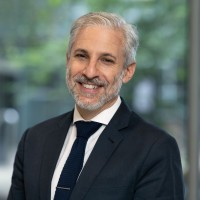
Chief, Supportive Care Service

Assistant Attending Physician

Assistant Attending Physician
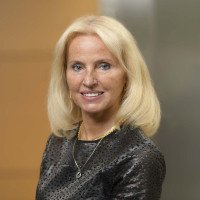
Associate Attending Neurologist
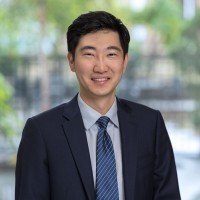
Assistant Attending Physician
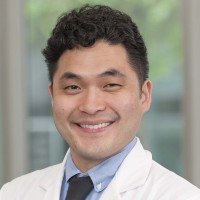
Assistant Attending Physician

Assistant Attending Physician

Attending Physician

Attending Physician

Assistant Attending Physician
Assistant Attending Physician
Associate Attending Physician

Assistant Attending Physician

Associate Attending Physician
Assistant Attending Physician

Assistant Attending Physician
Featured media
View news stories, podcasts, and other media featuring faculty of the Supportive Care Service
-
In This Novel About a Medical Residency, the Truth Hurts, The New York Times
- Featuring: Dr. Anna DeForest
-
Dr. Anna DeForest draws from her profession to write on sickness, healing and loss, NPR
- Featuring: Dr. Anna DeForest
-
New York Doctor Shares Inside Look At Caring For End-Of-Life COVID-19 Patients, NPR
- Featuring: Craig D. Blinderman
-
Craig D. Blinderman Named Chief of Supportive Care Service at Memorial Sloan Kettering Cancer Center, MSK
- Featuring: Craig D. Blinderman
-
Grief, Loss, and Wellness Debriefing: Vickie Leff, Matthew Loscalzo, Craig Blinderman, GeriPal
- Featuring: Craig D. Blinderman
-
Loss and Grief, Personal Stories of Doctors and Other Healthcare Professionals, 17. Mourning and Restoration, Oxford University Press
- Featuring: Craig D. Blinderman