Developmental Biology Program
The Maria Jasin Lab
Research

Human chromosomes are constantly assaulted by challenges to their integrity as a result of either environmental agents that damage DNA or from normal DNA metabolism. The failure to repair damaged DNA faithfully is ultimately responsible for many human diseases, especially cancer. This laboratory focuses on the repair of 1 particular lesion in DNA, the double-strand break (DSB). DSBs arise from agents, such as ionizing radiation, and can also occur spontaneously during DNA replication. Our emphasis is on repair of DSBs by homologous recombination, with a particular interest in the role of homologous recombination in maintaining genetic stability. Understanding the repair of DSBs is not only important for basic science and health concerns, but also impacts on molecular genetic manipulations of mammalian genomes.
Research Projects

Featured News


People
Maria Jasin, PhD
William E. Snee Chair
- The Jasin laboratory focuses on double-strand break repair and genomic integrity in mammalian cells and the relationship to tumor suppression.
- PhD, Massachusetts Institute of Technology
- [email protected]
- Email Address
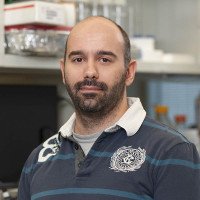
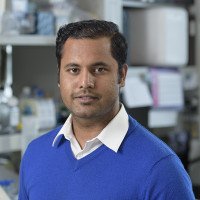
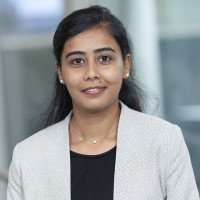
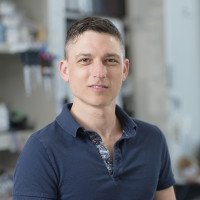
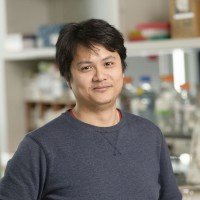
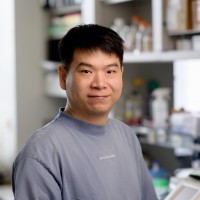
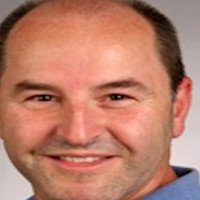
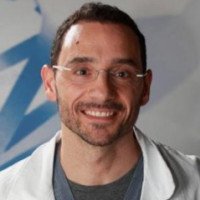
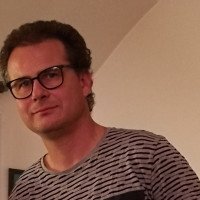
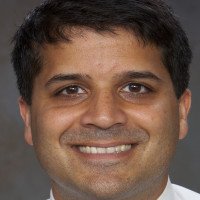
Members














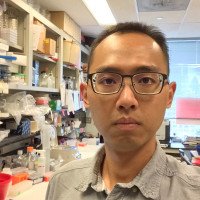

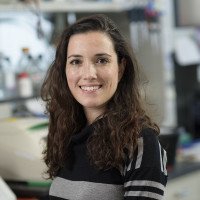

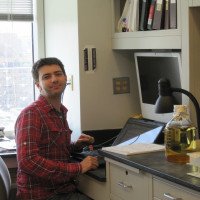
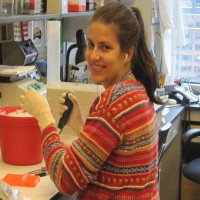
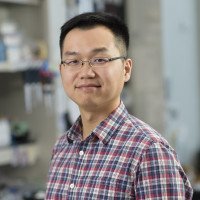
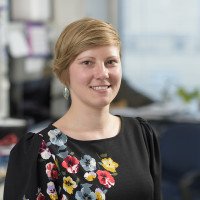
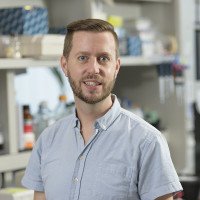

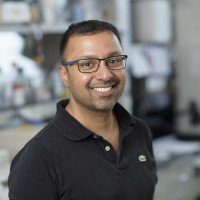

Achievements
- National Academy of Sciences (2015)
- National Academy of Medicine (2016)
- American Academy of Arts and Sciences (2017)
- Basser Global Prize for BRCA Research (2018)
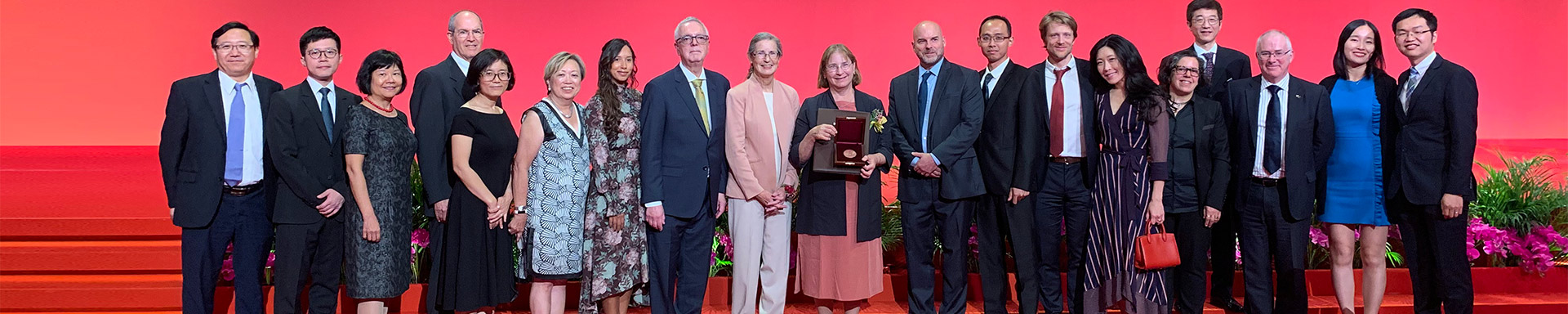
- Shaw Prize in Life Science and Medicine (2019)
- Fellow of the AACR Academy (2020)
- NCI Outstanding Investigator (2020)


