Immunology Program
The Michael Glickman Lab
Research

Michael S. Glickman, MD
We are broadly interested in the biology of mycobacteria, which include the major human pathogen M. tuberculosis, the nonpathogenic model organism M. smegmatis, and the cancer biotherapeutic agent BCG.
Research Projects

Featured News

At Work: Infectious Diseases Specialist Michael Glickman
Physician-scientist Michael Glickman cares for cancer patients who have infections. In his laboratory, he aims to understand how infections develop.

MSK Scientists Solve One of TB’s Deadliest Tricks
Scientists at Memorial Sloan Kettering have pieced together the biochemical mechanism by which the tuberculosis bacterium sneaks past our immune defenses.

The ABCs of BCG: Oldest Approved Immunotherapy Gets New Explanation
BCG has been used to treat bladder cancer for more than 30 years. Scientists are still learning how it works.
People
Michael S. Glickman, MD
- Physician-scientist Michael Glickman investigates the physiology and pathogenic mechanisms of mycobacteria, including the use of mycobacteria as bacterial cancer therapies.
- MD, Columbia University College of Physicians and Surgeons
- [email protected]
- Email Address
- 646-888-2368
- Office Phone
- View physician profile
- Physician profile
Members



Member
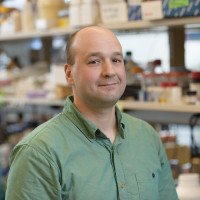
Senior Research Scientist
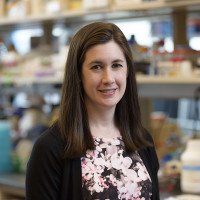
Senior Research Scientist

Assistant Attending Physician

Graduate Student
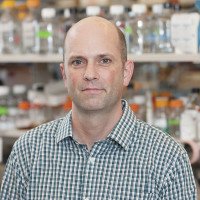
Assistant Lab Member, EIO Cell Bank director

Lab Manager

Postdoctoral Research Associate
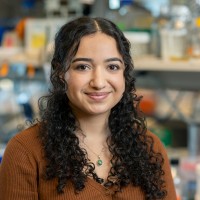
Graduate Student
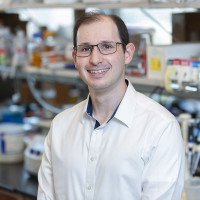
Graduate Student

Research Scholar

Administrative Assistant



Graduate Student

Research Fellow

Graduate Student

Research Scholar
Graduate Student

Research Technician
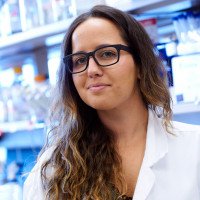
Graduate Student
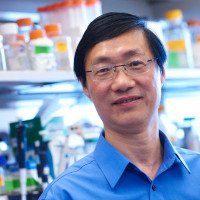
Senior Research Technician

Graduate Student
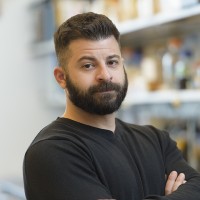
Research Fellow

Research Technician
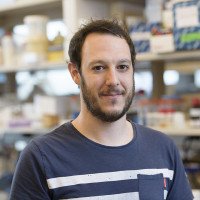
Research Fellow
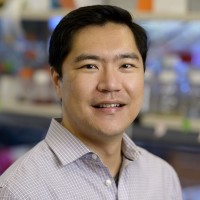
Fellow
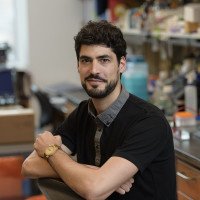
Postdoctoral Fellow
Technician

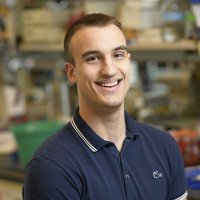
Research Technician

Research Associate

ID fellow
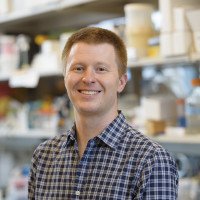
Postdoctoral Fellow
Fellow
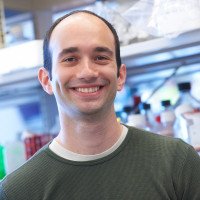
Research Fellow