Developmental Biology Program
The Jennifer Zallen Lab
Research

Jennifer A. Zallen, PhD
Member, Developmental Biology Program, SKI; Investigator, Howard Hughes Medical Institute
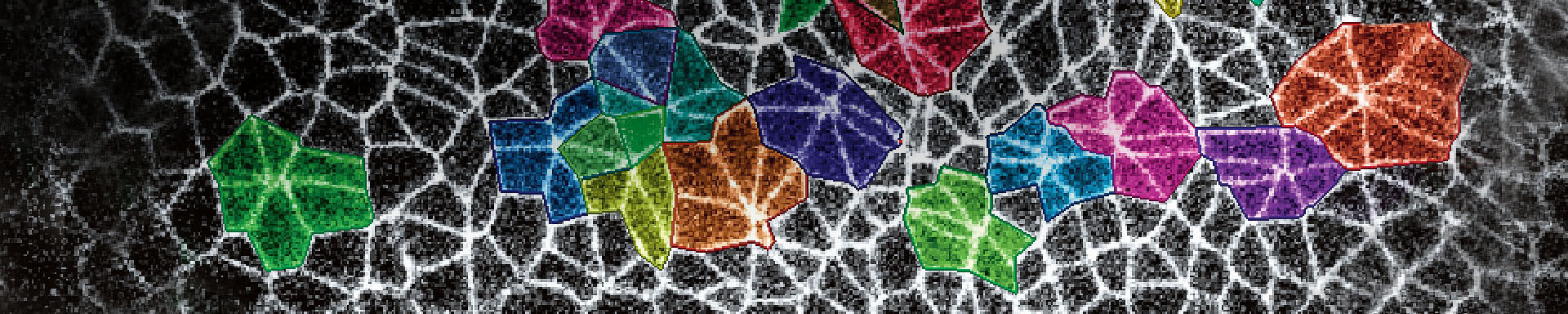
Our lab focuses on the generation of tissue structure through the collective action of cell populations.
People
Jennifer A. Zallen, PhD
Member, Developmental Biology Program, SKI; Investigator, Howard Hughes Medical Institute
- The Zallen laboratory focuses on the generation of tissue structure through the collective action of cell populations.
- PhD, University of California, San Francisco
- [email protected]
- Email Address
- 212-639-8937
- Office Phone
Members


Senior Research Scientist

Research Fellow

Administrative Assistant

Computer Analyst

Research Technician

Research Technician

Research Technician I

Research Technician

Postdoctoral Research Fellow

Research Fellow

Research Technician

Research Fellow

Research Fellow
Weill Cornell Graduate Student

Computer Analyst I



Research Fellow

Graduate Student
Research Technician
Research Fellow

Graduate Student
Research Fellow

Research Fellow

Graduate Student

Senior Data Scientist, OM1

Research Technician
Research Assistant, Sr.
Research Technician

Research Fellow


Research Technician

Computer Analyst
MD/PhD Student
MD/PhD Student
Administrative Assistant

Research Technician
Research Fellow