History & Overview Annual Report President's Pages Center News Community Affairs
Make a Gift Cycle for Survival Fred's Team Rock & Run on the River Yankees Universe Fund Thomas Blake Sr. Memorial Research Fund Donating Blood & Platelets Volunteering Thrift Shop Park Avenue Potluck CELEBRATIONS
Press Releases In the News Information for Journalists News@MSKCC
Manhattan New Jersey Long Island Westchester
Working at Memorial Sloan-Kettering Work Sites College Recruitment About Nursing Job Fairs & Career Days IS Careers Job Search & Apply Online
Making an Appointment
Search About Herbs:

HMB

How It Works

Bottom Line: Preliminary results suggest that HMB can help maintain weight in patients with cancer or HIV, but there is little support for the idea that it can improve athletic performance.

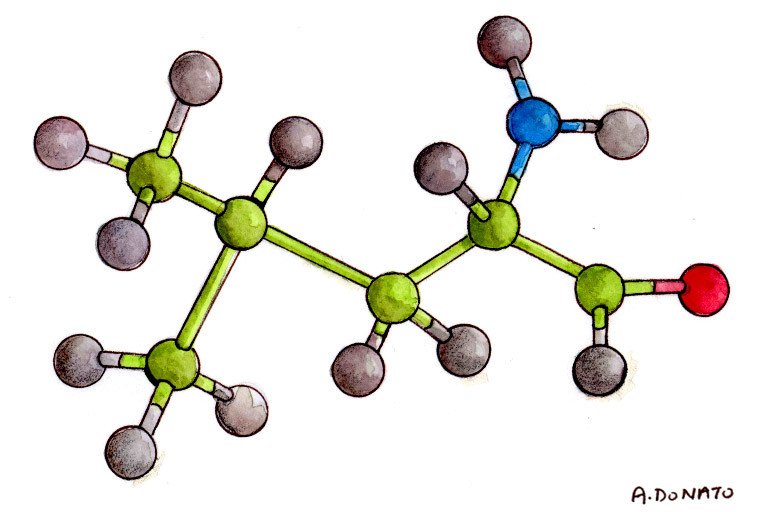
HMB is a breakdown product of the amino acid leucine. It and other amino acids (such as arginine and glutamine) are generally known to prevent or slow the damage to muscle cells that occurs with intense exercise or in advanced cancer and AIDS. In studies in both animals and healthy volunteers, HMB caused a decrease in total cholesterol and LDL ("bad") cholesterol. Scientists are not exactly certain how HMB exerts these effects. HMB apparently does not affect blood levels of testosterone or growth factors and therefore does not go against blood doping standards for athletes.

Purported Uses

  • To prevent or reverse the weight loss (cachexia) and weakness associated with diseases such as cancer and AIDS
    Two small clinical trials support this use, but larger trials that follow patients for longer periods of time are needed.
  • To increase muscle mass
    Clinical trials show mixed results regarding this use.
  • To improve strength and endurance in athletes
    Clinical trials show mixed results regarding this use.

  • Research Evidence

    Athletic performance:
    Several studies in healthy males have shown that HMB has is relatively safe, with no adverse effects on liver function, kidney function, blood cholesterol levels, or immune function. Clinical trials studying the ability of HMB to enhance athletic performance have generally been poorly designed and have shown mixed results.

    Muscle gain in elderly patients:
    The effect of daily HMB intake on muscle gain in healthy persons over the age of 70 was examined in a recent clinical trial. Fourteen subjects took 3 grams of HMB daily and seventeen took 3 grams of a similar placebo daily, and both groups completed an eight-week program of exercise and resistance training. As compared to placebo, subjects taking HMB showed a significant decrease in total body fat, but there was no difference in muscle gain or improvement in strength. This study did not address the effect of HMB without exercise or resistance training, nor did it answer the question whether body fat is regained after discontinuation of HMB therapy.

    Weight maintenance in seriously ill patients:
    A recent study used Juven® (a mixture of HMB, arginine, and glutamine) in stage IV cancer patients who had experienced significant weight loss. Patients may have been undergoing chemotherapy and/or radiotherapy during the study, but were not allowed to pursue other forms of weight maintenance that might interfere with this study's results. Twenty-four patients received Juven® powder (containing 3 grams of HMB, 14 grams of arginine, and 14 grams of glutamine) daily while control patients received a placebo mixture. Unfortunately, only nine patients finished the 24 weeks of the study, which limits the meaningfulness of the results, but overall, patients taking Juven® showed a higher weight gain than patients taking the placebo.

    A second study used Juven® powder to study its effects on weight maintenance, but in patients with AIDS. For eight weeks, 34 patients received Juven® powder (3 grams of HMB, 14 grams of glutamine, and 14 grams of arginine) while 34 patients received a placebo mixture. Supplementation with Juven® significantly improved weight and muscle gain when compared to the placebo group. This indicates that HMB is effective in managing weight loss associated with AIDS, but more studies that follow patients for a longer amount of time would be helpful.

    Warnings

  • This product is regulated by the FDA as a dietary supplement. Unlike approved drugs, supplements are not required to be manufactured under specific standardized conditions. This product may not contain the labeled amount or may be contaminated. In addition, it may not have been tested for safety or effectiveness.

  • Side Effects

  • No side effects have been reported

  • Scientific Name

    Beta-hydroxy-beta-methylbutyrate

    Common Name

    Beta-hydroxymethylbutyrate, beta-hydroxy-beta-methylbutyrate monohydrate

    Brand Name

    Juven® (contains arginine, glutamine, and HMB)

    Clinical Summary

    A metabolite of the amino acid leucine. Patients use beta-hydroxy-beta-methylbutyrate (HMB) for body strength, muscle gain, AIDS wasting, and cancer-related cachexia. The mechanism of action is unknown. Clinical studies suggest that HMB increases lean weight gain and reduces adipose tissue (6). It did not increase muscle strength (9) or affect plasma levels of androgens, cortisol, or insulin (5), but improved some components of aerobic performance (10). It may be of benefit in AIDS wasting (8), but additional research is necessary concerning use for cancer-related cachexia (7). Data from other studies indicate that HMB supplementation may improve pulmonary function in patients with chronic obstructive pulmonary disease (COPD) (11) and nitrogen balance in critically injured patients (12).
    Most published clinical trials were sponsored by Metabolic Technologies Inc., the manufacturer of Juven® (proprietary blend of arginine, glutamine, and HMB).
    No side effects or drug interactions have been reported.

    Purported uses

  • Cancer-related cachexia
  • HIV- and AIDS-associated wasting
  • Strength and stamina
  • Weight gain

  • Constituents

  • Beta-hydroxy-beta-methylbutyrate

  • Mechanism of Action

    The mechanism of action is unknown. Theoretically, HMB reduces skeletal muscle proteolysis (1). HMB may be metabolized to beta-hydroxy-beta-methylglutaryl CoA (HMG-CoA), which can elevate cholesterol and androgen synthesis. HMB does not effect circulating plasma levels of testosterone (5), cortisol, insulin-like growth factor-1 (IGF-1), or insulin (3). In animal studies, HMB causes a decrease in total subcutaneous fat content and a reduction in LDL cholesterol (2).

    Pharmacokinetics

    Following single dose administration of 3 grams HMB to healthy volunteers, peak plasma levels of nearly 480 nmol/L occur in about 1 hour. Concomitant administration of HMB and 75 grams of glucose appears to reduce the rate, but not extent of HMB absorption. The biologic half-life is approximately 2.4 hours with less than 30% of the parent compound excreted in the urine (6). Animal studies indicate there is no toxicity with doses up 5000 mg/kg/dose for up to 16 weeks (5).

    Adverse Reactions

    None reported

    Herb-Drug Interactions

    None known

    Lab Interactions

    May reduce LDL
    (1)

    Literature Summary and Critique

    Vukovich MD, et al. Body composition in 70-year-old adults responds to dietary beta-hydroxy-beta-methylbutyrate similarly to that of young adults. J Nutr 2001;131:2049-52.
    A prospective, randomized, double-blind study evaluating the effect of 3 grams/day beta-hydroxy-beta-methylbutyrate (HMB) (n=14) or placebo (n=17) supplementation on muscle gain and weight loss in healthy subjects 70 years or older. Patients took four 250 mg capsules of HMB or placebo three times a day and completed an eight-week program of exercise and resistance training. Blood samples monitored patient compliance. Primary outcome was change in body composition as determined by skin fold measurements, CT scans and dual x-ray absorptiometry. As compared to placebo, patients receiving HMB showed statistically significant decrease in total body fat. There was no significant difference in fat-free mass gain or improvement in strength. No adverse effects from supplementation were noted. This study does not address the effect of HMB in older patients without exercise or resistance training, nor did it study changes in fat or muscle composition following discontinuation of HMB.

    May PE, et al. Reversal of cancer-related wasting using oral supplementation with a combination of beta-hydroxy-beta-methylbutyrate, arginine, and glutamine. Am J Surg 2002;183:471-9.
    A randomized, double-blind, nitrogen-controlled, multicenter trial of the effects of an amino acid nutrient mixture in stage IV cancer patients with solid tumors and weight loss greater than 5%. Chemotherapy and radiotherapy were acceptable during treatment, but other forms of weight maintenance treatments were disallowed. The treatment group (n=24) received Juven® powder (3 g b-hydroxy-b-methylbutyrate (HMB), 14 g L-arginine, and 14 g L-glutamine) daily while controls (n=25) received an isonitrogenous and isocaloric mixture of nonessential amino acids. Body weight and composition were measured at baseline and weeks 4, 8, 12, 16, 20, and 24. Only nine patients (7 HMB/Arg/Gln, 2 control) finished the study: 17 withdrew before 4 weeks and 23 withdrew before 24 weeks. At the 4-week evaluation, HMB/Arg/Gln patients gained 0.95 +/- 0.66 kg (1.12 +/- 0.68 kg of fat-free mass), while controls lost 0.26 +/- 0.78 kg (1.34 +/- 0.78 kg in fat free mass). An intent-to-treat analysis showed higher weight gain in HMB/Arg/Gln patients at 24 weeks than controls (2.27 +/- 1.17 kg versus 0.27 +/- 1.39 kg, respectively). No changes in quality of life measures were found. Larger trials are necessary.

    Clark RH, et al. Nutritional treatment for acquired immunodeficiency virus-associated wasting using beta-hydroxy-beta-methylbutyrate, glutamine, and arginine: a randomized, double-blind, placebo-controlled study. J Parenteral Enteral Nutr 2000;24:133-9.
    A prospective, randomized, double-blind evaluation of beta-hydroxy-beta-methylbutyrate (HMB), glutamine, and arginine supplementation on weight in patients with HIV exhibiting greater than 5% weight loss over previous 3 months. Patients were randomized to receive one packet Juven® powder (1.5 grams HMB, 7 grams glutamine, and 7 grams arginine) (n=34) or placebo (n=34) twice daily for 8 weeks. Primary outcomes measured were body weight, lean weight, body fat and muscle content, viral load, and T-cell count. Blood samples were taken to monitor patient compliance. Twenty-two patients withdrew from the study for unknown reasons and three individuals were deemed non-compliant. Final number of patients receiving HMB and placebo was 21 and 22, respectively. HMB supplementation significantly improved cumulative and lean weight gain as compared to placebo. Although changes in viral load and T-cell subsets were statistically significant, they were not clinically meaningful. HMB appears effective in managing weight loss associated with HIV/AIDS, but long-term studies are required.

    References

    1. Slater GJ, Jenkins D. Beta-hydroxy-beta-methylbutyrate (HMB) supplementation and the promotion of muscle growth and strength. Sports Med 2000;30:105-16.
    2. Nissen S, et al. Beta-hydroxy-beta-methylbutyrate (HMB) supplementation in humans is safe and may decrease cardiovascular risk. J Nutr 2000;130:1937-45.
    3. Gallagher PM, et al. Beta-hydroxy-beta-methylbutyrate ingestion, part II: effects on hematology, hepatic and renal function. Med Sci Sports Exerc 2000;32:2116-9.
    4. Gallagher PM, et al. Beta-hydroxy-beta-methylbutyrate ingestion, part I: effects on strength and fat free mass. Med Sci Sports Exerc 2000;32:2109-15.
    5. Slater GJ, et al. Beta-hydroxy beta-methylbutyrate (HMB) supplementation does not influence the urinary testosterone: epitestosterone ratio in healthy males. J Sci Med Sport 2000;3:79-83.
    6. Vukovich MD, et al. Beta-hydroxy-beta-methylbutyrate (HMB) kinetics and the influence of glucose ingestion in humans. J Nutr Biochem 2001;12:631-9.
    7. May PE, et al. Reversal of cancer-related wasting using oral supplementation with a combination of beta-hydroxy-beta-methylbutyrate, arginine, and glutamine. Am J Surgery 2002;183:471-479.
    8. Clark RH, et al. Nutritional treatment for acquired immunodeficiency virus-associated wasting using beta-hydroxy-beta-methylbutyrate, glutamine, and arginine: a randomized, double-blind, placebo-controlled study. J Parenteral Enteral Nutr 2000;24:133-9.
    9. O'Connor DM, Crowe MJ. Effects of six weeks of beta-hydroxy-bea-methylbutyrate (HMB) and HMB/creatine supplementation on strength, power, and anthropometry of highly trained athletes. J Strength Cond Res 2007;21(2):419-23.
    10. Lamboley CR, Royer D, Dionne IJ. Effects of beta-hydroxy-beta-methylbutyrate on aerobic-performance components and body composition in college students. Int J Sport Nutr Exerc Metab 2007 Feb;17(1):56-69.
    11. Hsieh LC, Chien SL, Huang MS, et al. Anti-inflammatory and anticatabolic effects of short-term beta-hydroxy-beta-methylbutyrate supplementation on chronic obstructive pulmonary disease patients in intensive care unit. Asia Pac J Clin Nutr 2006;15(4):544-50.
    12. Kuhls DA, Rathmacher JA, Musngi MD, et al. Beta-hydroxy-beta-methylbutyrate supplementation in critically ill trauma patients. J Trauma 2007;62(1):125-31.

    Last Updated: Mar. 23, 2009
    E-mail your questions and comments to aboutherbs@mskcc.org.
    Bookmark and SharePrintEmail This Page