Common Names
- Fermented wheat germ extract
- MSC (Code Name)
For Patients & Caregivers
Tell your healthcare providers about any dietary supplements you’re taking, such as herbs, vitamins, minerals, and natural or home remedies. This will help them manage your care and keep you safe.
What is it?
Fermented wheat germ may improve quality of life in cancer patients, but data is limited and more studies are needed.
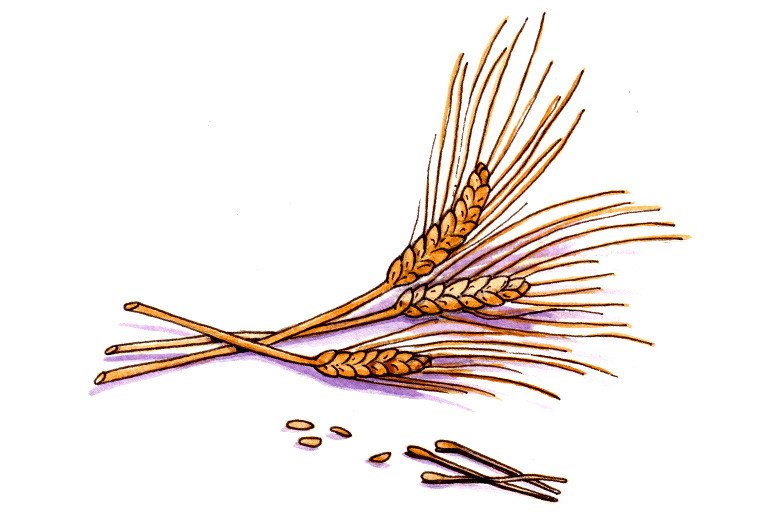
Fermented wheat germ extract (WGE) was developed by Mate Hidvegi, a Hungarian chemist, in the 1990s. It should not be confused with wheat germ oil. WGE has been used as a dietary supplement by cancer patients in Hungary to improve quality of life. However, studies in humans are quite limited, and cancer patients should consult their physicians before taking WGE.
What are the potential uses and benefits?
-
Cancer
Limited data suggest WGE may improve quality of life in cancer patients, but larger well-designed studies are needed to establish its use. -
Autoimmune disorders
Animal studies suggest WGE is beneficial, but human data are lacking. -
Immunostimulation
Lab and observational studies suggest WGE can regulate the immune system.
What are the side effects?
Mild, infrequent: Diarrhea, nausea, and vomiting
Wheat germ extract may have estrogen receptor activity. Patients with hormone-sensitive cancers should consult with a physician before using WGE.
What else do I need to know?
Do Not Take if:
- You are pregnant or nursing.
- You had an organ or tissue transplant.
- You have bleeding, stomach or intestinal ulcers, or severe absorption problems.
- You have sensitivity to gluten.
- You are fructose intolerant.
- You are having barium X-ray contrast tests. Discontinue 2 days before and after test.
For Healthcare Professionals
Brand Name
Clinical Summary
Fermented wheat germ extract (WGE) was developed in the 1990s by Hungarian chemist Mate Hidvegi. It should not be confused with wheat germ oil. WGE has been used as a dietary supplement by cancer patients in Hungary to improve quality of life.
In vitro studies suggest WGE may have anticancer (1) (2) (3) (4) (5) (18) (19), antimetastatic (6) (20), and immunomodulatory (2) (7) effects. Although it appears to increase estrogen receptor (ER) activity, WGE enhanced efficacy of tamoxifen, an ER antagonist, in ER+ breast cancer cells (8) as well as cisplatin in ovarian cancer cell lines (5). Animal models suggest WGE may reduce cardiovascular symptoms due to chronic hypertension, diabetes, and obesity (9), mitigate lupus symptoms (10), and have antitumor effects comparable to endocrine treatments (11).
Studies in humans are quite limited. A randomized trial of spermidine (extracted from wheat germ) failed to find improvements in memory in older adults with cognitive decline (24). Other studies suggest benefits of WGE in patients with colorectal cancer (12) , to slow progression of castration-resistant prostate cancer (25) and to reduce treatment-associated febrile neutropenia in pediatric cancer patients (13). When used along with chemotherapy, WGE may prolong survival of melanoma patients (15), but larger studies are needed to confirm these findings.
Because it potentiates estrogen receptor activity, patients with hormone-sensitive cancers should use WGE with caution (8).
Purported Uses and Benefits
- Autoimmune disorders
- Cancer
- Immunomodulation
Mechanism of Action
Benzoquinone compounds are thought to be active components of WGE (5). In vitro, WGE attenuates cell cycle progression from G2-M to G0-G1 phase, reduces ribonucleotide reductase activity (3) (4), and stimulates immune function via increased NK cell activity and intercellular adhesion molecule 1 (ICAM-1) expression (16) (17). It also increases TNF and cytokine production by activating metabolic pathways involved in tumor cell death (14). In other experiments, WGE demonstrated cytotoxic effects on human lymphoma cells by inducing apoptosis (4) and against ovarian cancer cells via poly(ADP-ribose) polymerase (PARP)-1 and PARP-12 expression (5). It also regulated tumor cell proliferation by inhibiting glycolysis and pentose cycle enzymes (19), and induced apoptosis through caspase-3-mediated PARP cleavage (7).
Compared to untreated cells, WGE-treated cancer cells had lower levels of VEGF, Cox-2 mRNA, and protein levels, markers of angiogenesis (21). WGE also contributed to impaired glucose utilization resulting in autophagy (22), and induced mobilization and homing of CD34(+) stem cells to the myocardial tissue, which may help stem cell-based regeneration of infarcted myocardium (23).
Contraindications
As evidence on safety is lacking and effects to the immune system are unclear, this product should be avoided in
- Patients with hormone-sensitive cancers, as it may have estrogen-receptor activity (8)
- Patients with organ or tissue transplants
- Patients with bleeding gastric or duodenal ulcers, enteritis/colitis, or malabsorption syndrome
- Patients with sensitivity to gluten and those with fructose intolerance.
In addition, the manufacturer recommends discontinuing Avemar 2 days before barium X-ray contrast examinations and resume 2 days after procedure.
Adverse Reactions
Mild, infrequent: diarrhea, nausea, vomiting (15)