
Molecular Pharmacology Program
The Daniel Heller Lab
Research

Daniel A. Heller, PhD
Member, Molecular Pharmacology Program, SKI
Cancer Nanomedicine Laboratory
We are a biomedical engineering laboratory that develops nanotechnologies to advance breakthroughs in the research, diagnosis, and treatment of cancer and allied diseases. We develop drug delivery technologies to target therapies to disease sites, advanced diagnostics to detect disease at earlier stages, and nanosensors to accelerate the discovery of new therapies. Please check out our recent innovations using the “View Lab Overview” button below…
Research Projects

Featured News
Scientists at MSK have developed a new nanoparticle-based approach to breaking down fibrosis in cancer and other diseases, which could make immunotherapy more effective. Learn about their findings in laboratory models.

Memorial Sloan Kettering Cancer Center (MSK) today announced the following awards and appointments:Joan Massagué Awarded Kennedy Award from the Institu...

Article
Learn about a blood test using carbon nanotubes that could potentially detect brain tumors.
People
Daniel A. Heller, PhD
Member, Molecular Pharmacology Program, SKI
- Biomedical engineer Daniel Heller is Head of the Cancer Nanotechnology Laboratory, which invents disruptive technologies to revolutionize the diagnosis and treatment of cancer and allied diseases.
- PhD, University of Illinois at Urbana-Champaign
- [email protected]
- Email Address
- 646-888-3419
- Office Phone
- Download CV
- PDF File
Members


Lab Head

Graduate Student, CUNY Chemistry PhD Program

NE WGS Student Graduate Studies. Program: Neuroscience PhD

Assistant Attending Physicist

Project Coordinator

CUNY Chemistry/Nanotechnology PhD Program Student

Graduate Student

Research Technician

GSK Graduate Student

Graduate Student, Weill Cornell PBSB PhD Program

Research Scholar
MSKCC Visiting Investigator; Assistant Professor at the Georgia Institute of Technology
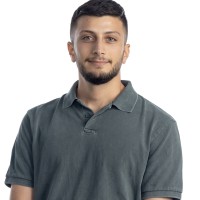
Visitor Scientist, MD-PhD student, Tel Aviv University

Assistant Attending L1, Radiation Oncology

Visitor Scientist, Sungkyunkwan University

Research Technician
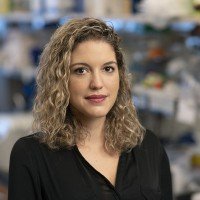
Senior Scientist

GSK PhD student

Postdoctoral Scholar

Laboratory Manager

Graduate Student, Weill Cornell Pharmacology PhD Program

Graduate Student

NE WGS Student Graduate Student
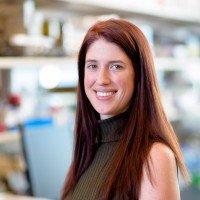
Associate Research Administrator

Graduate student, Tri-Institutional PhD Program in Chemical Biology

NE GSK Graduate Student


NCI K00 Postdoctoral Fellow in the Brown lab at Mount Sinai

Max Delbrück Center, Germany, Berlin; Postdoctoral Researcher
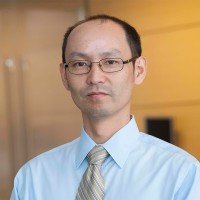
Assistant Attending, Anesthesiology and Critical Care
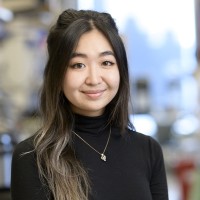
Research Scholar at the MSK Immuno-Oncology Program

GSK PhD student
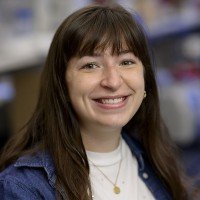
Scientist - Immuno-oncology

Clinical Research Coordinator

Analyst; TCG Labs Soleil
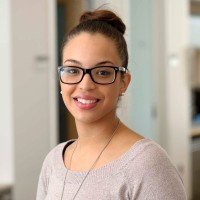
Clinical Nurse
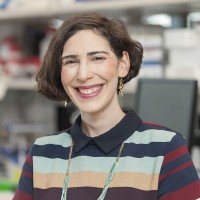
Chief Executive Officer, Life Therapeutics
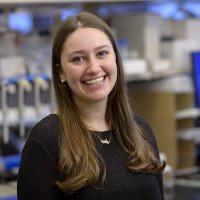
Graduate Student, Weill Cornell Pharmacology PhD Program
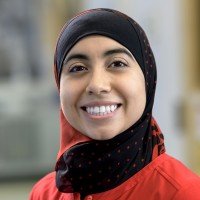
Resident in Anesthesiology, Bonica Scholars Program, University of Washington
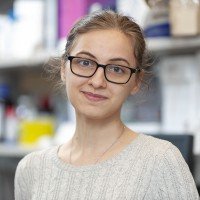
Process Development Scientist, New England Biolabs
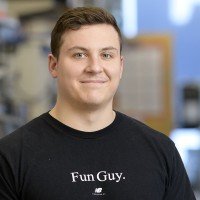
Associate Consultant, Triangle Insights Group, LLC

Assistant Professor, North Carolina State University

Postdoctoral Fellow, Genentech
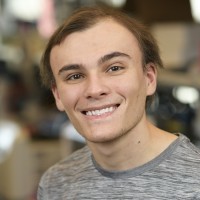
Graduate Student, Columbia University
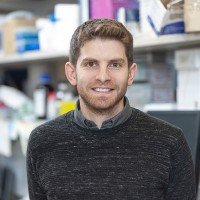
Equity Research Associate - smidcap Biotechnology at J.P. Morgan
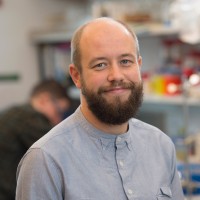
Manufacturing Development Engineer, Zoetis Denmark
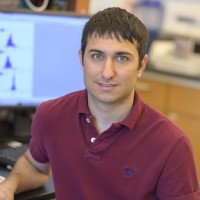
Director, Scientific Affairs, Pfizer
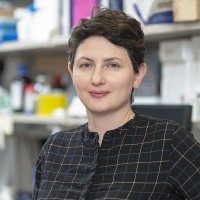
Scientist, Frederick National Laboratory for Cancer Research

Senior Associate Scientist at Generation Bio
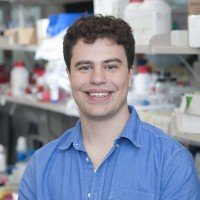
Principal, Deerfield
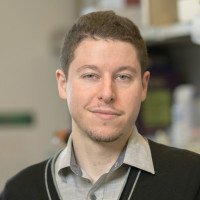
Application Scientist, On-Line Instrument Systems, Inc. (OLIS)
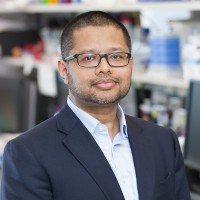
CTO, Lime Therapeutics, Inc.
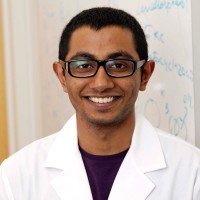
Healey ALS Scholar at Columbia University Irving Medical Center

Attending Physician, Division of Oncology, Children's Hospital of Philadelphia
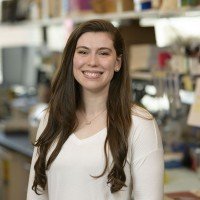
Scientist II, SalioGen Therapeutics
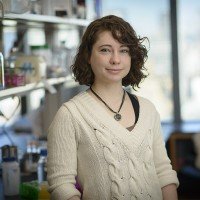
Associate Medical Writer – PPD
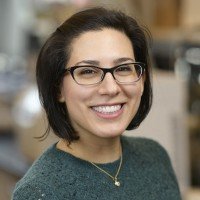
Founder and Principal, Honu Consulting

Associate Scientist, Merck

Associate Professor, University of Rhode Island
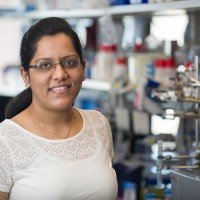
Biomarker Operation Manager, BioNTech SE
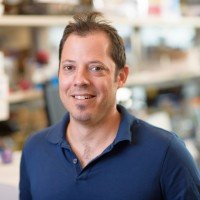
Associate Professor, Faculty of Biomedical Engineering, Technion-Israel Institute of Technology

Consultant, Prescient
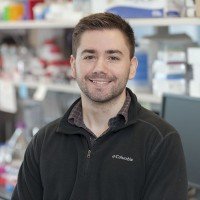
Senior Scientist, Celldex Therapeutics
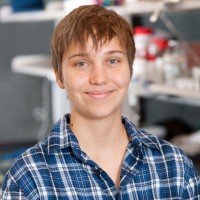
Patent Law Clerk at Foley Lardner LLP and JD Candidate
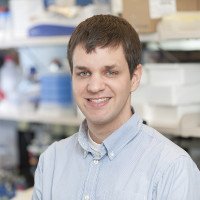
Associate Professor of Medicine at Stony Brook University
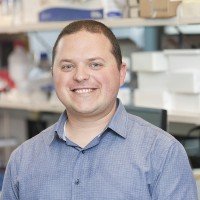
Assistant Professor, School of Pharmacy, Department of Medicine, Hebrew University of Jerusalem, Israel
Achievements
- College of Liberal Arts and Sciences Young Alumni Award, University of Illinois (2024)
- Life Sciences Invention of the Year, UM Ventures (2023)
- American Institute for Medical and Biological Engineering (AIMBE) Fellow (2021)
- Pharmacology Teaching and Mentoring Award, Weill Cornell Graduate School (2020)
- American Cancer Society Research Scholar (2018)
- NSF CAREER Award (2018)
- Pershing Square Sohn Prize for Young Innovators in Cancer Research (2017)
- NIH Director’s New Innovator Award (2012)
- Damon Runyon Cancer Research Foundation Postdoctoral Fellowship (2010)
- Beckman Institute Graduate Fellowship (2006)
Related topics: