Developmental Biology Program
The Danwei Huangfu Lab
Research

Danwei Huangfu, PhD
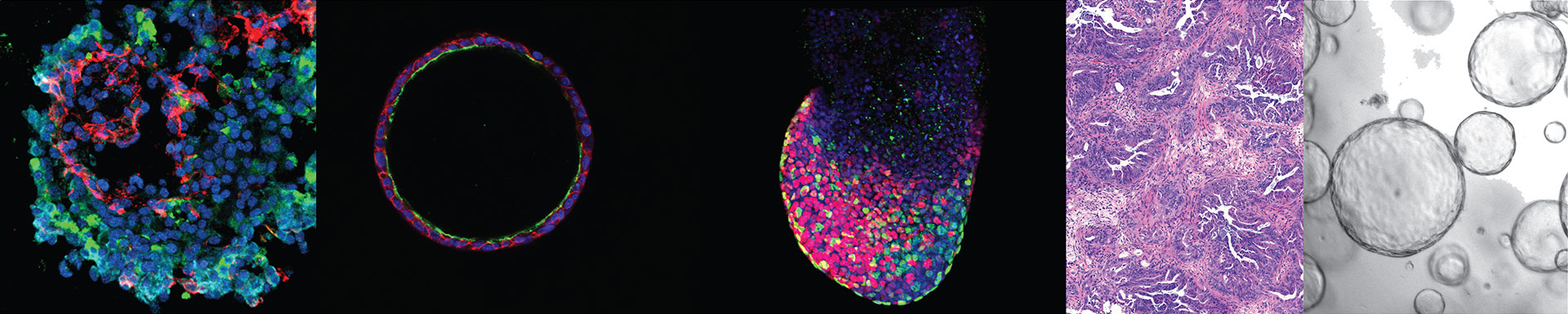
We apply both precision gene editing and large-scale CRISPR screening in human pluripotent stem cells (hPSCs) to explore mechanisms underlying human development. Specifically, we are interrogating the protein-coding regulators of pancreatic development and β cell function. The pathways that regulate these processes can be exploited for therapeutics to prevent and reverse diseases such as type 1 and type 2 diabetes. In a second, closely related area, we are developing approaches to discover developmental enhancers, and to understand the epigenetic regulation of noncoding regulatory elements with a focus on DNA methylation.

Featured News
Finding
Sloan Kettering Institute scientists report new findings about a gene that helps regulate DNA methylation.
In the Lab
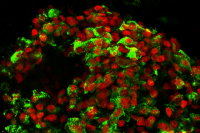
The genome-editing technique uncovered several genes previously not known to influence embryonic development.
Event
Every year, MSK gives high school students and their teachers the opportunity to learn about cutting-edge biomedical research from our scientists.
People
Danwei Huangfu, PhD
- The Huangfu laboratory uses human pluripotent stem cells (hPSCs) as a powerful genetic model to interrogate the transcriptional and epigenetic mechanisms underlying cell fate decisions in development and disease.
- PhD, Cornell University, Weill Graduate School of Medical Sciences
- BS, Fudan University
- [email protected]
- Email Address
- Download CV
- PDF File
Members


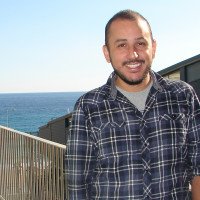
Sr. Research Scientist
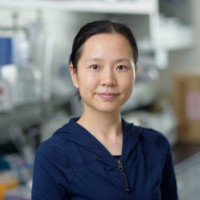
Sr. Research Scientist

Lead, Research Administrative Assistant
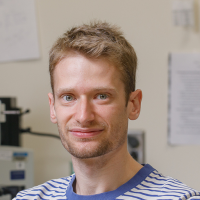
Graduate Research Assistant
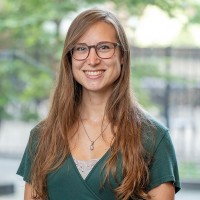
Research Fellow - NYSTEM Training Award at the CSCB

Research Associate
Computational Biologist
Graduate Research Assistant

Research Associate
Research Scholar
Research Associate

Research Technician
Research Associate

Graduate Research Assistant


Graduate Research Assistant
Graduate Research Assistant
Graduate Research Assistant

Research Technician
Resident Physician, Case Western Reserve University
Vector Engineering Research Scientist, Roche
Research Technician
Graduate Research Assistant
Research Fellow

Research Fellow
Graduate Research Assistant
Graduate Research Assistant
Sr. Research Scientist
Research Technician
Research Fellow
Research Fellow
Research Fellow
Research Associate

Research Technician
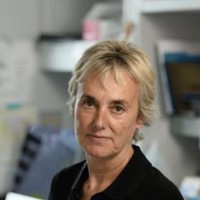
Senior Research Scientist

Lab Manager

Sr. Computational Biologist

Sr. Research Technician

Research Scholar

Research Technician

Graduate Research Assistant
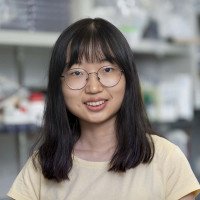
Graduate Research Assistant
Scientific Research Lead
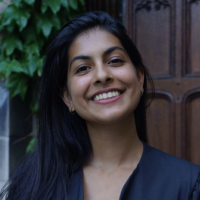
Research Technician
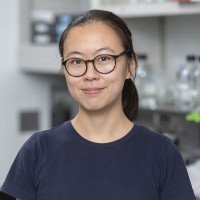
Research Scholar
Achievements
- Basil O’Connor Scholar, March of Dimes Birth Defects Foundation (2012-2014)
- Louis V. Gerstner, Jr. Young Investigators Award, Memorial Sloan Kettering Cancer Center (2011-2014)
- Award from Harvard Catalyst & InnoCentive for the Ideation Challenge on “What Do We Not Know to Cure Type 1 Diabetes” (2010)
- Helen Hay Whitney Postdoctoral Fellowship (2006-2009)

