The Gabriela Chiosis Lab
Research

The goal of my program is to investigate stressor maladaptation mechanisms such as they occur in several diseases. Our approach takes advantage of the way nature has evolved to control such stressors, and that is by a unique usage of the chaperome, referred here as the epichaperome. The epichaperome, which we discovered, is structurally, dynamically and functionally distinct from the housekeeping chaperome, and my lab has pioneered an approach to take advantage of such features. By using innovative methods, we develop small molecule chemical toolsets specifically targeted to the epichaperome; these act as “sensors” of the epichaperome, and in turn, of the chronic stressor-associated proteome-wide malfunctions. By the use of these unique toolsets we aim to understand, diagnose and treat cellular processes associated with chronic stressors. We address multiple mechanistic and biochemical questions less amenable to approaches that treat the chaperome as monolithic entity (i.e. the classical biochemical and genetic tools). We investigate in endogenous systems, both at the cellular and the organismal level, the inherent proteome changes and mechanisms that lead to disease, i.e. we can understand. By sensing disease states through the chemical toolsets, we go beyond investigation; we identify, measure and quantify, i.e. we can diagnose. By attacking the epichaperome specifically, we perturb the disease-causing proteome, and in turn revert or slow the disease phenotype, i.e. we can treat.
Research Projects

Featured News
People
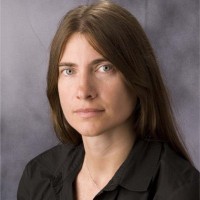
Gabriela Chiosis, PhD
- The Chiosis lab uses a unique chemical biology approach to understand, diagnose, and treat cellular processes associated with chronic molecular stress, with the ultimate goal of developing novel therapeutic options for use in the clinic.
- PhD, Columbia University
- [email protected]
- Email Address
- 646-888-2235
- Office Phone
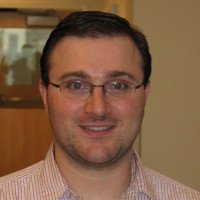
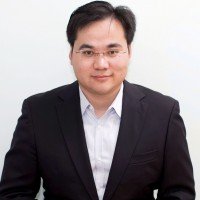
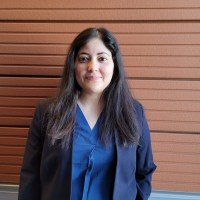
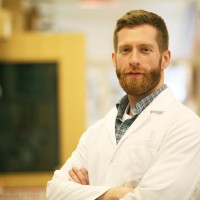
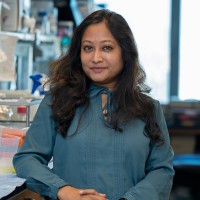
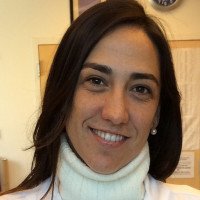
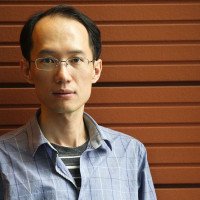
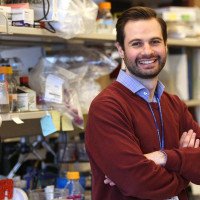
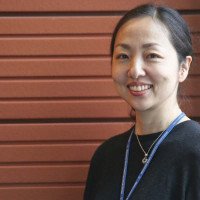
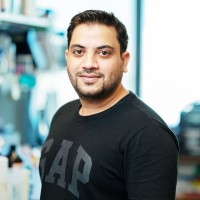
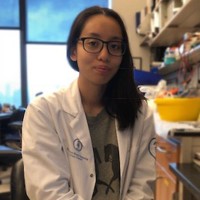
Members

















Achievements
AACR – Cancer Research and Prevention Career Development Award in Translational Lung Cancer Research, in Memory of Duffy Wall
Susan G. Komen Breast Cancer Translational Research Award
Frederick R. Adler Chair for Junior Faculty
Award for Drug Discovery Research for Frontotemporal Dementia
Top 5 percent cited author in Biology and Biochemistry 2010 (analysis by Thomson Reuters)
Translated from bench-to-bedside the Hsp90 inhibitor PU-H71 and the non-invasive companion diagnostic 124I-PU-H71 PET assay