The Hans-Guido Wendel Lab
Research

Our goal is to develop new cancer therapeutics and we are curious to identify biological vulnerabilities in cancer cells that provide opportunities for attack. Our research explores the molecular and cellular changes that drive cancer cells and ways to create new types of therapeutics including small molecules, engineered immune cells, and antibodies.
We focus on deadly forms of lymphoma and specific areas of interest include: (1) the biology of immune receptors that control lymphoma growth and shape the microenvironment; (2) oncogenic RNA translation programs; and (3) epigenetic and transcriptional changes that govern the biological and clinical behavior of lymphoma and other cancers. We are guided by the mutational evidence in human cancer that flags critical pathways and processes and we use cutting-edge molecular tools to define underlying mechanisms. We use unbiased CRISPR/CAS9 screens to identify strategies of disrupting cancer drivers and we test our new therapeutic ideas in primary patient xenografts and genetically engineered lymphoma models.
We are always looking for talented trainees at all levels. See Career Opportunities for details and requirements.

Featured News
People
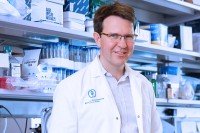
Hans-Guido Wendel, MD
Member/Professor, Cancer Biology & Genetics Program, Memorial Sloan Kettering Cancer Center
- Cancer biologist Hans-Guido Wendel pursues both disease-centered and basic discovery research. The disease focus is on lymphocyte malignancies and the basic science arm of the lab explores fundamental mechanisms that control aberrant mRNA translation programs in cancer. Work in these two research areas frequently intersects in surprising ways.
- Medical School of the Technical University of Aachen, Germany
- Medical School of the University of Edinburgh, UK
- Residency in Internal Medicine, University of Aachen, Germany
- Postdoctoral Research, Cold Spring Harbor Laboratory
- [email protected]
- Email Address
- 646-888-2526
- Office Phone
Members







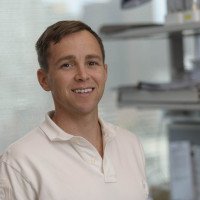
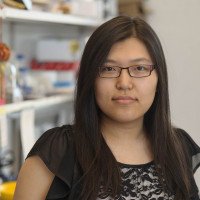




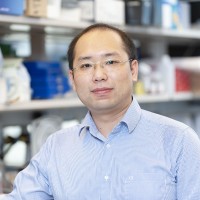
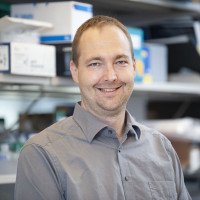
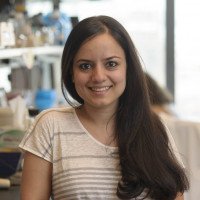
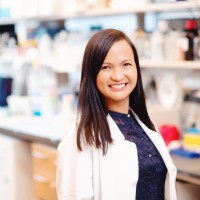
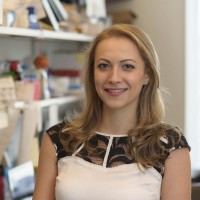


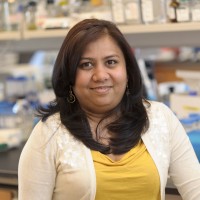
Achievements
- National Cancer Institute “Outstanding Investigator Award”
- Winner Glaxo Smith Kline Discovery Award
- Member, American Society for Clinical Investigation
- Scholar of the Leukemia and Lymphoma Society
- Scholar of the American Cancer Society
- Discovery of of protein glycation as a new post-translational mark that controls oncogenic NRF2 (Cell 2019)
- Generation of CAR-T cells that produce anti-tumor proteins (“Micro-pharmacies”) (Cell 2016).
- Identification of the HVEM – BTLA interaction as a major failsafe mechanism against lymphoma development (Cell 2016).
- Characterization of the key epigenetic regulators in lymphoma biology (MLL2/KMT2D and CREBBP/EP300) (Nature medicine 2015, Cancer discovery 2016).
- Identification of an eIF4A dependent mechanism that controls the translation of G-quadruplex containing mRNAs including oncoproteins (Nature 2014).
- Generation of a cell engineering strategy to enhance the safe use of stem cells for therapy (Cell reports, 2014).
- Identification and therapeutic delivery of the soluble tumor suppressor EphA7 in lymphoma (Cell 2011).
- Identification of MNK kinase as a cancer drug target (Genes & development 2009).
- Identification of the oncogenic action of the eIF4E translation factor (Nature 2004)
- Development of a rational combination therapy for high-risk follicular lymphoma (Journal of experimental medicine, 2014).