Molecular Pharmacology Program
The Jan Grimm Lab
Research

Jan Grimm, MD, PhD
The Grimm lab in the Molecular Pharmacology Program focuses on the development of novel and innovative approaches for cancer diagnostics and therapy. These approaches evaluate underlying biology and utilize nanotechnology, chemistry and physics interrogated with modern imaging methods. The lab focuses currently several avenues: (i) the utilization of nanoparticles for cancer therapy; (ii) novel imaging approaches such as Cerenkov and optoacoustic imaging and (iii) the biology of PSMA both in prostate cancer and neovasculature using a tumor-on-chip microfluidic chip system.
Research Projects

Featured News
How scientists are working to develop nonmammalian alternatives that could reduce the number of rodents used in biomedical research.
In the Clinic
A new imaging approach relying on Cerenkov light could sometimes substitute for PET scans and improve diagnostic services in underserved areas.
In Brief
Nanoparticles were thought of a silent partner in imaging technologies. They’re now being recognized as an important source of subatomic chatter.
People
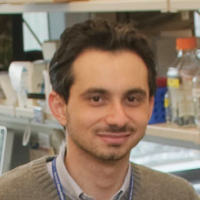
Jan Grimm, MD, PhD
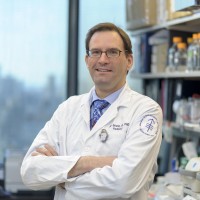
- Radiologist and Nuclear Medicine physician Jan Grimm develops novel approaches for improved diagnosis, monitoring and therapy of prostate and other cancers.
- MD, University of Hamburg (Germany)
- PhD, University of Kiel (Germany)
- [email protected]
- Email Address
- 646-888-3095
- Office Phone
- Download CV
- PDF File
- View physician profile
- Physician profile
Members


Member/Professor
Senior Research Assistant
Graduate Student - Cornell Pharmacology

Research Scholar

Research Associate

Research Technician

Graduate Research Assistant

Graduate Research Assistant

Research Technician

Research Scholar
Administrative Assistant


Research Fellow
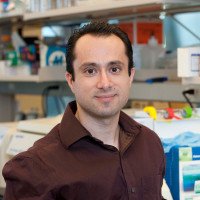
Research Fellow
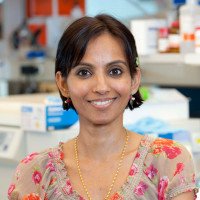
Research Fellow
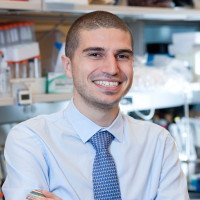
Research Fellow
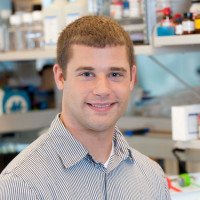
Graduate Student
Administrative Assistant
Visiting Investigator

Senior Administrative Assistant
Graduate Student - CCNY
Visiting Scientist
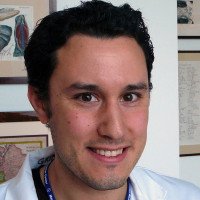
Research Fellow
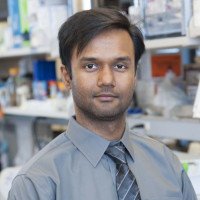
Research Scholar
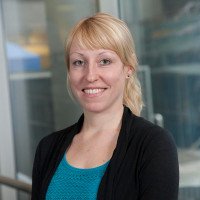
Research Scholar

Visiting Investigator
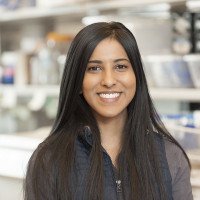
Graduate Student- Cornell Pharmacology
NE Student
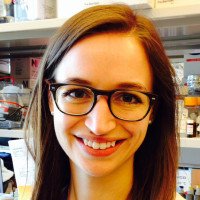
Research Fellow
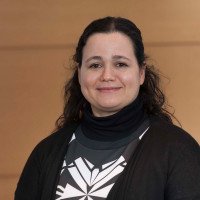
Research Fellow

Research Scholar

Graduate Student- Cornell Pharmacology
Senior Research Scientist
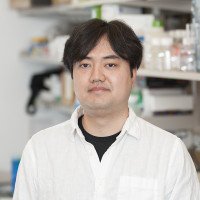
Postdoctoral Researcher
Research Fellow

Administrative Assistant

Graduate Student- Hunter College
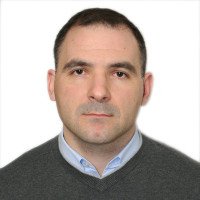
Research Fellow
Graduate Research Assistant
Achievements
- 2014- NIH Nagy New Investigator Award
- 2018- The American Society for Clinical Investigation (ASCI) Member