The Jason Lewis Lab
Research

The Lewis lab research interests are focused on the development of radiopharmaceuticals for targeted diagnosis and treatment of cancer. By combining small- and biomolecule-based targeting agents with positron-emitting or therapeutic radioisotopes, we can interrogate molecular profiles of cancer using noninvasive nuclear imaging or treat tumors specifically with endoradiotherapy. Our research program is a molecular-imaging-based program focused on the targeting of nonstandard nuclides, with an emphasis on developing these novel radiopharmaceuticals for clinical translation. A few examples of our work are given below.

Featured News
People
Jason S. Lewis, PhD
Deputy Director, Sloan Kettering Institute – Office of Science Education and Training (OSET); Emily Tow Chair in Oncology
- Radiochemist Jason Lewis develops molecular imaging agents for the imaging and therapy of cancer.
- PhD, The University of Kent (UK)
- [email protected]
- Email Address
- 646-888-3038
- Office Phone
- View physician profile
- Physician profile
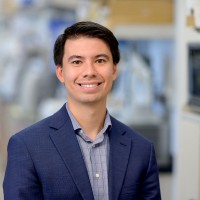
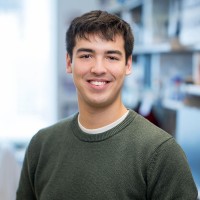
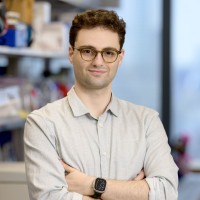
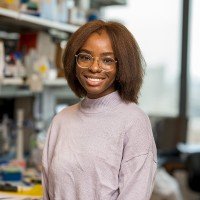
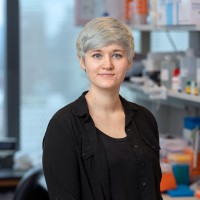
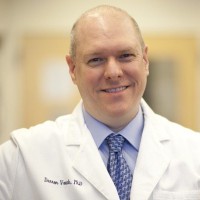
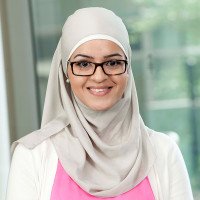
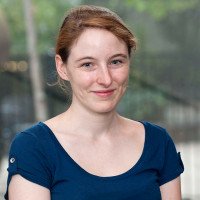
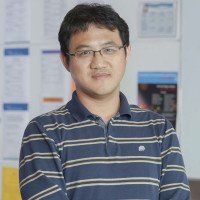
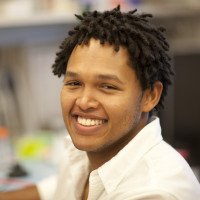
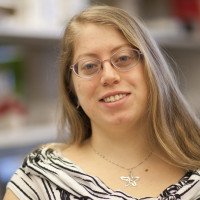
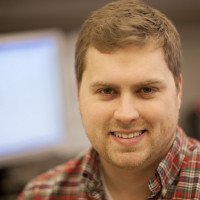
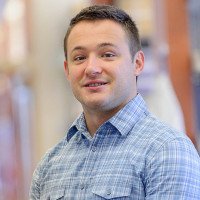
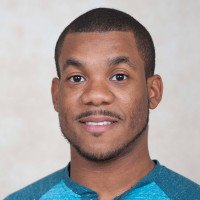
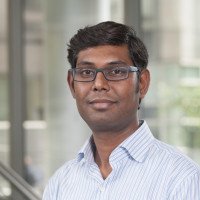
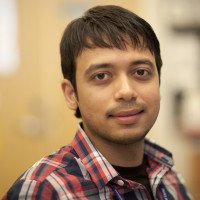
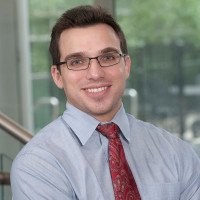
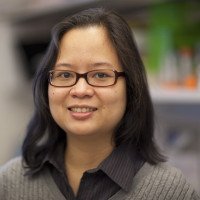
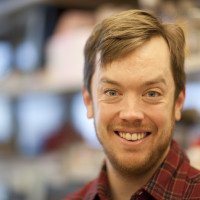
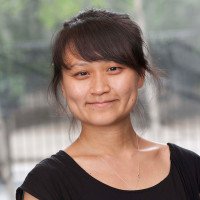
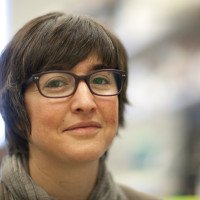
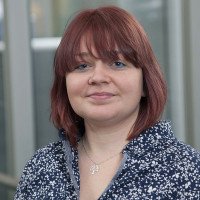
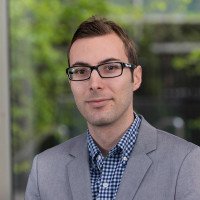
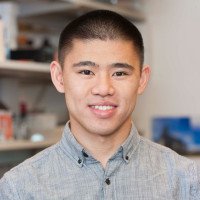
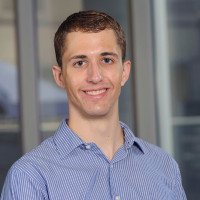
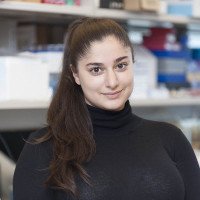
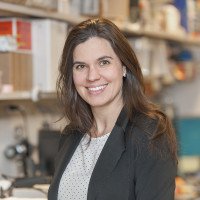
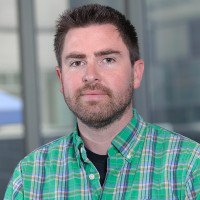
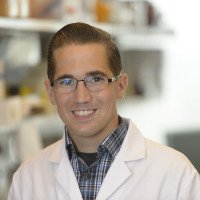
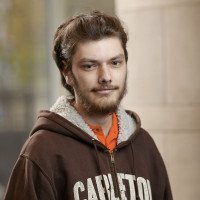
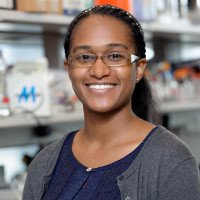
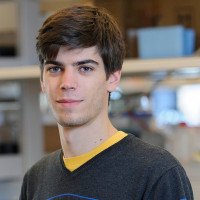
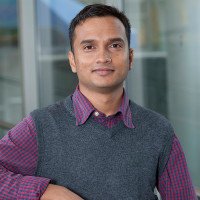
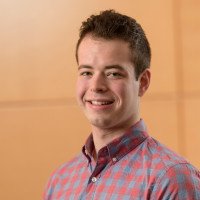
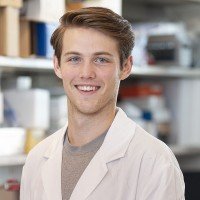
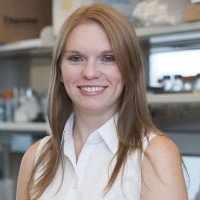
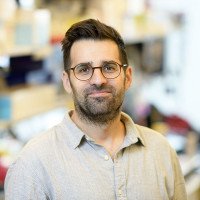
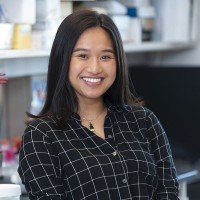
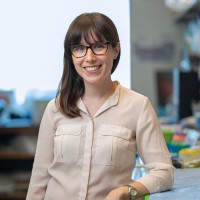
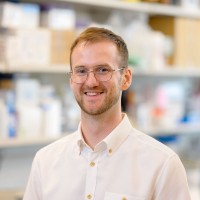
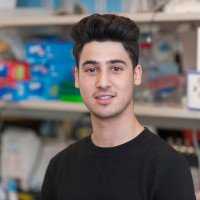
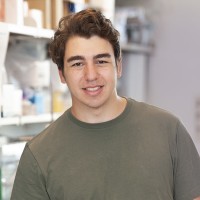
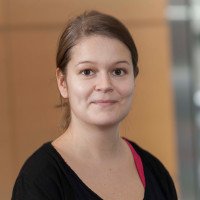
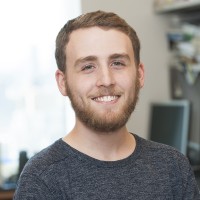
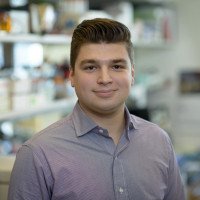
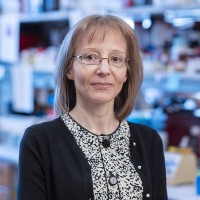
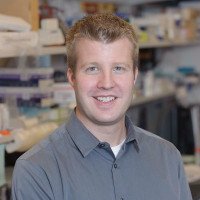
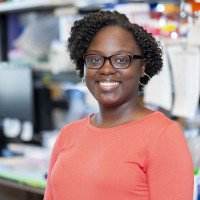
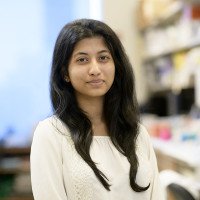
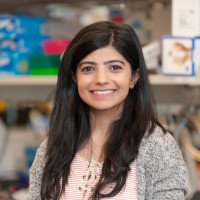
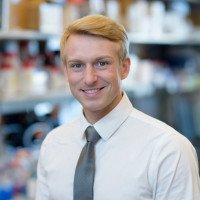
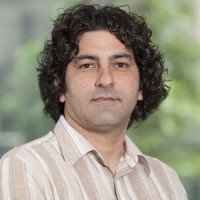
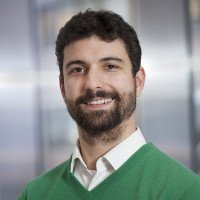
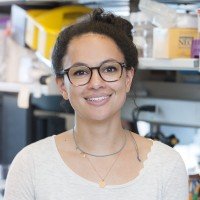
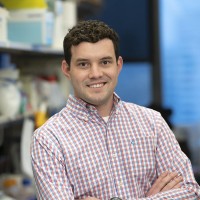
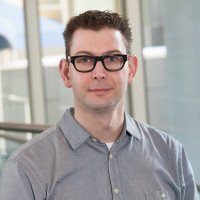
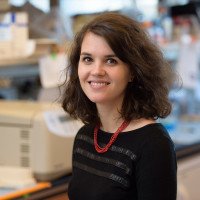
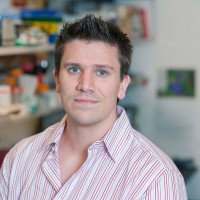
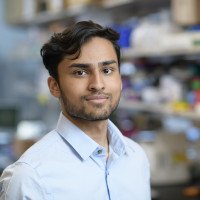
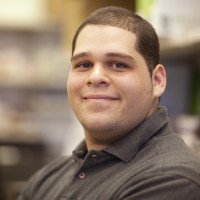
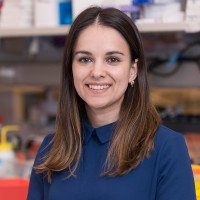
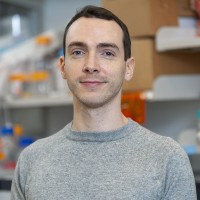
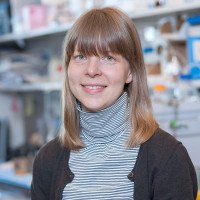
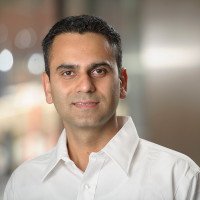
Members


























Achievements
- Fellow, National Academy of Inventors (2025)
- 2025 Dr. Saul Hertz Lifetime Achievement Award, SNMMI
- 2023 ACS - Glenn T. Seaborg Award for Nuclear Chemistry
- Fellow, American Association for the Advancement of Science (FAAAS) (2022)
- 2021 Gold Medal for Lifetime Achievement, World Molecular Imaging Society
- Fellow, American Association for the Advancement of Science (FAAAS) (2020)
- 2020 American Chemical Society Bioconjugate Chemistry Lecture Award
- Fellow, Society of Nuclear Medicine and Molecular Imaging (FSNMMI) (2019)
- Fellow, Royal Society of Chemistry, United Kingdom (FRSC UK) (2019)
- Paul C. Aebersold Award, ERF-SNMMI (2019)
- NCI R35 Outstanding Investigator Award (2019-2026)
- Michael J. Welch Award, SNMMI (2017)
- Fellow, World Molecular Imaging Society (FWMIS) (2015)
- Distinguished Investigator Award, Academy Radiology Research (2014)
- Fellow, Society of Radiopharmaceutical Sciences (FSRS) (2023)


