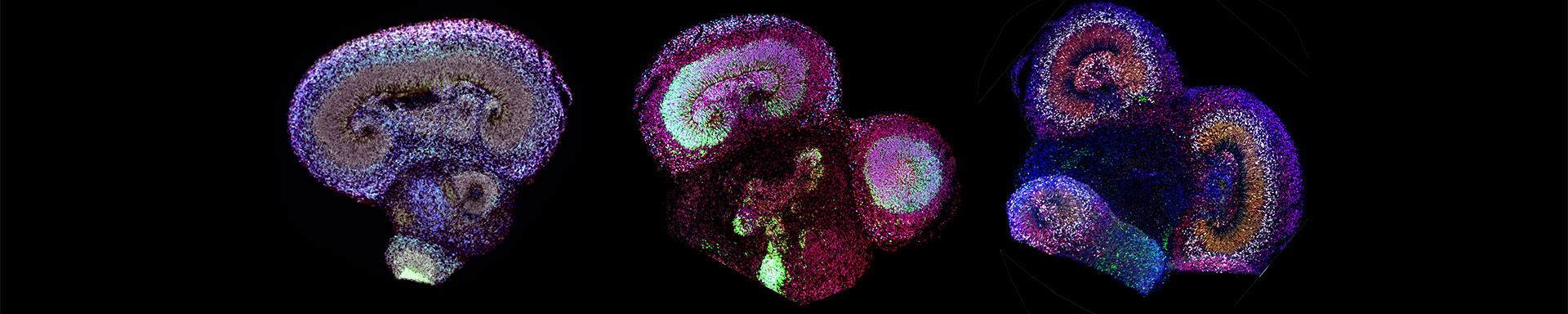
Developmental Biology Program
The Lorenz Studer Lab
Research

Lorenz Studer, MD
Director, Center for Stem Cell Biology
Our laboratory aims at exploiting recent advances in stem cell biology to develop radically new therapies for degenerative disease and cancer. The main focus in the lab is on the biology and application of human embryonic stem (ES) and human induced pluripotent (iPS) cells. Pluripotent stem cells can provide a truly unlimited source for deriving therapeutically relevant cell types for applications in human disease modeling or regenerative medicine.
Research Projects

Featured News
New research led by MSK has uncovered a way to “hack” neurons' internal clocks to speed up their development. The approach promises to accelerate research into neurological disease.
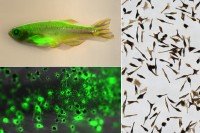
Experiments with zebrafish and human pluripotent stem cells reveal the necessary ingredients, besides genetic mutations, that fuel the development of melanoma.
Q&A
In an interview in September 2020, Dr. Studer spoke about what he hopes he and his fellow investigators can accomplish with this generous support.
People
Lorenz Studer, MD
Director, Center for Stem Cell Biology
- The Studer laboratory investigates human stem cells as tools to understand normal and pathological development in the nervous system and to develop cell-based strategies for regenerative medicine.
- MD, Universitat Bern
- [email protected]
- Email Address
- 212-639-6126
- Office Phone
Members


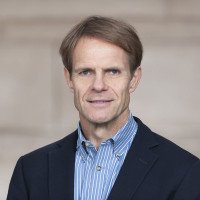
Member; Enid A. Haupt Chair in Developmental Biology
Lab Manager
Research Fellow
Research Fellow
Research Associate
Research Fellow

Research Scholar
Senior Research Scientist
Senior Research Scientist
Research Fellow
Senior Research Scientist
Research Scholar
Research Associate
Senior Research Scientist
Medical Oncology Fellow
Research Fellow
Research Fellow
Graduate student, The Gerstner Sloan Kettering Graduate School of Biomedical Sciences
Graduate Student
Graduate Student
Graduate Student
Graduate Student
Graduate Student

Graduate Student, Weill Cornell BCMB program
Graduate Student
Research Technician
Research Technician
Senior Administrative Assistant


Research Technician
Senior Research Scientist- current: Group leader at San Raffaele-Telethon Institute for Gene Therapy (SR-Tiget), Italy.
Graduate Student - currently: Research Scientist at Rumi Scientific
Graduate Student - currently: Lead Scientist at NewBrain Biosciences
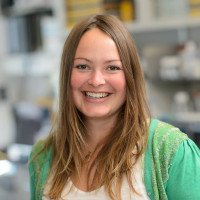
Senior Research Scientist - currently: Assistant Professor, Monash University. Melbourne, Australia
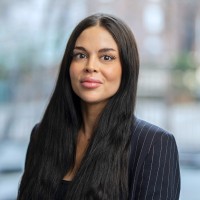
Graduate Student - currently: Healthcare Consultant at PwC, Cyprus
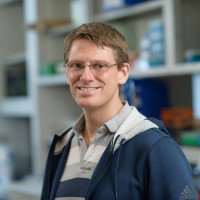
Senior Research Scientist
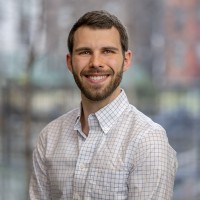
Research Scholar- currently: Science Director of the Dup15q Alliance
Research Technician - currently: Post-Bac Researcher, HSS (Donlin Lab)

Research Technician - currently: MD student, The Ohio State University College of Medicine
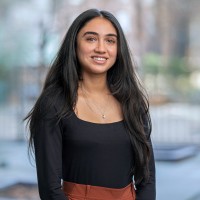
Research Technician - currently: PhD student, The Gerstner Sloan Kettering Graduate School of Biomedical Sciences
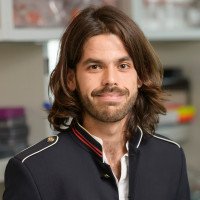
Research Associate

Program Manager - currently: Program Director at Mass General Hospital
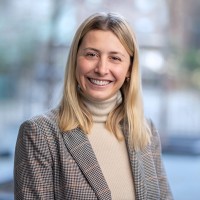
Research Associate - currently: Research Fellow, Neurological Clinical Research Institute at MGH/ Harvard
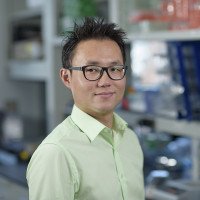
Senior Research Scientist - currently: Assistant Professor at DGIST, Korea

Research Scholar

Graduate Student - currently: Postdoc, Narry Kim lab, South Korea
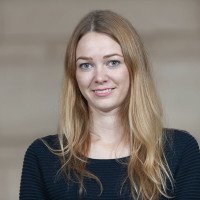
Research Associate - currently: Med School and Scientist at Brain & Life Institute, Bonn Germany
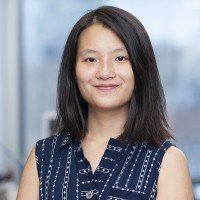
Research Technician - currently: PhD student, Albert Einstein College of Medicine
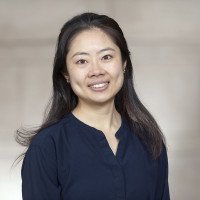
Graduate Student - currently: Equity Research Associate at RBC

MSK Bridge Scholar
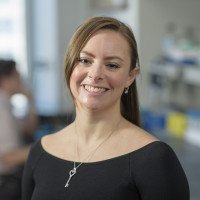
Graduate Student - currently: Research Scientist, Rumi Scientific
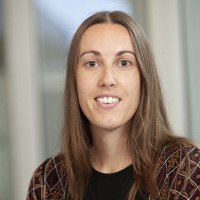
Research Fellow - currently: Project Manager, FightMND
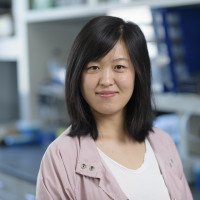
Graduate Student - currently: Postdoc Fellow, Caltech (V. Gradinaru lab)
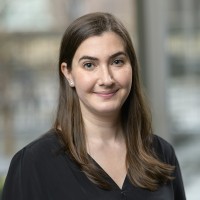
Graduate Student - currently: Psychiatry Resident, University of Miami/Jackson Health
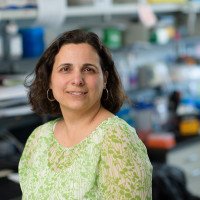
Lab Manager - currently: Operations Manager, Integrated Genomics Operation Core
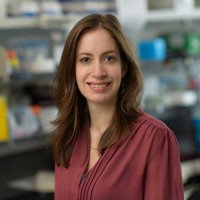
Senior Research Scientist - currently: Senior Scientist at DaCapo Brain Science
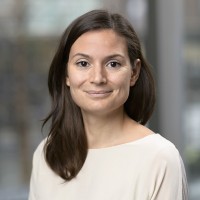
Research Fellow - currently: Assistant Professor, IOR, Bellinzona & University of Zurich, Switzerland
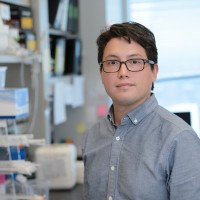
Graduate Student - currently: Senior Scientist at Arc Institute
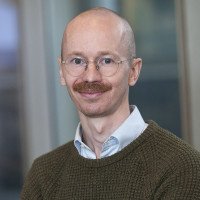
Research Associate - currently: Research Group Leader at Human Technopole, Italy
Lab Technician - currently: MD/PhD student at Geisel School of Medicine at Dartmouth

Postdoctoral Fellow - currently: Associate Principal Scientist at AstraZeneca, Sweden
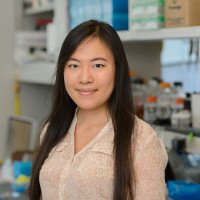
Lab Technician - currently: medical student, Harvard University
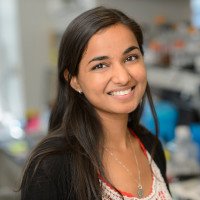
Graduate Student - currently: Psychiatry Resident, Columbia University
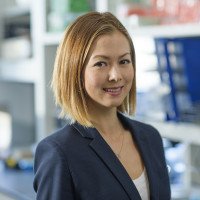
Postdoctoral Fellow - currently: Neurology resident, Mount Sinai Medical School, New York, NY
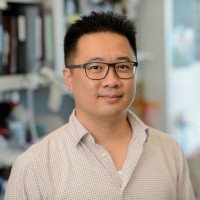
Postdoctoral Fellow - currently: Assistant Professor, Cincinnati Children’s Hospital, Cincinnati, OH
Graduate Student - currently: Senior Vice President, Director of Medical Strategy at Havas Health & You, New York, NY
Former Graduate Student; Currently: Assistant Attending in Radiation Oncology, Memorial Sloan Kettering Cancer Center
Postdoctoral fellow – currently, Assistant Professor, University of Georgia
Postdoctoral Fellow - currently: Consultant, The Boston Consulting Group
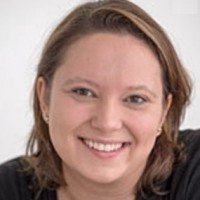
Postdoctoral Fellow – currently: Group leader, Helmholtz Zentrum, Munich, Germany
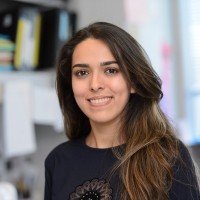
Graduate Student - currently, Sandler Faculty Fellow, UCSF
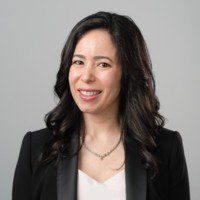
Postdoctoral Fellow - currently: Senior Machine Learning Engineer - Digital Intelligence at JPMorgan Chase & Co.
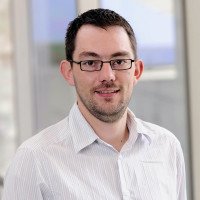
Postdoctoral Fellow - currently: Group leader, Evotec, Hamburg, Germany
Medical Student, Weill Cornell - currently: Physician/Psychiatrist, Ann Arbor, Michigan
Graduate Student – currently, Director of the Dean's Entrepreneurship Lab at Weill Cornell
Postdoctoral Fellow - currently: Freelance Neurologist and Stem Cell Expert, Germany
Postdoctoral Fellow - currently: Research Investigator, Arvinas
Postdoctoral Fellow - currently Senior Scientist at Neurona Therapeutics Inc

Postdoctoral fellow - currently: Assistant Prof., Soonchunhyang University

Postdoctoral Fellow - currently, Senior Scientist at Amgen

Principal Scientist at AbbVie, Boston, MA
Research Fellow - currently, Course Instructor, American Museum of Natural History
PhD student – currently: CMC lead & Director, BlueRock Therapeutics
Senior Manager, Product Management, Cell Culture Ecosystem, Thermo Fisher Scientific

Graduate Student - currently: Principal Scientist, Discovery Biology
Postdoctoral Fellow - currently: Associate Prof., Johns Hopkins School of Medicine
Graduate Student - currently: Assistant Professor, The University of Texas at San Antonio
Postdoctoral fellow - Currently: Principal Investigator, Max Planck Institute for Molecular Genetics,
Postdoctoral fellow - currently: Assistant Prof., Helmholtz Institute
Postdoctoral Fellow - Currently: Associate Scientist, Texas BioMed Research Institute, SW National Primate Research Center
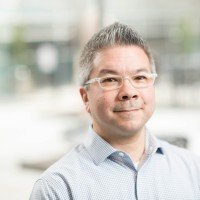
Currently, Sr. Director, CNS Bioprocess at BlueRock Therapeutics
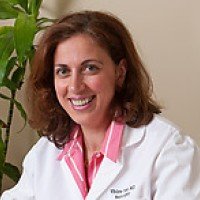
Chair, Department of Neurosurgery; Theresa Feng Chair in Neurosurgical Oncology

Postdoctoral Fellow - currently: Principal Investigator, iSTEM, INSERM, France
Currently, Assistant Professor at Johns Hopkins School of Medicine
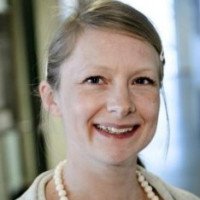
PhD student – currently, Associate Professor of Stem Cell Biology, University of Copenhagen, Denmark
Achievements
- Member, National Academy of Medicine (2024)
- Helis Foundation Prize for Parkinson’s disease and Neurodegenerative Research, John’s Hopkins University (2024)
- ISSCR Achievement Award (2022)
- ISSCR, Ernest McCulloch Memorial Lecture, Robert & Claire Pasarow Foundation Award (2019)
- Jacob & Louise Gabbay Award in Biotechnology & Medicine (2018)
- Ogawa-Yamanaka Stem Cell Prize, Gladstone Institutes (2017)
- MacArthur Fellow (2015)
- Member, American Society of Clinical Investigation (2014)
- Annemarie Opprecht Parkinson Award, Annemarie Opprecht Foundation (2012)
- Louise and Allston Boyer Young Investigator in Basic Research, Memorial Sloan Kettering Cancer Center (2005)
Related topics: