The Minkui Luo Lab
Research

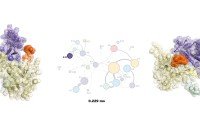
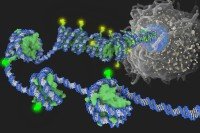
The Luo Lab is interested in developing and leveraging novel approaches at the interface of chemistry and biology to annotate functional roles of epigenetic modulators. Epigenetic regulation is essential for maintaining cellular fates and its dysregulation has been associated with various diseases including cancer. Among key epigenetic modulators are diverse protein methyltransferases/demethylases and methyl-arginine/lysine (Rme/Kme) effector proteins. With novel chemical tools developed in-house, we aim to systematically interrogate Rme/Kme-involved epigenetics with emphasis on novel molecular mechanisms and biological outcomes. The Luo laboratory is also interested in designing and synthesizing epigenetic inhibitors with the emphasis of the distinct modes of action in disease-relevant contexts. Researchers in the Luo Lab with expertise in chemistry, biochemistry and biology work in a highly collaborative manner to develop unprecedent chemical reagents for biological discovery, elucidate disease-causing mechanisms with molecular details, and explore novel treatments against cancer.

Featured News
People
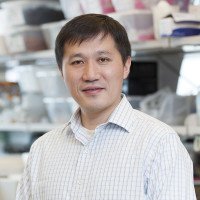
Minkui Luo, PhD
- Chemical Biologist Minkui Luo develops cutting-edge tools, technologies and concepts to annotate functions of protein-posttranslational modifications and designs inhibitors for cancer therapies.
- BS, Fudan University
- PhD, Princeton University
- [email protected]
- Email Address
- 646-888-3066
- Office Phone
- Download CV
- PDF File
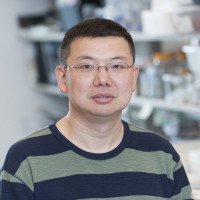
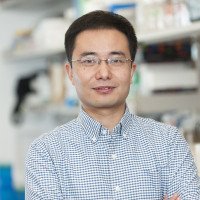
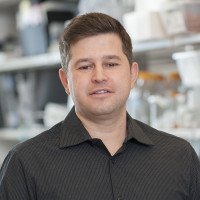
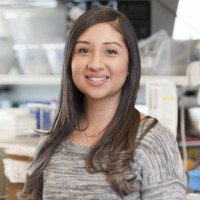
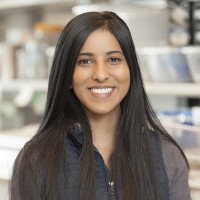
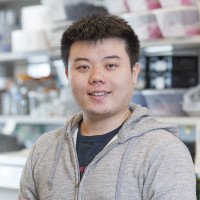
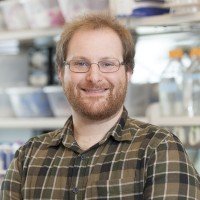
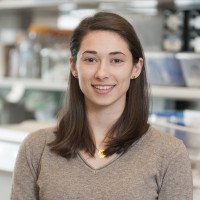
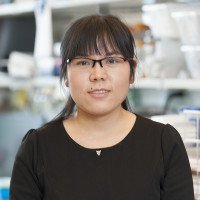
Members







Achievements
- Maximizing Investigators’ Research Award (R35), NIGMS/NIH (2019)
- Eli Lilly Award in Biological Chemistry, American Chemical Society (2015)
- Clinical & Translational Science Center Novel Award, Weill Cornell Medical College (2014)
- Basil O'Connor Starter Scholar, March of Dimes Birth Defects Foundation (2011)
- Director’s New Innovator Award, National Institutes of Health (2010)
- Alfred W. Bressler Scholar, Alfred W. Bressler Scholars Endowment Fund (2010)
- The V Scholar Award, V Foundation for Cancer Research (2009)
- Outstanding Postdoctoral Research Prize, Albert Einstein College of Medicine (2007)
- Best Presentation Award, 3rd ACS Annual Metropolitan New York Area Poster Program for Graduate Students in the Chemical Sciences (2003)
- Rohm & Haas Fellowship, Fudan University (1998)
- Du Pont Fellowship, Fudan University (1998)