Molecular Pharmacology Program
The Richard Kolesnick Lab
Research

Richard N. Kolesnick, MD
Our laboratory focuses on the role of sphingolipid signaling as a stress response. In this pathway, generation of the second messenger ceramide in response to diverse environmental and pharmacologic stresses (heat, ionizing radiation, ultraviolet light, chemotherapeutic agents, oxidative challenges, etc.) occurs either by degradation of sphingomyelin or by de novo synthesis. The quality and quantity of the ceramide response, in combination with other signals, determines whether adaptation or apoptosis ensues. This pathway is evolutionarily conserved and is obligate for the heat shock response in yeast.
Research Projects

People
Richard N. Kolesnick, MD
- Physician-scientist Richard Kolesnick studies the role of ceramide signaling in radiation-induced vascular dysfunction and tumor regression.
- MD, University of Chicago School of Medicine
- [email protected]
- Email Address
- 646-888-2174
- Office Phone
- View physician profile
- Physician profile
Members


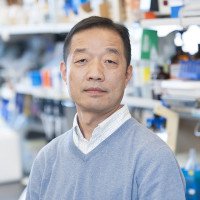
Visiting Research Scientist

Senior Research Technician
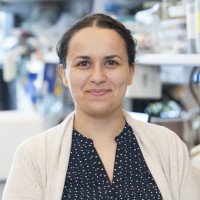
Research Fellow


Research Fellow
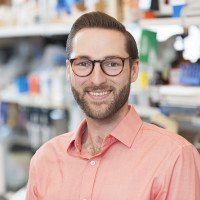
Research Fellow
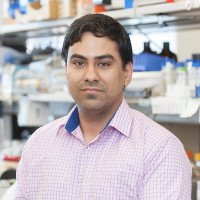
Research Fellow
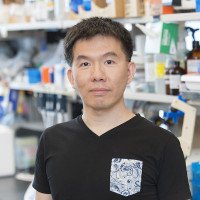
Research Fellow
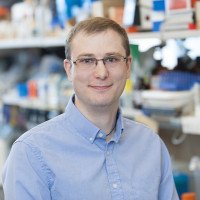
Research Fellow
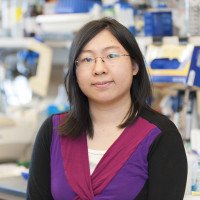
Graduate Student

Laboratory Manager

Research Fellow

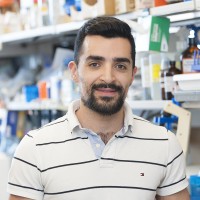
Research Fellow