The Scott Keeney Lab
Research

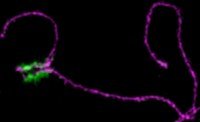
The long-range objectives of our research are to understand the mechanism of meiotic recombination and to determine how this process is coordinated with other events of meiotic prophase. Several projects in the lab focus on Spo11 (the protein that makes the DNA double-strand breaks (DSBs) that initiate recombination), the proteins that interact with Spo11, the interactions of these proteins with meiotic chromosomes, and the mechanisms that regulate the timing, number, and location of DSB formation. We also study how DSBs are processed and repaired and we are seeking to expand knowledge of meiotic processes more generally through discovery of new genes important for germ cell function. Most of the meiosis research in the lab uses the yeast Saccharomyces cerevisiae and the mouse. Finally, our studies of Spo11 have also provided an entry point to research on the DSBs made by the enzyme Topoisomerase II when it is inhibited by chemotherapeutic agents such as etoposide or doxorubicin.
Research Projects

Featured News
People
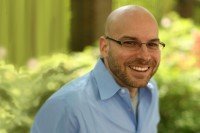
Scott Keeney, PhD
Member, Molecular Biology Program, SKI; Investigator, Howard Hughes Medical Institute; Frederick R. Adler Chair
- Molecular biologist Scott Keeney investigates mechanisms of the initiation of meiotic recombination.
- PhD, University of California, Berkeley
- [email protected]
- Email Address
- 212-639-5182
- Office Phone
- Download CV
- PDF File
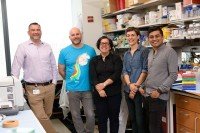
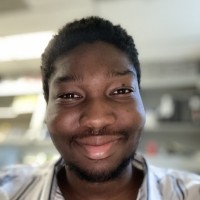
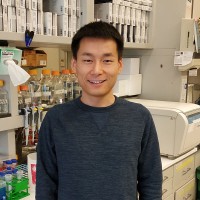
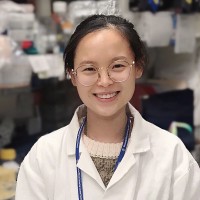
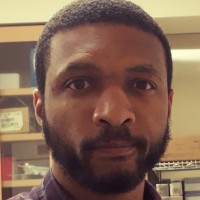
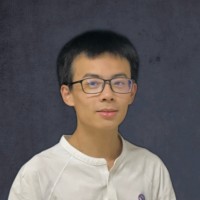
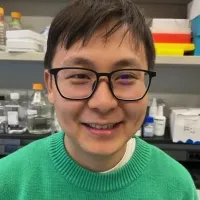
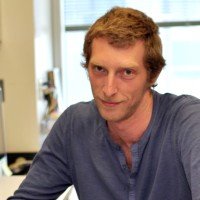
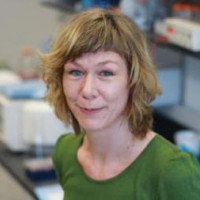
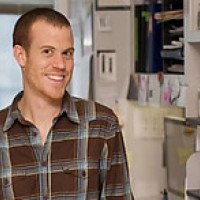
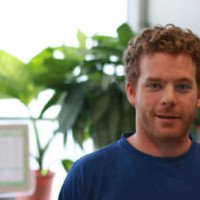
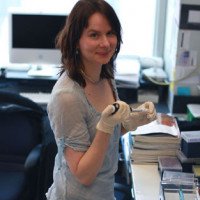
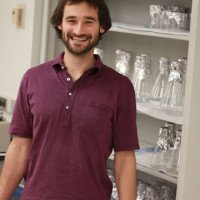
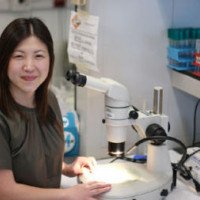
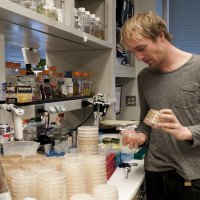
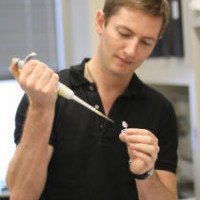
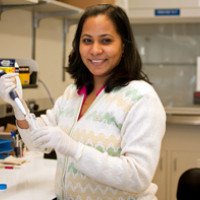
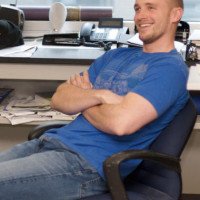
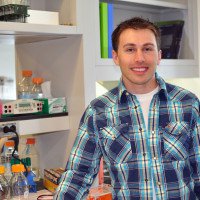
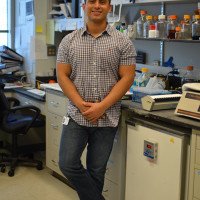
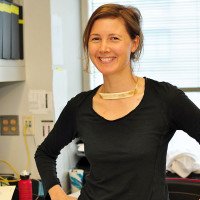
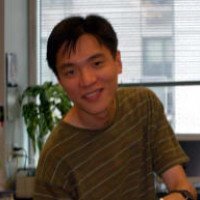
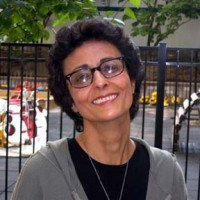
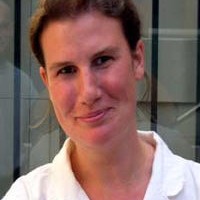
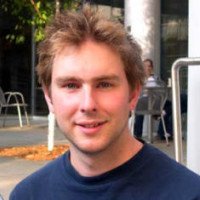
Members






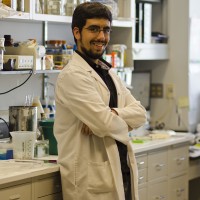
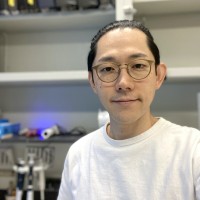
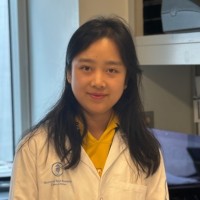
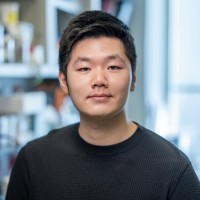





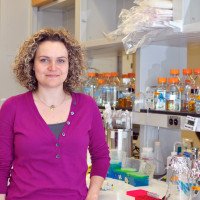
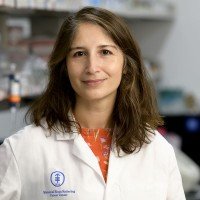
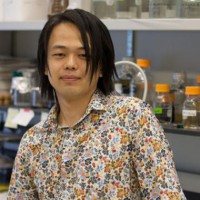
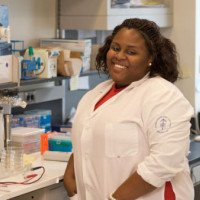





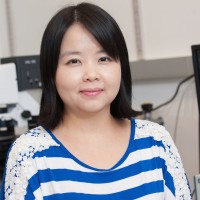
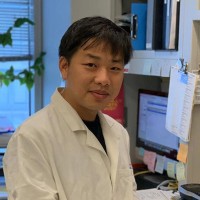
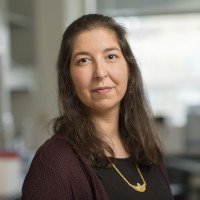
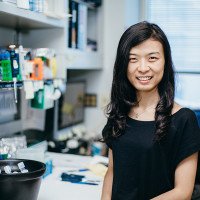




Achievements
- Investigator, Howard Hughes Medical Institute (2008)
- American Academy of Microbiology (2014)
- American Academy of Arts and Sciences (2017)
- Frederick Adler Chair, MSKCC (2017)
- US National Academy of Sciences (2020)