Structural Biology Program
The Stephen Long Lab
Research

Stephen B. Long, PhD
Member, Structural Biology Program
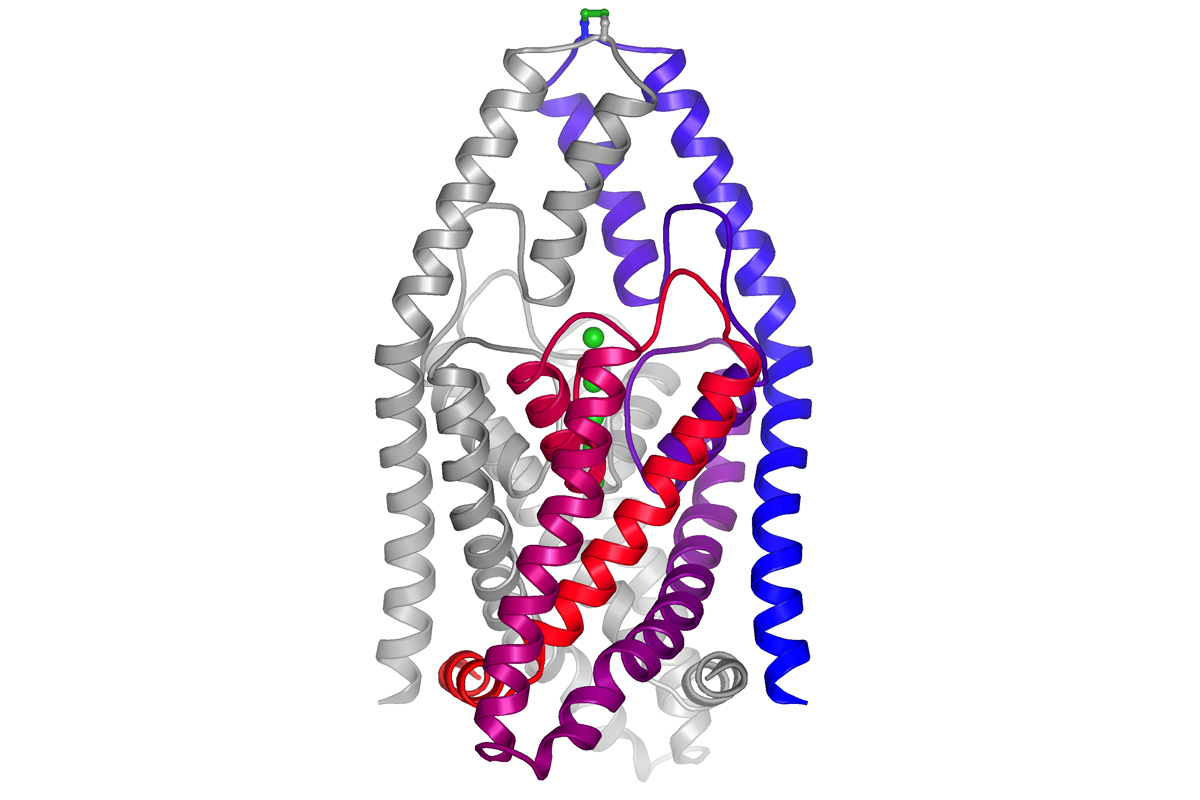
Our laboratory uses a combination of structural biology and biophysical techniques to discover how ion channels and membrane-embedded enzymes function at the atomic level. The proteins we study are crucial for the function of the immune system, vision, cell differentiation, and embryonic development, and they are potential targets for diseases including immune disorders and cancer. Our discoveries lead to new understandings of the fundamental mechanisms of the ion channels and enzymes. These understandings also guide our efforts to develop and evaluate small molecule and biologic modulators for therapeutic potential for cancer and other diseases.


Featured News
In the Lab
Sloan Kettering Institute investigators have learned how Hedgehog proteins, which are important in both development and cancer, are assembled.

How cryo-electron microscopy is providing scientists at MSK with an unprecedented view of the wild and wiggly microcosm inside our cells.
In the Lab
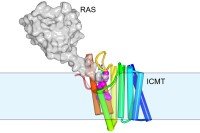
The atomic structure of an elusive type of membrane protein has finally been solved by scientists at the Sloan Kettering Institute.
People
Stephen B. Long, PhD
Member, Structural Biology Program
- The Long laboratory investigates the molecular mechanisms of ion channels and enzymatic membrane proteins and seeks to use these discoveries to benefit humanity.
- BA, Physics, Amherst College, 1994
- PhD, Biochemistry, Duke University, 2001
- Postdoc, Rockefeller University, 2007
- [email protected]
- Email Address
- 212-639-2903
- Office Phone
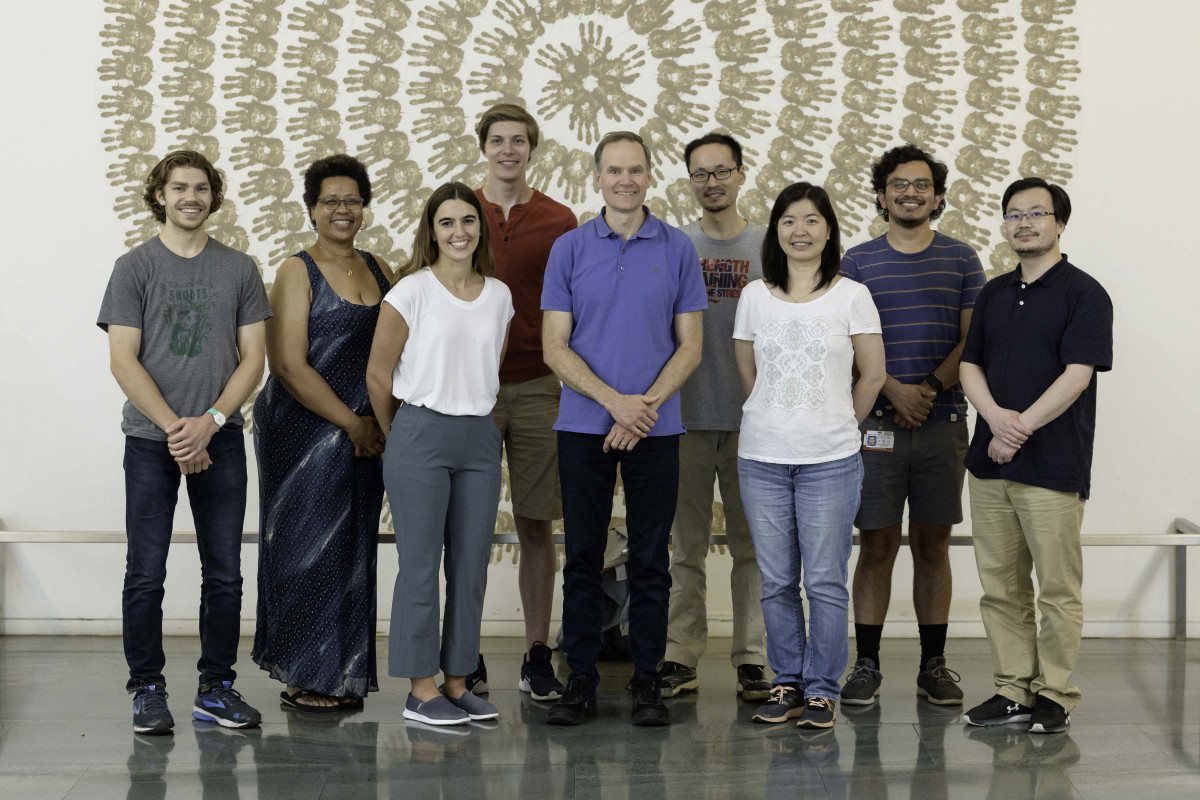
Members


Graduate Research Assistant

Member, Structural Biology Program; Director of Cryo-Electron Microscopy Innovation Laboratory (CEMIL), Chair of Oversight Committee
Research Associate

Graduate Research Assistant
Research Scholar



Postdoctoral Fellow
Undergraduate Researcher
Postdoc
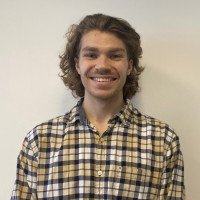
Research Technician
Research Technician

Graduate Student
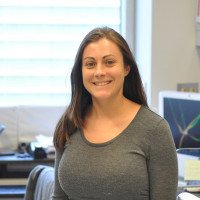
Graduate Student
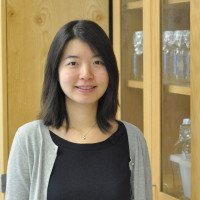
Senior Research Scientist
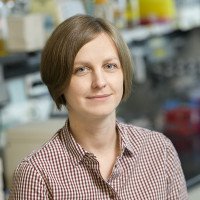
Senior Research Scientist
Research Scholar
Senior Research Scientist
Assistant Professor, University of Iowa - Molecular Physiology and Biophysics, Iowa City, IA
Research Technician

Graduate Research Assistant
Senior Research Assistant
Research Technician
Graduate Student

Graduate Research Assistant
Postdoctoral Fellow & Senior Research Scientist
Achievements
- Louise and Allston Boyer Young Investigator in Basic Research, Memorial Sloan Kettering Cancer Center (2016)
- Burroughs Wellcome Career Award in the Biomedical Sciences (2006-2014)
Related topics: