The Thomas Kelly Lab
Research

My long-term interest is to understand how the cellular genome is duplicated during the cell cycle. In the course of growth and division, eukaryotic cells duplicate their genomes with remarkable fidelity. The precision of this process depends in large measure upon stringent regulatory mechanisms that couple DNA replication to cell cycle progression. Initiation must be triggered at the appropriate time in the cell cycle at many hundreds or thousands of separate sites (origins of DNA replication) in the parental chromosomes. However, initiation must be prevented at these same sites in the newly synthesized daughter chromosomes. These controls ensure that each DNA segment in the genome is duplicated in a timely fashion exactly once each cell cycle.
Featured News
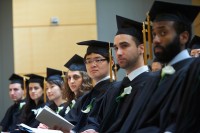

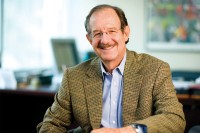
People
Thomas J. Kelly, MD, PhD
Benno C. Schmidt Chair of Cancer Research; Member, Memorial Sloan Kettering Cancer Center; Professor, Weill Graduate School of Biomedical Sciences, Cornell University
- Molecular biologist Thomas Kelly studies regulatory mechanisms that control DNA replication during the cell cycle of eukaryotic cells.
- MD, PhD, Johns Hopkins University School of Medicine
- [email protected]
- Email Address
- 212-639-8614
- Office Phone
Members


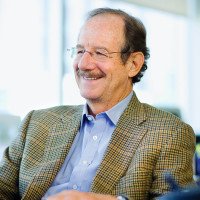
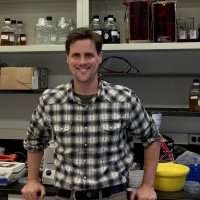

Achievements
- Former Director, Sloan Kettering Institute 2002-2013
- Doctor of Science, honoris causa, Louis V. Gerstner, Jr. Graduate School of Biomedical Sciences 2014
- Louisa Gross Horwitz Prize 2010
- Johns Hopkins Society of Scholars 2010
- Alfred P. Sloan Jr Prize, General Motors Cancer Research Foundation
- Member, Institute of Medicine 2000
- Member, American Philosophical Society 1998
- Member, National Academy of Sciences 1992
- Fellow, American Academy of Arts and Sciences 1989
- Fellow, American Association for the Advancement of Science 1986