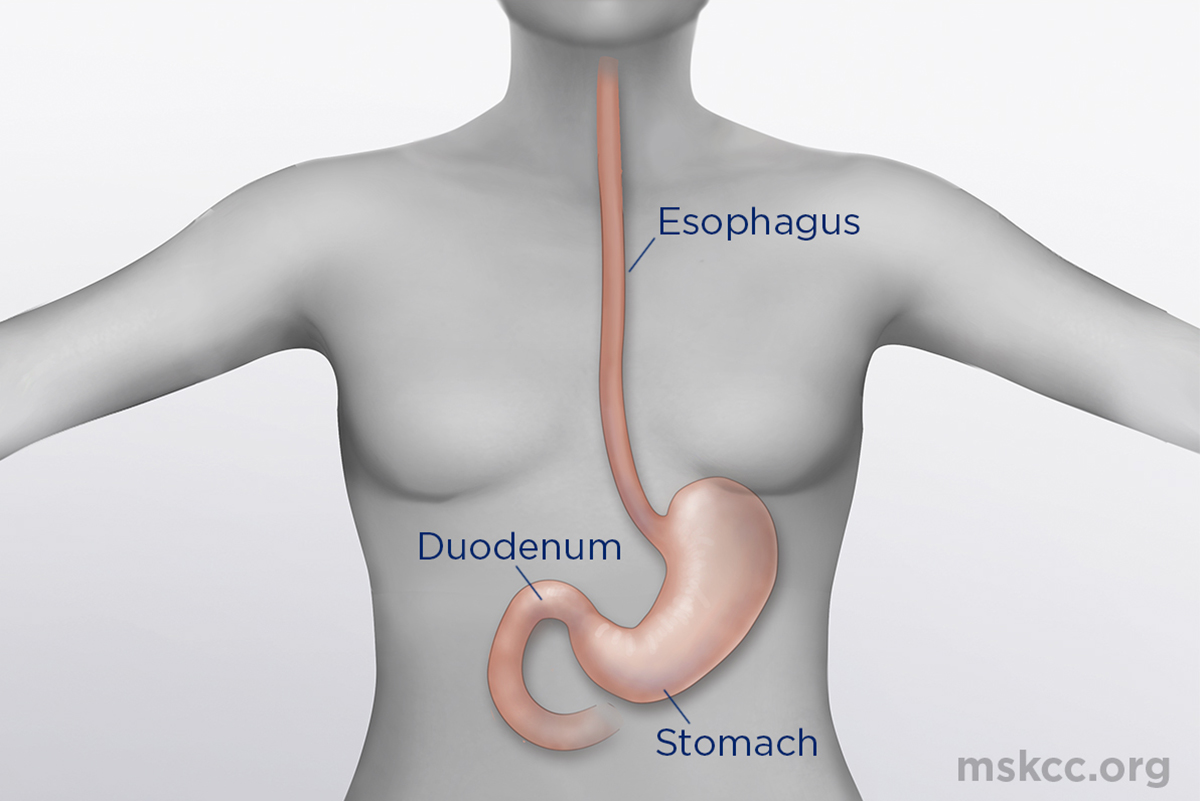
What is stomach cancer?
Stomach cancer is also known as gastric cancer. It starts when the cells in the lining of the stomach grow and divide in an abnormal and uncontrolled way. Over time, the cells form a tumor that is cancer. The tumor may stay in the stomach. It also could spread to other organs, such as the liver, lungs, or the lining of the wall of the abdomen (belly).
Early-stage stomach cancer often causes almost no symptoms. Sometimes, people have an upset stomach and general stomach discomfort. But these symptoms also are common signs of other things, such as indigestion or a stomach virus. That’s why it’s hard to diagnose stomach cancer in its earliest stages.
Later stage (stage 4) stomach cancer already has spread. Symptoms of advanced stomach cancer are easier to spot. That often leads to testing, and then to a diagnosis of stomach cancer.
There are a few things you can do to lower your risk for stomach cancer. For example, you can change your diet and lifestyle.
There are other risk factors we cannot change, including the genes you were born with.
You can learn more about the risk factors for stomach cancer and how to prevent it.
MSK diagnoses stomach cancer using many new technologies that we developed or improved. We’re always researching ways to diagnose cancer with greater accuracy, which lets us improve treatment results.
You can learn more about how MSK diagnoses cancer.
The MSK difference
Why chose MSK to diagnose and treat gastric cancer?
Memorial Sloan Kettering Cancer Center (MSK) is known for its team of gastric cancer experts. We see more people with gastric cancer than any other cancer center in the United States.
MSK’s robotic gastric cancer program does more robotic gastrectomies than any other hospital in the country. Our surgeons have done nearly 1,000 gastric cancer procedures, using the latest robotic methods.
Each year, MSK gastric cancer experts:
- Treat more than 200 people just diagnosed with gastric cancer.
- Do about 150 gastric cancer procedures.
MSK is one of the few National Cancer Institute-designated cancer centers that has a program just for upper gastrointestinal tract cancers.
Better treatment results
Our surgeons are experts in gastric cancer, so they have better treatment results with fewer complications. MSK has among the lowest mortality rates in the country. Our stomach cancer survival and cure rates are better than the nationally published averages.
MSK’s stomach cancer treatment locations in NYC and beyond
You can visit MSK stomach cancer experts closer to home, not just in Manhattan. We offer the same outstanding care from MSK doctors at our locations in:
- Manhattan
- Brooklyn: Boerum Hill and Flatbush
- Long Island: Commack and Nassau
- New Jersey: Basking Ridge, Bergen, and Monmouth
- Westchester County: West Harrison
About MSK’s guide to stomach cancer
This guide can support you and your loved ones as you learn more about this disease. We’re experts in diagnosing and treating stomach cancer, and this guide helps MSK share what we know.
We share expert information about stomach cancer symptoms and the latest treatments. We have information about stomach cancer research studies, also known as clinical trials, that you may be able to join.
Who is this stomach cancer guide for?
You’re waiting to learn if you have stomach cancer
This guide gives you information about stomach cancer so you’re better prepared. If you want to know right away if you have cancer, we have information about MSK’s rapid diagnosis program.
You want a second opinion
This guide explains new treatments. Learning about them can help you decide if you want a second opinion. MSK’s stomach cancer experts offer second opinions about both diagnosis and treatment options, no matter where you live.
You’re worried about your current treatment plan
This guide can help you learn about other stomach cancer treatment options. MSK experts only use the latest treatments for stomach cancer. Some are only offered at MSK and very few other hospitals. We have information about MSK’s stomach cancer doctors, surgeons, and other experts. You can also learn about becoming a patient at MSK.
You’re worried about your risk for stomach cancer
This guide can help you learn about your risk for cancer. We offer cancer genetic risk assessments to see if you’re at higher risk for some forms of cancer. MSK offers advanced tumor genomic tests and DNA sequencing. These tests give us important details about the kind of cancer you have. You can visit our tumor genetic testing page to learn more.
MSK also can help you learn about your risk if recent tests, such as an endoscopy, showed changes that can become cancer. If you’re at high risk, we can monitor you to watch for signs these changes are turning into stomach cancer. Learn about becoming a patient at MSK.
You’re a caregiver to someone who has cancer
This guide has information about how to support a loved one who has cancer, even if they’re not an MSK patient. At MSK, supporting caregivers is as important as caring for people with cancer.

