Human Oncology & Pathogenesis Program
The Charles Sawyers Lab
Research

Charles L. Sawyers, MD
Investigator, Howard Hughes Medical Institute; Marie-Josée and Henry R. Kravis Chair in Human Oncology and Pathogenesis; Chair, Human Oncology and Pathogenesis Program
Dr. Sawyers is an HHMI Investigator searching for molecularly targeted approaches to treat cancer. He has identified cell signaling components critical to the growth of cancer cells in chronic myeloid leukemia, prostate and other cancers, resulting in the development of multiple FDA-approved inhibitors in clinical use today.

Featured News
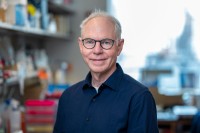
Charles L. Sawyers, MD, Investigator, Howard Hughes Medical Institute (HHMI); Marie-Josée and Henry R. Kravis Chair in Human Oncology and Pathogenesis; Chair, Human Oncology and Pathogenesis Program at Memorial Sloan Kettering Cancer Center (MSK), has been elected to the National Academy of Medicine (NAM) Council, the Academy’s governing and oversight body, for a three-year term.
Resistance to molecularly targeted therapies is often due to mutations in the drug target, but there is growing recognition of other modes of tumor esc...
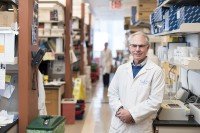
Scientists have found a protein that empowers prostate tumors to resist hormone therapy.
People
Charles L. Sawyers, MD
Investigator, Howard Hughes Medical Institute; Marie-Josée and Henry R. Kravis Chair in Human Oncology and Pathogenesis; Chair, Human Oncology and Pathogenesis Program
- Human Oncology and Pathogenesis Program Chair Charles Sawyers develops molecularly targeted cancer therapy.
- MD, Johns Hopkins University School of Medicine
- [email protected]
- Email Address
- 646-888-2138
- Office Phone
Members


Associate Member
Associate Attending

Assistant Attending

Research Fellow - HHMI

Research Scholar

Research Scholar

Research Associate

Research Technician

Research Scholar

Research Technician

Research Technician

MD-PhD Candidate

Laboratory Manager

Senior Research Scientist

Research Associate
Research Associate


Assistant Lab Member
Senior Director, Clinical Research Scientist, Eli Lilly and Company
Research Fellow
Graduate Student
Medical Oncology Fellow
Senior Research Scientist
Senior Research Scientist
Research Fellow
Senior Research Scientist
Research Technician

Associate Director, Astra Zeneca
Research Technician
MD/PhD Student
Research Lab Manager
Research Fellow

Damon Runyon Cancer Research Foundation Fellow, Howard Hughes Medical Institute
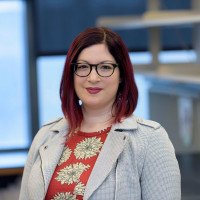
Assistant to the Chairman
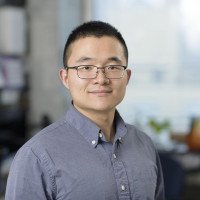
Assistant Professor at Fox Chase Cancer Center
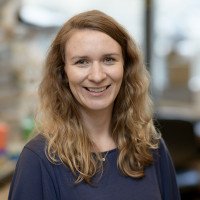
Research Fellow
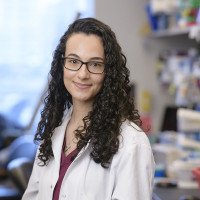
Research Technician
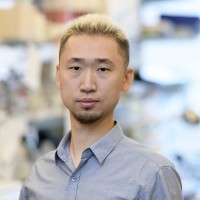
NE WGS Graduate Student
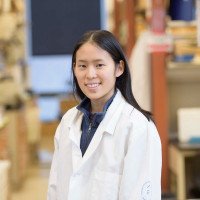
Senior Animal Husbandry Technician
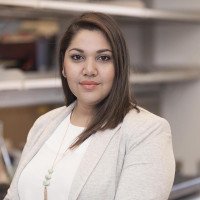
Assistant to Chairman
Fellow
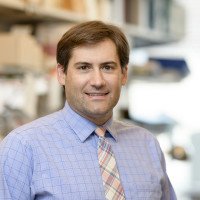
Fellow
Senior Research Technician
Research Technician
Research Technician
Research Assistant

Research Technician
Research Technician

Research Technician
Senior Research Technician
Research Fellow
Research Technician
Research Technician
Senior Research Technician
NE WGS Graduate Student
NE WGS Student
Research Associate
Research Technician
Associate Member
Senior Research Technician
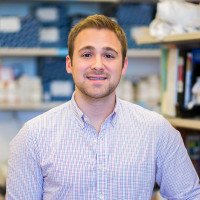
Research Technician

Assistant Attending
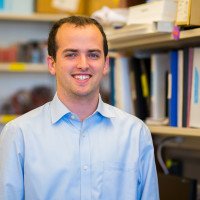
Research Fellow
Graduate Research Assistant

Senior Research Scientist

MSKCC Bridge Program Scholar
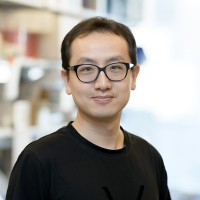
Fellow
Research Fellow
Research Technician

Assistant Professor, UT Health San Antonio, San Antonio, TX
Lab Head
Research Fellow
Research Technician
- Human Oncology & Pathogenesis Program
- Department of Medicine at MSK
- Center for Experimental Therapeutics
- Geoffrey Beene Cancer Research Center
- The Alan and Sandra Gerry Metastasis and Tumor Ecosystems Center
- Brain Tumor Center
- Center for Molecular Imaging & Bioengineering
- Gerstner Sloan Kettering Graduate School of Biomedical Sciences
Achievements
- NCI Alfred G. Knudson Award in Cancer Genetics (2020)
- STAT Biomedical Innovation Award (2019)
- AACR Princess Takamatsu Memorial Lectureship and Award (2019)
- The Scheele Award, Swedish Academy of Pharmaceutical Sciences (2017)
- American Cancer Society Medal of Honor (2017)
- BBVA Foundation Frontiers of Knowledge Award (2015)
- Breakthrough Prize in Life Sciences (2013)
- Breakthrough Prize in Life Sciences (2013)
- Science of Oncology Award, American Society of Clinical Oncology (2013)
- Stanley J. Korsmeyer Award, American Society of Clinical Investigation (2011)
- Member, National Academy of Sciences (2010)
- Lasker-DeBakey Clinical Medical Research Award (2009)
- Lasker~DeBakey Clinical Medical Research Award, Lasker Foundation (2009)
- Dorothy Landon-AACR Prize for Translational Cancer Research, American Association for Cancer Research (2009)
- Member, Institute of Medicine of the National Academies (2008)
- David A. Karnofsky Memorial Award, American Society of Clinical Oncology (2005)
Related topics: