Health Care Professional Information
Common Name
Active Hexose Correlated Compound
Clinical Summary
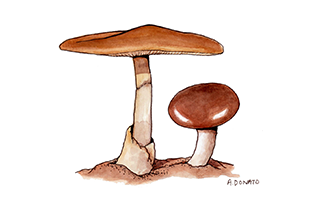
A proprietary extract prepared from co-cultured mycelia of several species of Basidiomycete mushrooms, including shiitake (Lentinus edodes), active hexose correlated compound (AHCC) is extracted from mushrooms using hot water following an enzyme pretreatment, but the specific mushroom source and procedural details have not been fully disclosed. Patients use AHCC to prevent and treat cancer. Animal studies suggest that AHCC has antioxidant effects and may protect against disorders induced by oxidative stress (1) and also enhance resistance against bacterial (2) (3) and viral infections (4). A study of healthy subjects aged 50 years and older suggests that AHCC improves T-cell immune responses via increased production of interferon-l and tumor necrosis factor-alpha for up to 30 days after treatment (5). In healthy humans, AHCC increased dendritic cell number and function (6).
In vitro and animal studies show that AHCC exhibits some anticancer activities (7) (8). In cisplatin-treated mice, AHCC increased its anti-tumor effects while reducing side effects (9) (3).
A prospective cohort study suggested that AHCC improves prognosis after curative resection of hepatocellular carcinoma (HCC) (10). However, an open-label multicenter study of patients with early stage prostate cancer found that AHCC was ineffective in reducing patient prostrate-specific antigen levels by 50% or more (11). More studies are needed.
Purported Uses
- Cancer prevention
- Cancer treatment
Constituents
- Polysaccharides
- Amino Acids
- Minerals
(2)
Mechanism of Action
AHCC glucans are low molecular weight (~5 KDa) polysaccharides with alpha-1,3 linkages. Both properties are unusual for this class of mushroom glucans with reported immunomodulatory properties (7) although the mechanism of action is not completely known. AHCC has been shown to enhance natural killer (NK) cell activity in vitro, induces endogenous IL-12 in mice (8), and improves murine response to influenza infection (15). One animal study suggested that AHCC has antioxidant effects and may protect against disorders induced by oxidative stress (1). Other animal studies have shown AHCC to enhance resistance to bacterial infection (3) by increasing inflammatory cytokine and chemokine expression as well as lymphocytes (13). AHCC can enhance murine resistance to West Nile virus by improving T-cell response (16). In chemotherapy-induced granulocytopenic mice, AHCC improved immune response to Candida albicans (2). AHCC also alleviated the side effects induced by several anticancer drugs in rodents but the molecular mechanism for this activity needs to be defined (17) (18). In healthy adults aged 50 years or more, AHCC enhanced CD4(+) and CD8(+) T cell immune responses (19). In patients with hepatocellular carcinoma (HCC) and cirrhosis, AHCC has shown beneficial effects on liver function (10) possibly by regulating nitric oxide (NO) production (14).
Herb-Drug Interactions
Cytochrome P450 substrates: AHCC induces CYP450 2D6, which may decrease the activity of drugs, such as doxorubicin or ondansetron, which are substrates of this enzyme (12).
Literature Summary and Critique
Matsui Y, et al. Improved prognosis of postoperative hepatocellular carcinoma patients when treated with functional foods: A prospective cohort study. J Hepatol 2002;37:78-86.
This is a prospective cohort study to determine whether AHCC improves the prognosis of hepatocellular carcinoma (HCC) patients following surgical treatment. 269 patients with histologically confirmed HCC were studied from February 1992 through December 2001. After undergoing curative surgery, some of the patients received 3.0 g/day oral AHCC. Participants were not randomized, nor were placebos administered. Results showed statistically significant lengthening of time to recurrence and overall survival rate when compared with those who did not take AHCC. Three participants in the AHCC group did not complete the trial due to nausea, but overall side effects were minimal. While the study implies a benefit for post-surgical HCC treatment, the lack of randomization and placebo control tempers that result.
Sumiyoshi, Y, et al. Dietary administration of mushroom mycelium extracts in patients with early stage prostate cancers managed expectantly: A phase II study. Jpn J Clin Oncol. 2010 Oct;40(10):967-72.
In an open label, multicenter clinical trial, 4.5 grams AHCC was taken daily for 6 months by 74 patients with early prostate cancer. The primary endpoint for this study was a reduction of prostrate-specific antigen (PSA) by at least 50%. Only 1 of 74 patients (1.4%) achieved a 50% or more reduction PSA value. However, severe anxiety observed in two groups of patients was found to significantly improve (n = 19, p < 0.0018, n = 15, p < 0.0099). Grade 2 diarrhea and Grade 1 itching was observed in one patient. The study concluded that AHCC was ineffective in achieving a 50% reduction in PSA values.
Dosage (Inside MSKCC Only)
This field is only visible to only Inside MSKCC users.
References
- Ye SF, Ichimura K, Wakame K, Ohe M. Suppressive effects of Active Hexose Correlated Compound on the increased activity of hepatic and renal ornithine decarboxylase induced by oxidative stress. Life Sci. Dec 19 2003;74(5):593-602.
- Ikeda T, Ishibashi H, Fujisaki R, et al. Prophylactic efficacy of a basidiomycetes preparation AHCC against lethal Candida albicans infection in experimental granulocytopenic mice. Nippon Ishinkin Gakkai Zasshi. 2003;44(2):127-131.
- Aviles H, Belay T, Fountain K, Vance M, Sun B, Sonnenfeld G. Active hexose correlated compound enhances resistance to Klebsiella pneumoniae infection in mice in the hind limb-unloading model of spaceflight conditions. J Appl Physiol. Aug 2003;95(2):491-496.
- Wang S, Welte T, Fang H, et al. Oral Administration of Active Hexose Correlated Compound Enhances Host Resistance to West Nile Encephalitis in Mice. J Nutr. Jan 13 2009.
- Yin Z, Fujii H, Waishe T. Effects of active hexose correlated compound on frequency of CD4+ and CD8+ T cells producing interferon-ã and/or tumor necrosis factor-á in healthy adults. Hum Immunol. 2010 Dec;71(12):1187-90.
- Terakawa N, Matsui Y, Satoi S, et al. Immunological effect of active hexose correlated compound (AHCC) in healthy volunteers: a double-blind, placebo-controlled trial. Nutr Cancer. 2008;60(5):643-651.
- Kidd PM. The use of mushroom glucans and proteoglycans in cancer treatment. Altern Med Rev. Feb 2000;5(1):4-27.
- Yagita A, Maruyama S, Wakasugi S, Sukegawa Y. H-2 haplotype-dependent serum IL-12 production in tumor-bearing mice treated with various mycelial extracts. In Vivo. Jan-Feb 2002;16(1):49-54.
- Hirose A, Sato E, Fujii H, Sun B, Nishioka H, Aruoma OI. The influence of active hexose correlated compound (AHCC) on cisplatin-evoked chemotherapeutic and side effects in tumor-bearing mice. Toxicol Appl Pharmacol. Jul 15 2007;222(2):152-158.
- Matsui Y, Uhara J, Satoi S, et al. Improved prognosis of postoperative hepatocellular carcinoma patients when treated with functional foods: a prospective cohort study. J Hepatol. Jul 2002;37(1):78-86.
- Sumiyoshi Y, Hashine K, Kakehi Y, et al. Dietary administration of mushroom mycelium extracts in patients with early stage prostate cancers managed expectantly: a phase II study. Jpn J Clin Oncol. 2010 Oct;40(10):967-72.
- Mach CM, Fugii H, Wakame K, Smith J. Evaluation of active hexose correlated compound hepatic metabolism and potential for drug interactions with chemotherapy agents. J Soc Integr Oncol. Summer 2008;6(3):105-109.
- Aviles H, O'Donnell P, Orshal J, Fujii H, Sun B, Sonnenfeld G. Active hexose correlated compound activates immune function to decrease bacterial load in a murine model of intramuscular infection. Am J Surg. Apr 2008;195(4):537-545.
- Matsui K, Kawaguchi Y, Ozaki T, et al. Effect of active hexose correlated compound on the production of nitric oxide in hepatocytes. JPEN J Parenter Enteral Nutr. Sep-Oct 2007;31(5):373-380; discussion 380-371.
- Nogusa S, Gerbino J, Ritz BW. Low-dose supplementation with active hexose correlated compound improves the immune response to acute influenza infection in C57BL/6 mice. Nutr Res. 2009;29(2):139-43.
- Wang S, Welte T, Fang H, et al. Oral administration of active hexose correlated compound enhances host resistance to West Nile encephalitis in mice. J Nutr. 2009;139(3):598-602.
- Shigama K, Nakaya A, Wakame K, Nishioka H, Fujii H. Alleviating effect of active hexose correlated compound (AHCC) for anticancer drug-induced side effects in non-tumor-bearing mice. J Exp Ther Oncol. 2009;8(1):43-51.
- Sun B, Wakame K, Sato E, Nishioka H, Aruoma OI, Fujii H. The effect of active hexose correlated compound in modulating cytosine arabinoside-induced hair loss, and 6-mercaptopurine- and methotrexate-induced liver injury in rodents. Cancer Epidemiol. 2009;33(3-4):293-9.
- Yin Z, Fujii H, Walshe T. Effects of active hexose correlated compound on frequency of CD4+ and CD8+ T cells producing interferon-γ and/or tumor necrosis factor-α in healthy adults. Hum Immunol. 2010;71(12):1187-90.
Consumer Information
How It Works
Bottom Line: Not enough research has been done with AHCC in humans to tell whether it works.
Active hexose correlated compound (AHCC) is an extract of mushrooms from the Basidiomycete class, including shiitake mushrooms. This product contains polysaccharides called glucans, which scientists think are responsible for its biological activity. Not much laboratory research has been performed on AHCC, although one study showed that it could enhance the activity of natural killer cells (a type of immune cell) in the test tube. Animal studies suggest that AHCC has antioxidant effects and can improve the response of the immune system in mice with chemotherapy-weakened immune systems. In humans, AHCC has been shown to improve liver function in patients with hepatocellular carcinoma and cirrhosis and reduce the levels of certain tumor markers in the blood.
Purported Uses
To prevent and treat cancer
Laboratory studies show some anti-cancer activity, but these results are not especially strong. One human study supported the use of AHCC in patients undergoing surgical resection of hepatocellular carcinoma, but this study had design flaws and much more research is needed.
Another study found AHCC to be an ineffective treatment for early stage prostate cancer.
Research Evidence
Hepatocellular carcinoma (liver cancer):
One study has looked at the effects of AHCC in humans. One hundred and thirteen patients with hepatocellular carcinoma (liver cancer), after undergoing surgical tumor resection, were treated with AHCC. When the disease-free period and overall survival rate of this group were compared to that of a similar group of patients who had not received AHCC, it was found that the AHCC group fared better. While this suggests that AHCC can improve the prognosis of patients undergoing surgery for liver cancer, this study had certain design flaws, including lack of placebo control group and random assignment of patients, and further clinical trials are needed.
Prostate cancer:
A study of patients with early prostate cancer found that AHCC failed to significantly reduce prostate specific antigen (PSA) levels. However, severe anxiety observed in some of the patients was found to improve.
Do Not Take If
- You are taking drugs that are substrates of Cytochrome P450 2D6 (AHCC can decrease the effects of such drugs).
Side Effects
- Diarrhea and itching have been reported in patients following administration of AHCC.
Last updated: June 14, 2012
administration (ad-MIH-nih-STRAY-shun)
In medicine, the act of giving a treatment, such as a drug, to a patient. It can also refer to the way it is given, the dose, or how often it is given.
Source: The National Cancer Institute's Dictionary of Cancer Terms
(http://www.cancer.gov/dictionary)
animal study (A-nih-mul STUH-dee)
A laboratory experiment using animals to study the development and progression of diseases. Animal studies also test how safe and effective new treatments are before they are tested in people.
Source: The National Cancer Institute's Dictionary of Cancer Terms
(http://www.cancer.gov/dictionary)
antigen (AN-tih-jen)
Any substance that causes the body to make a specific immune response.
Source: The National Cancer Institute's Dictionary of Cancer Terms
(http://www.cancer.gov/dictionary)
antioxidant (AN-tee-OK-sih-dent)
A substance that protects cells from the damage caused by free radicals (unstable molecules made by the process of oxidation during normal metabolism). Free radicals may play a part in cancer, heart disease, stroke, and other diseases of aging. Antioxidants include beta-carotene, lycopene, vitamins A, C, and E, and other natural and manufactured substances.
Source: The National Cancer Institute's Dictionary of Cancer Terms
(http://www.cancer.gov/dictionary)
anxiety (ang-ZY-eh-tee)
Feelings of fear, dread, and uneasiness that may occur as a reaction to stress. A person with anxiety may sweat, feel restless and tense, and have a rapid heart beat. Extreme anxiety that happens often over time may be a sign of an anxiety disorder.
Source: The National Cancer Institute's Dictionary of Cancer Terms
(http://www.cancer.gov/dictionary)
biological (BY-oh-LAH-jih-kul)
Pertaining to biology or to life and living things. In medicine, refers to a substance made from a living organism or its products. Biologicals may be used to prevent, diagnose, treat or relieve of symptoms of a disease. For example, antibodies, interleukins, and vaccines are biologicals. Biological also refers to parents and children who are related by blood.
Source: The National Cancer Institute's Dictionary of Cancer Terms
(http://www.cancer.gov/dictionary)
blood (blud)
A tissue with red blood cells, white blood cells, platelets, and other substances suspended in fluid called plasma. Blood takes oxygen and nutrients to the tissues, and carries away wastes.
Source: The National Cancer Institute's Dictionary of Cancer Terms
(http://www.cancer.gov/dictionary)
cancer (KAN-ser)
A term for diseases in which abnormal cells divide without control and can invade nearby tissues. Cancer cells can also spread to other parts of the body through the blood and lymph systems. There are several main types of cancer. Carcinoma is a cancer that begins in the skin or in tissues that line or cover internal organs. Sarcoma is a cancer that begins in bone, cartilage, fat, muscle, blood vessels, or other connective or supportive tissue. Leukemia is a cancer that starts in blood-forming tissue such as the bone marrow, and causes large numbers of abnormal blood cells to be produced and enter the blood. Lymphoma and multiple myeloma are cancers that begin in the cells of the immune system. Central nervous system cancers are cancers that begin in the tissues of the brain and spinal cord. Also called malignancy.
Source: The National Cancer Institute's Dictionary of Cancer Terms
(http://www.cancer.gov/dictionary)
carcinoma (KAR-sih-NOH-muh)
Cancer that begins in the skin or in tissues that line or cover internal organs.
Source: The National Cancer Institute's Dictionary of Cancer Terms
(http://www.cancer.gov/dictionary)
cell (sel)
The individual unit that makes up the tissues of the body. All living things are made up of one or more cells.
Source: The National Cancer Institute's Dictionary of Cancer Terms
(http://www.cancer.gov/dictionary)
cirrhosis (seh-ROH-sis)
A type of chronic, progressive liver disease in which liver cells are replaced by scar tissue.
Source: The National Cancer Institute's Dictionary of Cancer Terms
(http://www.cancer.gov/dictionary)
clinical (KLIH-nih-kul)
Having to do with the examination and treatment of patients.
Source: The National Cancer Institute's Dictionary of Cancer Terms
(http://www.cancer.gov/dictionary)
cohort (KOH-hort)
A group of individuals who share a common trait, such as birth year. In medicine, a cohort is a group that is part of a clinical trial or study and is observed over a period of time.
Source: The National Cancer Institute's Dictionary of Cancer Terms
(http://www.cancer.gov/dictionary)
cohort study (KOH-hort STUH-dee)
A research study that compares a particular outcome (such as lung cancer) in groups of individuals who are alike in many ways but differ by a certain characteristic (for example, female nurses who smoke compared with those who do not smoke).
Source: The National Cancer Institute's Dictionary of Cancer Terms
(http://www.cancer.gov/dictionary)
compound (KOM-pownd)
In science, a substance that is made up of more than one ingredient.
Source: The National Cancer Institute's Dictionary of Cancer Terms
(http://www.cancer.gov/dictionary)
control group (kun-TROLE groop)
In a clinical trial, the group that does not receive the new treatment being studied. This group is compared to the group that receives the new treatment, to see if the new treatment works.
Source: The National Cancer Institute's Dictionary of Cancer Terms
(http://www.cancer.gov/dictionary)
curative surgery (KYOOR-uh-tiv SER-juh-ree)
An operation to remove cancerous tissue. Part or all of the organ or tissue in which the cancer started and a small amount of healthy tissue around the cancer is removed. Nearby lymph nodes may also be removed. Curative surgery may be used as primary therapy for localized cancer and is often followed by chemotherapy or radiation therapy to kill any cancer cells that remain.
Source: The National Cancer Institute's Dictionary of Cancer Terms
(http://www.cancer.gov/dictionary)
cytokine (SY-toh-kine)
A substance that is made by cells of the immune system. Some cytokines can boost the immune response and others can suppress it. Cytokines can also be made in the laboratory by recombinant DNA technology and used in the treatment of various diseases, including cancer.
Source: The National Cancer Institute's Dictionary of Cancer Terms
(http://www.cancer.gov/dictionary)
diarrhea (dy-uh-REE-uh)
Frequent and watery bowel movements.
Source: The National Cancer Institute's Dictionary of Cancer Terms
(http://www.cancer.gov/dictionary)
endogenous (en-DAH-jeh-nus)
Produced inside an organism or cell. The opposite is external (exogenous) production.
Source: The National Cancer Institute's Dictionary of Cancer Terms
(http://www.cancer.gov/dictionary)
endpoint (end-point)
In clinical trials, an event or outcome that can be measured objectively to determine whether the intervention being studied is beneficial. The endpoints of a clinical trial are usually included in the study objectives. Some examples of endpoints are survival, improvements in quality of life, relief of symptoms, and disappearance of the tumor.
Source: The National Cancer Institute's Dictionary of Cancer Terms
(http://www.cancer.gov/dictionary)
enzyme (EN-zime)
A protein that speeds up chemical reactions in the body.
Source: The National Cancer Institute's Dictionary of Cancer Terms
(http://www.cancer.gov/dictionary)
grade (grayd)
A description of a tumor based on how abnormal the cancer cells look under a microscope and how quickly the tumor is likely to grow and spread. Grading systems are different for each type of cancer.
Source: The National Cancer Institute's Dictionary of Cancer Terms
(http://www.cancer.gov/dictionary)
hepatocellular carcinoma (heh-PA-toh-SEL-yoo-ler KAR-sih-NOH-muh)
A type of adenocarcinoma and the most common type of liver tumor.
Source: The National Cancer Institute's Dictionary of Cancer Terms
(http://www.cancer.gov/dictionary)
IL-12
One of a group of related proteins made by leukocytes (white blood cells) and other cells in the body. IL-12 is made mainly by B lymphocytes and macrophages. It causes other immune cells to make cytokines and increases the growth of T lymphocytes. It may also block the growth of new blood vessels. IL-12 made in the laboratory is used as a biological response modifier to boost the immune system in cancer therapy. IL-12 is a type of cytokine. Also called interleukin-12.
Source: The National Cancer Institute's Dictionary of Cancer Terms
(http://www.cancer.gov/dictionary)
immune response (ih-MYOON reh-SPONTS)
The activity of the immune system against foreign substances (antigens).
Source: The National Cancer Institute's Dictionary of Cancer Terms
(http://www.cancer.gov/dictionary)
immune system (ih-MYOON SIS-tem)
The complex group of organs and cells that defends the body against infections and other diseases.
Source: The National Cancer Institute's Dictionary of Cancer Terms
(http://www.cancer.gov/dictionary)
in vitro (in VEE-troh)
In the laboratory (outside the body). The opposite of in vivo (in the body).
Source: The National Cancer Institute's Dictionary of Cancer Terms
(http://www.cancer.gov/dictionary)
infection (in-FEK-shun)
Invasion and multiplication of germs in the body. Infections can occur in any part of the body and can spread throughout the body. The germs may be bacteria, viruses, yeast, or fungi. They can cause a fever and other problems, depending on where the infection occurs. When the body’s natural defense system is strong, it can often fight the germs and prevent infection. Some cancer treatments can weaken the natural defense system.
Source: The National Cancer Institute's Dictionary of Cancer Terms
(http://www.cancer.gov/dictionary)
inflammatory (in-FLA-muh-TOR-ee)
Having to do with inflammation (redness, swelling, pain, and a feeling of heat that helps protect tissues affected by injury or disease).
Source: The National Cancer Institute's Dictionary of Cancer Terms
(http://www.cancer.gov/dictionary)
liver (LIH-ver)
A large organ located in the upper abdomen. The liver cleanses the blood and aids in digestion by secreting bile.
Source: The National Cancer Institute's Dictionary of Cancer Terms
(http://www.cancer.gov/dictionary)
liver cancer (LIH-ver KAN-ser)
Primary liver cancer is cancer that forms in the tissues of the liver. Secondary liver cancer is cancer that spreads to the liver from another part of the body.
Source: The National Cancer Institute's Dictionary of Cancer Terms
(http://www.cancer.gov/dictionary)
M
In chemistry, M is the amount of a substance that has 6.023 x 10(23) atoms or molecules of that substance. Also called mole (chemical).
Source: The National Cancer Institute's Dictionary of Cancer Terms
(http://www.cancer.gov/dictionary)
multicenter study (MUL-tee-SEN-ter STUH-dee)
A clinical trial that is carried out at more than one medical institution.
Source: The National Cancer Institute's Dictionary of Cancer Terms
(http://www.cancer.gov/dictionary)
nausea (NAW-zee-uh)
A feeling of sickness or discomfort in the stomach that may come with an urge to vomit. Nausea is a side effect of some types of cancer therapy.
Source: The National Cancer Institute's Dictionary of Cancer Terms
(http://www.cancer.gov/dictionary)
necrosis (neh-KROH-sis)
Refers to the death of living tissues.
Source: The National Cancer Institute's Dictionary of Cancer Terms
(http://www.cancer.gov/dictionary)
oral (OR-ul)
By or having to do with the mouth.
Source: The National Cancer Institute's Dictionary of Cancer Terms
(http://www.cancer.gov/dictionary)
overall survival rate (... ser-VY-vul ...)
The percentage of people in a study or treatment group who are alive for a certain period of time after they were diagnosed with or treated for a disease, such as cancer. The overall survival rate is often stated as a five-year survival rate, which is the percentage of people in a study or treatment group who are alive five years after diagnosis or treatment. Also called survival rate.
Source: The National Cancer Institute's Dictionary of Cancer Terms
(http://www.cancer.gov/dictionary)
oxidative stress (OK-sih-DAY-tiv ...)
A condition in which antioxidant levels are lower than normal. Antioxidant levels are usually measured in blood plasma.
Source: The National Cancer Institute's Dictionary of Cancer Terms
(http://www.cancer.gov/dictionary)
oxide (OK-side)
A type of chemical substance that is a combination of oxygen and another substance. Oxides are found in essential oils.
Source: The National Cancer Institute's Dictionary of Cancer Terms
(http://www.cancer.gov/dictionary)
placebo (pluh-SEE-boh)
An inactive substance or treatment that looks the same as, and is given the same way as, an active drug or treatment being tested. The effects of the active drug or treatment are compared to the effects of the placebo.
Source: The National Cancer Institute's Dictionary of Cancer Terms
(http://www.cancer.gov/dictionary)
prognosis (prog-NO-sis)
The likely outcome or course of a disease; the chance of recovery or recurrence.
Source: The National Cancer Institute's Dictionary of Cancer Terms
(http://www.cancer.gov/dictionary)
prospective (pruh-SPEK-tiv)
In medicine, a study or clinical trial in which participants are identified and then followed forward in time.
Source: The National Cancer Institute's Dictionary of Cancer Terms
(http://www.cancer.gov/dictionary)
prostate (PROS-tayt)
A gland in the male reproductive system. The prostate surrounds the part of the urethra (the tube that empties the bladder) just below the bladder, and produces a fluid that forms part of the semen.
Source: The National Cancer Institute's Dictionary of Cancer Terms
(http://www.cancer.gov/dictionary)
prostate cancer (PROS-tayt KAN-ser)
Cancer that forms in tissues of the prostate (a gland in the male reproductive system found below the bladder and in front of the rectum). Prostate cancer usually occurs in older men.
Source: The National Cancer Institute's Dictionary of Cancer Terms
(http://www.cancer.gov/dictionary)
PSA
A protein made by the prostate gland and found in the blood. PSA blood levels may be higher than normal in men who have prostate cancer, benign prostatic hyperplasia (BPH), or infection or inflammation of the prostate gland. Also called prostate-specific antigen.
Source: The National Cancer Institute's Dictionary of Cancer Terms
(http://www.cancer.gov/dictionary)
randomization (RAN-duh-mih-ZAY-shun)
When referring to an experiment or clinical trial, the process by which animal or human subjects are assigned by chance to separate groups that compare different treatments or other interventions. Randomization gives each participant an equal chance of being assigned to any of the groups.
Source: The National Cancer Institute's Dictionary of Cancer Terms
(http://www.cancer.gov/dictionary)
randomized
Describes an experiment or clinical trial in which animal or human subjects are assigned by chance to separate groups that compare different treatments.
Source: The National Cancer Institute's Dictionary of Cancer Terms
(http://www.cancer.gov/dictionary)
recurrence (ree-KER-ents)
Cancer that has recurred (come back), usually after a period of time during which the cancer could not be detected. The cancer may come back to the same place as the original (primary) tumor or to another place in the body. Also called recurrent cancer.
Source: The National Cancer Institute's Dictionary of Cancer Terms
(http://www.cancer.gov/dictionary)
reduction (ree-DUK-shun)
A chemical reaction that takes place when a substance comes into contact with hydrogen or another reducing substance.
Source: The National Cancer Institute's Dictionary of Cancer Terms
(http://www.cancer.gov/dictionary)
resection (ree-SEK-shun)
Surgery to remove tissue or part or all of an organ.
Source: The National Cancer Institute's Dictionary of Cancer Terms
(http://www.cancer.gov/dictionary)
resistance
Failure of a cancer to shrink after treatment.
Source: The National Cancer Institute's Dictionary of Cancer Terms
(http://www.cancer.gov/dictionary)
response (reh-SPONTS)
In medicine, an improvement related to treatment.
Source: The National Cancer Institute's Dictionary of Cancer Terms
(http://www.cancer.gov/dictionary)
significant (sig-NIH-fih-kunt)
In statistics, describes a mathematical measure of difference between groups. The difference is said to be significant if it is greater than what might be expected to happen by chance alone. Also called statistically significant.
Source: The National Cancer Institute's Dictionary of Cancer Terms
(http://www.cancer.gov/dictionary)
stage (stayj)
The extent of a cancer in the body. Staging is usually based on the size of the tumor, whether lymph nodes contain cancer, and whether the cancer has spread from the original site to other parts of the body.
Source: The National Cancer Institute's Dictionary of Cancer Terms
(http://www.cancer.gov/dictionary)
stress (stres)
The response of the body to physical, mental, or emotional pressure. This may make a person feel frustrated, angry, or anxious, and may cause unhealthy chemical changes in the body. Untreated, long-term stress may lead to many types of mental and physical health problems.
Source: The National Cancer Institute's Dictionary of Cancer Terms
(http://www.cancer.gov/dictionary)
surgery (SER-juh-ree)
A procedure to remove or repair a part of the body or to find out whether disease is present. An operation.
Source: The National Cancer Institute's Dictionary of Cancer Terms
(http://www.cancer.gov/dictionary)
survival rate (ser-VY-vul ...)
The percentage of people in a study or treatment group who are alive for a certain period of time after they were diagnosed with or treated for a disease, such as cancer. The survival rate is often stated as a five-year survival rate, which is the percentage of people in a study or treatment group who are alive five years after diagnosis or treatment. Also called overall survival rate.
Source: The National Cancer Institute's Dictionary of Cancer Terms
(http://www.cancer.gov/dictionary)
T cell (... sel)
A type of immune cell that can attack foreign cells, cancer cells, and cells infected with a virus. T cells can also help control immune responses. A T cell is a type of white blood cell. Also called T lymphocyte and thymocyte.
Source: The National Cancer Institute's Dictionary of Cancer Terms
(http://www.cancer.gov/dictionary)
tumor (TOO-mer)
An abnormal mass of tissue that results when cells divide more than they should or do not die when they should. Tumors may be benign (not cancer), or malignant (cancer). Also called neoplasm.
Source: The National Cancer Institute's Dictionary of Cancer Terms
(http://www.cancer.gov/dictionary)
viral (VY-rul)
Having to do with a virus.
Source: The National Cancer Institute's Dictionary of Cancer Terms
(http://www.cancer.gov/dictionary)
virus (VY-rus)
In medicine, a very simple microorganism that infects cells and may cause disease. Because viruses can multiply only inside infected cells, they are not considered to be alive.
Source: The National Cancer Institute's Dictionary of Cancer Terms
(http://www.cancer.gov/dictionary)