Common Names
- DIM
For Patients & Caregivers
Tell your healthcare providers about any dietary supplements you’re taking, such as herbs, vitamins, minerals, and natural or home remedies. This will help them manage your care and keep you safe.
Lab studies suggest diindolylmethane (DIM) has anticancer effects, but clinical data are limited.
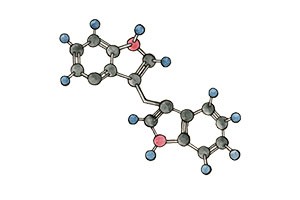
Diindolylmethane is a compound found in cruciferous vegetables including broccoli, cabbage, and cauliflower. Laboratory studies suggest anti-inflammatory and anticancer effects, but data in humans are quite limited. A few clinical studies suggest DIM may benefit patients with castration-resistant prostate cancer or help reverse abnormal cervical changes in cells. However, more studies are needed to determine safety and effectiveness, as DIM may affect the levels of certain hormones in the body.
-
Cancer prevention
Preliminary studies suggest that DIM may benefit patients with castration-resistant prostate cancer and help reverse cervical intraepithelial neoplasia, but additional studies are needed. -
Estrogen metabolism
DIM supplementation resulted in changes in estrogen urinary metabolites in post menopausal women with a history of early stage breast cancer. -
Detoxification
There is no scientific evidence to back this claim.
Case reports
Visual impairment: Occurred in a healthy female patient after excessive daily intake of DIM for 2 months. Symptoms resolved 8 weeks after discontinuing use of DIM.
Rash: Along with an increased white blood cell count following use of DIM.
Patient Warnings:
Because of potential hormonal effects, women who are pregnant, planning to get pregnant, or nursing should not take DIM. Women who use birth control pills should consult with a healthcare professional before taking this product.
Do Not Take if:
- You are pregnant, planning to get pregnant, nursing or use birth control pills: DIM may have hormone modulation effects.
- You are taking CYP450 substrate drugs: DIM may make them less effective.
- You are taking MDR1 substrate drugs: DIM may reduce their effectiveness.
Special Point:
Both DIM and I3C may alter estrogen urinary metabolite profiles in women. However, their effects on breast cancer risk are unknown.
For Healthcare Professionals
Diindolylmethane (DIM) is a metabolite of Indole-3-carbinol (I3C), a compound found in cruciferous vegetables including broccoli, cabbage, and cauliflower. It is the most studied of all I3C metabolites and is thought to be superior to IC3 as a chemoprotective against breast and prostate cancers (3).
Preclinical studies suggest DIM has anti-inflammatory (16) (17), antiproliferative (16) and chemopreventive (18) effects and may also help increase bone mass (19).
Limited human data indicate daily supplementation with DIM may benefit patients with castration-resistant prostate cancer by inhibiting the androgen receptor (20), but studies are mixed on whether it exerts positive effects in women with cervical cell abnormalities (13) (21). Small studies suggest DIM may lead to changes in estrogen metabolism in premenopausal (26), and postmenopausal women with a history of early stage breast cancer (4). In an RCT of estrogen receptor-positive breast cancer patients taking tamoxifen, daily DIM promoted an increase in the metabolite ratio of 2-hydroxyestrone (2-OHE1, anti-tumorigenic) to 16α-hydroxyestrone (16α-OHE1, pro-tumorigenic) (25). However, this increase was coupled with a reduction in metabolites from tamoxifen. More research is needed to elucidate the pharmacokinetics and clinical efficacy of tamoxifen when taken with DIM.
Vegetables including broccoli, Brussels sprouts, cauliflower and cabbage (1)
- Cancer
- Estrogen metabolism
- Detoxification
In preclinical models, DIM induced apoptosis in pancreatic cancer cells (6) and enhanced effects of erlotinib (7). In colon cancer and prostate cancer cells, DIM inhibited CDK activities (8) (9) and induced apoptosis by downregulating survivin (10) (11).
Following oral supplementation for one week, mono- and dihydroxylated metabolites as well as their sulfate and glucuronide conjugates were found in human plasma and urine within 10-12 hours (27). DIM supplementation altered estrogen urinary metabolite profiles in women (4) and had androgen-antagonistic effects (14). It also inhibited prostate cancer cell proliferation and induced apoptosis through Akt activation, NF-KB DNA binding, and androgen receptor phosphorylation (15).
Because of DIM’s potential hormonal effects, women who are pregnant, planning to get pregnant, or nursing should not take it. Women who use birth control pills should consult with a healthcare professional before taking this product.
Case reports
Visual impairment: Central serous chorioretinopathy, an idiopathic disease, in a healthy female patient after excessive daily intake of DIM for 2 months. Symptoms resolved 8 weeks after discontinuing use of DIM (22).
Rash: With eosinophilia and systemic symptoms following use of DIM (23).
Ischemic Stroke: Associated with DIM supplement use in a 38-year-old woman (28).
Pulmonary embolism and deep vein thrombosis: Associated with DIM supplement use in a 65-year-old man (29).
Tamoxifen: DIM modulates Phase I metabolism through several CYP isoenzymes, resulting in favorable estrogen metabolism and sex hormone-binding globulin (SHBG) levels. However, one clinical study showed a significant decrease in serum endoxifen, without adversely affecting breast density or SHBG (24). Endoxifen is an active metabolite of tamoxifen during Phase I metabolism, and exhibits higher affinity for ER.
DIM supplementation has been shown to alter estrogen urinary metabolites in women (4).