Common Names
- Germanium dioxide
- Germanium-lactate-citrate
- Spirogermanium
- Germanium Sesquioxide
For Patients & Caregivers
Tell your healthcare providers about any dietary supplements you’re taking, such as herbs, vitamins, minerals, and natural or home remedies. This will help them manage your care and keep you safe.
Germanium preparations should not be used even at low doses, as it can cause severe side effects and even death.
Germanium is a naturally occurring element. Trace amounts can be found in foods such as shiitake mushrooms, garlic, tuna, and tomato juice. However, it is not an essential nutrient for human health. Germanium was considered by some as an elixir in the 1970s and '80s for diseases such as cancer and AIDS.
Earlier lab experiments suggested it may act as an antioxidant, and a product derived from germanium had some anticancer activity in the lab. However, human studies showed it has adverse effects and is not suitable as an cancer treatment.
- To treat arthritis
No scientific evidence supports this use. - To treat cancer
Clinical trials do not support this use. - To reduce side effects of cancer therapy
The status of a small trial of germanium to reduce fatigue in cancer patients is unknown and has not produced any results. - To treat HIV and AIDS
No scientific evidence supports this use.
- Weight loss
- Nausea, vomiting
- Appetite loss
- Low blood count
- Fatigue
- Muscle weakness
- Numbness, burning, tingling
- Liver toxicity
- Kidney damage
Patient Warnings:
- Because of the frequency of toxic side effects such as kidney, liver, and nerve damage, germanium supplements should not be used, even at low doses.
For Healthcare Professionals
Germanium is a naturally occurring mineral that is used in the manufacturing of electronics and optical equipment. Whereas trace amounts can be found in some foods, it is not thought to be essential for normal body functions. Both inorganic and organic germanium products, which have different biological activities, have been promoted to treat a wide range of diseases including cancer and AIDS.
Germanium compounds have immunomodulating and antioxidant activities (9) (10) (11) (12) (13) (14). Spirogermanium, an azaspiran compound, was investigated as an anticancer drug. Severe renal, hepatic, myelogenous, and neurologic toxicities have been reported (2) (3) (6) (7) (15). Germanium sesquioxide (Ge-132), an organic compound that is supposed to have lower toxicity, has been marketed as a dietary supplement to help fight cancer. In a single case study, tumor remission was reported following oral supplementation (17). However, there is no conclusive evidence showing this compound is an effective cancer treatment. The status of a 2011 phase II clinical trial of germanium to reduce radiation-induced fatigue in cancer patients is unknown and has not produced any results (18).
There are concerns of contamination of germanium products by the toxic inorganic germanium dioxide. The FDA has issued warning letters to marketers of germanium about unsubstantiated claims. Importation of germanium for human consumption is not allowed (19) (20) (21).
Trace amounts can be found in shiitake mushrooms, garlic, tuna, pan fish, tomato juice
(2)
- Arthritis
- Cancer
- Maintain health
- HIV, AIDS
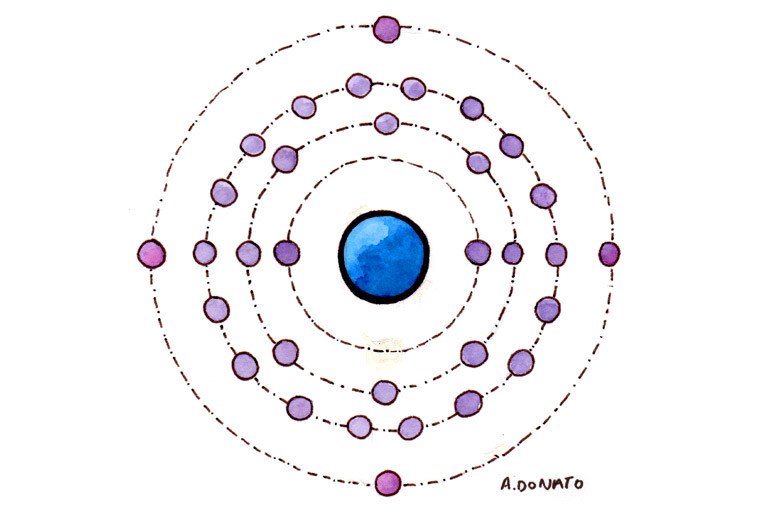
The atomic structure of germanium allows it to act as a free-radical scavenger (1). Spirogermanium has been shown to inhibit DNA and RNA synthesis in HeLa cells (2). Germanium sesquioxide enhances the activities of macrophage and T-cells (22) and stimulates the production of gamma interferon (23). Inorganic germanium dioxide enhances cellular radiosensitivity (24).
Germanium supplements should not be consumed because they can cause renal, hepatic, and neurotoxicities. Although studies in animals suggest low potential for toxicity (25), low-dose chronic toxicity was demonstrated repeatedly. Renal toxicity is characterized by vacuolar degeneration in renal tubular epithelial cells without proteinuria or hematuria in the absence of glomerular changes (2) (7).