Health Care Professional Information
Common Name
Gum guggal, gum guggulu, Guggal
Clinical Summary
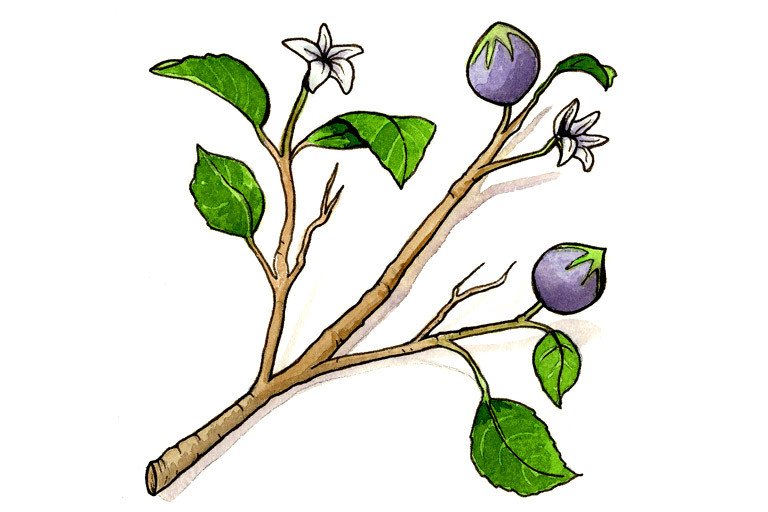
Guggul is derived from the resin of a medicinal plant that has been used for thousands of years in Ayurveda. Extracts of the plant are traditionally used alone and in combination with other botanicals to treat various clinical disorders including rheumatism, arthritis, neurological diseases, hemorrhoids, urinary disorders, and skin diseases.
Recent interest to determine the ability of guggul to treat obesity and related disorders of lipid metabolism has led to many studies.
Guggul was shown to protect against isoprenaline-induced cardiotoxicity in a study of rats (16). Results from clinical trials suggest comparable effectiveness of guggul to Clofibrate in reducing cholesterol and total lipid count (1) (2); but one trial showed that guggul may actually raise cholesterol levels (3). However, conclusions from a systematic review suggest effectiveness of guggul for hypercholesterolemia (11). Further research is warranted.
In vitro and in vivo (4) studies suggest that guggulsterone, a sterol from guggul, has anti-angiogenic (7) and anti-tumor properties, inducing cell cycle arrest and apoptosis in a variety of tumor cells (5) including those resistant to chemotherapy (6).
Purported Uses
- Acne
- Arthritis
- Hemorrhoids
- High cholesterol
- Rheumatoid arthritis
- Urinary tract disorders
- Weight loss
Constituents
E- and Z-guggulsterone
Pregnane derivatives [cis- and trans-4,17(20)-pregnadiene-3,16-dione]
Cembrenes
(17) (18)
Mechanism of Action
In vitro studies point to the effect of guggulsterone on the biosynthesis of cholesterol in the liver (2). Another study proposes that the cholesterol-lowering activity of guggulsterone in mice comes from its inhibition of FXR, a nuclear hormone receptor that is activated by bile acids. FXR mediates a negative feedback loop that decreases the rate of bile acid production by the liver. This loop is an important component in the regulation of cholesterol metabolism (10). Hypolipidemic outcomes may be better in individuals with a relatively higher capacity of metabolizing Z-guggulsterone with moderate carboxylesterase (CES1) induction (19). Guggulsterone activates nuclear receptors such as estrogen receptor alpha, pregnane X receptor, and progesterone receptor and may induce CYP3A genes (8).
In tumor cells, guggulsterone induces apoptosis by activating JNK (5) and repressing Akt signaling (6).
Adverse Reactions
Reported: Headache, mild nausea, eructation, hiccough, and loose stools (2). Hypersensitivity rash (3).
Case report: A sixty-three year old woman developed severe hypertransaminasemia following use of Equisterol, an over-the-counter lipid-lowering product containing guggulsterol and red yeast rice extract, for six months. Her symptoms normalized after equisterol was discontinued (12).
Cases of allergic contact dermatitis to guggul in slimming and anticellulite creams have been reported (13) (14).
Case report: Fulminant hepatic failure requiring liver transplantation has been reported in a healthy woman who took a dietary supplement containing usnic acid, green tea and guggul tree extract (15).
Herb-Drug Interactions
Anticoagulants/Antiplatelets: Due to potential anticoagulant and antiplatelet effects, guggul theoretically may potentiate the effects of aspirin, NSAIDs and warfarin.
Thyroid supplements: Guggul may have thyroid stimulating activities. (2)
Cytochrome P450 enzymes: Guggul induces CYP3A4 and can affect the intracellular concentration of drugs metabolized by this enzyme. (8)
Literature Summary and Critique
Dosage (Inside MSKCC Only)
This field is only visible to only Inside MSKCC users.
References
- Kuppurajan K, et al. Effect of guggulu (Commiphora mukul—Engl.) on serum lipids in obese, hypercholesterolemic and hyperlipemic cases. J Assoc Physicians India 1978;26:367-73.
- Singh RB, Niaz MA, Ghosh S. Hypolipidemic and antioxidant effects of Commiphora mukul as an adjunct to dietary therapy in patients with hypercholesterolemia. Cardiovasc Drugs Ther 1994;8:659-64.
- Szapary PO, Wolfe ML, Bloedon LT, et al. Guggulipid for the treatment of hypercholesterolemia: a randomized controlled trial. JAMA 2003;290:765-72.
- Sarfaraz S, Siddiqui IA, Syed DN, Afaq F, Mukhtar H. Guggulsterone Modulates MAPK and NF-kappaB Pathways and Inhibits Skin Tumorigenesis in Sencar Mice.Carcinogenesis. Aug 5 2008.
- Singh SV, Choi S, Zeng Y, Hahm ER, Xiao D. Guggulsterone-induced apoptosis in human prostate cancer cells is caused by reactive oxygen intermediate dependent activation of c-Jun NH2-terminal kinase. Cancer Res. Aug 1 2007;67(15):7439-7449.
- Shishodia S, Sethi G, Ahn KS, Aggarwal BB. Guggulsterone inhibits tumor cell proliferation, induces S-phase arrest, and promotes apoptosis through activation of c-Jun N-terminal kinase, suppression of Akt pathway, and downregulation of antiapoptotic gene products. Biochem Pharmacol. Jun 30 2007;74(1):118-130.
- Xiao D, Singh SV. z-Guggulsterone, a constituent of Ayurvedic medicinal plant Commiphora mukul, inhibits angiogenesis in vitro and in vivo. Mol Cancer Ther. Jan 2008;7(1):171-180.
- Brobst DE, Ding X, Creech KL, Goodwin B, Kelley B, Staudinger JL. Guggulsterone activates multiple nuclear receptors and induces CYP3A gene expression through the pregnane X receptor.J Pharmacol Exp Ther. Aug 2004;310(2):528-535.
- DerMarderosian A, editor. The Review of Natural Products. St. Louis: Facts and Comparisons; 1999.
- Urizar NL, et. al. A natural product that lowers cholesterol as an antagonist ligand for FXR. Science 2002 May 31;296(5573):1703-6.
- Singh BB, Vinjamury SP, Der-Martirosian C, et al. Ayurvedic and collateral herbal treatments for hyperlipidemia: a systematic review of randomized controlled trials and quasi-experimental designs. Altern Ther Health Med. 2007 Jul-Aug;13(4):22-8.
- Grieco A, Miele L, Pompili M, et al. Acute hepatitis caused by a natural lipid-lowering product: when “alternative” medicine is no “alternative” at all. J Hepatol. 2009 Jun;50(6):1273-7.
- Salavert M, Amarger S, Le Bouedec MC, et al. Allergic contact dermatitis to guggul in a slimming cream. Contact Dermatitis. 2007 May;56(5):286-7.'
- Kölönte A, Guillot B, Raison-Peyron N. Allergic contact dermatitis to guggul extract contained in an anticellulite gel-cream. Contact Dermatitis. 2006 Apr;54(4):226-7.
- Yellapu RK, Mittal V, Grewal P, Fiel M, Schiano T. Acute liver failure caused by 'fat burners' and dietary supplements: a case report and literature review. Can J Gastroenterol. 2011 Mar;25(3):157-60.
- Ojha S, Bhatia J, Arora S, Golechha M, Kumari S, Arya DS. Cardioprotective effects of Commiphora mukul against isoprenaline-induced cardiotoxicity: a biochemical and histopathological evaluation.J Environ Biol. 2011 Nov;32(6):731-8.
- Urizar NL, Moore DD. GUGULIPID: a natural cholesterol-lowering agent.Annu Rev Nutr. 2003;23:303-13.
- Bai S, Jain M. 1H and 13C assignments of five cembrenes from guggul.Magn Reson Chem. 2008 Aug;46(8):791-3.
- Yang D, Yang J, Shi D, et al.Hypolipidemic agent Z-guggulsterone: metabolism interplays with induction of carboxylesterase and bile salt export pump.J Lipid Res. 2012 Mar;53(3):529-39.
Consumer Information
How It Works
Bottom Line: Guggul has been shown effective in lowering cholesterol levels.
Guggul is a resin extract that has been used in Ayurvedic medicine for centuries. Scientists do not know exactly how guggul works. In laboratory experiments, a chemical in guggul called guggulsterone affects the production of cholesterol by the liver. Mice that are fed guggul have reduced levels of cholesterol synthesis by the liver compared to mice fed normal diets. A few clinical trials have suggested that dietary guggul can reduce blood cholesterol levels in humans.
Purported Uses
- To treat acne
No scientific evidence supports this use for guggul alone. See the Ayurveda monograph for more information on the treatment of acne.
- To treat osteoarthritis and rheumatoid arthritis
There are no data to back this claim.
- To treat hemorrhoids
No scientific evidence supports this use.
- To reduce high cholesterol
Guggul was shown in clinical trials to reduce high cholesterol.
- To treat urinary tract disorders
There are no data to support this claim.
- To lose weight
Clinical data are lacking to support this claim.
Research Evidence
High Cholesterol:
One hundred and three adults with hypercholesterolemia participated in this trial of guggul. Subjects were randomly assigned to receive either standard dose guggulipid, high-dose guggulipid or placebo for eight weeks. Total cholesterol levels did not change significantly for adults treated with guggulipid. Furthermore, levels of LDL (“bad”) cholesterol increased significantly in the groups treated with guggulipid when compared with those in the placebo group. Researchers suggest that previous trials did not measure LDL cholesterol levels accurately. Other possible areas of discrepancy include differences in diet or genetic makeup of subjects.
Do Not Take If
- You are taking warfarin, aspirin, NSAIDs or other blood thinners (In theory, guggul may increase the risk of bleeding. Take with caution and ask your doctor).
- You are taking thyroid supplements, have hyperthyroidism or hypothyroidism (Guggul may stimulate the thyroid gland).
- You are taking drugs that are substrates of Cytochrome P450 3A4 (Guggul may make the drugs less effective).
Side Effects
- Headache
- Mild nausea
- Belching
- Hiccoughs
- Loose stools
- Rash
- Case report: A sixty-three year old woman developed severe hypertransaminasemia following use of Equisterol, an over-the-counter lipid-lowering product containing guggulsterol and red yeast rice extract, for six months. Her symptoms normalized after equisterol was discontinued.
Cases of allergic contact dermatitis to guggul in slimming and anticellulite creams have been reported.
Case report: Fulminant hepatic failure requiring liver transplantation has been reported in a healthy woman who took a dietary supplement containing usnic acid, green tea and guggul tree extract.
Last updated: October 18, 2012
acid (A-sid)
A chemical that gives off hydrogen ions in water and forms salts by combining with certain metals. Acids have a sour taste and turn certain dyes red. Some acids made by the body, such as gastric acid, can help organs work the way they should. An example of an acid is hydrochloric acid. Acidity is measured on a scale called the pH scale. On this scale, a value of 7 is neutral, and a pH value of less than 7 to 0 shows increasing acidity.
Source: The National Cancer Institute's Dictionary of Cancer Terms
(http://www.cancer.gov/dictionary)
acne (AK-nee)
A disorder of the skin in which oil glands and hair glands become inflamed.
Source: The National Cancer Institute's Dictionary of Cancer Terms
(http://www.cancer.gov/dictionary)
Akt
A group of enzymes involved in several processes related to cell growth and survival. Akt enzymes help to transfer signals inside cells. An Akt enzyme is a type of serine/threonine protein kinase. Also called protein kinase B.
Source: The National Cancer Institute's Dictionary of Cancer Terms
(http://www.cancer.gov/dictionary)
anticoagulant (AN-tee-koh-A-gyuh-lunt)
A substance that is used to prevent and treat blood clots in blood vessels and the heart. Also called blood thinner.
Source: The National Cancer Institute's Dictionary of Cancer Terms
(http://www.cancer.gov/dictionary)
apoptosis (A-pop-TOH-sis)
A type of cell death in which a series of molecular steps in a cell leads to its death. This is the body’s normal way of getting rid of unneeded or abnormal cells. The process of apoptosis may be blocked in cancer cells. Also called programmed cell death.
Source: The National Cancer Institute's Dictionary of Cancer Terms
(http://www.cancer.gov/dictionary)
aspirin (AS-pih-rin)
A drug that reduces pain, fever, inflammation, and blood clotting. Aspirin belongs to the family of drugs called nonsteroidal anti-inflammatory agents. It is also being studied in cancer prevention.
Source: The National Cancer Institute's Dictionary of Cancer Terms
(http://www.cancer.gov/dictionary)
Ayurvedic medicine (I-yer-VAY-dik MEH-dih-sin)
A medical system from India that has been used for thousands of years. The goal is to cleanse the body and to restore balance to the body, mind, and spirit. It uses diet, herbal medicines, exercise, meditation, breathing, physical therapy, and other methods. It is a type of Complementary and Alternative Medicine (CAM) therapy. Also called Ayurveda.
Source: The National Cancer Institute's Dictionary of Cancer Terms
(http://www.cancer.gov/dictionary)
bile (bile)
A fluid made by the liver and stored in the gallbladder. Bile is excreted into the small intestine, where it helps digest fat.
Source: The National Cancer Institute's Dictionary of Cancer Terms
(http://www.cancer.gov/dictionary)
blood (blud)
A tissue with red blood cells, white blood cells, platelets, and other substances suspended in fluid called plasma. Blood takes oxygen and nutrients to the tissues, and carries away wastes.
Source: The National Cancer Institute's Dictionary of Cancer Terms
(http://www.cancer.gov/dictionary)
cancer (KAN-ser)
A term for diseases in which abnormal cells divide without control and can invade nearby tissues. Cancer cells can also spread to other parts of the body through the blood and lymph systems. There are several main types of cancer. Carcinoma is a cancer that begins in the skin or in tissues that line or cover internal organs. Sarcoma is a cancer that begins in bone, cartilage, fat, muscle, blood vessels, or other connective or supportive tissue. Leukemia is a cancer that starts in blood-forming tissue such as the bone marrow, and causes large numbers of abnormal blood cells to be produced and enter the blood. Lymphoma and multiple myeloma are cancers that begin in the cells of the immune system. Central nervous system cancers are cancers that begin in the tissues of the brain and spinal cord. Also called malignancy.
Source: The National Cancer Institute's Dictionary of Cancer Terms
(http://www.cancer.gov/dictionary)
cell (sel)
The individual unit that makes up the tissues of the body. All living things are made up of one or more cells.
Source: The National Cancer Institute's Dictionary of Cancer Terms
(http://www.cancer.gov/dictionary)
chemical (KEH-mih-kul)
A substance made up of elements, such as hydrogen or sodium.
Source: The National Cancer Institute's Dictionary of Cancer Terms
(http://www.cancer.gov/dictionary)
chemotherapy (KEE-moh-THAYR-uh-pee)
Treatment with drugs that kill cancer cells.
Source: The National Cancer Institute's Dictionary of Cancer Terms
(http://www.cancer.gov/dictionary)
cholesterol (koh-LES-teh-rol)
A waxy, fat-like substance made in the liver, and found in the blood and in all cells of the body. Cholesterol is important for good health and is needed for making cell walls, tissues, hormones, vitamin D, and bile acid. Cholesterol also comes from eating foods taken from animals such as egg yolks, meat, and whole-milk dairy products. Too much cholesterol in the blood may build up in blood vessel walls, block blood flow to tissues and organs, and increase the risk of developing heart disease and stroke.
Source: The National Cancer Institute's Dictionary of Cancer Terms
(http://www.cancer.gov/dictionary)
clinical (KLIH-nih-kul)
Having to do with the examination and treatment of patients.
Source: The National Cancer Institute's Dictionary of Cancer Terms
(http://www.cancer.gov/dictionary)
clinical trial (KLIH-nih-kul TRY-ul)
A type of research study that tests how well new medical approaches work in people. These studies test new methods of screening, prevention, diagnosis, or treatment of a disease. Also called clinical study.
Source: The National Cancer Institute's Dictionary of Cancer Terms
(http://www.cancer.gov/dictionary)
concentration (KON-sen-TRAY-shun)
In science, the amount of a substance, such as a salt, that is in a certain amount of tissue or liquid, such as blood. A substance becomes more concentrated when less water is present. For example, the salt in urine may become more concentrated when a person doesn’t drink enough water.
Source: The National Cancer Institute's Dictionary of Cancer Terms
(http://www.cancer.gov/dictionary)
dermatitis (DER-muh-TY-tis)
Inflammation of the skin.
Source: The National Cancer Institute's Dictionary of Cancer Terms
(http://www.cancer.gov/dictionary)
diet (DY-et)
The things a person eats and drinks.
Source: The National Cancer Institute's Dictionary of Cancer Terms
(http://www.cancer.gov/dictionary)
dietary supplement (DY-uh-TAYR-ee SUH-pleh-ment)
A product that is added to the diet. A dietary supplement is taken by mouth, and usually contains one or more dietary ingredient (such as vitamin, mineral, herb, amino acid, and enzyme). Also called nutritional supplement.
Source: The National Cancer Institute's Dictionary of Cancer Terms
(http://www.cancer.gov/dictionary)
dose (dose)
The amount of medicine taken, or radiation given, at one time.
Source: The National Cancer Institute's Dictionary of Cancer Terms
(http://www.cancer.gov/dictionary)
enzyme (EN-zime)
A protein that speeds up chemical reactions in the body.
Source: The National Cancer Institute's Dictionary of Cancer Terms
(http://www.cancer.gov/dictionary)
estrogen (ES-truh-jin)
A type of hormone made by the body that helps develop and maintain female sex characteristics and the growth of long bones. Estrogens can also be made in the laboratory. They may be used as a type of birth control and to treat symptoms of menopause, menstrual disorders, osteoporosis, and other conditions.
Source: The National Cancer Institute's Dictionary of Cancer Terms
(http://www.cancer.gov/dictionary)
extract (EK-strakt)
In medicine, a preparation of a substance obtained from plants, animals, or bacteria and used as a drug or in drugs.
Source: The National Cancer Institute's Dictionary of Cancer Terms
(http://www.cancer.gov/dictionary)
genetic (jeh-NEH-tik)
Inherited; having to do with information that is passed from parents to offspring through genes in sperm and egg cells.
Source: The National Cancer Institute's Dictionary of Cancer Terms
(http://www.cancer.gov/dictionary)
gram (gram)
A unit of weight in the metric system. One gram is equal to one thousandth of a kilogram and is approximately 30-times less than an ounce.
Source: The National Cancer Institute's Dictionary of Cancer Terms
(http://www.cancer.gov/dictionary)
hepatic (heh-PA-tik)
Refers to the liver.
Source: The National Cancer Institute's Dictionary of Cancer Terms
(http://www.cancer.gov/dictionary)
hormone (HOR-mone)
One of many chemicals made by glands in the body. Hormones circulate in the bloodstream and control the actions of certain cells or organs. Some hormones can also be made in the laboratory.
Source: The National Cancer Institute's Dictionary of Cancer Terms
(http://www.cancer.gov/dictionary)
hypersensitivity (HY-per-SEN-sih-tih-vih-tee)
An exaggerated response by the immune system to a drug or other substance.
Source: The National Cancer Institute's Dictionary of Cancer Terms
(http://www.cancer.gov/dictionary)
in vitro (in VEE-troh)
In the laboratory (outside the body). The opposite of in vivo (in the body).
Source: The National Cancer Institute's Dictionary of Cancer Terms
(http://www.cancer.gov/dictionary)
in vivo (in VEE-voh)
In the body. The opposite of in vitro (outside the body or in the laboratory).
Source: The National Cancer Institute's Dictionary of Cancer Terms
(http://www.cancer.gov/dictionary)
lipid (LIH-pid)
Fat.
Source: The National Cancer Institute's Dictionary of Cancer Terms
(http://www.cancer.gov/dictionary)
liver (LIH-ver)
A large organ located in the upper abdomen. The liver cleanses the blood and aids in digestion by secreting bile.
Source: The National Cancer Institute's Dictionary of Cancer Terms
(http://www.cancer.gov/dictionary)
metabolism (meh-TA-buh-lih-zum)
The chemical changes that take place in a cell or an organism. These changes make energy and the materials cells and organisms need to grow, reproduce, and stay healthy. Metabolism also helps get rid of toxic substances.
Source: The National Cancer Institute's Dictionary of Cancer Terms
(http://www.cancer.gov/dictionary)
nausea (NAW-zee-uh)
A feeling of sickness or discomfort in the stomach that may come with an urge to vomit. Nausea is a side effect of some types of cancer therapy.
Source: The National Cancer Institute's Dictionary of Cancer Terms
(http://www.cancer.gov/dictionary)
over-the-counter (OH-ver-the-KOWN-ter)
A medicine that can be bought without a prescription (doctor's order). Examples include analgesics (pain relievers) such as aspirin and acetaminophen. Also called nonprescription and OTC.
Source: The National Cancer Institute's Dictionary of Cancer Terms
(http://www.cancer.gov/dictionary)
placebo (pluh-SEE-boh)
An inactive substance or treatment that looks the same as, and is given the same way as, an active drug or treatment being tested. The effects of the active drug or treatment are compared to the effects of the placebo.
Source: The National Cancer Institute's Dictionary of Cancer Terms
(http://www.cancer.gov/dictionary)
progesterone (proh-JES-teh-rone)
A type of hormone made by the body that plays a role in the menstrual cycle and pregnancy. Progesterone can also be made in the laboratory. It may be used as a type of birth control and to treat menstrual disorders, infertility, symptoms of menopause, and other conditions.
Source: The National Cancer Institute's Dictionary of Cancer Terms
(http://www.cancer.gov/dictionary)
receptor (reh-SEP-ter)
A molecule inside or on the surface of a cell that binds to a specific substance and causes a specific physiologic effect in the cell.
Source: The National Cancer Institute's Dictionary of Cancer Terms
(http://www.cancer.gov/dictionary)
resin (REH-zin)
A thick substance that comes from plants or can be made in the laboratory from certain chemicals. Resins do not dissolve in water, and are used in plastics, varnishes, printing inks, medicine, and to make fabrics stiff.
Source: The National Cancer Institute's Dictionary of Cancer Terms
(http://www.cancer.gov/dictionary)
serum (SEER-um)
The clear liquid part of the blood that remains after blood cells and clotting proteins have been removed.
Source: The National Cancer Institute's Dictionary of Cancer Terms
(http://www.cancer.gov/dictionary)
significant (sig-NIH-fih-kunt)
In statistics, describes a mathematical measure of difference between groups. The difference is said to be significant if it is greater than what might be expected to happen by chance alone. Also called statistically significant.
Source: The National Cancer Institute's Dictionary of Cancer Terms
(http://www.cancer.gov/dictionary)
T4
A hormone that is made by the thyroid gland and contains iodine. T4 increases the rate of chemical reactions in cells and helps control growth and development. T4 can also be made in the laboratory and is used to treat thyroid disorders. Also called L-3,5,5’-tetraiodothyronine, thyroxin, and thyroxine.
Source: The National Cancer Institute's Dictionary of Cancer Terms
(http://www.cancer.gov/dictionary)
thyroid (THY-royd)
A gland located beneath the larynx (voice box) that makes thyroid hormone and calcitonin. The thyroid helps regulate growth and metabolism. Also called thyroid gland.
Source: The National Cancer Institute's Dictionary of Cancer Terms
(http://www.cancer.gov/dictionary)
transplantation (tranz-plan-TAY-shun)
A surgical procedure in which tissue or an organ is transferred from one area of a person’s body to another area, or from one person (the donor) to another person (the recipient).
Source: The National Cancer Institute's Dictionary of Cancer Terms
(http://www.cancer.gov/dictionary)
TSH
A hormone produced by the pituitary gland. TSH stimulates the release of thyroid hormone from thyroglobulin. It also stimulates the growth of thyroid follicular cells. An abnormal TSH level may mean that the thyroid hormonal regulation system is out of control, usually as a result of a benign condition (hyperthyroidism or hypothyroidism). Also called thyroid-stimulating hormone.
Source: The National Cancer Institute's Dictionary of Cancer Terms
(http://www.cancer.gov/dictionary)
tumor (TOO-mer)
An abnormal mass of tissue that results when cells divide more than they should or do not die when they should. Tumors may be benign (not cancer), or malignant (cancer). Also called neoplasm.
Source: The National Cancer Institute's Dictionary of Cancer Terms
(http://www.cancer.gov/dictionary)
urinary (YOOR-ih-NAYR-ee)
Having to do with urine or the organs of the body that produce and get rid of urine.
Source: The National Cancer Institute's Dictionary of Cancer Terms
(http://www.cancer.gov/dictionary)
warfarin (WOR-fuh-rin)
A drug that prevents blood from clotting. It belongs to the family of drugs called anticoagulants (blood thinners).
Source: The National Cancer Institute's Dictionary of Cancer Terms
(http://www.cancer.gov/dictionary)