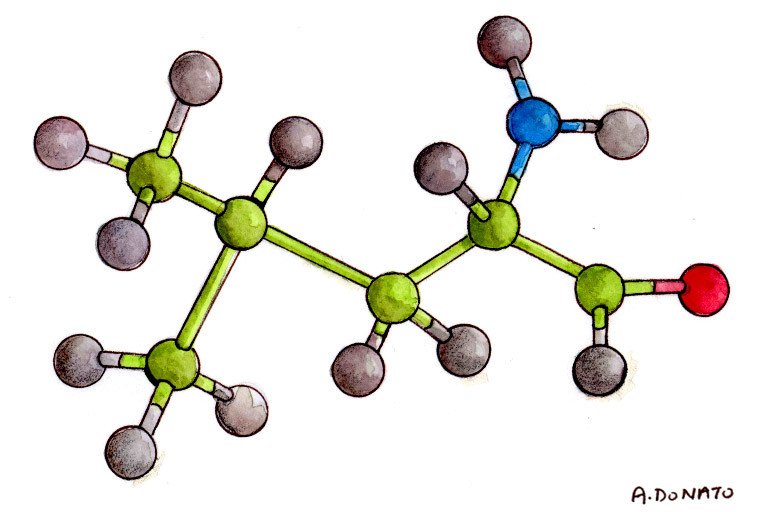
Common Names
- Beta-hydroxymethylbutyrate
- Beta-hydroxy-beta-methylbutyrate monohydrate
- Beta-hydroxyisovaleric acid
- HMB-d6
For Patients & Caregivers
Tell your healthcare providers about any dietary supplements you’re taking, such as herbs, vitamins, minerals, and natural or home remedies. This will help them manage your care and keep you safe.
Studies of HMB to prevent or reverse cancer-related muscle-wasting is limited and results are mixed.
HMB is a breakdown product of the amino acid leucine. Along with amino acids arginine and glutamine, these compounds are generally known to prevent or slow damage to muscle cells that occurs with intense exercise or in advanced cancers and AIDS. However, many of the findings stem from laboratory and animal studies, in healthy volunteers, or in athletes. Although more studies in elderly and ill patients have recently been conducted, only a few were in cancer patients, and those results are mixed.
- To prevent or reverse cancer- or HIV-related weight loss and weakness
There is limited research in these populations with conflicting results. Although two small studies in cancer patients showed some benefit, a larger study did not. Future trials should evaluate long-term safety and effects. - To increase muscle mass
There is limited research in clinical populations and results are mixed. In addition, meta-analyses currently suggest that any benefits with HMB supplementation are small. Additional studies are needed. - To improve strength and endurance in athletes
Clinical trials show mixed results regarding this use.
Special Point:
-
HMB stimulates a cell signal pathway called mTOR. Certain cancer drugs and immunosuppressants block this action and may reduce the effect of HMB. It is unclear if taking HMB would also interfere with these drugs.
-
HMB may alter lab results for cholesterol levels, including “bad” LDL cholesterol.
For Healthcare Professionals
Beta-hydroxy-beta-methylbutyrate (HMB) is a metabolite of the amino acid leucine. It is often used as a body building supplement to help improve muscle strength by reducing protein breakdown. HMB is also added to some medical foods for patients with muscle wasting and cachexia.
Small studies were initially conducted in active and younger men with mixed results on body composition and physical performance (1) (2) (3) (4) (5) (6). A systematic review suggests that HMB may prevent exercise-related muscle damage in healthy trained and untrained individuals, as well as muscle loss during chronic disease (7).
However, research on HMB in clinical populations is limited. Some studies in the elderly suggest HMB benefits vascular endothelial function (8), reduces muscle breakdown (9), decreases abdominal fat mass (10), improves functional recovery after hip fracture (11), and reduces mortality (12). Other small studies suggest HMB may improve pulmonary function in COPD patients (13) and nitrogen balance in critically injured patients (14), but it did not reduce comorbidities in hemodialysis patients (15).
Very few studies have been conducted in cancer populations. One small study suggests an HMB-containing supplement may help prevent radiation dermatitis in head and neck cancer patients (20). HMB is often used together with glutamine and arginine for muscle wasting and cachexia (16) (17), but a larger randomized trial failed to demonstrate a significant effect (18). Meta-analyses suggest HMB may help increase muscle and strength in various clinical conditions, but the effect size was small (31), and little to no impact was seen when HMB supplementation was added to exercise in the elderly (32). The upcoming HEAL study may help elucidate any true effects of HMB in frail older adults (33).
- Muscle wasting
- Weight gain
- Strength, stamina
HMB is metabolized from the branched chain amino acid L-leucine endogenously through alpha-ketoisocaproic acid. Since only a small amount is converted from food sources, supplementation is used to increase intake. As a dietary supplement, HMB usually comes in calcium salt or free acid forms, the latter which is thought to have higher bioavailability (21). In muscle cells, HMB stimulates cell growth and survival through MAPK/ERK pathways (22). HMB restored balance between intracellular protein synthesis and breakdown by activating PI3K/Akt-dependent mammalian target of rapamycin (mTOR) (23) (24). The stimulating effect of HMB on mTOR is eliminated with the introduction of rapamycin, an mTOR inhibitor (6) (25). However, it is unclear if HMB supplementation would also reduce the therapeutic effects of other mTOR inhibitors used in cancer treatment. HMB inhibits the ubiquitin-proteasome proteolytic pathway which governs the degradation of intracellular proteins (26) . In murine neuroblastoma cells, HMB exihibited neurotrophic effects (27).
In animal models, HMB reduced total subcutaneous fat content and LDL cholesterol (28), but did not affect circulating plasma levels of testosterone (4), cortisol, insulin-like growth factor-1 (IGF-1), or insulin (29).
May reduce low-density lipoprotein (30).