Common Names
- Homeopathic medicine
- Homeopathic remedy
For Patients & Caregivers
Tell your healthcare providers about any dietary supplements you’re taking, such as herbs, vitamins, minerals, and natural or home remedies. This will help them manage your care and keep you safe.
Although there is some evidence that homeopathy may benefit individuals with chronic conditions, data are limited and more research is needed.
Homeopathy was developed more than 200 years ago. It is based on the Law of Similars, or "like cures like." A patient experiencing a certain symptom is given a medicine containing low doses of plant extracts, animal extracts, or minerals that, when taken in normal amounts, usually cause that symptom. Homeopathy continues to be popular in India and many European countries.
Clinical studies have been conducted to evaluate benefits of homeopathy, but data are limited and results are inconclusive. More research is needed.
- To treat allergies
Studies have produced conflicting results. Although observational studies suggest benefit, some reviews found data to be of limited quality. - To treat anxiety or depression
Data are limited and results are mixed. - To treat inflammatory conditions
Studies have produced conflicting results. Although observational studies suggest benefit, some reviews found data to be of limited quality. - To treat infections
Data from clinical trials are inconclusive or do not support this use. The Canadian Paediatric Society states that homeopathic treatments have not been proven effective against infectious disease. - To treat cancer treatment side effects
A few studies suggest potential benefit with various add-on homeopathy treatments for quality of life, well-being, fatigue, or dermatitis, but additional studies are needed.
- Homeopathic aggravations, described as a short-term worsening of symptoms before improvement occurs, are commonly reported in trials.
- Some newer homeopathic products may actually contain ingredients in higher doses, which has raised concerns about other potential adverse effects or drug interactions.
Case reports – Adults
- Acute liver inflammation: In a patient who took Lycopodium similiaplex to relieve insomnia.
- Liver toxicity: In a 45-year-old woman, associated with a complex homeopathic mixture provided by a Lyme specialist to treat symptoms that persisted despite IV antibiotics. The agent in the mixture most likely to cause this toxicity was thought to be artemisinin.
- Allergic reactions and intoxication: Following the use of some homeopathic products.
- Toxic levels of iodine: In a 55-year-old woman, caused by long-term homeopathic use of Oligolito Iodium and Thyroidinum to treat Graves’ disease.
- Seizures, neuromuscular hyperexcitability: In a previously neurologically stable patient with Parkinson’s disease after using a homeopathic medication that contained alcohol, which was thought to interact with the medication escitalopram.
- Blue-green skin discoloration: In a middle-aged man, with the ingestion of homeopathic medicine as the probable cause. Blood copper levels were also high and returned to normal after product discontinuation.
- (Topical) Vaginal scarring, deformity, and pain: In a 33-year-old woman caused by vaginal application of a black salve preparation to self-treat cervical dysplasia, an abnormal growth of cells.
- (Topical) Sudden glaucoma: In a 55-year-old woman, with eye redness, swelling, tearing, and foreign-body sensation that worsened after use of over-the-counter homeopathic eyedrops containing belladonna.
- (Injection) Potential for false positive reading: On PET/CT evaluation of response to chemotherapy, in a 29-year-old woman with Hodgkin's lymphoma. An inflammatory reaction was attributed to homeopathic mistletoe injections prescribed by a naturopath, but might have been mistaken as new disease if not more carefully assessed. After product discontinuation, repeat scans over 4 months later were clear.
Case reports – Pediatric
- Infant seizures and other serious symptoms: Attributed to homeopathic teething tablets and gels (see Warnings section).
Patient Warnings:
- An FDA investigation found over 400 reports of adverse events in infants and children associated with homeopathic teething products filed over 6 years, including tremor, fever, shortness of breath, lethargy, sleepiness, constipation, vomiting, agitation, irritability, and even death.
- In 2016, the US Food & Drug Administration issued a warning that homeopathic teething tablets and gels may pose risks to infants and children and that consumers should not use these products. Some homeopathic teething products tested were found to have elevated levels of belladonna, which is considered a poisonous plant .
Do Not Take if:
You are taking escitalopram: Homeopathic medications that contain alcohol should be avoided, as there is a case report of neuromuscular side effects in a patient with Parkinson’s disease after such use.
Special Point:
-
Premarket testing for safety or efficacy of OTC or prescription homeopathic medicines is not required in the US.
-
Some homeopathic products may contain alcohol, which may interact with some medications.
For Healthcare Professionals
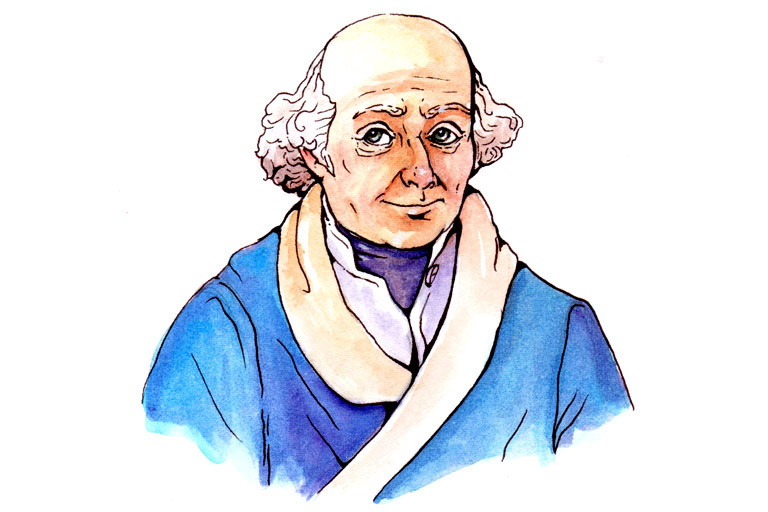
Homeopathy is a medical system developed 200 years ago by Dr. Samuel Hahnemann, a German physician. Promoted as a safer and more holistic approach to treating disease, it has remained especially popular in India and some European countries. Homeopathic remedies are highly diluted forms of botanical, animal, or mineral substances which when given in full strength to a healthy volunteer, cause the presenting symptoms of the patient. Opponents argue that the benefits experienced by patients are merely placebo effects (1), which are no larger than those observed in conventional medicine (2).
In a US national survey, homeopathy was most commonly used for respiratory and otorhinolaryngology complaints (22). Observational studies suggest that certain homeopathic products can provide long-term relief from symptoms such as headache and allergic rhinitis in adults, and atopic dermatitis and recurrent infections in children (3). One study suggests benefit with an add-on homeopathic preparation for recurrent tonsillitis (23). However, adjuvant homeopathy was not helpful for otitis media with effusion (24), and systematic reviews found data on homeopathy for otitis media or chronic rhinosinusitis to be scant and of limited quality (25) (26). Higher quality trials also do not support the use of homeopathic remedies for pediatric respiratory tract infections (27).
Only a few studies have been conducted in psychological symptoms and are largely negative. An epidemiological study found only marginal improvement for anxiety and depression among those who consulted practitioners prescribing homeopathy versus conventional care (29), and another study on homeopathy for depression was terminated early due to recruitment difficulties (28). In addition, meta-analyses have determined that evidence on homeopathy for ADHD symptoms or psychiatric disorders is lacking (30) (44), and The European Sleep Research Society does not recommend homeopathy for insomnia (31).
Studies of homeopathy in cancer patients are limited. Various homeopathic care regimens adjunctive to cancer therapy appeared to improve global health status and wellbeing (32), fatigue (10), quality of life (10) (45), and acute radiodermatitis (7), but not chemotherapy-induced emesis (9) or endocrine therapy-related hot flushes (33). Other case reports suggest homeopathic remedies may be helpful for advanced cancer (11) or post-treatment breast cancer pain (8), and a few in vitro studies suggest some homeopathic ingredients may have anticancer effects (4) (5) (6). However, these observations have not been evaluated in clinical trials and cancer patients should be aware that homeopathy is not a substitute for mainstream care.
Unlike remedies used in classical homeopathy, some contemporary homeopathic products may actually contain ingredients in allopathic doses, which has raised concerns about potential adverse effects or drug interactions (34). In a meta-analysis, the rate of adverse effects from homeopathy was similar to studies that randomized patients to placebo and conventional medicine (35).
The Canadian Paediatric Society states that particular homeopathic treatments called nosodes have not been proven effective against infectious disease and are not alternatives to vaccinations (36). In addition, homeopathic teething products have been associated with harm in infants, and some researchers recommend against homeopathic remedies in general to treat pediatric conditions (37).
- Allergies
- Infection
- Inflammation
- Anxiety
- Depression
- Treatment side effects
The practice of homeopathy is governed by the Law of Similars: Similia similibus curanturor or “like cures like.” Hahnemann and his followers observed that while certain plants, animals or minerals could cause specific symptoms when ingested by healthy individuals, the highly diluted form of the same substance could relieve similar symptoms in ailing patients. Other principles include tailored treatment so that different people with the same condition may receive different regimens, and the “law of minimum dose” — the idea that a lower dose translates to greater effectiveness (38).
An in vitro study showed that an antidiabetic product commonly used in homeopathy demonstrated anticancer effects by inducing nuclear DNA fragmentation and increasing levels of mRNA expression of apoptotic signal related genes cytochrome c and caspase 3, and by reducing expression of antiapoptotic gene Bcl2 (5). Another product, Phytolacca decandra, exerted anticancer properties in melanoma cells via activation of caspase-mediated signaling and ROS generation (6). However, it is not known if these products will have the same effects when diluted according to homeopathic principles.
Several challenges endure with evaluating the efficacy of homeopathy, including obtaining adequate documentation from traditional practitioners (38), and its plausibility against known pharmacology principles (39).
- Premarket testing for safety or efficacy of OTC or prescription homeopathic medicines is not required in the US (39).
- In 2016, the US Food & Drug Administration issued a warning that homeopathic teething tablets and gels may pose risks to infants and children and that consumers should not use these products (40). Some homeopathic teething products tested were found to have elevated levels of belladonna, which is considered a poisonous plant (41). In addition, there have been over 400 reports of adverse events in infants and children associated with homeopathic teething products filed over 6 years, including tremor, fever, shortness of breath, lethargy, sleepiness, constipation, vomiting, agitation, irritability, and even death.
Homeopathic aggravations, described as a worsening of symptoms before improvement occurs, are commonly reported in trials (35). In a meta-analysis, the rate of adverse effects from homeopathy were thought to compare with those from studies where patients are randomized to placebo and conventional medicine (35).
Case Reports – Adults
- Acute hepatitis: In a patient who took Lycopodium similiaplex, a homeopathic remedy used to treat hepatopathy, to relieve insomnia (13).
- Hepatotoxicity: In a 45-year-old woman, associated with a complex homeopathic remedy mixture provided by a Lyme specialist to treat symptoms that persisted despite IV antibiotics. The most likely implicated agent in the mixture was determined to be artemisinin (46).
- Allergic reactions and intoxication: Following the use of some homeopathic products (12).
- Blue-green hands, feet, and sweat: In a middle-aged man, with the ingestion of homeopathic medicine as the probable cause. Blood copper levels were also high and returned to normal after product discontinuation (43).
- Toxic levels of iodine, thyroid storm: In a 55-year-old woman, caused by long-term homeopathic use of Oligolito Iodium and Thyroidinum to treat Graves’ disease (47).
- Serotonin syndrome: Seizures, autonomic dysfunction, and neuromuscular hyperexcitability in a previously neurologically stable patient with Parkinson’s disease after using an ethanol-containing homeopathic medication, which was thought to interact with the medication escitalopram, as ethanol is also metabolized by CYP450 enzymes (48).
- (Topical) Vaginal scarring, deformity, and pain: In a 33-year-old woman caused by intravaginal application of a black salve preparation to self-treat cervical dysplasia (49).
- (Topical) Acute angle closure glaucoma: In a 55-year-old woman with a 5-day history of left eye redness, swelling, tearing, and foreign-body sensation that acutely worsened in the last 2 days after use of over-the-counter homeopathic eyedrops containing belladonna (50).
- (Injection) Nodal involvement mimicry: On PET/CT evaluation of response to chemotherapy, in a 29-year-old woman with Hodgkin’s lymphoma. The inflammatory reaction was attributed to self-administered subcutaneous homeopathic mistletoe prescribed by a naturopath, which cleared upon product discontinuation and repeat scanning 4.5 months later (42).
Case reports – Pediatric
- Infant status epilepticus and other adverse effects: Attributed to homeopathic teething tablets containing belladonna, which is considered a poisonous plant (39). A subsequent FDA investigation found over 400 reports of adverse events in infants and children associated with homeopathic teething products filed over 6 years, including tremor, fever, shortness of breath, lethargy, sleepiness, constipation, vomiting, agitation, irritability, and even death.
Escitalopram: Ethanol-containing homeopathic medications should be avoided, as there is a case report of serotonin syndrome in a previously neurologically stable patient with Parkinson’s disease after such use. The ethanol was thought to interact with escitalopram, as both are metabolized by CYP450 enzymes (48).