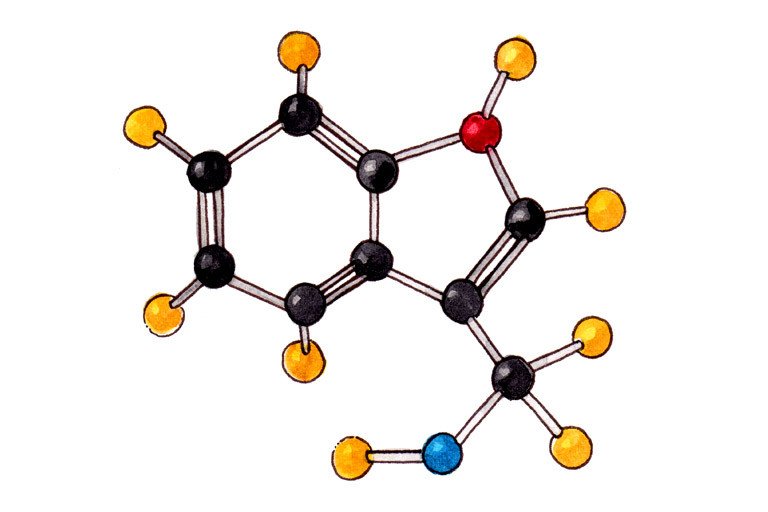
Health Care Professional Information
Common Name
I3C, 1H-Indole-3-methanol, indole-3-methanol, 3-(Hydroxymethyl)indole, 3-indolylcarbinol, indolylmethanol
Brand Name
I3C Plus (Health Products Distributors)
Food Sources
Broccoli, brussels sprouts, cabbage, cauliflower, collards, kale, kohlrabi, mustard greens, rapeseed, rutabaga, and turnip.
Purported Uses
- Cancer prevention
- Detoxification
- Viral infections
Mechanism of Action
Studies indicate that I3C has potential value as a chemopreventive agent for breast cancer through its estrogen receptor (ER) modulating effect (15). There is also evidence to support the fact that I3C has a different mechanism of action than tamoxifen and that these two can be used synergistically (6). An in vitro study also found that I3C reduces breast cancer cell migration and invasion by inhibiting matrix metalloproteinase (MMP)-2 expression and blocking extracellular signal-regulated kinase (ERK)/Sp1-mediated gene transcription (16). I3C also down-regulates the expression of the estrogen-responsive genes pS2 and cathepsin-D and up-regulates BRAC1 (17). Other in vitro studies show that I3C inhibits the expression of cyclin-dependent kinase-6 and induces a G1 cell cycle arrest independent of ER signaling (7). One randomized clinical trial suggests that I3C can increase the 2-OH-estrone to -estriol metabolite ratio (18). This is thought to decrease the risk of ER-sensitive breast cancer and cervical cancer. In human lung carcinoma A549 cells, I3C significantly reduced cell proliferation and induced apoptosis and cell cycle arrest at the G0/G1 phase (12). I3C also lowered the LD50 of gemcitabine (Gemzar) and decrease the growth of pancreatic cancer cells, possibly through reactivation of the tumor suppressor gene p16INK4a (19). Diindolylmethane (DIM), a metabolite of I3C, can induce apoptosis by modulating the expression of the Bax/Bcl-2 (10). I3C can cause apoptosis of prostate cancer cells in vitro by inhibition of Akt, activation (8). It also holds promise in preventing cancer with a papillomavirus component (20) (21).
I3C induces cytochrome P450 1 family, which may lead to potential drug interactions (14).
Pharmacokinetics
No published data regarding the pharmacokinetics of I3C in humans currently exists. Animal studies shows that I3C itself is not active. Gastric acid converts I3C to active metabolites diindolylmethane and indolylcarbazole, which are further metabolized in the liver. Most metabolites are excreted through the feces.
(6)
Adverse Reactions
- Reported: Some patients experienced skin rash (5) (15).
- I3C may promote tumor growth in animals exposed to carcinogens. However, this effect has not been confirmed in humans.
Herb Lab Interactions
- In rare cases, small increases in ALT have occured (5) (15).
Literature Summary and Critique
Laidlaw M, Cockerline CA, Sepkovic DW. Effects of a breast-health herbal formula supplement on estrogen metabolism in pre- and post-menopausal women not taking hormonal contraceptives or supplements: a randomized controlled trial. Breast Cancer. 2010 Dec 16;4:85-95.
This randomized, double-blind, placebo-controlled, parallel group study enrolled pre- (n=47) and post-menopausal (n=49) women who were not on contraceptives or hormone replacement therapy. Subjects were randomized to receive either treatment or placebo. A supplement containing 7-hydroxymatairesinol (HMR lignan) and indole-3 carbinol (I3C), along with other minor herbal constituents, was given to the treatment group. The placebo group received capsules containing microcrystalline cellulose. At baseline and study end (day 28), blood samples were analyzed for serum enterolactone concentrations, and morning urine samples were evaluated for estrogen metabolites. Pre-menopausal women receiving the HMR lignan/I3C upplement had a significant increase (p=0.003) in urinary 2-hydroxyestrone (2-OHE) concentrations and in 2:16á-OHE ratio (p=0.016). Post-menopausal women receiving the supplement had a significant increase in urinary 2-OHE concentrations (p=0.035). In the pre- and post-menopausal groups combined, a significant increase in urinary 2-OHE concentrations (p=0.001) and a trend (p=0.074) toward increased 2:16-OHE ratio were observed. The authors concluded that HMR lignan/I3C supplementation significantly increased estrogen C-2 hydroxylation, which may reduce the risk for breast and other estrogen-related cancers.
Dosage (Inside MSKCC Only)
This field is only visible to only Inside MSKCC users.
References
- Wattenberg LW, Loub WD. Inhibition of polycyclic aromatic hydrocarbon-induced neoplasia by naturally occurring indoles. Cancer Res 1978;38:1410-3.
- Bell MC, et al. Placebo-controlled trial of indole-3-carbinol in the treatment of CIN. Gynecol Oncol 2000;78:123-9.
- Naik R, Nixon S, Lopes A, et al. A randomized phase II trials of indole-3-carbinol in the treatment of vulvar intraepithelial neoplasia. Int J Gynecol Cancer 2006;16(2):786-90.
- Laidlaw M, Cockerline CA, Sepkovic DW. Effects of a breast-health herbal formula supplement on estrogen metabolism in pre- and post-menopausal women not taking hormonal contraceptives or supplements: a randomized controlled trial. Breast Cancer. 2010 Dec 16;4:85-95.
- Indole-3-Carinol(I3C). National Toxicology Program. NIEHS. Accessed November 6, 2012.
- Cover CM, et al. Indole-3-carbinol and Tamoxifen cooperate to arrest the cell cycle of MCF-7 human breast cancer cells. Cancer Res 1999; 59:1244-51.
- Cover CM, et al. Indole-3-carbinol inhibits the expression of cyclin-dependent kinase-6 and induces a G1 cell cycle arrest of human breast cancer cells independent of estrogen receptor signaling. J Biol Chem 1998;273:3838-47.
- Chinni SR, Sarkar FH. Akt inactivation is a key event in indole-3-carbinol-induced apoptosis in PC-3 cells. Clin Cancer Res 2002;8:1228-36.
- Chen DZ, et al. Indole-3-carbinol and diindolylmethane induce apoptosis of human cervical cancer cells and in murine HPV16-transgenic preneoplastic cervical epithelium. J Nutr 2001;131:3294-302.
- Hong C, et al. Bcl-2 family-mediated apoptotic effects of 3,3'-diindolylmethane (DIM) in human breast cancer cells. Biochem Pharmacol 2002 Mar 15;63(6):1085-97.
- Nachshon-Kedmi M, et al. Indole-3-carbinol and 3,3'-diindolylmethane induce apoptosis in human prostate cancer cells. Food Chem Toxicol 2003 Jun;41(6):745-52.
- Choi HS, Cho MC, Lee HG, et al. Indole-3-carbinol induces apoptosis through p53 and activation of caspase-8 pathway in lung cancer A549 cells. Food Chem Toxicol. 2010 Mar;48(3):883-90.
- Dashwood RH. Indole-3-carbinol: anticarcinogen or tumor promoter in brassica vegetables? Chem Biol Interact 1998;110:1-5.
- Yoshida M, Katashima S, Ando J, et al. Dietary indole-3-carbinol promotes endometrial adenocarcinoma development in rats initiated with N-ethyl-N'-nitro-N-nitrosoguanidine, with induction of cytochrome P450s in the liver and consequent modulation of estrogen metabolism. Carcinogenesis. 2004 Nov;25(11):2257-64.
- Wong GY, et al. Dose-ranging study of indole-3-carbinol for breast cancer prevention. J Cell Biochem Suppl 1997;28-29:111-6.
- Hung WC, Chang HC. Indole-3-carbinol inhibits Sp1-induced matrix metalloproteinase-2 expression to attenuate migration and invasion of breast cancer cells. J Agric Food Chem. 2009 Jan 14;57(1):76-82.
- Meng Q, et al. Indole-3-carbinol is a negative regulator of estrogen receptor-alpha signaling in human tumor cells. J Nutr 2000;130:2927-31.
- Bradlow HL, et al. Long-term responses of women to indole-3-carbinol or a high fiber diet. Cancer Epidemiol Biomarkers Prev 1994;3:591-5.
- Lyn-Cook BD, Mohammed SI, Davis C, et al. Gender differences in gemcitabine (Gemzar) efficacy in cancer cells: effect of indole-3-carbinol. Anticancer Res. 2010 Dec;30(12):4907-13.
- Rosen CA, et al. Preliminary results of the use of indole-3-carbinol for recurrent respiratory papillomatosis. Otolaryngol Head Neck Surg 1998;118:810-5.
- Jin L, et al. Indole-3-carbinol prevents cervical cancer in human papilloma virus type 16 (HPV16) transgenic mice. Cancer Res 1999;59:3991-7.
- Wang ML, Shih CK, Chang HP, Chen YH. Antiangiogenic activity of indole-3-carbinol in endothelial cells stimulated with activated macrophages. Food Chem. 2012 Sep 15;134(2):811-20.
- Qian X, Melkamu T, Upadhyaya P, Kassie F. Indole-3-carbinol inhibited tobacco smoke carcinogen-induced lung adenocarcinoma in A/J mice when administered during the post-initiation or progression phase of lung tumorigenesis. Cancer Lett. 2011 Dec 1;311(1):57-65.
- Wang H, Word BR, Lyn-Cook BD. Enhanced efficacy of gemcitabine by indole-3-carbinol in pancreatic cell lines: the role of human equilibrative nucleoside transporter 1. Anticancer Res. 2011 Oct;31(10):3171-80.
- Taylor-Harding B, Agadjanian H, Nassanian H, et al. Indole-3-carbinol synergistically sensitises ovarian cancer cells to bortezomib treatment. Br J Cancer. 2012 Jan 17;106(2):333-43.
Consumer Information
How It Works
Bottom Line: Indole 3-carbinol has cancer preventive effects. But it has not been shown to treat cancer in humans.
Indole-3-carbinol, also called I3C, is a compound found in vegetables such as broccoli, brussel sprouts, cabbage, cauliflower, and kale. It is known to stimulate detoxifying enzymes in the gut and liver, but it has come under more study lately for its potential anti-cancer properties. Animals that are fed a diet rich in I3C have a slower growth of their cancers. Laboratory studies show that it blocks estrogen activity by interfering with the estrogen receptor. This suggests that I3C might be useful in preventing or treating estrogen-sensitive cancers (such as breast and cervical cancers), possibly in addition to tamoxifen, but not enough studies have been done in humans to determine this. In addition, I3C can cause cell death in prostate cancer cells in the laboratory.
A few experiments in animals that showed that I3C increased the cancer-causing potential of certain environmental carcinogens, but this has not been confirmed in humans.
Purported Uses
- To prevent cancer
Laboratory and animal studies suggest that indole-3-carbinol may prevent estrogen-dependent cancers, but only one clinical trial has been performed, which showed that indole-3-carbinol can cause regression of cervical intraepithelial neoplasia (CIN), a condition that can lead to cervical cancer.
- To detoxify the body
Indole-3-carbinol stimulates detoxifying enzymes in the gut and liver, but this use has not been tested in clinical trials.
- To treat viral infections
No scientific evidence supports this use.
Research Evidence
Cervical cancer prevention:
A clinical trial was performed to study the ability of indole-3-carbinol (I3C) to treat cervical intraepithelial neoplasia (CIN), a pre-cancerous growth that can lead to cervical cancer. Thirty women enrolled in the study. They were randomly assigned to take (1) a placebo pill, (2) 200 mg/day of I3C, or (3) 400 mg/day of I3C for 12 weeks. At the end of the study, almost half of the women taking I3C had complete regression of their CIN, compared to none of the women who took placebo. Usually, CIN is surgically removed, so I3C may be a non-surgical option for women with this condition. More clinical trials will help establish this.
Do Not Take If
- You are taking drugs that are substrates of Cytochrome P450 1A2 (I3-C may reduce the effectiveness of these drugs).
Side Effects
- Skin rash
- I3C may promote tumor growth in animals exposed to carcinogens. This effect has not been confirmed in humans.
Last updated: November 6, 2012
acid (A-sid)
A chemical that gives off hydrogen ions in water and forms salts by combining with certain metals. Acids have a sour taste and turn certain dyes red. Some acids made by the body, such as gastric acid, can help organs work the way they should. An example of an acid is hydrochloric acid. Acidity is measured on a scale called the pH scale. On this scale, a value of 7 is neutral, and a pH value of less than 7 to 0 shows increasing acidity.
Source: The National Cancer Institute's Dictionary of Cancer Terms
(http://www.cancer.gov/dictionary)
adenocarcinoma (A-deh-noh-KAR-sih-NOH-muh)
Cancer that begins in cells that line certain internal organs and that have gland-like (secretory) properties.
Source: The National Cancer Institute's Dictionary of Cancer Terms
(http://www.cancer.gov/dictionary)
Akt
A group of enzymes involved in several processes related to cell growth and survival. Akt enzymes help to transfer signals inside cells. An Akt enzyme is a type of serine/threonine protein kinase. Also called protein kinase B.
Source: The National Cancer Institute's Dictionary of Cancer Terms
(http://www.cancer.gov/dictionary)
antiangiogenic (AN-tee-AN-jee-oh-JEH-nik)
Having to do with reducing the growth of new blood vessels.
Source: The National Cancer Institute's Dictionary of Cancer Terms
(http://www.cancer.gov/dictionary)
apoptosis (A-pop-TOH-sis)
A type of cell death in which a series of molecular steps in a cell leads to its death. This is the body’s normal way of getting rid of unneeded or abnormal cells. The process of apoptosis may be blocked in cancer cells. Also called programmed cell death.
Source: The National Cancer Institute's Dictionary of Cancer Terms
(http://www.cancer.gov/dictionary)
baseline (BAYS-line)
An initial measurement that is taken at an early time point to represent a beginning condition, and is used for comparison over time to look for changes. For example, the size of a tumor will be measured before treatment (baseline) and then afterwards to see if the treatment had an effect.
Source: The National Cancer Institute's Dictionary of Cancer Terms
(http://www.cancer.gov/dictionary)
biomarker (BY-oh-MAR-ker)
A biological molecule found in blood, other body fluids, or tissues that is a sign of a normal or abnormal process, or of a condition or disease. A biomarker may be used to see how well the body responds to a treatment for a disease or condition. Also called molecular marker and signature molecule.
Source: The National Cancer Institute's Dictionary of Cancer Terms
(http://www.cancer.gov/dictionary)
blood (blud)
A tissue with red blood cells, white blood cells, platelets, and other substances suspended in fluid called plasma. Blood takes oxygen and nutrients to the tissues, and carries away wastes.
Source: The National Cancer Institute's Dictionary of Cancer Terms
(http://www.cancer.gov/dictionary)
bortezomib (bor-TEH-zoh-mib)
A drug used to treat multiple myeloma. It is also used to treat mantle cell lymphoma in patients who have already received at least one other type of treatment and is being studied in the treatment of other types of cancer. Bortezomib blocks several molecular pathways in a cell and may cause cancer cells to die. It is a type of proteasome inhibitor and a type of dipeptidyl boronic acid. Also called PS-341 and velcade.
Source: The National Cancer Institute's Dictionary of Cancer Terms
(http://www.cancer.gov/dictionary)
breast (brest)
Glandular organ located on the chest. The breast is made up of connective tissue, fat, and breast tissue that contains the glands that can make milk. Also called mammary gland.
Source: The National Cancer Institute's Dictionary of Cancer Terms
(http://www.cancer.gov/dictionary)
breast cancer (brest KAN-ser)
Cancer that forms in tissues of the breast, usually the ducts (tubes that carry milk to the nipple) and lobules (glands that make milk). It occurs in both men and women, although male breast cancer is rare.
Source: The National Cancer Institute's Dictionary of Cancer Terms
(http://www.cancer.gov/dictionary)
cancer (KAN-ser)
A term for diseases in which abnormal cells divide without control and can invade nearby tissues. Cancer cells can also spread to other parts of the body through the blood and lymph systems. There are several main types of cancer. Carcinoma is a cancer that begins in the skin or in tissues that line or cover internal organs. Sarcoma is a cancer that begins in bone, cartilage, fat, muscle, blood vessels, or other connective or supportive tissue. Leukemia is a cancer that starts in blood-forming tissue such as the bone marrow, and causes large numbers of abnormal blood cells to be produced and enter the blood. Lymphoma and multiple myeloma are cancers that begin in the cells of the immune system. Central nervous system cancers are cancers that begin in the tissues of the brain and spinal cord. Also called malignancy.
Source: The National Cancer Institute's Dictionary of Cancer Terms
(http://www.cancer.gov/dictionary)
carcinoma (KAR-sih-NOH-muh)
Cancer that begins in the skin or in tissues that line or cover internal organs.
Source: The National Cancer Institute's Dictionary of Cancer Terms
(http://www.cancer.gov/dictionary)
cell (sel)
The individual unit that makes up the tissues of the body. All living things are made up of one or more cells.
Source: The National Cancer Institute's Dictionary of Cancer Terms
(http://www.cancer.gov/dictionary)
cell cycle (sel SY-kul)
The process a cell goes through each time it divides. The cell cycle consists of a series of steps during which the chromosomes and other cell material double to make two copies. The cell then divides into two daughter cells, each receiving one copy of the doubled material. The cell cycle is complete when each daughter cell is surrounded by its own outer membrane. Also called mitotic cycle.
Source: The National Cancer Institute's Dictionary of Cancer Terms
(http://www.cancer.gov/dictionary)
cell proliferation (sel proh-LIH-feh-RAY-shun)
An increase in the number of cells as a result of cell growth and cell division.
Source: The National Cancer Institute's Dictionary of Cancer Terms
(http://www.cancer.gov/dictionary)
cellulose (SEL-yoo-lose)
A building block of plant cells and fiber. Cellulose cannot be digested by people, and is used to add bulk to the diet.
Source: The National Cancer Institute's Dictionary of Cancer Terms
(http://www.cancer.gov/dictionary)
cervical (SER-vih-kul)
Relating to the neck, or to the neck of any organ or structure. Cervical lymph nodes are located in the neck. Cervical cancer refers to cancer of the uterine cervix, which is the lower, narrow end (the “neck”) of the uterus.
Source: The National Cancer Institute's Dictionary of Cancer Terms
(http://www.cancer.gov/dictionary)
cervical cancer (SER-vih-kul KAN-ser)
Cancer that forms in tissues of the cervix (the organ connecting the uterus and vagina). It is usually a slow-growing cancer that may not have symptoms but can be found with regular Pap tests (a procedure in which cells are scraped from the cervix and looked at under a microscope). Cervical cancer is almost always caused by human papillomavirus (HPV) infection.
Source: The National Cancer Institute's Dictionary of Cancer Terms
(http://www.cancer.gov/dictionary)
cervical intraepithelial neoplasia (SER-vih-kul IN-truh-eh-pih-THEE-lee-ul NEE-oh-PLAY-zhuh)
Growth of abnormal cells on the surface of the cervix. Numbers from 1 to 3 may be used to describe how abnormal the cells are and how much of the cervical tissue is involved. Also called CIN.
Source: The National Cancer Institute's Dictionary of Cancer Terms
(http://www.cancer.gov/dictionary)
CIN
Growth of abnormal cells on the surface of the cervix. Numbers from 1 to 3 may be used to describe how abnormal the cells are and how much of the cervical tissue is involved. Also called cervical intraepithelial neoplasia.
Source: The National Cancer Institute's Dictionary of Cancer Terms
(http://www.cancer.gov/dictionary)
clinical (KLIH-nih-kul)
Having to do with the examination and treatment of patients.
Source: The National Cancer Institute's Dictionary of Cancer Terms
(http://www.cancer.gov/dictionary)
clinical trial (KLIH-nih-kul TRY-ul)
A type of research study that tests how well new medical approaches work in people. These studies test new methods of screening, prevention, diagnosis, or treatment of a disease. Also called clinical study.
Source: The National Cancer Institute's Dictionary of Cancer Terms
(http://www.cancer.gov/dictionary)
compound (KOM-pownd)
In science, a substance that is made up of more than one ingredient.
Source: The National Cancer Institute's Dictionary of Cancer Terms
(http://www.cancer.gov/dictionary)
concentration (KON-sen-TRAY-shun)
In science, the amount of a substance, such as a salt, that is in a certain amount of tissue or liquid, such as blood. A substance becomes more concentrated when less water is present. For example, the salt in urine may become more concentrated when a person doesn’t drink enough water.
Source: The National Cancer Institute's Dictionary of Cancer Terms
(http://www.cancer.gov/dictionary)
condition (kun-DIH-shun)
In medicine, a health problem with certain characteristics or symptoms.
Source: The National Cancer Institute's Dictionary of Cancer Terms
(http://www.cancer.gov/dictionary)
diet (DY-et)
The things a person eats and drinks.
Source: The National Cancer Institute's Dictionary of Cancer Terms
(http://www.cancer.gov/dictionary)
diindolylmethane (dy-IN-doh-lil-MEH-thayn)
A substance being studied in the treatment of prostate cancer and in the prevention of cervical cancer. Diindolylmethane is found in cruciferous vegetables like broccoli, brussels sprouts, cauliflower, cabbage, and kale. It is a type of plant indole. Also called DIM.
Source: The National Cancer Institute's Dictionary of Cancer Terms
(http://www.cancer.gov/dictionary)
drug (drug)
Any substance, other than food, that is used to prevent, diagnose, treat or relieve symptoms of a disease or abnormal condition. Also refers to a substance that alters mood or body function, or that can be habit-forming or addictive, especially a narcotic.
Source: The National Cancer Institute's Dictionary of Cancer Terms
(http://www.cancer.gov/dictionary)
dysplasia (dis-PLAY-zhuh)
Cells that look abnormal under a microscope but are not cancer.
Source: The National Cancer Institute's Dictionary of Cancer Terms
(http://www.cancer.gov/dictionary)
efficacy (EH-fih-kuh-see)
Effectiveness. In medicine, the ability of an intervention (for example, a drug or surgery) to produce the desired beneficial effect.
Source: The National Cancer Institute's Dictionary of Cancer Terms
(http://www.cancer.gov/dictionary)
enzyme (EN-zime)
A protein that speeds up chemical reactions in the body.
Source: The National Cancer Institute's Dictionary of Cancer Terms
(http://www.cancer.gov/dictionary)
ER
A protein found inside the cells of the female reproductive tissue, some other types of tissue, and some cancer cells. The hormone estrogen will bind to the receptors inside the cells and may cause the cells to grow. Also called estrogen receptor.
Source: The National Cancer Institute's Dictionary of Cancer Terms
(http://www.cancer.gov/dictionary)
estrogen (ES-truh-jin)
A type of hormone made by the body that helps develop and maintain female sex characteristics and the growth of long bones. Estrogens can also be made in the laboratory. They may be used as a type of birth control and to treat symptoms of menopause, menstrual disorders, osteoporosis, and other conditions.
Source: The National Cancer Institute's Dictionary of Cancer Terms
(http://www.cancer.gov/dictionary)
estrogen receptor (ES-truh-jin reh-SEP-ter)
A protein found inside the cells of the female reproductive tissue, some other types of tissue, and some cancer cells. The hormone estrogen will bind to the receptors inside the cells and may cause the cells to grow. Also called ER.
Source: The National Cancer Institute's Dictionary of Cancer Terms
(http://www.cancer.gov/dictionary)
feces (FEE-seez)
The material in a bowel movement. Feces is made up of undigested food, bacteria, mucus, and cells from the lining of the intestines. Also called stool.
Source: The National Cancer Institute's Dictionary of Cancer Terms
(http://www.cancer.gov/dictionary)
gastric (GAS-trik)
Having to do with the stomach.
Source: The National Cancer Institute's Dictionary of Cancer Terms
(http://www.cancer.gov/dictionary)
gemcitabine (jem-SY-tuh-been)
The active ingredient in a drug that is used to treat pancreatic cancer that is advanced or has spread. It is also used with other drugs to treat breast cancer that has spread, advanced ovarian cancer, and non-small cell lung cancer that is advanced or has spread. It is also being studied in the treatment of other types of cancer. Gemcitabine blocks the cell from making DNA and may kill cancer cells. It is a type of antimetabolite
Source: The National Cancer Institute's Dictionary of Cancer Terms
(http://www.cancer.gov/dictionary)
gene (jeen)
The functional and physical unit of heredity passed from parent to offspring. Genes are pieces of DNA, and most genes contain the information for making a specific protein.
Source: The National Cancer Institute's Dictionary of Cancer Terms
(http://www.cancer.gov/dictionary)
herbal (ER-bul)
Having to do with plants.
Source: The National Cancer Institute's Dictionary of Cancer Terms
(http://www.cancer.gov/dictionary)
hormone (HOR-mone)
One of many chemicals made by glands in the body. Hormones circulate in the bloodstream and control the actions of certain cells or organs. Some hormones can also be made in the laboratory.
Source: The National Cancer Institute's Dictionary of Cancer Terms
(http://www.cancer.gov/dictionary)
in vitro (in VEE-troh)
In the laboratory (outside the body). The opposite of in vivo (in the body).
Source: The National Cancer Institute's Dictionary of Cancer Terms
(http://www.cancer.gov/dictionary)
indole-3-carbinol (IN-dole … KAR-bih-nol)
A substance that is being studied as a cancer prevention drug. It is found in cruciferous vegetables.
Source: The National Cancer Institute's Dictionary of Cancer Terms
(http://www.cancer.gov/dictionary)
intraepithelial (IN-truh-eh-pih-THEE-lee-ul)
Within the layer of cells that form the surface or lining of an organ.
Source: The National Cancer Institute's Dictionary of Cancer Terms
(http://www.cancer.gov/dictionary)
kinase (KY-nays)
A type of enzyme that causes other molecules in the cell to become active. Some kinases work by adding chemicals called phosphates to other molecules, such as sugars or proteins. Kinases are a part of many cell processes. Some cancer treatments target certain kinases that are linked to cancer.
Source: The National Cancer Institute's Dictionary of Cancer Terms
(http://www.cancer.gov/dictionary)
liver (LIH-ver)
A large organ located in the upper abdomen. The liver cleanses the blood and aids in digestion by secreting bile.
Source: The National Cancer Institute's Dictionary of Cancer Terms
(http://www.cancer.gov/dictionary)
lung (lung)
One of a pair of organs in the chest that supplies the body with oxygen, and removes carbon dioxide from the body.
Source: The National Cancer Institute's Dictionary of Cancer Terms
(http://www.cancer.gov/dictionary)
matrix metalloproteinase (MAY-trix meh-TA-loh-PROH-tee-nays)
A member of a group of enzymes that can break down proteins, such as collagen, that are normally found in the spaces between cells in tissues (i.e., extracellular matrix proteins). Because these enzymes need zinc or calcium atoms to work properly, they are called metalloproteinases. Matrix metalloproteinases are involved in wound healing, angiogenesis, and tumor cell metastasis.
Source: The National Cancer Institute's Dictionary of Cancer Terms
(http://www.cancer.gov/dictionary)
metabolite (meh-TA-boh-lite)
A substance made or used when the body breaks down food, drugs or chemicals, or its own tissue (for example, fat or muscle tissue). This process, called metabolism, makes energy and the materials needed for growth, reproduction, and maintaining health. It also helps get rid of toxic substances.
Source: The National Cancer Institute's Dictionary of Cancer Terms
(http://www.cancer.gov/dictionary)
neoplasia (NEE-oh-PLAY-zhuh)
Abnormal and uncontrolled cell growth.
Source: The National Cancer Institute's Dictionary of Cancer Terms
(http://www.cancer.gov/dictionary)
pancreatic (PAN-kree-A-tik)
Having to do with the pancreas.
Source: The National Cancer Institute's Dictionary of Cancer Terms
(http://www.cancer.gov/dictionary)
pharmacokinetics (FAR-muh-koh-kih-NEH-tix)
The activity of drugs in the body over a period of time, including the processes by which drugs are absorbed, distributed in the body, localized in the tissues, and excreted.
Source: The National Cancer Institute's Dictionary of Cancer Terms
(http://www.cancer.gov/dictionary)
placebo (pluh-SEE-boh)
An inactive substance or treatment that looks the same as, and is given the same way as, an active drug or treatment being tested. The effects of the active drug or treatment are compared to the effects of the placebo.
Source: The National Cancer Institute's Dictionary of Cancer Terms
(http://www.cancer.gov/dictionary)
placebo-controlled (pluh-SEE-boh-kun-TROLD)
Refers to a clinical study in which the control patients receive a placebo.
Source: The National Cancer Institute's Dictionary of Cancer Terms
(http://www.cancer.gov/dictionary)
precancerous (pree-KAN-seh-rus)
A term used to describe a condition that may (or is likely to) become cancer. Also called premalignant.
Source: The National Cancer Institute's Dictionary of Cancer Terms
(http://www.cancer.gov/dictionary)
premenopausal (pree-MEH-nuh-PAW-zul)
Having to do with the time before menopause. Menopause ("change of life") is the time of life when a woman's menstrual periods stop permanently.
Source: The National Cancer Institute's Dictionary of Cancer Terms
(http://www.cancer.gov/dictionary)
prostate (PROS-tayt)
A gland in the male reproductive system. The prostate surrounds the part of the urethra (the tube that empties the bladder) just below the bladder, and produces a fluid that forms part of the semen.
Source: The National Cancer Institute's Dictionary of Cancer Terms
(http://www.cancer.gov/dictionary)
prostate cancer (PROS-tayt KAN-ser)
Cancer that forms in tissues of the prostate (a gland in the male reproductive system found below the bladder and in front of the rectum). Prostate cancer usually occurs in older men.
Source: The National Cancer Institute's Dictionary of Cancer Terms
(http://www.cancer.gov/dictionary)
randomized
Describes an experiment or clinical trial in which animal or human subjects are assigned by chance to separate groups that compare different treatments.
Source: The National Cancer Institute's Dictionary of Cancer Terms
(http://www.cancer.gov/dictionary)
reduction (ree-DUK-shun)
A chemical reaction that takes place when a substance comes into contact with hydrogen or another reducing substance.
Source: The National Cancer Institute's Dictionary of Cancer Terms
(http://www.cancer.gov/dictionary)
regression (reh-GREH-shun)
A decrease in the size of a tumor or in the extent of cancer in the body.
Source: The National Cancer Institute's Dictionary of Cancer Terms
(http://www.cancer.gov/dictionary)
serum (SEER-um)
The clear liquid part of the blood that remains after blood cells and clotting proteins have been removed.
Source: The National Cancer Institute's Dictionary of Cancer Terms
(http://www.cancer.gov/dictionary)
significant (sig-NIH-fih-kunt)
In statistics, describes a mathematical measure of difference between groups. The difference is said to be significant if it is greater than what might be expected to happen by chance alone. Also called statistically significant.
Source: The National Cancer Institute's Dictionary of Cancer Terms
(http://www.cancer.gov/dictionary)
supplementation (SUH-pleh-men-TAY-shun)
Adding nutrients to the diet.
Source: The National Cancer Institute's Dictionary of Cancer Terms
(http://www.cancer.gov/dictionary)
tamoxifen (tuh-MOK-sih-FEN)
A drug used to treat certain types of breast cancer in women and men. It is also used to prevent breast cancer in women who have had ductal carcinoma in situ (abnormal cells in the ducts of the breast) and in women who are at a high risk of developing breast cancer. Tamoxifen is also being studied in the treatment of other types of cancer. It blocks the effects of the hormone estrogen in the breast. Tamoxifen is a type of antiestrogen. Also called tamoxifen citrate.
Source: The National Cancer Institute's Dictionary of Cancer Terms
(http://www.cancer.gov/dictionary)
therapy (THAYR-uh-pee)
Treatment.
Source: The National Cancer Institute's Dictionary of Cancer Terms
(http://www.cancer.gov/dictionary)
tobacco (tuh-BA-koh)
A plant with leaves that have high levels of the addictive chemical nicotine. The leaves may be smoked (in cigarettes, cigars, and pipes), applied to the gums (as dipping and chewing tobacco), or inhaled (as snuff). Tobacco leaves also contain many cancer-causing chemicals, and tobacco use and exposure to secondhand tobacco smoke have been linked to many types of cancer and other diseases. The scientific name is .
Source: The National Cancer Institute's Dictionary of Cancer Terms
(http://www.cancer.gov/dictionary)
toxicology (TOK-sih-KAH-loh-jee)
The study of poisons, including the source, effect, and treatment of poisoning. It is a branch of pharmacology (the study of drugs).
Source: The National Cancer Institute's Dictionary of Cancer Terms
(http://www.cancer.gov/dictionary)
transcription (tran-SKRIP-shun)
In biology, the process by which a cell makes an RNA copy of a sequence of DNA that is a gene.
Source: The National Cancer Institute's Dictionary of Cancer Terms
(http://www.cancer.gov/dictionary)
tumor (TOO-mer)
An abnormal mass of tissue that results when cells divide more than they should or do not die when they should. Tumors may be benign (not cancer), or malignant (cancer). Also called neoplasm.
Source: The National Cancer Institute's Dictionary of Cancer Terms
(http://www.cancer.gov/dictionary)
tumor suppressor gene (TOO-mer suh-PREH-ser jeen)
A type of gene that makes a protein called a tumor suppressor protein that helps control cell growth. Mutations (changes in DNA) in tumor suppressor genes may lead to cancer. Also called antioncogene.
Source: The National Cancer Institute's Dictionary of Cancer Terms
(http://www.cancer.gov/dictionary)
urinary (YOOR-ih-NAYR-ee)
Having to do with urine or the organs of the body that produce and get rid of urine.
Source: The National Cancer Institute's Dictionary of Cancer Terms
(http://www.cancer.gov/dictionary)
urine (YOOR-in)
Fluid containing water and waste products. Urine is made by the kidneys, stored in the bladder, and leaves the body through the urethra.
Source: The National Cancer Institute's Dictionary of Cancer Terms
(http://www.cancer.gov/dictionary)
viral (VY-rul)
Having to do with a virus.
Source: The National Cancer Institute's Dictionary of Cancer Terms
(http://www.cancer.gov/dictionary)
will (wil)
A legal document in which a person states what is to be done with his or her property after death, who is to carry out the terms of the will, and who is to care for any minor children.
Source: The National Cancer Institute's Dictionary of Cancer Terms
(http://www.cancer.gov/dictionary)