Common Names
- IP6; InsP-6
- Phytic acid; Phytate
- Inositol hexakisphosphate
- Myo-inositol hexaphosphate
For Patients & Caregivers
Tell your healthcare providers about any dietary supplements you’re taking, such as herbs, vitamins, minerals, and natural or home remedies. This will help them manage your care and keep you safe.
Inositol hexaphosphate may be useful in reducing side effects from chemotherapy.
Inositol hexaphosphate (IP6) is a carbohydrate found naturally in many plants and mammalian cells, where it performs important messenger roles and affects numerous cellular processes. It is marketed as a supplement to support natural cellular defense. Lab studies suggest anticancer and antiangiogenic effects.
Small studies of breast cancer patients showed that IP6 may reduce chemotherapy-induced side effects. Myo-inositol may also have chemopreventive effects in some patients with chronic lung disease. Large-scale studies are needed to confirm these effects.
- To prevent and treat cancer
Lab studies have shown anticancer effects, but clinical data are lacking. - To reduce chemotherapy side effects
Small studies of breast cancer patients showed that IP6 may be effective in reducing chemotherapy-associated side effects. Larger studies are needed. - To treat heart disease
An intravenous form has been evaluated in preliminary studies to see whether it can slow progression of cardiovascular disease. However, no studies have been conducted on IP6 supplements for this use. - To treat depression
Evidence is lacking to support this claim. - To treat kidney stones
Evidence is lacking to support this claim.
Do Not Take if:
Your are taking mineral supplements: Phytic acid can bind with calcium, iron, magnesium, and zinc and reduce their bioavailability.
Your are taking anticoagulants/antiplatelets: IP6 also has antiplatelet activity and may increase bleeding risk. Clinical relevance is not known.
For Healthcare Professionals
A naturally occurring compound, inositol hexaphosphate (IP6) is a polyphosphorylated carbohydrate present in most plants and mammalian cells. An intravenous form has been evaluated in preliminary studies to evaluate whether it can slow progression of cardiovascular disease. IP6 is also marketed as a supplement to support natural cellular defense.
Preclinical studies suggest IP6 has anticancer (1) (3) (4) (9) (10) (12) and antiangiogenic (16) effects.
Preliminary data in humans suggest IP6 supplementation may improve fasting serum uric acid levels in hyperuricemic subjects (18) and inhibit formation of advanced glycation end products in patients with type-2 diabetes (19). Other data suggest benefit for alleviating chemotherapy-induced side effects and improving quality of life in breast cancer patients (11) (21). Similar benefits were reported with topical IP6 (20). In another study, myo-inositol showed chemopreventive potential in patients with bronchial dysplasia (13). Larger studies are warranted to confirm these findings (7) (8).
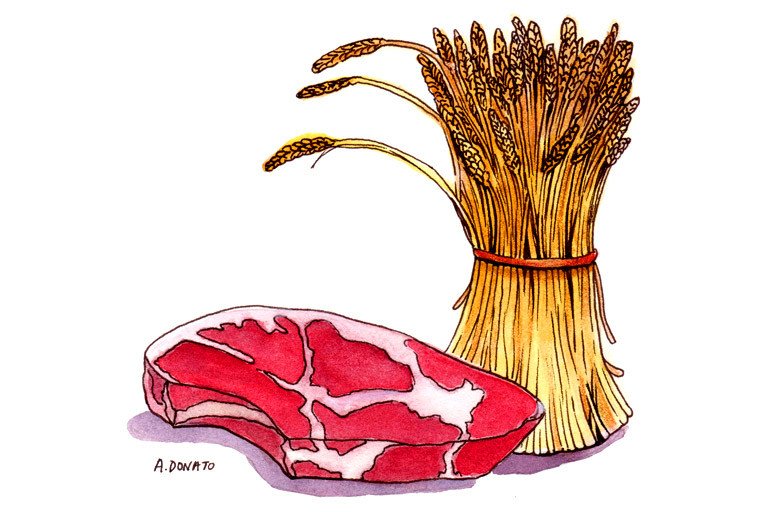
Cereal, grains, legumes, meat
- Cancer
- Chemotherapy side effects
- Cardiovascular disease
- Depression
- Kidney stones
IP6 can be synthesized from inositol or obtained from the diet. Metabolites and derivatives of IP6 perform secondary messenger roles, including mobilization of intracellular calcium for mitosis. Extracellular signaling also has been demonstrated. IP6 interacts with both tyrosine kinase and PLC-coupled growth factor receptors. IP6 also enters the inositol phosphates pool, is subsequently dephosphorylated, and contributes to additional cellular signal transduction and intracellular functions (1).
In vitro and animal studies suggest that IP6 reduces initiation and/or promotion, inhibits proliferation by chelation of metalloproteins, causes G0/G1 arrest, and induces differentiation of various cancer cell lines (3) (4). IP6 also may inhibit in vitro platelet activation with ADP, collagen, and thrombin by interacting with platelet cytoskeletal reorganization, P13-K activity, or agonist-induced platelet aggregation (2).
Mineral supplements: Phytic acid can bind with calcium, iron, magnesium, and zinc in the stomach and reduce their bioavailability (17).
Anticoagulants/antiplatelets: IP6 also has antiplatelet activity, and may increase bleeding risk when used with other anticoagulants or antiplatelets (2). Clinical relevance is not known.