Tell your healthcare providers about any dietary supplements you’re taking, such as herbs, vitamins, minerals, and natural or home remedies. This will help them manage your care and keep you safe.
Kombucha has not been shown to treat cancer or AIDS in humans.
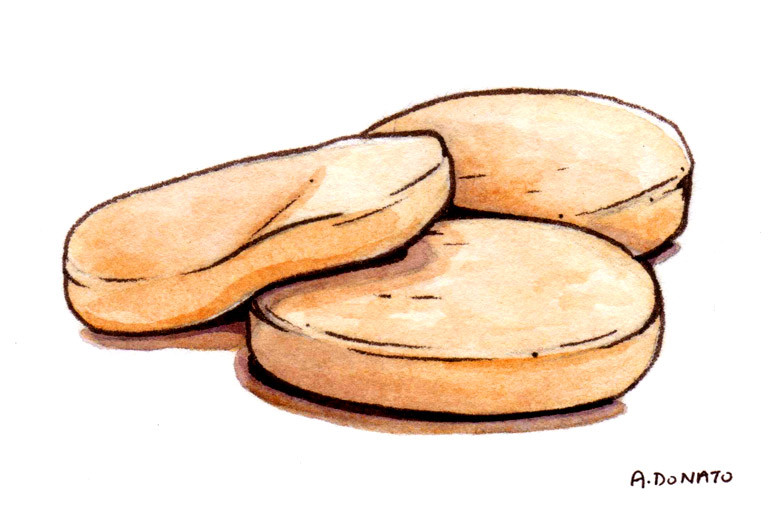
Kombucha is a beverage made by fermenting sweetened black tea (green and oolong tea are also used) with a symbiotic culture of bacteria and yeasts (SCOBY). Believed to have originated in China, kombucha has gained worldwide popularity as a functional food. It is used as an immunostimulant, and to treat diabetes, cancer and AIDS.
The high caffeine and sugar content of the tea may account for increase in energy levels following consumption of kombucha. However, it can be easily contaminated during fermentation. Allergic reactions, jaundice, serious illness, and death have been associated following consumption of home-grown kombucha tea. It may also reduce the absorption of drugs that are sensitive to gastric pH level.
To treat atherosclerosis (hardening of arteries)
Evidence is lacking to support this claim.
To treat cancer
Animal studies have shown that kombucha has antioxidant effects, but human studies are lacking.
To treat diabetes
Animal studies have shown that kombucha has antidiabetc effects, but human studies are lacking.
To treat AIDS
Evidence is lacking to support this claim.
To lower blood pressure
Evidence is lacking to support this claim.
To stimulate the immune system
Animal studies demonstrate immune-stimulating activity, but human data are lacking.
Case Reports
Cutaneous anthrax: In 20 people following topical use of kombucha grown in unhygienic conditions.
Consumption of oral kombucha has been reported to cause:
Severe illness and death
Lead poisoning from kombucha brewed in a lead-glazed ceramic pot
Hepato- and gastrointestinal toxicities including allergic reactions, jaundice and nausea, vomiting, head and neck pain
Yeast infections
Myositis associated with pleural effusions, pericardial effusion with tamponade, and 'mechanic's hands'
Severe metabolic lactic acidosis in a 54-year-old asthmatic woman after she drank kombucha tea
Clostridium septicum sepsis due to bacteremia and hematogenous spread, resulting in encephalitis and pneumocephalus in a patient following consumption of kombucha tea and performing coffee enemas
Patient Warnings:
Growing kombucha in unsanitary conditions has resulted in contaminated product.
Lead poisoning has been associated with kombucha tea brewed in glazed ceramic pots.
Do Not Take if:
You have a suppressed immune system: Contaminated kombucha beverages can activate the immune system.
You are taking drugs that are sensitive to stomach pH levels: Kombucha may reduce the absorption of these drugs.
For Healthcare Professionals
Kombucha is a beverage made by fermenting sweetened black tea (green and oolong tea are also used) with a symbiotic culture of bacteria and yeasts (SCOBY). Believed to have originated in China, kombucha has gained worldwide popularity as a functional food. The SCOBY consists of several acetic acid and lactic acid bacteria. Following fermentation, kombucha’s chemical makeup includes sugars, tea polyphenols, fiber, ethanol, amino acids and water-soluble vitamins (1). Health benefits attributed to kombucha include reduction of blood pressure and cholesterol along with anticancer and immunostimulatory effects.
Preclinical studies have shown anti-inflammatory, antioxidant, immunostimulatory (5), hypolipidemic (20), and hepatoprotective (6)(18)(19)(21)(23) effects with limited toxicity (7). In a small study involving 24 subjects with non-insulin dependent diabetes mellitus, daily intake of kombucha was associated with normalized blood sugar values (24). Randomized studies have yet to be conducted (8)(1).
Kombucha is used as an immunostimulant, and to treat diabetes, cancer and AIDS (3). The high caffeine and sugar content of the tea may account for increase in energy levels following its consumption (4). However, kombucha can be easily contaminated during fermentation. Allergic reactions, jaundice, serious illness, and death have been associated following consumption of home-grown kombucha (9)(10)(11). It may also reduce the absorption of drugs that are sensitive to gastric pH level (12).
Atherosclerosis
Cancer treatment
Diabetes
AIDS
High blood pressure
Immunostimulation
Kombucha demonstrated antimicrobial activity against a large number of pathogenic microorganisms at neutral pH and following denaturation, which suggests that it contains antimicrobial compounds other than acetic acid and large proteins (13).
Fermentation increases the potential for contamination with other microorganisms. Contamination with anthrax (10); and Aspergillus (14), a fungus that is dangerous to people with lowered immune systems, have been reported.
Growing kombucha in unsanitary conditions has resulted in contaminated product (10)
Lead poisoning has been associated with kombucha tea brewed in a glazed ceramic pot (15)
Patients with suppressed immune systems should not consume kombucha beverages produced in an uncontrolled environment (28).
Case Reports
Cutaneous anthrax: In 20 people following topical use of kombucha grown in unhygienic conditions (10).
Consumption of oral kombucha has been reported to cause:
Myositis associated with pleural effusions, pericardial effusion with tamponade, and ’mechanic’s hands’ (22)
Severe metabolic lactic acidosis in a 54-year-old asthmatic woman after she drank kombucha tea (26)
Clostridium septicum sepsis due to bacteremia and hematogenous spread, resulting in encephalitis and pneumocephalus in a patient following consumption of kombucha tea and performing coffee enemas (27)
Kombucha tea is acidic. This may affect the bioavailability of drugs that depend on stomach pH levels for dissolution and absorption (12).