About Herbs, Botanicals & Other Products

Common Name

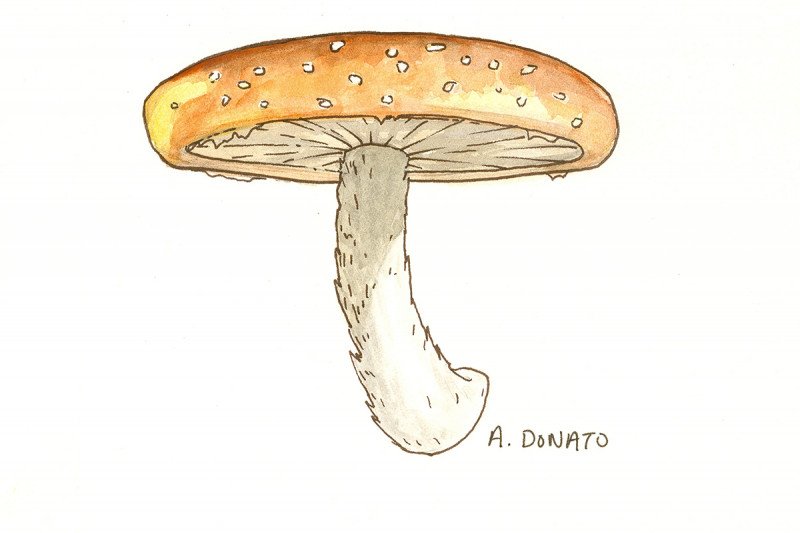
Shitake, hua gu, snake butter, forest mushroom and pasania fungus

Clinical Summary

Lentinan, a polysaccharide, is derived from the mycelium of the shiitake mushroom body, and its active component is 1,3 beta glucan. It is considered a biological response modifier.
In some countries, parenteral lentinan is classified as an antineoplastic polysaccharide and is available for clinical use. Addition of lentinan to standard cancer therapies resulted in increased tumor necrosis and mean survival as well as reduced recurrence in patients with hepatocellular carcinoma (1).

Improvements in quality of life and survival were also seen with an oral formulation of lentinan in patients with hepatocellular carcinoma (10), gastric (11) (14), colorectal (12), and pancreatic (13) cancers. However, well designed, large scale studies are needed to establish the role of lentinan as a useful adjunct to cancer treatment.

Only oral formulations and extracts, which are considered dietary supplements, are available for use in the United States.

Purported Uses
  • Cancer prevention
  • Cancer treatment
  • High cholesterol
  • Immunostimulation
  • Infections
Constituents
  • Polysaccharide: Water-soluble beta 1,3 glucan polysaccharide characterized by beta 1,6 branched glucan linkage
  • At least five additional polysaccharides
    (2)
Mechanism of Action

Lentinan's active polysaccharide, 1,3 beta glucan, is not cytotoxic but seems to enhance T-helper cell function and increase stimulation of interleukin, interferon, and normal killer cells (3) (4). In vivo studies suggest that 1,3 beta glucan increases IL-4-producing cells, suggesting a stimulation of Th2-mediated immunity (5). In addition to antitumor activity, it also possesses immune-regulatory effects, anti-viral activity, antimicrobial properties, and cholesterol-lowering effects (6).

Adverse Reactions

Case Report: Single case report of chest tightness when injected parenterally.
(7)

Herb-Drug Interactions

Zidovudine (AZT): Lentinan may enhance activity when used along with AZT (8).
Didanosine (ddi, Videx): Concurrent use with Lentinan may increase CD4 levels in HIV patients (9).

Herb Lab Interactions

CD4 counts may be altered.

Literature Summary and Critique

A Med-Line search displayed over 300 case reports and foreign studies using lentinan as a single agent or in combination against many tumor types. Lentinan was administered intravenously or intramuscularly in a majority of these reports.

Yang P, et al. Clinical application of a combination therapy of lentinan, multi-electrode RFA and TACE in HCC. Adv Ther. Aug 2008;25(8):787-794.
To determine if lentinan could enhance transcatheter arterial chemoembolization (TACE) and radiofrequency ablation (RFA) combination therapy, 78 patients with hepatocellular carcinoma (HCC) were separated into 4 groups: 1) TACE only, 2) RFA only,3) RFA and TACE, and 4) RFA, TACE, and lentinan (500 mg/day for 18 months). Patients receiving all three therapies experienced significant improvements in tumor necrosis and mean survival as well as reduced recurrence as compared to those receiving RFA and TACE, suggesting that lentinan may be a beneficial adjunct therapy for patients with HCC. Further long-term studies are necessary to determine the full benefits of lentinan for HCC patients as well as those with other cancer types.

Yoshino S, et al. Immunoregulatory effects of the antitumor polysaccharide lentinan onTh1/Th2 balances in patients with digestive cancers. Anticancer Res 2000;20:4707-11.
Studies have demonstrated that patients with advanced cancer may have impaired cell-mediated immunity caused by an imbalance between Th1 and Th2 responses. The study evaluated the ability of lentinan to modulate Th1 and Th2 responses in patients with digestive cancers. After lentinan treatment, CD4+ IFN-gamma+ T-cell percentages increased significantly (p<0.05%), whereas Cd4+ IL-4+ T-cell and Cd4+ IL-6 T-cell percentages decreased significantly (p<0.02). Lentinan apparently can cancel Th2-dominant condition in patients with digestive cancers and may improve the balance between Th1 and Th2.

References
  1. Yang P, Liang M, Zhang Y, et al. Clinical application of a combination therapy of lentinan, multi-electrode RFA and TACE in HCC. Adv Ther. Aug 2008;25(8):787-794.
  2. Hobbs C. Medicinal Mushrooms. 3rd ed. Loveland (CO): Interweave Press; 1996.
  3. Chihara G, Maeda Y, Hamuro J, et al.Inhibition of mouse sarcoma 180 by polysaccharides from Lentinus edodes (Berk.) sing. Nature. May 17 1969;222(5194):687-688.
  4. Hamuro J, Rollinghoff M, Wagner H. Induction of cytotoxic peritoneal exudate cells by T-cell immune adjuvants of the beta (1 leads to 3) glucan-type lentinan and its analogues. Immunology 1980;39:551.
  5. Dong SF, Chen JM, Zhang W, et al. Specific immune response to HBsAg is enhanced by beta-glucan oligosaccharide containing an alpha-(1—>3)-linked bond and biased towards M2/Th2. Int Immunopharmacol. Jun 2007;7(6):725-733.
  6. Reed F. Immunomodulating and antitumor activity of lentinan. Int J Immunopharm. 1982;4:264.
  7. Wada T, Nishide T, Hatayama K, et al. [A comparative clinical trial with tegafur plus lentinan treatment at two different doses in advanced cancer]. Gan To Kagaku Ryoho. Aug 1987;14(8):2509-2512.
  8. Tochikura TS, Nakashima H, Kaneko Y, et al. Suppression of human immunodeficiency virus replication by 3'-azido-3'-deoxythymidine in various human hematopoietic cell lines in vitro: augmentation of the effect by lentinan. Jpn J Cancer Res. Jun 1987;78(6):583-589.
  9. Gordon M, Guralnik M, Kaneko Y, et al. A phase II controlled study of a combination of the immune modulator, lentinan, with didanosine (ddI) in HIV patients with CD4 cells of 200-500/mm3. J Med. 1995;26(5-6):193-207.
  10. Isoda N, Eguchi Y, Nukaya H, et al. Clinical efficacy of superfine dispersed lentinan (beta-1,3-glucan) in patients with hepatocellular carcinoma. Hepatogastroenterology. 2009 Mar-Apr;56(90):437-41.
  11. Oba K, Kobayashi M, Matsui T, Kodera Y, Sakamoto J. Individual patient based meta-analysis of lentinan for unresectable/recurrent gastric cancer. Anticancer Res. 2009 Jul;29(7):2739-45.
  12. Hazama S, Watanabe S, Ohashi M, et al. Efficacy of orally administered superfine dispersed lentinan (beta-1,3-glucan) for the treatment of advanced colorectal cancer. Anticancer Res. 2009 Jul;29(7):2611-7.
  13. Shimizu K, Watanabe S, Watanabe S, et al. Efficacy of oral administered superfine dispersed lentinan for advanced pancreatic cancer. Hepatogastroenterology. 2009 Jan-Feb;56(89):240-4.
  14. Yoshino S, Watanabe S, Imano M, et al. Improvement of QOL and prognosis by treatment of superfine dispersed lentinan in patients with advanced gastric cancer. Hepatogastroenterology. 2010 Jan-Feb;57(97):172-7.
How It Works

Bottom Line: Lentinan may help extend the survival of patients with some cancers when used with chemotherapy.
Lentinan is a type of polysaccharide (sugar molecule) called 1,3 beta glucan. In laboratory tests, lentinan does not kill cancer cells directly, instead enhances a number of aspects of the immune system, which may aid in slowing the growth of tumors. Lentinan also kills viruses and microbes directly in laboratory studies.

Purported Uses
  • To prevent and treat cancer
    Several clinical trials show that lentinan, combined with chemotherapy, extends survival in patients with stomach, prostrate, colorectal cancers, and hepatocellular carcinoma.
  • To lower cholesterol
    Laboratory studies support this use, but there is no proof from clinical trials that lentinan can lower cholesterol.
  • To stimulate immune system
    Laboratory and a few human studies show that lentinan increases the activity of certain immune cells, but there is no proof from clinical trials that this results in a better ability to fight infections or cancer.
  • To treat infections
    Laboratory and a few human studies show that lentinan increases the activity of certain immune cells, but there is no proof from clinical trials that this results in a better ability to fight infections.
Research Evidence

Over 300 case reports and studies have been published by foreign researchers who used lentinan alone or in combination with chemotherapy and/or radiation.

Stomach cancer:
Patients with cancers of the digestive tract were treated with 2 mg of intravenous lentinan three times a week. Specific aspects of their immune systems, often impaired in late stage cancer patients, were followed. Researchers think that these immune impairments are caused by an imbalance in types of T helper cell responses called the Th1 and Th2 response. After treatment with lentinan, patients showed a decrease in Th2-dominance and an improvement in the balance between Th1 and Th2 responses. However, this study did not show whether this immune change actually helped the patients fight their cancer better or live longer.

The effect of lentinan in combination with conventional cancer treatment was studied in 45 patients with advanced stomach cancer. All patients received treatment with tegafur and cisplatin; half received no other treatment, and the other half were given 2 mg of intravenous lentinan per week. After 12 weeks, the quality-of-life scores of the patients given lentinan were greatly improved compared to the control group. Survival after one year and maintenance of body weight also were better for the patients receiving lentinan, although studies with this few patients cannot give as reliable results as larger studies.

The effectiveness of lentinan injections combined with chemotherapy was examined in a study involving 89 patients with inoperable or recurrent gastric cancer. At the trial's end, it was found that chemotherapy combined with lentinan prolonged the survival of patients when compared to chemotherapy alone. These results further support the use of lentinan injections in gastric cancer treatment.

Prostate cancer:
A clinical trial studied the effectiveness of lentinan in 69 patients with metastatic prostate cancer. All patients received hormonal therapy and chemotherapy. For three months, 33 patients received intramuscular injections of lentinan, while the other 36 did not. Patients treated with lentinan had significantly longer survival times overall and at five years, suggesting that lentinan helps prolong survival in metastatic prostate cancer when incorporated into hormono-chemotherapy.

Patient Warnings
  • This product is regulated by the FDA as a dietary supplement. Unlike approved drugs, supplements are not required to be manufactured under specific standardized conditions. This product may not contain the labeled amount or may be contaminated. In addition, it may not have been tested for safety or effectiveness.
Side Effects
  • A single case of chest tightness has been reported following administration of lentinan.
Dosage (Inside MSKCC Only)
This field is only visible to only Inside MSKCC users.
E-mail your questions and comments to aboutherbs@mskcc.org.