Health Care Professional Information
Common Name
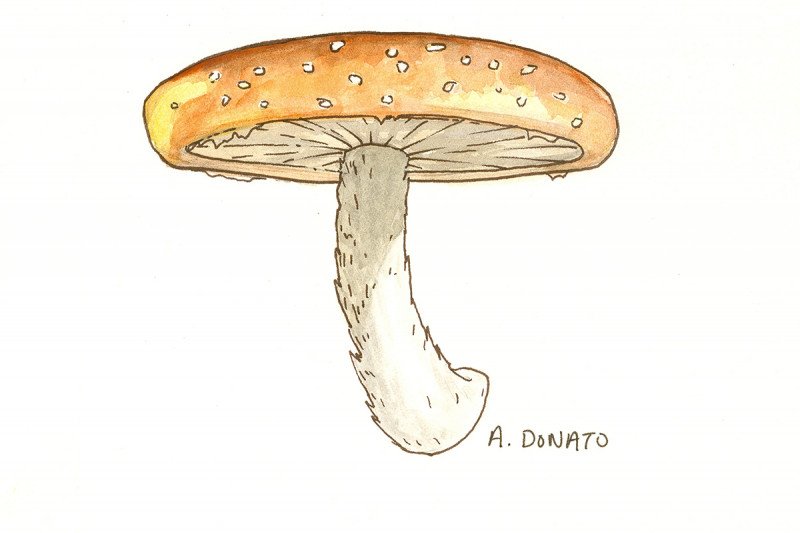
Shitake, hua gu, snake butter, forest mushroom and pasania fungus
Clinical Summary
Lentinan, a polysaccharide, is derived from the mycelium of the shiitake mushroom body, and its active component is 1,3 beta glucan. It is considered a biological response modifier.
In some countries, parenteral lentinan is classified as an antineoplastic polysaccharide and is available for clinical use. Addition of lentinan to standard cancer therapies resulted in increased tumor necrosis and mean survival as well as reduced recurrence in patients with hepatocellular carcinoma (1); and improved quality of life in patients with esophageal carcinoma (15).
Improvements in quality of life and survival were also seen with an oral formulation of lentinan in patients with hepatocellular carcinoma (10), gastric (11) (14), colorectal (12), and pancreatic (13) cancers. However, well designed, large scale studies are needed to establish the role of lentinan as a useful adjunct to cancer treatment.
Only oral formulations and extracts, which are considered dietary supplements, are available for use in the United States.
Purported Uses
- Cancer prevention
- Cancer treatment
- High cholesterol
- Immunostimulation
- Infections
Constituents
- Water-soluble beta 1,3 glucan polysaccharide characterized by beta 1,6 branched glucan linkage
- Other polysaccharides
(5)
Mechanism of Action
Lentinan's active polysaccharide, 1,3 beta glucan, is not cytotoxic but seems to enhance T-helper cell function and increase stimulation of interleukin, interferon, and normal killer cells (3) (4). In vivo studies suggest that 1,3 beta glucan increases IL-4-producing cells, suggesting a stimulation of Th2-mediated immunity (5). In addition to antitumor activity, it also possesses immune-regulatory effects, anti-viral activity, antimicrobial properties, and cholesterol-lowering effects (6).
Lentinan also was shown to induce apoptosis in gastric cancer cells, and this effect was enhanced when combined with docetaxel and cisplatin (16).
Adverse Reactions
Case Report: Chest tightness was reported following parenteral injection of lentinan(7).
Herb-Drug Interactions
Zidovudine (AZT): Lentinan may enhance activity when used along with AZT (8).
Didanosine (DDI, Videx): Concurrent use with Lentinan may increase CD4 levels in AIDS patients (9).
Literature Summary and Critique
Dosage (Inside MSKCC Only)
This field is only visible to only Inside MSKCC users.
References
- Yang P, Liang M, Zhang Y, et al. Clinical application of a combination therapy of lentinan, multi-electrode RFA and TACE in HCC. Adv Ther. Aug 2008;25(8):787-794.
- Hobbs C. Medicinal Mushrooms. 3rd ed. Loveland (CO): Interweave Press; 1996.
- Chihara G, Maeda Y, Hamuro J, et al.Inhibition of mouse sarcoma 180 by polysaccharides from Lentinus edodes (Berk.) sing. Nature. May 17 1969;222(5194):687-688.
- Hamuro J, Rollinghoff M, Wagner H. Induction of cytotoxic peritoneal exudate cells by T-cell immune adjuvants of the beta (1 leads to 3) glucan-type lentinan and its analogues. Immunology 1980;39:551.
- Dong SF, Chen JM, Zhang W, et al. Specific immune response to HBsAg is enhanced by beta-glucan oligosaccharide containing an alpha-(1—>3)-linked bond and biased towards M2/Th2. Int Immunopharmacol. Jun 2007;7(6):725-733.
- Reed F. Immunomodulating and antitumor activity of lentinan. Int J Immunopharm. 1982;4:264.
- Wada T, Nishide T, Hatayama K, et al. [A comparative clinical trial with tegafur plus lentinan treatment at two different doses in advanced cancer]. Gan To Kagaku Ryoho. Aug 1987;14(8):2509-2512.
- Tochikura TS, Nakashima H, Kaneko Y, et al. Suppression of human immunodeficiency virus replication by 3'-azido-3'-deoxythymidine in various human hematopoietic cell lines in vitro: augmentation of the effect by lentinan. Jpn J Cancer Res. Jun 1987;78(6):583-589.
- Gordon M, Guralnik M, Kaneko Y, et al. A phase II controlled study of a combination of the immune modulator, lentinan, with didanosine (ddI) in HIV patients with CD4 cells of 200-500/mm3. J Med. 1995;26(5-6):193-207.
- Isoda N, Eguchi Y, Nukaya H, et al. Clinical efficacy of superfine dispersed lentinan (beta-1,3-glucan) in patients with hepatocellular carcinoma. Hepatogastroenterology. 2009 Mar-Apr;56(90):437-41.
- Oba K, Kobayashi M, Matsui T, Kodera Y, Sakamoto J. Individual patient based meta-analysis of lentinan for unresectable/recurrent gastric cancer. Anticancer Res. 2009 Jul;29(7):2739-45.
- Hazama S, Watanabe S, Ohashi M, et al. Efficacy of orally administered superfine dispersed lentinan (beta-1,3-glucan) for the treatment of advanced colorectal cancer. Anticancer Res. 2009 Jul;29(7):2611-7.
- Shimizu K, Watanabe S, Watanabe S, et al. Efficacy of oral administered superfine dispersed lentinan for advanced pancreatic cancer. Hepatogastroenterology. 2009 Jan-Feb;56(89):240-4.
- Yoshino S, Watanabe S, Imano M, et al. Improvement of QOL and prognosis by treatment of superfine dispersed lentinan in patients with advanced gastric cancer. Hepatogastroenterology. 2010 Jan-Feb;57(97):172-7.
- Wang JL, Bi Z, Zou JW, Gu XM. Combination therapy with lentinan improves outcomes in patients with esophageal carcinoma. Mol Med Report. 2012 Mar;5(3):745-8.
- Zhao L, Xiao Y, Xiao N. Effect of lentinan combined with docetaxel and cisplatin on the proliferation and apoptosis of BGC823 cells. Tumour Biol. 2013 Feb 13. [Epub ahead of print]
Consumer Information
How It Works
Bottom Line: Lentinan may help extend the survival of patients with some cancers when used with chemotherapy.
Lentinan is a type of polysaccharide (sugar molecule) called 1,3 beta glucan. In laboratory tests, lentinan does not kill cancer cells directly, instead enhances a number of aspects of the immune system, which may aid in slowing the growth of tumors. Lentinan also kills viruses and microbes directly in laboratory studies.
Purported Uses
- To prevent and treat cancer
Several clinical trials show that lentinan, combined with chemotherapy, extends survival in patients with stomach, prostrate, colorectal cancers, and hepatocellular carcinoma.
- To lower cholesterol
Laboratory studies support this use, but human data are lacking.
- To stimulate immune system
Laboratory and a few human studies show that lentinan increases the activity of certain immune cells.
- To treat infections
Laboratory and a few human studies show that lentinan increases the activity of certain immune cells.
Research Evidence
Over 300 case reports and studies have been published by foreign researchers who used lentinan alone or in combination with chemotherapy and/or radiation.
Stomach cancer:
The effectiveness of lentinan injections combined with chemotherapy was examined in a study involving 89 patients with inoperable or recurrent gastric cancer. At the trial's end, it was found that chemotherapy combined with lentinan prolonged the survival of patients when compared to chemotherapy alone. These results further support the use of lentinan injections in gastric cancer treatment.
Side Effects
- A single case of chest tightness has been reported following administration of lentinan.
Last updated: February 27, 2013
ablation (a-BLAY-shun)
In medicine, the removal or destruction of a body part or tissue or its function. Ablation may be performed by surgery, hormones, drugs, radiofrequency, heat, or other methods.
Source: The National Cancer Institute's Dictionary of Cancer Terms
(http://www.cancer.gov/dictionary)
adjunct therapy (A-junkt THAYR-uh-pee)
Another treatment used together with the primary treatment. Its purpose is to assist the primary treatment. Also called adjunctive therapy.
Source: The National Cancer Institute's Dictionary of Cancer Terms
(http://www.cancer.gov/dictionary)
administration (ad-MIH-nih-STRAY-shun)
In medicine, the act of giving a treatment, such as a drug, to a patient. It can also refer to the way it is given, the dose, or how often it is given.
Source: The National Cancer Institute's Dictionary of Cancer Terms
(http://www.cancer.gov/dictionary)
antimicrobial (AN-tee-my-KROH-bee-ul)
A substance that kills microorganisms such as bacteria or mold, or stops them from growing and causing disease.
Source: The National Cancer Institute's Dictionary of Cancer Terms
(http://www.cancer.gov/dictionary)
antineoplastic (AN-tee-NEE-oh-PLAS-tik)
Blocking the formation of neoplasms (growths that may become cancer).
Source: The National Cancer Institute's Dictionary of Cancer Terms
(http://www.cancer.gov/dictionary)
antitumor (AN-tee-TOO-mer)
Having to do with stopping abnormal cell growth.
Source: The National Cancer Institute's Dictionary of Cancer Terms
(http://www.cancer.gov/dictionary)
apoptosis (A-pop-TOH-sis)
A type of cell death in which a series of molecular steps in a cell leads to its death. This is the body’s normal way of getting rid of unneeded or abnormal cells. The process of apoptosis may be blocked in cancer cells. Also called programmed cell death.
Source: The National Cancer Institute's Dictionary of Cancer Terms
(http://www.cancer.gov/dictionary)
biological (BY-oh-LAH-jih-kul)
Pertaining to biology or to life and living things. In medicine, refers to a substance made from a living organism or its products. Biologicals may be used to prevent, diagnose, treat or relieve of symptoms of a disease. For example, antibodies, interleukins, and vaccines are biologicals. Biological also refers to parents and children who are related by blood.
Source: The National Cancer Institute's Dictionary of Cancer Terms
(http://www.cancer.gov/dictionary)
cancer (KAN-ser)
A term for diseases in which abnormal cells divide without control and can invade nearby tissues. Cancer cells can also spread to other parts of the body through the blood and lymph systems. There are several main types of cancer. Carcinoma is a cancer that begins in the skin or in tissues that line or cover internal organs. Sarcoma is a cancer that begins in bone, cartilage, fat, muscle, blood vessels, or other connective or supportive tissue. Leukemia is a cancer that starts in blood-forming tissue such as the bone marrow, and causes large numbers of abnormal blood cells to be produced and enter the blood. Lymphoma and multiple myeloma are cancers that begin in the cells of the immune system. Central nervous system cancers are cancers that begin in the tissues of the brain and spinal cord. Also called malignancy.
Source: The National Cancer Institute's Dictionary of Cancer Terms
(http://www.cancer.gov/dictionary)
carcinoma (KAR-sih-NOH-muh)
Cancer that begins in the skin or in tissues that line or cover internal organs.
Source: The National Cancer Institute's Dictionary of Cancer Terms
(http://www.cancer.gov/dictionary)
chemoembolization (KEE-moh-EM-boh-lih-ZAY-shun)
A procedure in which the blood supply to a tumor is blocked after anticancer drugs are given in blood vessels near the tumor. Sometimes, the anticancer drugs are attached to small beads that are injected into an artery that feeds the tumor. The beads block blood flow to the tumor as they release the drug. This allows a higher amount of drug to reach the tumor for a longer period of time, which may kill more cancer cells. It also causes fewer side effects because very little of the drug reaches other parts of the body. Chemoembolization is used to treat liver cancer. Also called TACE and transarterial chemoembolization.
Source: The National Cancer Institute's Dictionary of Cancer Terms
(http://www.cancer.gov/dictionary)
chemotherapy (KEE-moh-THAYR-uh-pee)
Treatment with drugs that kill cancer cells.
Source: The National Cancer Institute's Dictionary of Cancer Terms
(http://www.cancer.gov/dictionary)
cisplatin (sis-PLA-tin)
A drug used to treat many types of cancer. Cisplatin contains the metal platinum. It kills cancer cells by damaging their DNA and stopping them from dividing. Cisplatin is a type of alkylating agent.
Source: The National Cancer Institute's Dictionary of Cancer Terms
(http://www.cancer.gov/dictionary)
clinical (KLIH-nih-kul)
Having to do with the examination and treatment of patients.
Source: The National Cancer Institute's Dictionary of Cancer Terms
(http://www.cancer.gov/dictionary)
colorectal (KOH-loh-REK-tul)
Having to do with the colon or the rectum.
Source: The National Cancer Institute's Dictionary of Cancer Terms
(http://www.cancer.gov/dictionary)
combination therapy (KOM-bih-NAY-shun THAYR-uh-pee)
Therapy that combines more than one method of treatment. Also called multimodality therapy and multimodality treatment.
Source: The National Cancer Institute's Dictionary of Cancer Terms
(http://www.cancer.gov/dictionary)
docetaxel (DOH-seh-TAK-sil)
A drug used to treat certain types of cancers of the breast, stomach, lung, prostate, and head and neck. It is being studied in the treatment of other types of cancer. Docetaxel kills cancer cells by stopping them from dividing. It is a type of taxane. Also called Taxotere.
Source: The National Cancer Institute's Dictionary of Cancer Terms
(http://www.cancer.gov/dictionary)
esophageal (ee-SAH-fuh-JEE-ul)
Having to do with the esophagus, the muscular tube through which food passes from the throat to the stomach.
Source: The National Cancer Institute's Dictionary of Cancer Terms
(http://www.cancer.gov/dictionary)
foreign (FOR-in)
In medicine, foreign describes something that comes from outside the body. A foreign substance in the body’s tissues, such as a bacterium or virus, may be recognized by the immune system as not belonging to the body. This causes an immune response. Other foreign substances in the body, such as artificial joints, are designed to not cause an immune response.
Source: The National Cancer Institute's Dictionary of Cancer Terms
(http://www.cancer.gov/dictionary)
gastric (GAS-trik)
Having to do with the stomach.
Source: The National Cancer Institute's Dictionary of Cancer Terms
(http://www.cancer.gov/dictionary)
gastric cancer (GAS-trik KAN-ser)
Cancer that forms in tissues lining the stomach. Also called stomach cancer.
Source: The National Cancer Institute's Dictionary of Cancer Terms
(http://www.cancer.gov/dictionary)
hepatocellular carcinoma (heh-PA-toh-SEL-yoo-ler KAR-sih-NOH-muh)
A type of adenocarcinoma and the most common type of liver tumor.
Source: The National Cancer Institute's Dictionary of Cancer Terms
(http://www.cancer.gov/dictionary)
immune system (ih-MYOON SIS-tem)
The complex group of organs and cells that defends the body against infections and other diseases.
Source: The National Cancer Institute's Dictionary of Cancer Terms
(http://www.cancer.gov/dictionary)
immunity (ih-MYOO-nih-tee)
The condition of being protected against an infectious disease. Immunity can be caused by a vaccine, previous infection with the same agent, or by transfer of immune substances from another person or animal.
Source: The National Cancer Institute's Dictionary of Cancer Terms
(http://www.cancer.gov/dictionary)
in vivo (in VEE-voh)
In the body. The opposite of in vitro (outside the body or in the laboratory).
Source: The National Cancer Institute's Dictionary of Cancer Terms
(http://www.cancer.gov/dictionary)
inoperable (in-AH-peh-ruh-bul)
Describes a condition that cannot be treated by surgery.
Source: The National Cancer Institute's Dictionary of Cancer Terms
(http://www.cancer.gov/dictionary)
lentinan (LEN-tih-nun)
A beta-glucan (a type of polysaccharide) from the mushroom (shiitake mushroom). It has been studied in Japan as a treatment for cancer.
Source: The National Cancer Institute's Dictionary of Cancer Terms
(http://www.cancer.gov/dictionary)
M
In chemistry, M is the amount of a substance that has 6.023 x 10(23) atoms or molecules of that substance. Also called mole (chemical).
Source: The National Cancer Institute's Dictionary of Cancer Terms
(http://www.cancer.gov/dictionary)
mean (meen)
A statistics term. The average value in a set of measurements. The mean is the sum of a set of numbers divided by how many numbers are in the set.
Source: The National Cancer Institute's Dictionary of Cancer Terms
(http://www.cancer.gov/dictionary)
necrosis (neh-KROH-sis)
Refers to the death of living tissues.
Source: The National Cancer Institute's Dictionary of Cancer Terms
(http://www.cancer.gov/dictionary)
oral (OR-ul)
By or having to do with the mouth.
Source: The National Cancer Institute's Dictionary of Cancer Terms
(http://www.cancer.gov/dictionary)
pancreatic (PAN-kree-A-tik)
Having to do with the pancreas.
Source: The National Cancer Institute's Dictionary of Cancer Terms
(http://www.cancer.gov/dictionary)
polysaccharide (PAH-lee-SA-kuh-ride)
A large carbohydrate molecule. It contains many small sugar molecules that are joined chemically. Also called glycan.
Source: The National Cancer Institute's Dictionary of Cancer Terms
(http://www.cancer.gov/dictionary)
quality of life (KWAH-lih-tee ... life)
The overall enjoyment of life. Many clinical trials assess the effects of cancer and its treatment on the quality of life. These studies measure aspects of an individual’s sense of well-being and ability to carry out various activities.
Source: The National Cancer Institute's Dictionary of Cancer Terms
(http://www.cancer.gov/dictionary)
radiation (RAY-dee-AY-shun)
Energy released in the form of particle or electromagnetic waves. Common sources of radiation include radon gas, cosmic rays from outer space, medical x-rays, and energy given off by a radioisotope (unstable form of a chemical element that releases radiation as it breaks down and becomes more stable).
Source: The National Cancer Institute's Dictionary of Cancer Terms
(http://www.cancer.gov/dictionary)
recurrence (ree-KER-ents)
Cancer that has recurred (come back), usually after a period of time during which the cancer could not be detected. The cancer may come back to the same place as the original (primary) tumor or to another place in the body. Also called recurrent cancer.
Source: The National Cancer Institute's Dictionary of Cancer Terms
(http://www.cancer.gov/dictionary)
response (reh-SPONTS)
In medicine, an improvement related to treatment.
Source: The National Cancer Institute's Dictionary of Cancer Terms
(http://www.cancer.gov/dictionary)
significant (sig-NIH-fih-kunt)
In statistics, describes a mathematical measure of difference between groups. The difference is said to be significant if it is greater than what might be expected to happen by chance alone. Also called statistically significant.
Source: The National Cancer Institute's Dictionary of Cancer Terms
(http://www.cancer.gov/dictionary)
stomach (STUH-muk)
An organ that is part of the digestive system. The stomach helps digest food by mixing it with digestive juices and churning it into a thin liquid.
Source: The National Cancer Institute's Dictionary of Cancer Terms
(http://www.cancer.gov/dictionary)
TACE
A procedure in which the blood supply to a tumor is blocked after anticancer drugs are given in blood vessels near the tumor. Sometimes, the anticancer drugs are attached to small beads that are injected into an artery that feeds the tumor. The beads block blood flow to the tumor as they release the drug. This allows a higher amount of drug to reach the tumor for a longer period of time, which may kill more cancer cells. It also causes fewer side effects because very little of the drug reaches other parts of the body. TACE is used to treat liver cancer. Also called chemoembolization and transarterial chemoembolization.
Source: The National Cancer Institute's Dictionary of Cancer Terms
(http://www.cancer.gov/dictionary)
tumor (TOO-mer)
An abnormal mass of tissue that results when cells divide more than they should or do not die when they should. Tumors may be benign (not cancer), or malignant (cancer). Also called neoplasm.
Source: The National Cancer Institute's Dictionary of Cancer Terms
(http://www.cancer.gov/dictionary)