Health Care Professional Information
Scientific Name
Lepidium Meyennii Walp, Lepidium peruvianum Chacon
Common Name
Maca-maca, maino, ayak chichira, and ayak willku
Clinical Summary
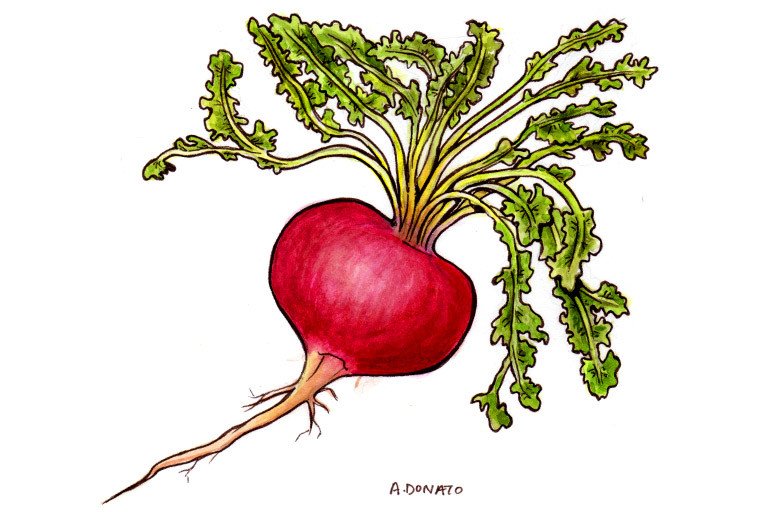
A nutritionally valuable plant native to Peru that grows in a harsh climate above 4,000 feet, maca has been used traditionally to enhance fertility and sexual performance in both men and women and to relieve menopausal symptoms (1). It has been purported to treat cancer and to improve stamina in cancer patients.
Animal studies indicate that maca increases endurance (6), enhances sexual function (2)(5) and improves scopolamine-induced memory deficits (14).
Human trials of maca reported increased libido (3) and improvement in sperm production and sperm motility (4). Maca supplementation was also shown to enhance the subjective feeling of sexual well-being (11) and may benefit those with sexual dysfunction induced by selective-serotonin reuptake inhibitors (SSRIs) (12). However, the evidence to support use of maca for sexual dysfunction is limited and needs further research (13). The data on maca's role in alleviating menopausal symptoms are limited (15).
Another review indicates that maca is not an effective anti-aging agent (16).
Dried maca was shown to have lower content of the suspected active metabolite than fresh maca. It is also available as a liquor, tonic and mayonnaise, although health benefits of these derivatives seem minimal (7).
Purported Uses
- Infertility
- Menopausal symptoms
- Sexual performance
- Strength and stamina
- Cancer treatment
Constituents
- Carbohydrates
- Amino acids - aspartic acid, glutamic acid, serine, glycine, arginine, valine, phenylalanine, tyrosine, threonine.
- Fiber
- Lipids - Fatty Acids, linoleic acid, palmitic acid, oleic acid and sterols
(1) (7) (6) (8)
Mechanism of Action
Maca root contains far greater amounts of glucosinolates than other members of the Brassicacae family, such as cabbage, cauliflower and broccoli. Fertility-enhancing properties of maca are thought to be due to aromatic isothiocyanates hydrolyzed from these glucosinolates. Furthermore, benzyl isothiocyanate has been reported to inhibit breast, stomach and liver cancer in rats. Aphrodisiacal properties are attributed to the prostaglandins, sterols and amides of polyunsaturated fatty acids (7). The most confounding question about maca's effect is its ability to influence sexual performance without affecting serum hormone levels such as luteinizing hormone, follicle stimulating hormone, prolactin, testosterone and estradiol (9). It is therefore assumed that maca acts on the receptors for these hormones (4).
Both methanolic and aqueous extracts of Maca exhibit estrogenic activity in vitro (10). Alkaloids purified from the maca root are thought to affect the hypothalamic-pituitary axis, explaining why maca can induce effects in both sexes (6).
Literature Summary and Critique
Shin BC, Lee MS, Yang EJ, Lim HS, Ernst E. Maca (L. meyenii) for improving sexual function: a systematic review. BMC Complement Altern Med. 2010 Aug 6;10:44.
This review was conducted to determine the effectiveness of maca for the treatment of sexual dysfunction. Seventeen databases from the date of their launch until April 2010 were searched for randomized clinical trials. The risk of bias for each study was assessed using Cochrane criteria, and statistical pooling of data was performed where possible. The selection of studies, data extraction, and validations were performed independently by two authors. Four studies met the inclusion criteria, two of which suggested a significant positive effect of maca on sexual dysfunction or sexual desire in healthy menopausal women or healthy adult men. The third study did not show any effects in healthy cyclists. The fourth trial assessed the effects of maca in patients with erectile dysfunction using the International Index of Erectile Dysfunction-5 and showed significant effects.
The evidence to support use of maca in improving sexual function is limited. More studies are warranted.
Dosage (Inside MSKCC Only)
This field is only visible to only Inside MSKCC users.
References
- Muhammad I, Zhao J, Dunbar DC, Khan IA. Constituents of Lepidium meyenii 'maca'. Phytochemistry 2002;59:105-10.
- Zheng BL, He K, Kim CH, Rogers L, Shao Y, Huang ZY et al. Effect of a lipidic extract from lepidium meyenii on sexual behavior in mice and rats. Urology 2000;55:598-602.
- Gonzales GF, Cordova A, Vega K, Chung A, Villena A, Gonez Cet al. Effect of Lepidium meyenii (MACA) on sexual desire and its absent relationship with serum testosterone levels in adult healthy men. Andrologia 2002;34:367-72.
- Gonzales GF, Cordova A, Gonzales C, Chung A, Vega K, Villena A. Lepidium meyenii (Maca) improved semen parameters in adult men. Asian J Androl 2001;3:301-3.
- Cicero AF, Piacente S, Plaza A, Sala E, Arletti R, Pizza C. Hexanic Maca extract improves rat sexual performance more effectively than methanolic and chloroformic Maca extracts. Andrologia 2002;34:177-9.
- Balick MJ,.Lee R. Maca: from traditional food crop to energy and libido stimulant. Altern Ther Health Med 2002;8:96-8.
- Li G, Ammermann U, Quiros CF. Glucosinolate Contents in Maca (Lepidium peruvianum chacon) Seeds, Sprouts, Mature Plants and Several Derived Commercial Products. Economic Botany 2001;55:255-62.
- Piacente S, Carbone V, Plaza A, Zampelli A, Pizza C. Investigation of the tuber constituents of maca (Lepidium meyenii Walp.). J Agric Food Chem. 2002;50:5621-5.
- Gonzales GF, Cordova A, Vega K, et al. Effect of Lepidium meyenii (Maca), a root with aphrodisiac and fertility-enhancing properties, on serum reproductive hormone levels in adult healthy men. J Endocrinol 2003;176(1):163-8.
- Valentova K, Buckiova D, Kren V, et al. The in vitro biological activity of Lepidium meyenii extracts.Cell Biol Toxicol 2006;22(2):91-9.
- Zenico T, Cicero AF, Valmorri L, Mercuriali M, Bercovich E. Subjective effects of Lepidium meyenii (Maca) extract on well-being and sexual performances in patients with mild erectile dysfunction: a randomised, double-blind clinical trial. Andrologia. 2009 Apr;41(2):95-9.
- Dording CM, Fisher L, Papakostas G, et al. A double-blind, randomized, pilot dose-finding study of maca root (L. meyenii) for the management of SSRI-induced sexual dysfunction. CNS Neurosci Ther. 2008 Fall;14(3):182-91.
- Shin BC, Lee MS, Yang EJ, Lim HS, Ernst E. Maca (L. meyenii) for improving sexual function: a systematic review. BMC Complement Altern Med. 2010 Aug 6;10:44.
- Rubio J, Dang H, Gong M, et al. Aqueous and hydroalcoholic extracts of Black Maca (Lepidium meyenii) improve scopolamine-induced memory impairment in mice. Food Chem Toxicol. 2007 Oct;45(10):1882-90.
- Lee MS, Shin BC, Yang EJ, Lim HJ, Ernst E. Maca (Lepidium meyenii) for treatment of menopausal symptoms: A systematic review.Maturitas. 2011 Nov;70(3):227-33.
- Hunt KJ, Hung SK, Ernst E. Botanical extracts as anti-aging preparations for the skin: a systematic review.Drugs Aging. 2010 Dec 1;27(12):973-85.
Consumer Information
How It Works
Bottom Line: Maca may increase sexual function but it has not been shown effective against cancer.
Maca root is in the same family as cabbage, cauliflower and broccoli. Maca has traditionally been used to improve sexual performance and as a treatment for infertility. Studies have shown that maca is able to improve sexual performance, however it does so without affecting serum hormone levels in the blood. It is possible that maca affects the receptors that these hormones bind to. Because maca affects the body through these hormones, it is assumed that it can produce effects in members of both sexes. Further study is warranted.
Purported Uses
- To treat infertility
No clinical trials support this use.
- To treat menopausal symptoms
There is no evidence to back this claim.
- To improve sexual performance
A few clinical trials showed increase in sexual desire, sperm count and motility.
- To improve strength and stamina
This use is not backed by research.
- To treat cancer
Scientific evidence is lacking to support this claim.
Research Evidence
Sexual performance:
A systematic review was conducted to determine the effectiveness of maca for the treatment of sexual dysfunction. Seventeen databases from the date of their launch until April 2010 were searched for randomized clinical trials. Of the four studies selected for the review, two suggested a significant positive effect of maca on sexual dysfunction or sexual desire in healthy menopausal women or healthy adult men. The third study did not show any effects in healthy cyclists. The fourth trial was done to study the effects of maca in patients with erectile dysfunction and it showed significant effects.
Last updated: April 30, 2013
aqueous (A-kwee-us)
Having to do with water.
Source: The National Cancer Institute's Dictionary of Cancer Terms
(http://www.cancer.gov/dictionary)
aromatic (AYR-oh-MA-tik)
Having an odor, which often is pleasant or spicy.
Source: The National Cancer Institute's Dictionary of Cancer Terms
(http://www.cancer.gov/dictionary)
bias (BY-us)
In a scientific research study or clinical trial, a flaw in the study design or the method of collecting or interpreting information. Biases can lead to incorrect conclusions about what the study or clinical trial showed.
Source: The National Cancer Institute's Dictionary of Cancer Terms
(http://www.cancer.gov/dictionary)
blood (blud)
A tissue with red blood cells, white blood cells, platelets, and other substances suspended in fluid called plasma. Blood takes oxygen and nutrients to the tissues, and carries away wastes.
Source: The National Cancer Institute's Dictionary of Cancer Terms
(http://www.cancer.gov/dictionary)
breast (brest)
Glandular organ located on the chest. The breast is made up of connective tissue, fat, and breast tissue that contains the glands that can make milk. Also called mammary gland.
Source: The National Cancer Institute's Dictionary of Cancer Terms
(http://www.cancer.gov/dictionary)
cancer (KAN-ser)
A term for diseases in which abnormal cells divide without control and can invade nearby tissues. Cancer cells can also spread to other parts of the body through the blood and lymph systems. There are several main types of cancer. Carcinoma is a cancer that begins in the skin or in tissues that line or cover internal organs. Sarcoma is a cancer that begins in bone, cartilage, fat, muscle, blood vessels, or other connective or supportive tissue. Leukemia is a cancer that starts in blood-forming tissue such as the bone marrow, and causes large numbers of abnormal blood cells to be produced and enter the blood. Lymphoma and multiple myeloma are cancers that begin in the cells of the immune system. Central nervous system cancers are cancers that begin in the tissues of the brain and spinal cord. Also called malignancy.
Source: The National Cancer Institute's Dictionary of Cancer Terms
(http://www.cancer.gov/dictionary)
clinical (KLIH-nih-kul)
Having to do with the examination and treatment of patients.
Source: The National Cancer Institute's Dictionary of Cancer Terms
(http://www.cancer.gov/dictionary)
dose (dose)
The amount of medicine taken, or radiation given, at one time.
Source: The National Cancer Institute's Dictionary of Cancer Terms
(http://www.cancer.gov/dictionary)
dysfunction (dis-FUNK-shun)
A state of not functioning normally.
Source: The National Cancer Institute's Dictionary of Cancer Terms
(http://www.cancer.gov/dictionary)
erectile dysfunction (eh-REK-tile dis-FUNK-shun)
An inability to have an erection of the penis adequate for sexual intercourse. Also called impotence.
Source: The National Cancer Institute's Dictionary of Cancer Terms
(http://www.cancer.gov/dictionary)
estradiol (es-truh-DY-ol)
A form of the hormone estrogen.
Source: The National Cancer Institute's Dictionary of Cancer Terms
(http://www.cancer.gov/dictionary)
follicle (FAH-lih-kul)
A sac or pouch-like cavity formed by a group of cells. In the ovaries, one follicle contains one egg. In the skin, one follicle contains one hair.
Source: The National Cancer Institute's Dictionary of Cancer Terms
(http://www.cancer.gov/dictionary)
hormone (HOR-mone)
One of many chemicals made by glands in the body. Hormones circulate in the bloodstream and control the actions of certain cells or organs. Some hormones can also be made in the laboratory.
Source: The National Cancer Institute's Dictionary of Cancer Terms
(http://www.cancer.gov/dictionary)
in vitro (in VEE-troh)
In the laboratory (outside the body). The opposite of in vivo (in the body).
Source: The National Cancer Institute's Dictionary of Cancer Terms
(http://www.cancer.gov/dictionary)
infertility (IN-fer-TIH-lih-tee)
The inability to produce children.
Source: The National Cancer Institute's Dictionary of Cancer Terms
(http://www.cancer.gov/dictionary)
libido (lih-BEE-doh)
Sexual desire or the mental energy or emotion related to sex.
Source: The National Cancer Institute's Dictionary of Cancer Terms
(http://www.cancer.gov/dictionary)
liver (LIH-ver)
A large organ located in the upper abdomen. The liver cleanses the blood and aids in digestion by secreting bile.
Source: The National Cancer Institute's Dictionary of Cancer Terms
(http://www.cancer.gov/dictionary)
luteinizing hormone (LOO-tih-NY-zing HOR-mone)
A hormone made in the pituitary gland. In females, it acts on the ovaries to make follicles release their eggs and to make hormones that get the uterus ready for a fertilized egg to be implanted. In males, it acts on the testes to cause cells to grow and make testosterone. Also called interstitial cell-stimulating hormone, LH, and lutropin.
Source: The National Cancer Institute's Dictionary of Cancer Terms
(http://www.cancer.gov/dictionary)
metabolite (meh-TA-boh-lite)
A substance made or used when the body breaks down food, drugs or chemicals, or its own tissue (for example, fat or muscle tissue). This process, called metabolism, makes energy and the materials needed for growth, reproduction, and maintaining health. It also helps get rid of toxic substances.
Source: The National Cancer Institute's Dictionary of Cancer Terms
(http://www.cancer.gov/dictionary)
prolactin (proh-LAK-tin)
A hormone that is made by the pituitary gland (a pea-sized organ in the center of the brain). Prolactin causes a woman’s breasts to make milk during and after pregnancy, and has many other effects in the body.
Source: The National Cancer Institute's Dictionary of Cancer Terms
(http://www.cancer.gov/dictionary)
randomized
Describes an experiment or clinical trial in which animal or human subjects are assigned by chance to separate groups that compare different treatments.
Source: The National Cancer Institute's Dictionary of Cancer Terms
(http://www.cancer.gov/dictionary)
serum (SEER-um)
The clear liquid part of the blood that remains after blood cells and clotting proteins have been removed.
Source: The National Cancer Institute's Dictionary of Cancer Terms
(http://www.cancer.gov/dictionary)
significant (sig-NIH-fih-kunt)
In statistics, describes a mathematical measure of difference between groups. The difference is said to be significant if it is greater than what might be expected to happen by chance alone. Also called statistically significant.
Source: The National Cancer Institute's Dictionary of Cancer Terms
(http://www.cancer.gov/dictionary)
sperm (spurm)
The male reproductive cell, formed in the testicle. A sperm unites with an egg to form an embryo.
Source: The National Cancer Institute's Dictionary of Cancer Terms
(http://www.cancer.gov/dictionary)
sperm count (spurm kownt)
A count of the number of sperm in a sample of semen. A sperm count may be used as a measure of fertility.
Source: The National Cancer Institute's Dictionary of Cancer Terms
(http://www.cancer.gov/dictionary)
stamina (STA-mih-nuh)
The energy and strength to endure physical activity, stress, or illness over time.
Source: The National Cancer Institute's Dictionary of Cancer Terms
(http://www.cancer.gov/dictionary)
stomach (STUH-muk)
An organ that is part of the digestive system. The stomach helps digest food by mixing it with digestive juices and churning it into a thin liquid.
Source: The National Cancer Institute's Dictionary of Cancer Terms
(http://www.cancer.gov/dictionary)
supplementation (SUH-pleh-men-TAY-shun)
Adding nutrients to the diet.
Source: The National Cancer Institute's Dictionary of Cancer Terms
(http://www.cancer.gov/dictionary)
testosterone (tes-TOS-teh-rone)
A hormone made mainly in the testes (part of the male reproductive system). It is needed to develop and maintain male sex characteristics, such as facial hair, deep voice, and muscle growth. Testosterone may also be made in the laboratory and is used to treat certain medical conditions.
Source: The National Cancer Institute's Dictionary of Cancer Terms
(http://www.cancer.gov/dictionary)
therapeutic (THAYR-uh-PYOO-tik)
Having to do with treating disease and helping healing take place.
Source: The National Cancer Institute's Dictionary of Cancer Terms
(http://www.cancer.gov/dictionary)
toxicity (tok-SIH-sih-tee)
The extent to which something is poisonous or harmful.
Source: The National Cancer Institute's Dictionary of Cancer Terms
(http://www.cancer.gov/dictionary)