Health Care Professional Information
Common Name
King of mushrooms, dancing mushroom, cloud mushroom, hen of woods
Clinical Summary
Maitake mushroom is an edible mushroom consumed widely in Asia as food and used in traditional medicine to treat diabetes and hypertension. Maitake extracts are commercially available as dietary supplements marketed to “enhance immune function” and to treat HIV and cancer. Beta 1,6-glucan, a protein bound polysaccharide, has been identified as the active constituent.
Maitake extracts exhibited hypoglycemic effects in a few studies (9) (12). Preliminary data suggest that maitake may be useful in inducing ovulation in patients with polycystic ovary syndrome (PCOS) (22).
Maitake demonstrated antitumor effects (16), enhanced bone marrow colony formation, reduced doxorubicin toxicity (11), and inhibited tumor metastasis in vitro (13). In a study done in mice, oral maitake extract promoted maturation of hematopoietic cells to functionally active myeloid cells and enhanced peripheral blood leukocyte recovery following chemotoxic bone marrow injury (17). A novel polysaccharide, MZF, was shown to induce dendritic cell maturation and enhanced antitumor response (20).
Maitake also enhanced interferon activity against bladder cancer cells (18) and alleviated inflammation associated with inflammatory bowel disease (19).
In a small non-controlled study, tumor regression or significant improvements in symptoms were observed in half of the subjects using Maitake extract (5). In another study of postmenopausal breast cancer patients, oral administration of maitake extract was shown to have immunomodulatory effects (14).
More studies are underway to establish Maitake's anticancer potential.
Food Sources
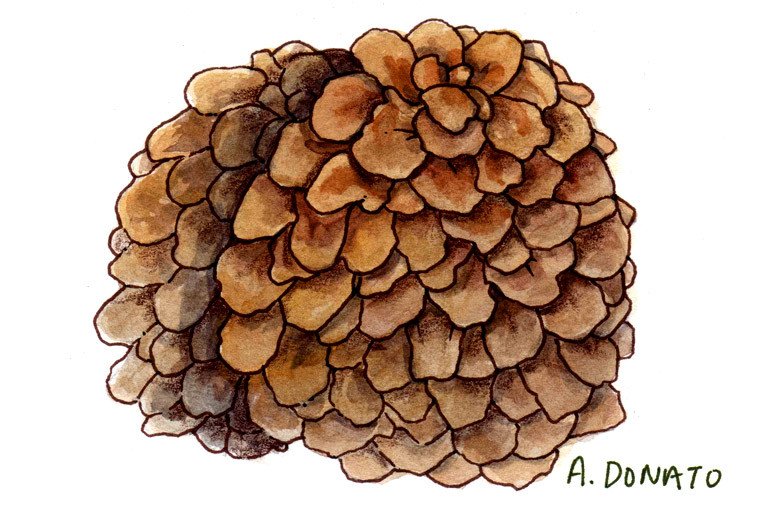
Maitake mushroom is an edible fungus. The whole mushroom can be fried or boiled.
Purported Uses
- Cancer prevention
- Diabetes
- High cholesterol
- Hypertension
- Immunostimulation
- Weight loss
Constituents
- Polysaccharides: 1,3 and 1,6 beta-glucans appear to be the most active ingredients. Alpha glucan is also present.
- Lipids: Octadecanoic and octadecadienoic acids
- Phospholipids: Phosphatidylethanolamine, phosphatidylcholine, phosphatidylinositol, phosphatidylserine and phosphatidic acid
- Ergosterol (vitamin D2)
(11) (12) (14)
Mechanism of Action
Maitake is thought to exert its effects through its ability to activate various effector cells, such as macrophages, natural killer cells, and T cells, as well as interleukin-1 and superoxide anions (2) (3) (4) (13). Studies also suggest possible hypoglycemic activity (9). The anti-diabetic effect of alpha-glucan may be due to its effects on insulin receptors by increasing insulin sensitivity and ameliorating insulin resistance of peripheral target tissues (12).
Maitake extract enhanced the growth and differentiation of mouse bone marrow cells treated with doxorubicin, a chemotherapeutic agent (11). In addition, maitake extract may modulate antigen presentation as evidenced by protection of mice against tumor implantation following transfer of dendritic cells from tumor-bearing mice that were treated with maitake extract (15).
Maitake D fraction demonstrated antitumor activity by upregulating expression of a proapoptotic gene, BAK-1 (23). In another study the beta glucan GFPBW1 also showed antitumor effects thought partially due to activation of macrophages via the Dectin-1/Syk/NF-κB signaling pathway (24).
Contraindications
Maitake may not be appropriate for those taking hypoglycemic medications as it can have synergistic effects (9).
Herb-Drug Interactions
Warfarin: Maitake may interact with warfarin resulting in an elevated international normalized ratio (INR) (21).
Dosage (Inside MSKCC Only)
This field is only visible to only Inside MSKCC users.
References
- Hobbs C. Medicinal Mushrooms, 3rd ed. Loveland (CO): Interweave Press; 1996.
- Adachi K, Nanba H, Kuroda H. Potentiation of host-mediated antitumor activity in mice by beta glucan obtained from Grifola frondosa (maitake). Chem Pharm Bull 1987;35:262-70.
- Kubo K, Aoki H. Nanba H. Anti-diabetic activity present in the fruit body of Grifola frondosa (Maitake). Biol Pharm Bull 1994;17:1106-10.
- Horio H, Ohtsuru M. Maitake (Grifola frondosa) improve glucose tolerance of experimental diabetic rats. J Nutr Sci Vitaminol 2001;47:57-63.
- Kodama N, Komuta K, Nanba H. Can Maitake MD-fraction aid cancer patients? Altern Med Rev 2002;7:236-9.
- Miura NN. Blood clearance of (1—>3)-beta-D-glucan in MRL lpr/lpr mice. FEMS Immunol Med Microbiol 1996;13:51-7.
- Ohno N, et al. Characterization of the antitumor glucan obtained from liquid-cultured Grifola frondosa. Chem Pharm Bull 1986;34:1709-1715.
- Nanba H, Kubo K. Maitake D-fraction: Healing and preventive potential for cancer. J Orthomolecular Med 1997;12:43-9.
- Konno S, et al. A possible hypoglycaemic effect of maitake mushroom on Type 2 diabetic patients. Diabet Med 2001 Dec;18(12):1010
- Yamada Y, et al. Antitumor effect of orally administered extracts from fruit body of grifola frondosa (maitake). Chemotherapy 1990;38:790-6.
- Lin H, et al. Maitake beta-glucan MD-fraction enhances bone marrow colony formation and reduces doxorubicin toxicity in vitro. Int Immunopharmacol 2004 Jan;4(1):91-9.
- Hong L, Xun M, Wutong W. Anti-diabetic effect of an alpha-glucan from fruit body of maitake (Grifola frondosa) on KK-Ay mice. Pharm Pharmacol. 2007 Apr;59(4):575-82.
- Masuda Y, Murata Y, Hayashi M, Nanba H. Inhibitory effect of MD-Fraction on tumor metastasis: involvement of NK cell activation and suppression of intercellular adhesion molecule (ICAM)-1 expression in lung vascular endothelial cells. Biol Pharm Bull 2008 Jun;31(6):1104-8.
- Deng G, Lin H, Seidman A, et al. A phase I/II trial of a polysaccharide extract from Grifola frondosa (Maitake mushroom) in breast cancer patients: immunological effects. J Cancer Res Clin Oncol. 2009 Sep;135(9):1215-21
- Harada N, Kodama N, Nanba H. Relationship between dendritic cells and the D-fraction-induced Th-1 dominant response in BALB/c tumor-bearing mice. Cancer Lett. 2003;192(2):181-7.
- Shomori K, Yamamoto M, Arifuku I, Teramachi K, Ito H. Antitumor effects of a water-soluble extract from Maitake (Grifola frondosa) on human gastric cancer cell lines. Oncol Rep. 2009 Sep;22(3):615-20.
- Lin H, de Stanchina E, Zhou XK, et al. Maitake beta-glucan promotes recovery of leukocytes and myeloid cell function in peripheral blood from paclitaxel hematotoxicity. Cancer Immunol Immunother. 2010 Jun;59(6):885-97.
- Louie B, Rajamahanty S, Won J, Choudhury M, Konno S. Synergistic potentiation of interferon activity with maitake mushroom d-fraction on bladder cancer cells. BJU Int. 2010 Apr;105(7):1011-5.
- Lee JS, Park SY, Thapa D, et al. Grifola frondosa water extract alleviates intestinal inflammation by suppressing TNF-alpha production and its signaling. Exp Mol Med. 2010 Feb 28;42(2):143-54.
- Masuda Y, Ito K, Konishi M, Nanba H. A polysaccharide extracted from Grifola frondosa enhances the anti-tumor activity of bone marrow-derived dendritic cell-based immunotherapy against murine colon cancer. Cancer Immunol Immunother. 2010 Oct;59(10):1531-41.
- Hanselin MR, Vande Griend JP, Linnebur SA. INR elevation with maitake extract in combination with warfarin. Ann Pharmacother. 2010 Jan;44(1):223-4.
- Chen JT, Tominaga K, Sato Y, Anzai H, Matsuoka R. Maitake mushroom (Grifola frondosa) extract induces ovulation in patients with polycystic ovary syndrome: a possible monotherapy and a combination therapy after failure with first-line clomiphene citrate. J Altern Complement Med. 2010 Dec;16(12):1295-9.
- Soares R, Meireles M, Rocha A, et al. Maitake (D fraction) mushroom extract induces apoptosis in breast cancer cells by BAK-1 gene activation.J Med Food. 2011 Jun;14(6):563-72.
- Fang J, Wang Y, Lv X, et al. Structure of a β-glucan from Grifola frondosa and its antitumor effect by activating Dectin-1/Syk/NF-κB signaling. Glycoconj J. 2012 Aug;29(5-6):365-77.
Consumer Information
How It Works
Bottom Line: Maitake demonstrated anticancer effects in laboratory studies. Research is underway to test its anticancer effects in humans.
Maitake is a mushroom that traditionally has been used in Japan and China as part of the diet and to treat diabetes and hypertension. Like other medicinal mushrooms, maitake contains a complex sugar called a beta-glucan. In laboratory studies, maitake extract was able to stimulate various cells and factors in the immune system. Studies in animals show that it slows the growth of certain tumors and lowers blood glucose (sugar) levels. More studies are being conducted to determine if maitake has the same effects in humans.
Purported Uses
- To prevent and treat cancer
Laboratory studies and small uncontrolled studies in humans show that maitake extracts slow the growth of tumors and stimulate certain immune cells.
- To manage diabetes
Maitake reduces blood glucose levels in rats.
- To lower high cholesterol
No scientific evidence supports this use.
- To lower high blood pressure
There are no studies to support this claim.
- As an immune stimulant
Maitake stimulates the activity of certain immune cells in laboratory studies and in mice.
- To lose weight
This claim is not backed by research.
Do Not Take If
- You are taking hypoglycemic medications to lower your blood sugar, as maitake can increase their effects.
- You are taking warfarin, as maitake may interact with warfarin resulting in an elevated international normalized ratio (INR).
Last updated: May 2, 2013
administration (ad-MIH-nih-STRAY-shun)
In medicine, the act of giving a treatment, such as a drug, to a patient. It can also refer to the way it is given, the dose, or how often it is given.
Source: The National Cancer Institute's Dictionary of Cancer Terms
(http://www.cancer.gov/dictionary)
antigen (AN-tih-jen)
Any substance that causes the body to make a specific immune response.
Source: The National Cancer Institute's Dictionary of Cancer Terms
(http://www.cancer.gov/dictionary)
antitumor (AN-tee-TOO-mer)
Having to do with stopping abnormal cell growth.
Source: The National Cancer Institute's Dictionary of Cancer Terms
(http://www.cancer.gov/dictionary)
beta-glucan (BAY-tuh-GLOO-kan)
A substance found in bacteria, plants, and certain foods, such as baker’s yeast, cereal grains, and mushrooms. It is a type of polysaccharide that is made of a string of glucose (sugar) molecules joined together. Beta-glucan may stimulate the immune system and help kill cancer cells. It is being studied in the treatment of cancer. It is a type of biological response modifier.
Source: The National Cancer Institute's Dictionary of Cancer Terms
(http://www.cancer.gov/dictionary)
bladder (BLA-der)
The organ that stores urine.
Source: The National Cancer Institute's Dictionary of Cancer Terms
(http://www.cancer.gov/dictionary)
blood (blud)
A tissue with red blood cells, white blood cells, platelets, and other substances suspended in fluid called plasma. Blood takes oxygen and nutrients to the tissues, and carries away wastes.
Source: The National Cancer Institute's Dictionary of Cancer Terms
(http://www.cancer.gov/dictionary)
blood sugar (blud SHUH-ger)
Glucose (a type of sugar) found in the blood. Also called glycemia.
Source: The National Cancer Institute's Dictionary of Cancer Terms
(http://www.cancer.gov/dictionary)
bone marrow (bone MAYR-oh)
The soft, sponge-like tissue in the center of most bones. It produces white blood cells, red blood cells, and platelets.
Source: The National Cancer Institute's Dictionary of Cancer Terms
(http://www.cancer.gov/dictionary)
bowel (BOW-ul)
The long, tube-shaped organ in the abdomen that completes the process of digestion. The bowel has two parts, the small bowel and the large bowel. Also called intestine.
Source: The National Cancer Institute's Dictionary of Cancer Terms
(http://www.cancer.gov/dictionary)
breast (brest)
Glandular organ located on the chest. The breast is made up of connective tissue, fat, and breast tissue that contains the glands that can make milk. Also called mammary gland.
Source: The National Cancer Institute's Dictionary of Cancer Terms
(http://www.cancer.gov/dictionary)
cancer (KAN-ser)
A term for diseases in which abnormal cells divide without control and can invade nearby tissues. Cancer cells can also spread to other parts of the body through the blood and lymph systems. There are several main types of cancer. Carcinoma is a cancer that begins in the skin or in tissues that line or cover internal organs. Sarcoma is a cancer that begins in bone, cartilage, fat, muscle, blood vessels, or other connective or supportive tissue. Leukemia is a cancer that starts in blood-forming tissue such as the bone marrow, and causes large numbers of abnormal blood cells to be produced and enter the blood. Lymphoma and multiple myeloma are cancers that begin in the cells of the immune system. Central nervous system cancers are cancers that begin in the tissues of the brain and spinal cord. Also called malignancy.
Source: The National Cancer Institute's Dictionary of Cancer Terms
(http://www.cancer.gov/dictionary)
cell (sel)
The individual unit that makes up the tissues of the body. All living things are made up of one or more cells.
Source: The National Cancer Institute's Dictionary of Cancer Terms
(http://www.cancer.gov/dictionary)
chemotherapeutic agent (KEE-moh-THAYR-uh-PYOO-tik AY-jent)
A drug used to treat cancer.
Source: The National Cancer Institute's Dictionary of Cancer Terms
(http://www.cancer.gov/dictionary)
diabetes (dy-uh-BEE-teez)
Any of several diseases in which the kidneys make a large amount of urine. Diabetes usually refers to diabetes mellitus in which there is also a high level of glucose (a type of sugar) in the blood because the body does not make enough insulin or use it the way it should.
Source: The National Cancer Institute's Dictionary of Cancer Terms
(http://www.cancer.gov/dictionary)
diet (DY-et)
The things a person eats and drinks.
Source: The National Cancer Institute's Dictionary of Cancer Terms
(http://www.cancer.gov/dictionary)
differentiation (DIH-feh-REN-shee-AY-shun)
In cancer, refers to how mature (developed) the cancer cells are in a tumor. Differentiated tumor cells resemble normal cells and tend to grow and spread at a slower rate than undifferentiated or poorly differentiated tumor cells, which lack the structure and function of normal cells and grow uncontrollably.
Source: The National Cancer Institute's Dictionary of Cancer Terms
(http://www.cancer.gov/dictionary)
doxorubicin (DOK-soh-ROO-bih-sin)
A drug that is used to treat many types of cancer and is being studied in the treatment of other types of cancer. Doxorubicin comes from the bacterium . It damages DNA and may kill cancer cells. It is a type of anthracycline antitumor antibiotic. Also called Adriamycin PFS, Adriamycin RDF, doxorubicin hydrochloride, hydroxydaunorubicin, and Rubex.
Source: The National Cancer Institute's Dictionary of Cancer Terms
(http://www.cancer.gov/dictionary)
extract (EK-strakt)
In medicine, a preparation of a substance obtained from plants, animals, or bacteria and used as a drug or in drugs.
Source: The National Cancer Institute's Dictionary of Cancer Terms
(http://www.cancer.gov/dictionary)
fungus (FUN-gus)
A plant-like organism that does not make chlorophyll. Mushrooms, yeasts, and molds are examples. The plural is fungi.
Source: The National Cancer Institute's Dictionary of Cancer Terms
(http://www.cancer.gov/dictionary)
gene (jeen)
The functional and physical unit of heredity passed from parent to offspring. Genes are pieces of DNA, and most genes contain the information for making a specific protein.
Source: The National Cancer Institute's Dictionary of Cancer Terms
(http://www.cancer.gov/dictionary)
glucose (GLOO-kose)
A type of sugar; the chief source of energy for living organisms.
Source: The National Cancer Institute's Dictionary of Cancer Terms
(http://www.cancer.gov/dictionary)
hypertension (HY-per-TEN-shun)
A blood pressure of 140/90 or higher. Hypertension usually has no symptoms. It can harm the arteries and cause an increase in the risk of stroke, heart attack, kidney failure, and blindness. Also called high blood pressure.
Source: The National Cancer Institute's Dictionary of Cancer Terms
(http://www.cancer.gov/dictionary)
immune system (ih-MYOON SIS-tem)
The complex group of organs and cells that defends the body against infections and other diseases.
Source: The National Cancer Institute's Dictionary of Cancer Terms
(http://www.cancer.gov/dictionary)
in vitro (in VEE-troh)
In the laboratory (outside the body). The opposite of in vivo (in the body).
Source: The National Cancer Institute's Dictionary of Cancer Terms
(http://www.cancer.gov/dictionary)
inflammation (IN-fluh-MAY-shun)
Redness, swelling, pain, and/or a feeling of heat in an area of the body. This is a protective reaction to injury, disease, or irritation of the tissues.
Source: The National Cancer Institute's Dictionary of Cancer Terms
(http://www.cancer.gov/dictionary)
inflammatory (in-FLA-muh-TOR-ee)
Having to do with inflammation (redness, swelling, pain, and a feeling of heat that helps protect tissues affected by injury or disease).
Source: The National Cancer Institute's Dictionary of Cancer Terms
(http://www.cancer.gov/dictionary)
insulin (IN-suh-lin)
A hormone made by the islet cells of the pancreas. Insulin controls the amount of sugar in the blood by moving it into the cells, where it can be used by the body for energy.
Source: The National Cancer Institute's Dictionary of Cancer Terms
(http://www.cancer.gov/dictionary)
interferon (in-ter-FEER-on)
A biological response modifier (a substance that can improve the body's natural response to infections and other diseases). Interferons interfere with the division of cancer cells and can slow tumor growth. There are several types of interferons, including interferon-alpha, -beta, and -gamma. The body normally produces these substances. They are also made in the laboratory to treat cancer and other diseases.
Source: The National Cancer Institute's Dictionary of Cancer Terms
(http://www.cancer.gov/dictionary)
leukocyte (LOO-koh-site)
A type of immune cell. Most leukocytes are made in the bone marrow and are found in the blood and lymph tissue. Leukocytes help the body fight infections and other diseases. Granulocytes, monocytes, and lymphocytes are leukocytes. Also called WBC and white blood cell.
Source: The National Cancer Institute's Dictionary of Cancer Terms
(http://www.cancer.gov/dictionary)
metastasis (meh-TAS-tuh-sis)
The spread of cancer from one part of the body to another. A tumor formed by cells that have spread is called a “metastatic tumor” or a “metastasis.” The metastatic tumor contains cells that are like those in the original (primary) tumor. The plural form of metastasis is metastases (meh-TAS-tuh-SEEZ).
Source: The National Cancer Institute's Dictionary of Cancer Terms
(http://www.cancer.gov/dictionary)
modulate (MAH-juh-layt)
To adjust, or change.
Source: The National Cancer Institute's Dictionary of Cancer Terms
(http://www.cancer.gov/dictionary)
myeloid (MY-eh-loyd)
Having to do with or resembling the bone marrow. May also refer to certain types of hematopoietic (blood-forming) cells found in the bone marrow. Sometimes used as a synonym for myelogenous; for example, acute myeloid leukemia and acute myelogenous leukemia are the same disease.
Source: The National Cancer Institute's Dictionary of Cancer Terms
(http://www.cancer.gov/dictionary)
oral (OR-ul)
By or having to do with the mouth.
Source: The National Cancer Institute's Dictionary of Cancer Terms
(http://www.cancer.gov/dictionary)
ovary (OH-vuh-ree)
One of a pair of female reproductive glands in which the ova, or eggs, are formed. The ovaries are located in the pelvis, one on each side of the uterus.
Source: The National Cancer Institute's Dictionary of Cancer Terms
(http://www.cancer.gov/dictionary)
ovulation (ov-yoo-LAY-shun)
The release of an egg from an ovary during the menstrual cycle.
Source: The National Cancer Institute's Dictionary of Cancer Terms
(http://www.cancer.gov/dictionary)
polysaccharide (PAH-lee-SA-kuh-ride)
A large carbohydrate molecule. It contains many small sugar molecules that are joined chemically. Also called glycan.
Source: The National Cancer Institute's Dictionary of Cancer Terms
(http://www.cancer.gov/dictionary)
postmenopausal (post-MEH-nuh-PAW-zul)
Having to do with the time after menopause. Menopause (“change of life”) is the time in a woman's life when menstrual periods stop permanently.
Source: The National Cancer Institute's Dictionary of Cancer Terms
(http://www.cancer.gov/dictionary)
regression (reh-GREH-shun)
A decrease in the size of a tumor or in the extent of cancer in the body.
Source: The National Cancer Institute's Dictionary of Cancer Terms
(http://www.cancer.gov/dictionary)
resistance
Failure of a cancer to shrink after treatment.
Source: The National Cancer Institute's Dictionary of Cancer Terms
(http://www.cancer.gov/dictionary)
response (reh-SPONTS)
In medicine, an improvement related to treatment.
Source: The National Cancer Institute's Dictionary of Cancer Terms
(http://www.cancer.gov/dictionary)
sensitivity (SEN-sih-TIH-vih-tee)
When referring to a medical test, sensitivity refers to the percentage of people who test positive for a specific disease among a group of people who have the disease. No test has 100% sensitivity because some people who have the disease will test negative for it (false negatives).
Source: The National Cancer Institute's Dictionary of Cancer Terms
(http://www.cancer.gov/dictionary)
signaling pathway (SIG-nuh-ling …)
Describes a group of molecules in a cell that work together to control one or more cell functions, such as cell division or cell death. After the first molecule in a pathway receives a signal, it activates another molecule. This process is repeated until the last molecule is activated and the cell function involved is carried out. Abnormal activation of signaling pathways can lead to cancer, and drugs are being developed to block these pathways. This may help block cancer cell growth and kill cancer cells.
Source: The National Cancer Institute's Dictionary of Cancer Terms
(http://www.cancer.gov/dictionary)
significant (sig-NIH-fih-kunt)
In statistics, describes a mathematical measure of difference between groups. The difference is said to be significant if it is greater than what might be expected to happen by chance alone. Also called statistically significant.
Source: The National Cancer Institute's Dictionary of Cancer Terms
(http://www.cancer.gov/dictionary)
syndrome (SIN-drome)
A set of symptoms or conditions that occur together and suggest the presence of a certain disease or an increased chance of developing the disease.
Source: The National Cancer Institute's Dictionary of Cancer Terms
(http://www.cancer.gov/dictionary)
synergistic (SIH-ner-JIS-tik)
In medicine, describes the interaction of two or more drugs when their combined effect is greater than the sum of the effects seen when each drug is given alone.
Source: The National Cancer Institute's Dictionary of Cancer Terms
(http://www.cancer.gov/dictionary)
toxicity (tok-SIH-sih-tee)
The extent to which something is poisonous or harmful.
Source: The National Cancer Institute's Dictionary of Cancer Terms
(http://www.cancer.gov/dictionary)
tumor (TOO-mer)
An abnormal mass of tissue that results when cells divide more than they should or do not die when they should. Tumors may be benign (not cancer), or malignant (cancer). Also called neoplasm.
Source: The National Cancer Institute's Dictionary of Cancer Terms
(http://www.cancer.gov/dictionary)
warfarin (WOR-fuh-rin)
A drug that prevents blood from clotting. It belongs to the family of drugs called anticoagulants (blood thinners).
Source: The National Cancer Institute's Dictionary of Cancer Terms
(http://www.cancer.gov/dictionary)