Health Care Professional Information
Common Name
Tea tree honey, Australian Tea Tree Honey, Active Manuka Honey, Antibacterial Honey
Clinical Summary
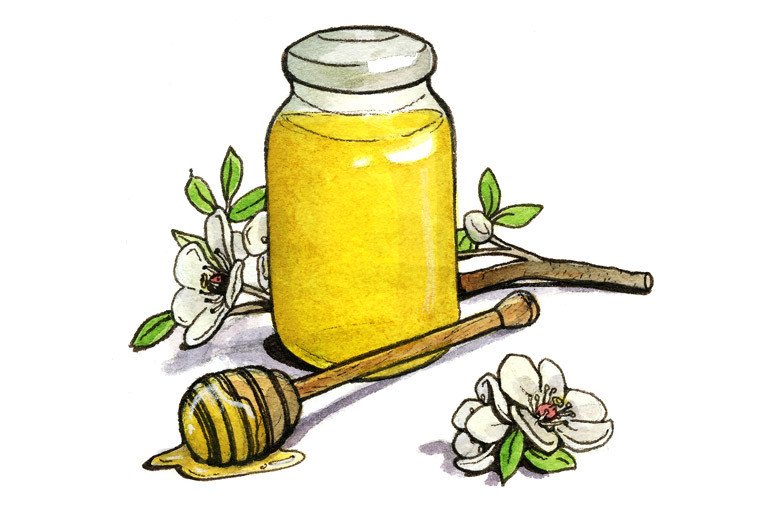
Manuka Honey is collected from beehives around the Manuka (Leptospermum scoparium) bush. It has been used as food and as a topical treatment for wounds, burns, ulcers (1) and for gingivitis (2). The methylglyoxal constituent in Manuka honey is the major bactericidal factor (21). Studies have shown that Manuka honey decreases the surface pH of wounds and increases production of cytokines which may help promote wound healing (3) (4) (5). However, clinical trials did not find Manuka honey to be more effective against bacteria when compared to standard treatments (6) (20). Manuka honey has also been used to increase levels of beneficial bacteria and relieve gastrointestinal problems, but a study on healthy subjects did not find such effects (7). Manuka honey was also ineffective in lowering cholesterol (8).
In a study of patients with head and neck cancer, manuka honey did not improve radiation-induced oral mucositis, but it was associated with a reduction in bacterial infections (22). Data are yet to be published from a similar phase III study (19).
Purported Uses
- Wound healing
- Fungal and Bacterial infections
- Diabetes
- Gastrointestinal tract problems
- Cancer prevention/treatment
- Oral health
Constituents
- Methyl glyoxal
- Dihydroxyacetone
- Methyl syringate
- Phenyllactic acid
- Monosaccharides: glucose, fructose
- Flavonoids: myricetin, tricetin, quercetin, luteolin, kaempferol, kaempferol 8-methyl ether, pinocembrin, chrysin
- Phenolic acids: gallic acid, chlorogenic acid, caffeic acid, coumaric acid, ferulic acid, ellagic acid, syringic acid, Ph1 (unknown phenolic acid)
- Abscisic acid
(9) (10) (11) (12)
Mechanism of Action
The flavonoids present in manuka honey demonstrated anti-inflammatory, antimicrobial, and anticancer properties in vitro (13). The mechanism underlying Manuka honey's antiseptic property is not fully understood. Methylglyoxal, a phytochemical, is the major bactericidal factor and promotes free radical generation (14) (21). Interestingly, manuka honey also increased the activities of antioxidants in animal studies (15). It helps promote wound healing by modulating cytokine production (4) and by lowering of the pH on wound surfaces (5) (16). The immunomodulating effects may be due to the presence of endotoxins (17). The antibacterial properties of manuka honey are attributed to more than one compound (3) (18). Some products list the antibacterial potency by a Unique Manuka Factor (UMF), which is equal to the inhibitory potential of a phenolic solution of same strength (7). However, the clinical relevance of this measurement is unclear.
Contraindications
Individuals allergic to honey should avoid this product.
Adverse Reactions
- May increase blood glucose levels.
- In a study of rodents, a 50% concentration of manuka honey applied to the ear following myringotomy caused severe inflammatory changes leading to facial paralysis, vestibulotoxicity and hearing loss (23).
Herb-Drug Interactions
Chemotherapy: Theoretically, manuka honey may interfere with certain chemotherapeutic agents due to its antioxidant effects.
Herb Lab Interactions
The sugar in manuka honey may raise the blood glucose level in diabetics.
Literature Summary and Critique
Jull A, et al. Randomized clinical trial of honey-impregnated dressings for venous leg ulcer. British Journal of Surgery 2008;95:175-82.
An open-label, multicenter randomized controlled trial involving 368 patients was conducted to compare the effectiveness of Manuka honey dressing on venous leg ulcers. Subjects were randomly assigned to dressings with Manuka honey UMF 12+ or other dressings. The number of fully healed ulcers after 12 weeks of treatment and the time for healing were recorded. No significant benefit was observed in the treatment group but more adverse events were reported. This study indicates that manuka honey dressings are not superior to standard treatment for venous leg ulcers.
Gethin G, Cownman S. Manuka honey vs. hydrogel - a prospective, open label, multicentre, randomized controlled trial to compare desloughing efficacy and healing outcomes in venous ulcers. Journal of Clinical Nursing 2008;18:466-74.
A 12-week, open label, randomized controlled clinical trial was conducted to evaluate the effectiveness of Manuka honey for treating venous ulcers. One hundred and eight patients were randomized to manuka honey or hydrogel dressings. Patients who received manuka honey dressing had fewer instances of infection, decreased wound size, increased desloughing, and earlier epithelization comapred to the hydrogel dressing. Manuka honey is beneficial for wound management.
Dosage (Inside MSKCC Only)
This field is only visible to only Inside MSKCC users.
References
- Cooper RA, Molan PC, Harding KG. Antibacterial activity of honey against strains of Staphylococcus aureus from infected wounds. J R Soc Med. Jun 1999;92(6):283-285.
- English HK, Pack AR, Molan PC. The effects of manuka honey on plaque and gingivitis: a pilot study. J Int Acad Periodontol. Apr 2004;6(2):63-67.
- Cooper RA, Molan PC, Harding KG. The sensitivity to honey of Gram-positive cocci of clinical significance isolated from wounds. J Appl Microbiol. 2002;93(5):857-863.
- Tonks AJ, Cooper RA, Jones KP, Blair S, Parton J, Tonks A. Honey stimulates inflammatory cytokine production from monocytes. Cytokine. Mar 7 2003;21(5):242-247.
- Gethin GT, Cowman S, Conroy RM. The impact of Manuka honey dressings on the surface pH of chronic wounds. Int Wound J. Jun 2008;5(2):185-194.”
- Johnson DW, van Eps C, Mudge DW, et al. Randomized, controlled trial of topical exit-site application of honey (Medihoney) versus mupirocin for the prevention of catheter-associated infections in hemodialysis patients. J Am Soc Nephrol. May 2005;16(5):1456-1462.
- Wallace A, Eady S, Miles M, et al. Demonstrating the safety of manuka honey UMF 20+in a human clinical trial with healthy individuals. Br J Nutr. Apr 2010;103(7):1023-1028.
- Munstedt K, Hoffmann S, Hauenschild A, Bulte M, von Georgi R, Hackethal A.Effect of honey on serum cholesterol and lipid values. J Med Food. Jun 2009;12(3):624-628.
- Prakash A, Medhi B, Avti PK, Saikia UN, Pandhi P, Khanduja KL. Effect of different doses of Manuka honey in experimentally induced inflammatory bowel disease in rats. Phytother Res. Nov 2008;22(11):1511-1519.
- Adams CJ, Manley-Harris M, Molan PC. The origin of methylglyoxal in New Zealand manuka (Leptospermum scoparium) honey. Carbohydr Res. May 26 2009;344(8):1050-1053.
- Weston RJ, Mitchell KR, Allen KL. Antibacterial phenolic components of New Zealand manuka honey. Food Chemistry. 1999;64(3):295-301.
- Yao L, Datta N, Tomás-Barberán FA, Ferreres F, Martos I, Singanusong R. Flavonoids, phenolic acids and abscisic acid in Australian and New Zealand Leptospermum honeys. Food Chemistry. 2003;81(2):159-168.
- Lopez-Lazaro M. Flavonoids as anticancer agents: structure-activity relationship study. Curr Med Chem Anticancer Agents. Nov 2002;2(6):691-714.
- Kalapos MP. The tandem of free radicals and methylglyoxal. Chem Biol Interact. Feb 15 2008;171(3):251-271.
- Medhi B, Prakash A, Avti PK, Saikia UN, Pandhi P, Khanduja KL. Effect of Manuka honey and sulfasalazine in combination to promote antioxidant defense system in experimentally induced ulcerative colitis model in rats. Indian J Exp Biol. Aug 2008;46(8):583-590.
- Gethin G, Cowman S. Bacteriological changes in sloughy venous leg ulcers treated with manuka honey or hydrogel: an RCT. J Wound Care. Jun 2008;17(6):241-244, 246-247.
- Timm M, Bartelt S, Hansen EW. Immunomodulatory effects of honey cannot be distinguished from endotoxin. Cytokine. Apr 2008;42(1):113-120.
- Cooper RA, Jenkins L, Henriques AF, Duggan RS, Burton NF. Absence of bacterial resistance to medical-grade manuka honey. Eur J Clin Microbiol Infect Dis. Jun 13 2010.
- A Randomized Placebo-Controlled Trial of Manuka Honey for Oral Mucositis Due to Radiation Therapy for Cancer. http://www.clinicaltrials.gov/ct2/show/NCT00615420?term=manuka+honey&rank=1. Accessed May 7, 2013.
- Jull A, Walker N, Parag V, et al. Randomized clinical trial of honey-impregnated dressings for venous leg ulcers. Br J Surg. 2008 Feb;95(2):175-82.
- Kwakman PH, Te Velde AA, de Boer L, Vandenbroucke-Grauls CM, Zaat SA. Two major medicinal honeys have different mechanisms of bactericidal activity. PLoS One. 2011 Mar 4;6(3):e17709.
- Bardy J, Molassiotis A, Ryder WD, et al. A double-blind, placebo-controlled, randomised trial of active manuka honey and standard oral care for radiation-induced oral mucositis. Br J Oral Maxillofac Surg. 2012 Apr;50(3):221-6.
- Aron M, Victoria Akinpelu O, Dorion D, Daniel S. Otologic safety of manuka honey.J Otolaryngol Head Neck Surg. 2012 Apr;41 Suppl 1:S21-30.
Consumer Information
How It Works
Bottom Line: Manuka honey helps prevent infections and promotes wound healing when used externally.
Manuka honey can help fight infections and has been used in dressings to promote wound healing. Certain compounds, like methylglyoxal, are thought to have antiseptic effects. In vitro studies have demonstrated that manuka honey stimulates the immune system. There is an ongoing study in cancer patients using Manuka honey to reduce mouth sores caused by radiation therapy. However, there is no evidence that it is effective against cancer.
Purported Uses
- Wound dressings
Several clinical trials suggest that manuka honey is an effective wound dressing and can inhibit some bacterial strains that are resistant to antibiotics.
- Antibiotics
External use of manuka honey was shown to be effective against bacteria. There are no clinical trials to show it is effective when taken by mouth.
- Fungal infections
No clinical trials have examined the effect of manuka honey on fungal infections.
- High cholesterol
Manuka honey was ineffective in lowering cholesterol.
- Diabetes
Clinical trials are lacking. Excessive use of honey may cause increase in blood sugar levels.
- Gastrointestinal tract problems
Clinical trials have not been able to confirm that manuka honey has a significant effect on the levels of beneficial bacteria in the gut.
- Skin ulcers
Several clinical trials have shown that Manuka honey wound dressing is helpful in speeding up the healing process.
- Infections
Many case studies and anecdotal reports have described manuka honey as being effective in treating infected wounds that were non-responsive to standard treatment.
- Cancer prevention/treatment
Clinical trials are lacking.
- Oral health
One small study suggested regular consumption of manuka honey to be effective in reducing buildup of plaque and gingivitis. Large scale studies are needed.
Research Evidence
Wound healing:
An open-label, multicenter randomized controlled trial involving 368 patients was conducted to compare the effectiveness of Manuka honey dressing on venous leg ulcers. Subjects were randomly assigned to dressings with Manuka honey UMF 12+ or other dressings. The number of fully healed ulcers after 12 weeks of treatment and the time for healing were recorded. No significant benefit was observed in the treatment group but more adverse events were reported.
A 12-week, open label, randomized controlled clinical trial was conducted to evaluate the effectiveness of Manuka honey for treating venous ulcers. One hundred and eight patients were randomized to manuka honey or hydrogel dressings. Patients who received manuka honey dressing had fewer instances of infection, decreased wound size, increased desloughing, and earlier epithelization comapred to the hydrogel dressing.
Patient Warnings
Although manuka honey has an antiseptic effect, patients should not self-medicate with honey products. Any infections should be examined by a physician or a qualified healthcare professional for proper care.
Side Effects
- The sugar content in honey may raise the blood glucose level of diabetics.
- In rodents, a 50% concentration of manuka honey applied to the ear following myringotomy (a procedure in which a small cut is made in the eardrum to relieve the pressure caused by excess buildup of fluid, or to drain pus from the middle ear) caused severe inflammatory changes leading to facial paralysis and hearing loss.
Last updated: May 7, 2013
acid (A-sid)
A chemical that gives off hydrogen ions in water and forms salts by combining with certain metals. Acids have a sour taste and turn certain dyes red. Some acids made by the body, such as gastric acid, can help organs work the way they should. An example of an acid is hydrochloric acid. Acidity is measured on a scale called the pH scale. On this scale, a value of 7 is neutral, and a pH value of less than 7 to 0 shows increasing acidity.
Source: The National Cancer Institute's Dictionary of Cancer Terms
(http://www.cancer.gov/dictionary)
antibacterial (AN-tee-bak-TEER-ee-ul)
A substance that kills bacteria or stops them from growing and causing disease.
Source: The National Cancer Institute's Dictionary of Cancer Terms
(http://www.cancer.gov/dictionary)
antioxidant (AN-tee-OK-sih-dent)
A substance that protects cells from the damage caused by free radicals (unstable molecules made by the process of oxidation during normal metabolism). Free radicals may play a part in cancer, heart disease, stroke, and other diseases of aging. Antioxidants include beta-carotene, lycopene, vitamins A, C, and E, and other natural and manufactured substances.
Source: The National Cancer Institute's Dictionary of Cancer Terms
(http://www.cancer.gov/dictionary)
bacteria (bak-TEER-ee-uh)
A large group of single-cell microorganisms. Some cause infections and disease in animals and humans. The singular of bacteria is bacterium.
Source: The National Cancer Institute's Dictionary of Cancer Terms
(http://www.cancer.gov/dictionary)
blood (blud)
A tissue with red blood cells, white blood cells, platelets, and other substances suspended in fluid called plasma. Blood takes oxygen and nutrients to the tissues, and carries away wastes.
Source: The National Cancer Institute's Dictionary of Cancer Terms
(http://www.cancer.gov/dictionary)
blood sugar (blud SHUH-ger)
Glucose (a type of sugar) found in the blood. Also called glycemia.
Source: The National Cancer Institute's Dictionary of Cancer Terms
(http://www.cancer.gov/dictionary)
cancer (KAN-ser)
A term for diseases in which abnormal cells divide without control and can invade nearby tissues. Cancer cells can also spread to other parts of the body through the blood and lymph systems. There are several main types of cancer. Carcinoma is a cancer that begins in the skin or in tissues that line or cover internal organs. Sarcoma is a cancer that begins in bone, cartilage, fat, muscle, blood vessels, or other connective or supportive tissue. Leukemia is a cancer that starts in blood-forming tissue such as the bone marrow, and causes large numbers of abnormal blood cells to be produced and enter the blood. Lymphoma and multiple myeloma are cancers that begin in the cells of the immune system. Central nervous system cancers are cancers that begin in the tissues of the brain and spinal cord. Also called malignancy.
Source: The National Cancer Institute's Dictionary of Cancer Terms
(http://www.cancer.gov/dictionary)
cholesterol (koh-LES-teh-rol)
A waxy, fat-like substance made in the liver, and found in the blood and in all cells of the body. Cholesterol is important for good health and is needed for making cell walls, tissues, hormones, vitamin D, and bile acid. Cholesterol also comes from eating foods taken from animals such as egg yolks, meat, and whole-milk dairy products. Too much cholesterol in the blood may build up in blood vessel walls, block blood flow to tissues and organs, and increase the risk of developing heart disease and stroke.
Source: The National Cancer Institute's Dictionary of Cancer Terms
(http://www.cancer.gov/dictionary)
clinical (KLIH-nih-kul)
Having to do with the examination and treatment of patients.
Source: The National Cancer Institute's Dictionary of Cancer Terms
(http://www.cancer.gov/dictionary)
clinical trial (KLIH-nih-kul TRY-ul)
A type of research study that tests how well new medical approaches work in people. These studies test new methods of screening, prevention, diagnosis, or treatment of a disease. Also called clinical study.
Source: The National Cancer Institute's Dictionary of Cancer Terms
(http://www.cancer.gov/dictionary)
compound (KOM-pownd)
In science, a substance that is made up of more than one ingredient.
Source: The National Cancer Institute's Dictionary of Cancer Terms
(http://www.cancer.gov/dictionary)
concentration (KON-sen-TRAY-shun)
In science, the amount of a substance, such as a salt, that is in a certain amount of tissue or liquid, such as blood. A substance becomes more concentrated when less water is present. For example, the salt in urine may become more concentrated when a person doesn’t drink enough water.
Source: The National Cancer Institute's Dictionary of Cancer Terms
(http://www.cancer.gov/dictionary)
controlled clinical trial (kun-TROLD KLIH-nih-kul TRY-ul)
A clinical study that includes a comparison (control) group. The comparison group receives a placebo, another treatment, or no treatment at all.
Source: The National Cancer Institute's Dictionary of Cancer Terms
(http://www.cancer.gov/dictionary)
cytokine (SY-toh-kine)
A substance that is made by cells of the immune system. Some cytokines can boost the immune response and others can suppress it. Cytokines can also be made in the laboratory by recombinant DNA technology and used in the treatment of various diseases, including cancer.
Source: The National Cancer Institute's Dictionary of Cancer Terms
(http://www.cancer.gov/dictionary)
drain (drayn)
In medicine, to remove fluid as it collects; or, a tube or wick-like device used to remove fluid from a body cavity, wound, or infected area.
Source: The National Cancer Institute's Dictionary of Cancer Terms
(http://www.cancer.gov/dictionary)
fluid (FLOO-id)
A substance that flows smoothly and takes the shape of its container. Liquids and gases are fluids.
Source: The National Cancer Institute's Dictionary of Cancer Terms
(http://www.cancer.gov/dictionary)
free radical (free RA-dih-kul)
A type of unstable molecule that is made during normal cell metabolism (chemical changes that take place in a cell). Free radicals can build up in cells and cause damage to other molecules, such as DNA, lipids, and proteins. This damage may increase the risk of cancer and other diseases.
Source: The National Cancer Institute's Dictionary of Cancer Terms
(http://www.cancer.gov/dictionary)
gastrointestinal (GAS-troh-in-TES-tih-nul)
Refers to the stomach and intestines. Also called GI.
Source: The National Cancer Institute's Dictionary of Cancer Terms
(http://www.cancer.gov/dictionary)
gastrointestinal tract (GAS-troh-in-TES-tih-nul trakt)
The stomach and intestines. The gastrointestinal tract is part of the digestive system, which also includes the salivary glands, mouth, esophagus, liver, pancreas, gallbladder, and rectum.
Source: The National Cancer Institute's Dictionary of Cancer Terms
(http://www.cancer.gov/dictionary)
glucose (GLOO-kose)
A type of sugar; the chief source of energy for living organisms.
Source: The National Cancer Institute's Dictionary of Cancer Terms
(http://www.cancer.gov/dictionary)
immune system (ih-MYOON SIS-tem)
The complex group of organs and cells that defends the body against infections and other diseases.
Source: The National Cancer Institute's Dictionary of Cancer Terms
(http://www.cancer.gov/dictionary)
in vitro (in VEE-troh)
In the laboratory (outside the body). The opposite of in vivo (in the body).
Source: The National Cancer Institute's Dictionary of Cancer Terms
(http://www.cancer.gov/dictionary)
infection (in-FEK-shun)
Invasion and multiplication of germs in the body. Infections can occur in any part of the body and can spread throughout the body. The germs may be bacteria, viruses, yeast, or fungi. They can cause a fever and other problems, depending on where the infection occurs. When the body’s natural defense system is strong, it can often fight the germs and prevent infection. Some cancer treatments can weaken the natural defense system.
Source: The National Cancer Institute's Dictionary of Cancer Terms
(http://www.cancer.gov/dictionary)
inflammatory (in-FLA-muh-TOR-ee)
Having to do with inflammation (redness, swelling, pain, and a feeling of heat that helps protect tissues affected by injury or disease).
Source: The National Cancer Institute's Dictionary of Cancer Terms
(http://www.cancer.gov/dictionary)
L
A measure of volume for a liquid, using the metric system. One L is equal to 1,000 cubic centimeters (cc), 1,000 milliliters (mm), or 1.0567 quarts (qt). Also called liter.
Source: The National Cancer Institute's Dictionary of Cancer Terms
(http://www.cancer.gov/dictionary)
mucositis (myoo-koh-SY-tis)
A complication of some cancer therapies in which the lining of the digestive system becomes inflamed. Often seen as sores in the mouth.
Source: The National Cancer Institute's Dictionary of Cancer Terms
(http://www.cancer.gov/dictionary)
oral (OR-ul)
By or having to do with the mouth.
Source: The National Cancer Institute's Dictionary of Cancer Terms
(http://www.cancer.gov/dictionary)
paralysis (puh-RA-lih-sis)
Loss of ability to move all or part of the body.
Source: The National Cancer Institute's Dictionary of Cancer Terms
(http://www.cancer.gov/dictionary)
physician (fih-ZIH-shun)
Medical doctor.
Source: The National Cancer Institute's Dictionary of Cancer Terms
(http://www.cancer.gov/dictionary)
phytochemical (FY-toh-KEH-mih-kul)
A substance found in plants. Some phytochemicals may reduce the risk of cancer.
Source: The National Cancer Institute's Dictionary of Cancer Terms
(http://www.cancer.gov/dictionary)
plaque (plak)
In medicine, a small, abnormal patch of tissue on a body part or an organ. Plaques may also be a build-up of substances from a fluid, such as cholesterol in the blood vessels.
Source: The National Cancer Institute's Dictionary of Cancer Terms
(http://www.cancer.gov/dictionary)
radiation (RAY-dee-AY-shun)
Energy released in the form of particle or electromagnetic waves. Common sources of radiation include radon gas, cosmic rays from outer space, medical x-rays, and energy given off by a radioisotope (unstable form of a chemical element that releases radiation as it breaks down and becomes more stable).
Source: The National Cancer Institute's Dictionary of Cancer Terms
(http://www.cancer.gov/dictionary)
randomized
Describes an experiment or clinical trial in which animal or human subjects are assigned by chance to separate groups that compare different treatments.
Source: The National Cancer Institute's Dictionary of Cancer Terms
(http://www.cancer.gov/dictionary)
reduction (ree-DUK-shun)
A chemical reaction that takes place when a substance comes into contact with hydrogen or another reducing substance.
Source: The National Cancer Institute's Dictionary of Cancer Terms
(http://www.cancer.gov/dictionary)
significant (sig-NIH-fih-kunt)
In statistics, describes a mathematical measure of difference between groups. The difference is said to be significant if it is greater than what might be expected to happen by chance alone. Also called statistically significant.
Source: The National Cancer Institute's Dictionary of Cancer Terms
(http://www.cancer.gov/dictionary)
therapy (THAYR-uh-pee)
Treatment.
Source: The National Cancer Institute's Dictionary of Cancer Terms
(http://www.cancer.gov/dictionary)
wound (woond)
A break in the skin or other body tissues caused by injury or surgical incision (cut).
Source: The National Cancer Institute's Dictionary of Cancer Terms
(http://www.cancer.gov/dictionary)