For Patients & Caregivers
Tell your healthcare providers about any dietary supplements you’re taking, such as herbs, vitamins, minerals, and natural or home remedies. This will help them manage your care and keep you safe.
The Mediterranean diet is associated with a reduction in the incidence of many diseases, but may not be suitable for everyone.
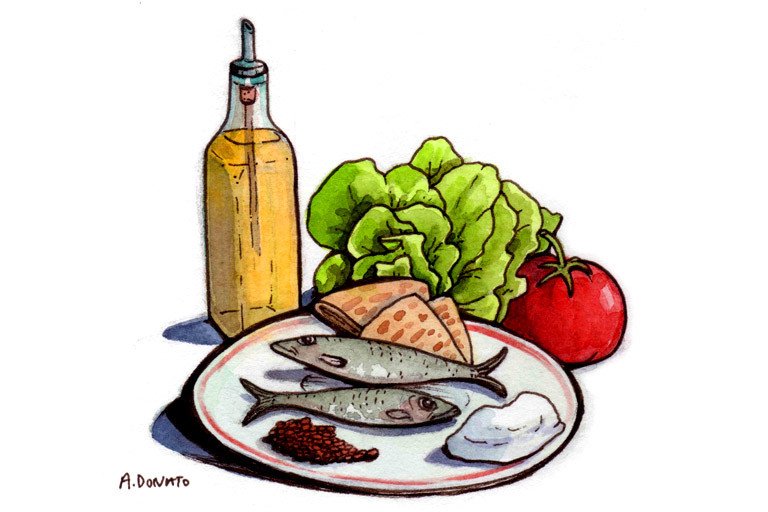
A Mediterranean diet is commonly consumed in regions that border the Mediterranean Sea. It consists of a variety of fruits, vegetables, cereals, legumes, poultry, fish, nuts, seeds, olive oil, and moderate intake of red wine with meals. The Mediterranean lifestyle also promotes social connection by sharing meals with family and friends. Epidemiological studies show that the Mediterranean diet is a model of healthy eating that contributes to better health and overall quality of life, and can reduce the risk of heart disease, stroke, diabetes, certain cancers, and death.
- Heart disease
Several studies support this use. - Disease/cancer prevention
The Mediterranean diet has been shown beneficial in several studies. - Weight management
Several studies support its use for weight loss. - Diabetes management
Mediterranean diet was found helpful in managing diabetes. - Cholesterol management
Several studies support this claim.
Do Not Take if:
- You have certain food allergies: The Mediterranean diet consists of a variety of grains, fruits, vegetables, and nuts/seeds.
Special Point:
- It is advisable to avoid/reduce foods such as red/processed meat, high dairy, and artificial preservatives for health maintenance.
- Cancer patients may have special nutritional needs and should consult a dietician before adopting new diets.
- Alcohol consumption can increase the risk of certain cancers.
For Healthcare Professionals
The Mediterranean diet is consumed in regions that border the Mediterranean Sea. Epidemiological studies show that it contributes to better health and overall quality of life. It is also an established model of eating for primary and secondary prevention of various chronic diseases. The Mediterranean diet consists of a variety of fruits, vegetables, cereals, legumes, poultry, fish, nuts, seeds, olive oil, and moderate intake of red wine with meals (1). Olive oil, a monounsaturated fatty acid (MUFA), comprises 15% to 20% as the major source of dietary fats in this diet (2). Another hallmark is the low consumption of meat and dairy products (3). The Mediterranean lifestyle also emphasizes social connection by sharing meals with family and friends.
Epidemiological analyses suggest that over 90% of type 2 diabetes, 80% of coronary heart disease, and 70% of stroke can be avoided by adopting healthful food choices that model the traditional Mediterranean diet (4). In addition, large prospective studies have found the Mediterranean diet reduces hip fracture incidence (12), risk of cardiovascular events (10) (13) (39) (40) and gastrointestinal cancers (6) (14), overall cancer risk (7), and preserves kidney function in coronary heart disease patients (41). When compared to a specific carbohydrate diet, Mediterranean diet may also confer greater benefit in patients with Crohn’s disease with mild to moderate symptoms (38). Other studies suggest it can reduce systolic blood pressure, improve endothelial functioning (31), and protect against macular degeneration (32). As well, leisure-time physical activity along with the Mediterranean diet, both individually and when combined, lowered all-cause mortality in older adults (33). Adherence to Mediterranean diet, physical activity, smoking abstinence, sedentary behavior avoidance also lowered all-cause mortality in adults regardless of age or medication burden (42).
Various meta-analyses have also confirmed that Mediterranean diet reduces the risk of diabetes and cardiovascular diseases (8) (9) (15) (16) (34) (35), overall mortality (36), and cancer (37) (43) as well as incidence of Alzheimer’s and Parkinson’s disease (1). Taken together, data on the Mediterranean diet further underscores the importance of emphasizing fruits vegetables, legumes, healthy fats, and whole grains.
Cancer patients may have special nutritional needs and should consult a dietician before changing diet. Alcohol consumption can increase the risk of certain cancers (5). Interestingly, certain factors that improved adherence to the Mediterranean diet included female sex, older age, and higher levels of physical activity, while poorer adherence was associated with males and obesity (23).
A variety of fruits, vegetables, cereals, legumes, combined with poultry, fish, nuts, seeds, olive oil and moderate red wine intake with meals (1).
- Heart disease
- Cancer prevention
- Weight management
- Diabetes management
- Cholesterol management
The health benefits of the diet are attributed to the synergistic interactions across nutrients, and not to a single nutrient (1). At the same time, specific activities have been identified to partly explain the cardioprotective and anti-inflammatory effects, including decreases in oxidative stress, inflammation, plasma N-terminal pro-brain natriuretic peptide (NT-proBNP) concentrations, and tumor necrosis factor α (24) (25) . Greater polyphenol intake from lignans, flavonols, and hydroxybenzoic acids found in the Mediterranean diet may be associated with decreased cardiovascular disease risks (26). Extra virgin olive oil, which contains phenolic compounds, vitamin E, and other lipid molecules, also has antiatherogenic effects, improving endothelial function, lipid profiles, insulin sensitivity, glycemic control, and blood pressure levels (17) (27) (28).
- The Mediterranean diet may not be appropriate for those with multiple food allergies/intolerances.
Several studies have demonstrated that adherence to a Mediterranean diet positively affects blood lipid levels (4).