Common Names
- Bai Hua She She Cao
- Herba Oldenlandiae
- Snake-Needle Grass
For Patients & Caregivers
Tell your healthcare providers about any dietary supplements you’re taking, such as herbs, vitamins, minerals, and natural or home remedies. This will help them manage your care and keep you safe.
Oldenlandia diffusa has shown anticancer effects in lab studies, but human data are lacking.
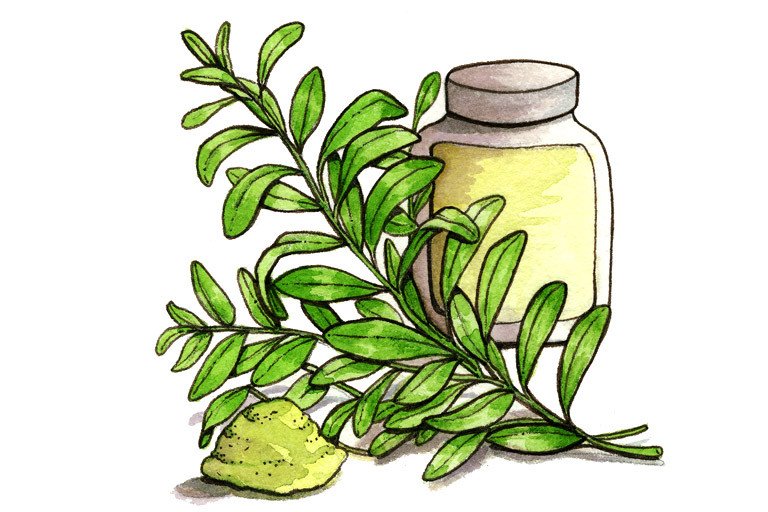
O. diffusa is an herb found in East Asia and Southern China. It is used in traditional Chinese medicine (TCM) for the treatment of liver diseases, snake bites, and tumors. Laboratory studies suggest that this herb may inhibit the growth of cancer cells and stimulate the immune system to destroy or engulf tumor cells. Animal studies show that certain chemicals found in this herb may help lower cholesterol and have anti-inflammatory effects.
More research is necessary to confirm whether this herb can be used safely and effectively for any condition in humans.
- Hepatitis
There are no data to support this claim. - Cancer
Lab and animal studies suggest anticancer properties, but human data are lacking. - Snake bite
Although traditionally used to treat snake bites, there are no studies to back this claim. - Arthritis
A compound from O. diffusa may have anti-inflammatory effects in animal studies, but this has not been confirmed in humans. - High cholesterol
Animal studies identified compounds from O. diffusa that may lower cholesterol levels, but human studies have not been conducted.
Patient Warnings:
Poor quality control has been reported with products containing of O. diffusa. Two similar species – Corymbosa LAM and Oldenlandia tenelliflora BL – are commonly used as substitutes for Herba Oldenlandiae, the powdered form of O. diffusa.
For Healthcare Professionals
Oldenlandia diffusa, an herb prevalent in East Asia and Southern China, is used in traditional Chinese medicine to clear “heat” and to eliminate “toxins”. It is used in combination with other herbs for the treatment of hepatitis, snake bites (1), and tumors of the liver, lung, stomach (1), and rectum (2).
Studies conducted in vitro and in animals suggest that O. diffusa possesses anticancer and chemopreventive properties (2) (3) (4) (5) (6). Oleanolic and ursolic acids, compounds isolated from O. diffusa, demonstrated cytotoxic activity (7) (8) (11) (12). Ursolic acid also showed anti-inflammatory effects in mice with rheumatoid arthritis (9). Human data are lacking.
- Hepatitis
- Cancer
- Snake bite
- Arthritis
- High cholesterol
Studies conducted in vitro and in animals have shown that O. diffusa exerts antitumor effects via apoptosis (3), dose-dependent increase of oxidative burst (2), caspase-dependent apoptosis (4) (8), and apoptosis in a cell-cycle independent fashion, possibly via induction of genotoxic damage (6). Immunomodulating effects may occur through immune system stimulation to kill or engulf tumor cells (5).
Animal studies attribute anti-inflammatory activity to inhibition of tumor necrosis factor (TNF)-α, interleukin (IL)-6, and prostaglandin E2 (PGE2) (13).
Quality control issues have been reported. Two similar species – Corymbosa LAM and Oldenlandia tenelliflora BL – are commonly used as substitutes for Herba Oldenlandiae (the powdered form of O. diffusa) (10).