Health Care Professional Information
Scientific Name
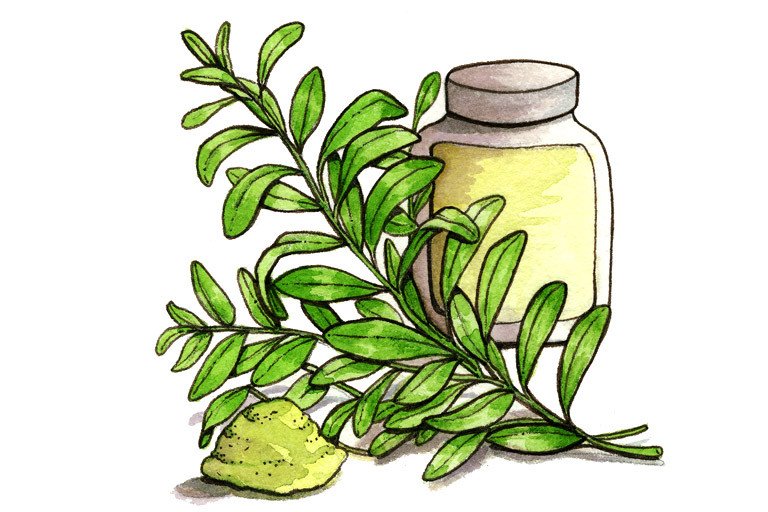
Oldenlandia diffusa (a.k.a. Hedyotis diffusa)
Common Name
Bai Hua She She Cao, Herba Oldenlandiae (dried/powder form of Oldenlandia diffusa), Snake-Needle Grass
Clinical Summary
Oldenlandia diffusa, an herb prevalent in East Asia and Southern China, is used in traditional Chinese medicine to clear “heat” and to eliminate “toxins”. It is used in combination with other herbs for the treatment of hepatitis, snake bite (1), tumors of the liver, lung, stomach (1), and rectum (2). Studies conducted in vitro and in animals suggest that Oldenlandia diffusa possesses anticancer and chemopreventive properties (2)(3)(4)(5)(6). Oleanolic and Ursolic acids, compounds isolated from Oldenlandia diffusa, demonstrated cytotoxic activity (7)(8). Ursolic acid also showed anti-inflammatory effects in mice with rheumatoid arthritis (9); a few other compounds inhibited low-density lipoprotein (LDL) oxidation in mice.
More research is necessary to determine whether Oldenlandia diffusa can be used as a safe and effective anticancer agent in humans.
Food Sources
According to the Chinese Pharmacopoeia, Baihuasheshecao, commonly used as a component of herbal tea, is obtained from Oldenlandia diffusa.
Purported Uses
- Hepatitis
- Cancer
- Snake bite
- Arthritis
- High Cholesterol
Constituents
- Triterpenoids: Urosolic acid, Oleanolic acid
- Anthraquinones
Mechanism of Action
Studies conducted in vitro and in animals have shown that Oldenlandia diffusa exerts antitumor effects via apoptosis (3), dose-dependent increase of oxidative burst (2), caspase-dependent apoptosis (4)(8), apoptosis in a cell-cycle independent fashion possibly through the induction of genotoxic damage (6), and immuno-modulating activity through stimulating the immune system to kill or engulf tumor cells (5).
Warnings
Two similar species — Corymbosa LAM and Oldenlandia tenelliflora BL — are commonly used as substitutes for Herba Oldenlandiae (powdered form of Oldenlandia diffusa) (10).
Adverse Reactions
Reduction in sperm production was reported in a clinical study (11).
Dosage (Inside MSKCC Only)
This field is only visible to only Inside MSKCC users.
References
- Liang Z, He M, Fong W, Jiang Z, Zhao Z. A comparable, chemical and pharmacological analysis of the traditional Chinese medicinal herbs Oldenlandia diffusa and O. corymbosa and a new valuation of their biological potential. Phytomedicine. Apr 2008;15(4):259-267.
- Wong BY, Lau BH, Jia TY, Wan CP. Oldenlandia diffusa and Scutellaria barbata augment macrophage oxidative burst and inhibit tumor growth. Cancer Biother Radiopharm. Feb 1996;11(1):51-56.
- Gupta S, Zhang D, Yi J, Shao J. Anticancer activities of Oldenlandia diffusa. J Herb Pharmacother. 2004;4(1):21-33.
- Yadav SK, Lee SC. Evidence for Oldenlandia diffusa-evoked cancer cell apoptosis through superoxide burst and caspase activation. Zhong Xi Yi Jie He Xue Bao. Sep 2006;4(5):485-489.
- Shan BE, Zhang JY, Du XN. [Immunomodulatory activity and anti-tumor activity of Oldenlandia diffusa in vitro]. Zhongguo Zhong Xi Yi Jie He Za Zhi. May 2001;21(5):370-374.
- Willimott S, Barker J, Jones LA, Opara EI.Apoptotic effect of Oldenlandia diffusa on the leukaemic cell line HL60 and human lymphocytes. J Ethnopharmacol. Dec 3 2007;114(3):290-299.
- Wu PK, Chi Shing Tai W, Liang ZT, Zhao ZZ, Hsiao WL. Oleanolic acid isolated from Oldenlandia diffusa exhibits a unique growth inhibitory effect against ras-transformed fibroblasts. Life Sci. Jul 17 2009;85(3-4):113-121.
- Yang L, Liu X, Lu Z, et al. Ursolic acid induces doxorubicin-resistant HepG2 cell death via the release of apoptosis-inducing factor. Cancer Lett. 2010;298(1):128-138. Epub 2010 Jul 13.
- Kang SY, Yoon SY, Roh DH, et al. The anti-arthritic effect of ursolic acid on zymosan-induced acute inflammation and adjuvant-induced chronic arthritis models. J Pharm Pharmacol. Oct 2008;60(10):1347-1354.
- Liang ZT, Jiang ZH, Leung KS, Peng Y, Zhao ZZ. Distinguishing the medicinal herb Oldenlandia diffusa from similar species of the same genus using fluorescence microscopy.Microsc Res Tech. Apr 2006;69(4):277-282.
- Chen JK, Chen TT. Chinese Medical Herbology and Pharmacology, 2nd ed. California:Art of Medicine Press;2004.
Consumer Information
How It Works
Bottom Line: Oldenlandia diffusa has been studied for its anticancer effects. More research is needed.
Oldenlandia diffusa is an herb found in East Asia and Southern China. It is used in traditional Chinese medicine for the treatment of liver diseases, snake bite and tumors. Laboratory studies suggest that this herb may inhibit the growth of cancer cells and kill them by causing apoptosis (programmed cell death), and by stimulating the immune system to destroy or engulf tumor cells. Studies show that certain chemicals found in the herb help lower cholesterol in mice and have anti-inflammatory effects in mice with rheumatoid arthritis.
More research is necessary to confirm whether this herb can be used safely and effectively for any condition in humans.
Research Evidence
A 2004 study found that Oldenlandia diffusa extract effectively inhibited the growth of the cancer cells tested and induced cancer cells to die while causing minimum toxic effect on normal cells. There was also significant inhibition of the spreading of lung cancer in the mice tested with no noticeable side effects.
A 2001 study conducted in mice showed that Oldenlandia diffusa extract can cause cancer cells to die by stimulating the immune system to kill or engulf tumor cells.
Results from a 2007 study showed that Oldenlandia diffusa stopped the growth of human promyelocytic leukemia cells and induced cancer cells to die.
A 2008 study conducted in mice with acute inflammation and rheumatoid arthritis found that a component of Oldenlandia diffusa had anti-inflammatory effects and did not induce gastric problems compared to mice treated with ibuprofen (a non steroidal anti-inflammatory drug).
In 2005, researchers found three compounds in Oldenlandia diffusa that lowered cholesterol in mice.
Patient Warnings
There is poor quality control of Oldenlandia diffusa in the herbal market. Two similar species — Corymbosa LAM and Oldenlandia tenelliflora BL — are commonly used as substitutes for Herba Oldenlandiae (powdered form of Oldenlandia diffusa).
Last updated: July 11, 2011
acid (A-sid)
A chemical that gives off hydrogen ions in water and forms salts by combining with certain metals. Acids have a sour taste and turn certain dyes red. Some acids made by the body, such as gastric acid, can help organs work the way they should. An example of an acid is hydrochloric acid. Acidity is measured on a scale called the pH scale. On this scale, a value of 7 is neutral, and a pH value of less than 7 to 0 shows increasing acidity.
Source: The National Cancer Institute's Dictionary of Cancer Terms
(http://www.cancer.gov/dictionary)
acute (uh-KYOOT)
Symptoms or signs that begin and worsen quickly; not chronic.
Source: The National Cancer Institute's Dictionary of Cancer Terms
(http://www.cancer.gov/dictionary)
anti-inflammatory (AN-tee-in-FLA-muh-TOR-ee)
Having to do with reducing inflammation.
Source: The National Cancer Institute's Dictionary of Cancer Terms
(http://www.cancer.gov/dictionary)
antitumor (AN-tee-TOO-mer)
Having to do with stopping abnormal cell growth.
Source: The National Cancer Institute's Dictionary of Cancer Terms
(http://www.cancer.gov/dictionary)
apoptosis (A-pop-TOH-sis)
A type of cell death in which a series of molecular steps in a cell leads to its death. This is the body’s normal way of getting rid of unneeded or abnormal cells. The process of apoptosis may be blocked in cancer cells. Also called programmed cell death.
Source: The National Cancer Institute's Dictionary of Cancer Terms
(http://www.cancer.gov/dictionary)
arthritis (ar-THRY-tis)
A disease that causes inflammation and pain in the joints.
Source: The National Cancer Institute's Dictionary of Cancer Terms
(http://www.cancer.gov/dictionary)
cancer (KAN-ser)
A term for diseases in which abnormal cells divide without control and can invade nearby tissues. Cancer cells can also spread to other parts of the body through the blood and lymph systems. There are several main types of cancer. Carcinoma is a cancer that begins in the skin or in tissues that line or cover internal organs. Sarcoma is a cancer that begins in bone, cartilage, fat, muscle, blood vessels, or other connective or supportive tissue. Leukemia is a cancer that starts in blood-forming tissue such as the bone marrow, and causes large numbers of abnormal blood cells to be produced and enter the blood. Lymphoma and multiple myeloma are cancers that begin in the cells of the immune system. Central nervous system cancers are cancers that begin in the tissues of the brain and spinal cord. Also called malignancy.
Source: The National Cancer Institute's Dictionary of Cancer Terms
(http://www.cancer.gov/dictionary)
cell (sel)
The individual unit that makes up the tissues of the body. All living things are made up of one or more cells.
Source: The National Cancer Institute's Dictionary of Cancer Terms
(http://www.cancer.gov/dictionary)
cholesterol (koh-LES-teh-rol)
A waxy, fat-like substance made in the liver, and found in the blood and in all cells of the body. Cholesterol is important for good health and is needed for making cell walls, tissues, hormones, vitamin D, and bile acid. Cholesterol also comes from eating foods taken from animals such as egg yolks, meat, and whole-milk dairy products. Too much cholesterol in the blood may build up in blood vessel walls, block blood flow to tissues and organs, and increase the risk of developing heart disease and stroke.
Source: The National Cancer Institute's Dictionary of Cancer Terms
(http://www.cancer.gov/dictionary)
clinical (KLIH-nih-kul)
Having to do with the examination and treatment of patients.
Source: The National Cancer Institute's Dictionary of Cancer Terms
(http://www.cancer.gov/dictionary)
condition (kun-DIH-shun)
In medicine, a health problem with certain characteristics or symptoms.
Source: The National Cancer Institute's Dictionary of Cancer Terms
(http://www.cancer.gov/dictionary)
cytotoxic (SY-toh-TOK-sik)
Cell-killing.
Source: The National Cancer Institute's Dictionary of Cancer Terms
(http://www.cancer.gov/dictionary)
dose-dependent (dose-deh-PEN-dent)
Refers to the effects of treatment with a drug. If the effects change when the dose of the drug is changed, the effects are said to be dose-dependent.
Source: The National Cancer Institute's Dictionary of Cancer Terms
(http://www.cancer.gov/dictionary)
extract (EK-strakt)
In medicine, a preparation of a substance obtained from plants, animals, or bacteria and used as a drug or in drugs.
Source: The National Cancer Institute's Dictionary of Cancer Terms
(http://www.cancer.gov/dictionary)
gastric (GAS-trik)
Having to do with the stomach.
Source: The National Cancer Institute's Dictionary of Cancer Terms
(http://www.cancer.gov/dictionary)
herbal (ER-bul)
Having to do with plants.
Source: The National Cancer Institute's Dictionary of Cancer Terms
(http://www.cancer.gov/dictionary)
ibuprofen (I-byoo-PROH-fen)
A drug used to treat fever, swelling, pain, and redness by preventing the body from making a substance that causes inflammation. It is a type of nonsteroidal anti-inflammatory drug (NSAID). Also called Advil and Motrin.
Source: The National Cancer Institute's Dictionary of Cancer Terms
(http://www.cancer.gov/dictionary)
immune system (ih-MYOON SIS-tem)
The complex group of organs and cells that defends the body against infections and other diseases.
Source: The National Cancer Institute's Dictionary of Cancer Terms
(http://www.cancer.gov/dictionary)
in vitro (in VEE-troh)
In the laboratory (outside the body). The opposite of in vivo (in the body).
Source: The National Cancer Institute's Dictionary of Cancer Terms
(http://www.cancer.gov/dictionary)
inflammation (IN-fluh-MAY-shun)
Redness, swelling, pain, and/or a feeling of heat in an area of the body. This is a protective reaction to injury, disease, or irritation of the tissues.
Source: The National Cancer Institute's Dictionary of Cancer Terms
(http://www.cancer.gov/dictionary)
leukemia (loo-KEE-mee-uh)
Cancer that starts in blood-forming tissue such as the bone marrow and causes large numbers of blood cells to be produced and enter the bloodstream.
Source: The National Cancer Institute's Dictionary of Cancer Terms
(http://www.cancer.gov/dictionary)
liver (LIH-ver)
A large organ located in the upper abdomen. The liver cleanses the blood and aids in digestion by secreting bile.
Source: The National Cancer Institute's Dictionary of Cancer Terms
(http://www.cancer.gov/dictionary)
lung (lung)
One of a pair of organs in the chest that supplies the body with oxygen, and removes carbon dioxide from the body.
Source: The National Cancer Institute's Dictionary of Cancer Terms
(http://www.cancer.gov/dictionary)
lung cancer (lung KAN-ser)
Cancer that forms in tissues of the lung, usually in the cells lining air passages. The two main types are small cell lung cancer and non-small cell lung cancer. These types are diagnosed based on how the cells look under a microscope.
Source: The National Cancer Institute's Dictionary of Cancer Terms
(http://www.cancer.gov/dictionary)
M
In chemistry, M is the amount of a substance that has 6.023 x 10(23) atoms or molecules of that substance. Also called mole (chemical).
Source: The National Cancer Institute's Dictionary of Cancer Terms
(http://www.cancer.gov/dictionary)
medicine (MEH-dih-sin)
Refers to the practices and procedures used for the prevention, treatment, or relief of symptoms of a diseases or abnormal conditions. This term may also refer to a legal drug used for the same purpose.
Source: The National Cancer Institute's Dictionary of Cancer Terms
(http://www.cancer.gov/dictionary)
oxidation (OK-sih-DAY-shun)
A chemical reaction that takes place when a substance comes into contact with oxygen or another oxidizing substance. Examples of oxidation are rust and the brown color on a cut apple.
Source: The National Cancer Institute's Dictionary of Cancer Terms
(http://www.cancer.gov/dictionary)
rectum (REK-tum)
The last several inches of the large intestine closest to the anus.
Source: The National Cancer Institute's Dictionary of Cancer Terms
(http://www.cancer.gov/dictionary)
reduction (ree-DUK-shun)
A chemical reaction that takes place when a substance comes into contact with hydrogen or another reducing substance.
Source: The National Cancer Institute's Dictionary of Cancer Terms
(http://www.cancer.gov/dictionary)
rheumatoid arthritis (ROO-muh-TOYD ar-THRY-tis)
An autoimmune disease that causes pain, swelling, and stiffness in the joints, and may cause severe joint damage, loss of function, and disability. The disease may last from months to a lifetime, and symptoms may improve and worsen over time.
Source: The National Cancer Institute's Dictionary of Cancer Terms
(http://www.cancer.gov/dictionary)
significant (sig-NIH-fih-kunt)
In statistics, describes a mathematical measure of difference between groups. The difference is said to be significant if it is greater than what might be expected to happen by chance alone. Also called statistically significant.
Source: The National Cancer Institute's Dictionary of Cancer Terms
(http://www.cancer.gov/dictionary)
sperm (spurm)
The male reproductive cell, formed in the testicle. A sperm unites with an egg to form an embryo.
Source: The National Cancer Institute's Dictionary of Cancer Terms
(http://www.cancer.gov/dictionary)
stomach (STUH-muk)
An organ that is part of the digestive system. The stomach helps digest food by mixing it with digestive juices and churning it into a thin liquid.
Source: The National Cancer Institute's Dictionary of Cancer Terms
(http://www.cancer.gov/dictionary)
toxic (TOK-sik)
Having to do with poison or something harmful to the body. Toxic substances usually cause unwanted side effects.
Source: The National Cancer Institute's Dictionary of Cancer Terms
(http://www.cancer.gov/dictionary)
traditional Chinese medicine (truh-DIH-shuh-nul chy-NEEZ MEH-dih-sin)
A medical system that has been used for thousands of years to prevent, diagnose, and treat disease. It is based on the belief that qi (the body's vital energy) flows along meridians (channels) in the body and keeps a person’s spiritual, emotional, mental, and physical health in balance. Traditional Chinese medicine aims to restore the body’s balance and harmony between the natural opposing forces of yin and yang, which can block qi and cause disease. Traditional Chinese medicine includes acupuncture, diet, herbal therapy, meditation, physical exercise, and massage. Also called Oriental medicine and TCM.
Source: The National Cancer Institute's Dictionary of Cancer Terms
(http://www.cancer.gov/dictionary)
tumor (TOO-mer)
An abnormal mass of tissue that results when cells divide more than they should or do not die when they should. Tumors may be benign (not cancer), or malignant (cancer). Also called neoplasm.
Source: The National Cancer Institute's Dictionary of Cancer Terms
(http://www.cancer.gov/dictionary)