Common Names
- Bee propolis
- Propolis resin
- Propolis wax
- Bee glue
- Bee putty
For Patients & Caregivers
Tell your healthcare providers about any dietary supplements you’re taking, such as herbs, vitamins, minerals, and natural or home remedies. This will help them manage your care and keep you safe.
Propolis has a number of properties, but evidence that it can treat various conditions is lacking.
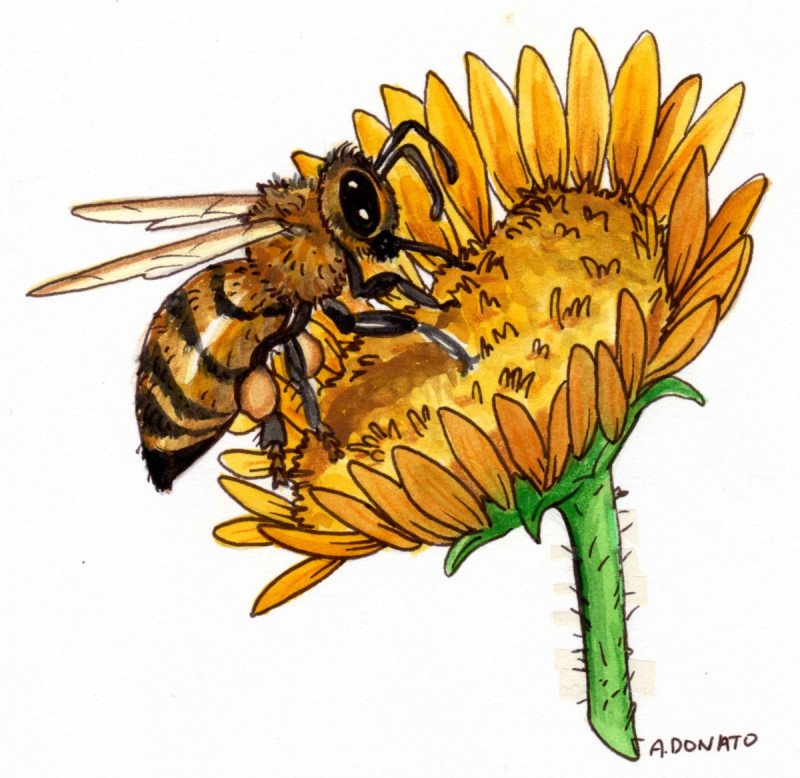
Propolis is a mixture of pollen, beeswax, and resin collected by honeybees from buds and sap of certain trees and plants. It has been used in folk medicine, food, and beverages to improve health and prevent disease. Propolis is thought to be effective against a number of chronic conditions, infections, and inflammation, but this has yet to be confirmed in humans. In some instances propolis may actually have toxic effects.
Bee pollen, found in propolis, is a mixture of plant pollens, nectar, and bee secretions that bees form into granules to store as food. It is claimed as a “cure all” by some and thought to have antioxidant, antiaging, and stamina-increasing properties. Bee pollen has also been used to treat chronic inflammation as well as other conditions. Aside from its nutritional value however, clinical data suggest benefits are limited.
Allergic reactions to propolis and bee pollen have been reported. Patients who are allergic to bee stings, honey, ragweed, or chrysanthemum should not take either of these supplements. For this reason, royal jelly should also be avoided.
- Cancer
A study on propolis supplementation for colon cancer prevention in high-risk patients found no benefit, and actually indicated potential negative effects on muscle tissues including heart muscle cells. - Mouth ulcers from cancer treatment
A few studies on propolis-containing products have had mixed results. - Diabetes
Evidence is lacking to support this claim. - Heart disease
Evidence is lacking to support this claim. - Infections
A few small studies suggest propolis can be effective in treating ear infections. - Inflammation
Lab studies show that propolis has immunomodulatory effects. Human studies are needed.
Increased use of propolis or bee pollen in cosmetics, supplements, food, and other industries has led to a rise in reports of both skin and systemic reactions.
Case Reports
- Toxic reaction to sunlight: A 32-year-old woman experienced itching and rash with sun exposure after taking a dietary supplement containing ginseng, goldenseal, and bee pollen.
- Lip swelling, pain, skin redness and inflammation: In an 18-year-old woman who used propolis spray for gum swelling caused by orthodontic bands.
- Recurring lesion over a 1-year period: In a 55-year-old man related to the ingestion of bee pollen containing propolis.
- Fungal infection and recurrent itchy eyelid rash: In a 28-year-old woman related to daily application of beeswax-containing lip gloss using her fingers.
- Recurrent itchy widespread rash over a 3-year period: In a 65-year-old woman with non-Hodgkin B-cell lymphoma related to the hobby of glass beading which involved contact with beeswax.
- Life-threatening deep neck infection that traveled into the chest cavity: In an otherwise healthy 40-year-old woman who took liquid propolis 3 times daily for 1 week to relieve common cold symptoms, requiring chest surgery.
- Tumor mimicking lung cancer: In a 36-year-old woman caused by the inhalation of long-term topically applied propolis on nasal passages to treat asthma. Interestingly, this patient tested negative to pollen allergies both before and after this adverse event occurred, even though this effect was confirmed to be related to the product.
- Acute kidney failure: In a 59-year-old man requiring dialysis after ingesting propolis for 2 weeks.
- Increase in liver enzymes: In a young man due to chronic ingestion of large amounts of propolis candies (>10 per day) to calm his sensation of sore throat.
Do Not Take if:
- You are allergic to bee stings, honey, ragweed, or chrysanthemum. For this reason, royal jelly should also be avoided.
- You are taking warfarin: Propolis can increase the time required for blood coagulation.
For Healthcare Professionals
Propolis is a resinous mixture of pollen and beeswax collected by honeybees from the buds and exudates of certain trees and plants (1). It has been used in folk medicine, food, and beverages to improve health and prevent disease.
Preclinical studies suggest antimicrobial, anti-inflammatory, antioxidant, immunostimulatory, vasomodulatory, cardio- and radioprotective properties (2) (3) (15) (16) (17). It also demonstrated anticancer activities in several human cancer cell lines (19) (20) (21) (22) (23). Other experiments suggest it might enhance temozolomide effects in human glioblastoma cells (18).
Data in humans are limited. Small trials suggest propolis may help treat warts (5), fungal foot infections (29), or diabetic foot ulcers (63). It may also reduce microbial counts and improve symptoms following periodontal treatment (30). A propolis/zinc suspension reduced the number of acute otitis media infections in children (6) and supplementation with cranberry and propolis may help reduce the incidence of urinary tract infections (64). A double-blind RCT did not find benefit with Brazilian propolis for rheumatoid arthritis (67).
In cancer settings, supplemental propolis was not useful for colon cancer prevention, and had negative effects on muscle tissues including myocardial cells (31). Its effects on chemotherapy-induced mucositis are thus far equivocal (32) (33) (34) (65) (66).
Bee pollen, a constituent of propolis, is a mixture of plant pollens, nectar, and bee saliva that bees form into granules to store as food (8). It is claimed as a “cure all” by some and touted as having antioxidant, antiaging, and stamina-increasing properties. Aside from nutritional value, it had limited effects on athletic performance (9) (10).
Propolis or its constituents may also act as pro-oxidants (35), produce cytotoxic effects in normal cells (31) (36) (37) (38), and/or have mutagenic activity (39) (40), indicating that risk versus benefit needs further evaluation.
- Cancer
- Mucositis
- Diabetes
- Heart disease
- Infections
- Inflammation
In vitro studies have identified a number of active propolis constituents and potential mechanisms. Generally, antimicrobial and antioxidant activities are related to total phenolic contents (15). Caffeic acid phenethyl ester (CAPE) and artepillin C are well-known anti-inflammatory components (25). The main active anticancer constituents are CAPE and chrysin (23). However, all of these constituents possess these other characteristics to some degree and vary with geographic origin.
CAPE specifically inhibits NF-kB (41). In human breast cancer cells, it also inhibits MDR gene expression, EGFR, and VEGF (20). CAPE decreased malignancy potential of breast cancer stem cells via inhibition of self-renewal, progenitor formation, and clonal growth, and significantly decreased CD44 expression (42). CAPE-initiated S- and G2/M-phase cell-cycle arrests and apoptosis in human cervical cancer lines was associated with increased E2F-1 expression (43).
The flavonoid chrysin demonstrated photoprotective effects by attenuating UVA- and UVB-induced apoptosis, ROS production, and COX-2 expression (44). Chrysin inhibits aromatase, an enzyme converting testosterone into estrogen (39), as well as histone deacetylase and HDAC8 enzymatic activity (23). Chrysin may overcome TNF-related apoptosis-inducing ligand (TRAIL) resistance through Mcl-1 downregulation via STAT3 phosphorylation inhibition (45).
The phenolic compound artepillin C is the major constituent that stimulates pungent taste by activating TRPA1 channels (47). Immunomodulating effects are attributed to suppression of IL-2, IFN-γ and IL-17 expression in alloreactive CD4 T cells, suggesting potential to treat graft versus host disease (48). Artepillin C also sensitizes prostate cancer cells to TRAIL-induced apoptosis by engaging both extrinsic receptor-mediated and intrinsic mitochondrial apoptotic pathways (21). In different tumor cell lines, artepillin C and baccharin were more cytotoxic than propolis, without additive or synergistic effects when combined (49).
Propolis as a whole modulates key inflammatory mediators of mRNA transcription, inhibiting specific inflammatory cytokines, and blocking NF-kB activation (55). Synergy between propolis and temozolomide in human glioblastoma cell lines is also partly attributed to reduced NF-kB activity (18). Propolis also inhibited proliferation of human leukemia cells via caspase-3 activation (2).
In animal models, propolis promotes wound healing via downregulation of type I allergy and inflammation (25) and modifying fibronectin metabolism (26). Immunomodulatory effects occur through increased toll-like receptor expression and IL-1β and IL-6 production (12). Pretreatment with orally-administered propolis extract reduced doxorubicin-induced oxidative damage to heart mitochondria (3). Diabetic hepatorenal damage was attenuated via antioxidant activity including free-radical scavenging, and was more pronounced in ethanol than water extracts (56).
Patients who are allergic to bee stings, honey, ragweed, or chrysanthemums should avoid products containing bee pollen such as propolis (8). For this reason, royal jelly should also be avoided.
Strong sensitizing properties; contact allergen
Due to increased use in cosmetics, supplement, food, and other industries, there has been a rise in contact allergy and systemic reactions.
Case Reports
- Photosensitivity: Itching and rash in a 32-year-old woman after taking a dietary supplement containing ginseng, goldenseal and bee pollen (14).
- Contact cheilitis and perioral dermatitis: Lip edema, perioral skin erythema accompanied by lip burning pain in an 18-year-old woman with self-prescribed topical use of propolis spray as a medication for gingival swelling caused by orthodontic molar bands (57).
- One-year history of a recurrent lesion: In a 55-year-old man attributed to ingestion of bee pollen containing propolis. The lesion eventually cleared with cessation of the natural product used and erupted again with subsequent substance re-challenge, confirming product reaction (58).
- Ectopic periorbital dermatitis and mycosis: In a 28-year-old woman with a 4-month history of recurrent itchy rash of the eyelids. Patch testing included positive reactions to propolis. Daily application of beeswax-containing lip gloss using her fingers implicated propolis in beeswax as the relevant allergen (59).
- Fungoides-like dermatitis: In a 65-year-old woman with non-Hodgkin B-cell lymphoma and 3-year history of a recurrent itchy widespread rash. Patch testing included positive reactions to propolis. Her reaction was related to the hobby of glass beading which involved contact with beeswax (59).
- Descending necrotizing mediastinitis and aspiration pneumonia: In an otherwise healthy 40-year-old woman who took liquid propolis 3 times daily for 1 week to relieve common cold symptoms. Severe sore throat, difficulty swallowing, easy choking, and fever and chills developed. Thoracoscopic surgery to achieve immediate and adequate drainage was necessary for this life-threatening reaction (60).
- Propolis aspiration mimicking lung cancer: In a 36-year-old woman who presented with a pulmonary tumor with high carcinoembryonic antigen titer caused by chronic aspiration from propolis topically applied on nasal mucosa as 6 months’ adjuvant therapy for asthma. Interestingly, this patient had negative allergen-specific IgE assay results for all common inhalant allergens, including pollen, before and after this adverse event (61).
- Acute renal failure requiring hemodialysis: In a 59-year-old man requiring hemodialysis after ingestion of propolis for 2 weeks (62).
- Elevated liver enzymes: In a young man due to chronic ingestion of large amounts of propolis candies (>10 per day) to calm his sensation of sore throat (68).
- Warfarin: A published case report described a probable interaction between warfarin and honeybee pollen, which caused an increase in the international normalized ratio (INR) (8).