Common Names
- Bee Saliva
- Bee Spit
- Honey Bee Milk
- Royal Bee Jelly
For Patients & Caregivers
Tell your healthcare providers about any dietary supplements you’re taking, such as herbs, vitamins, minerals, and natural or home remedies. This will help them manage your care and keep you safe.
Evidence on royal jelly in humans is limited, with no clear benefit for conditions like diabetes or heart disease.
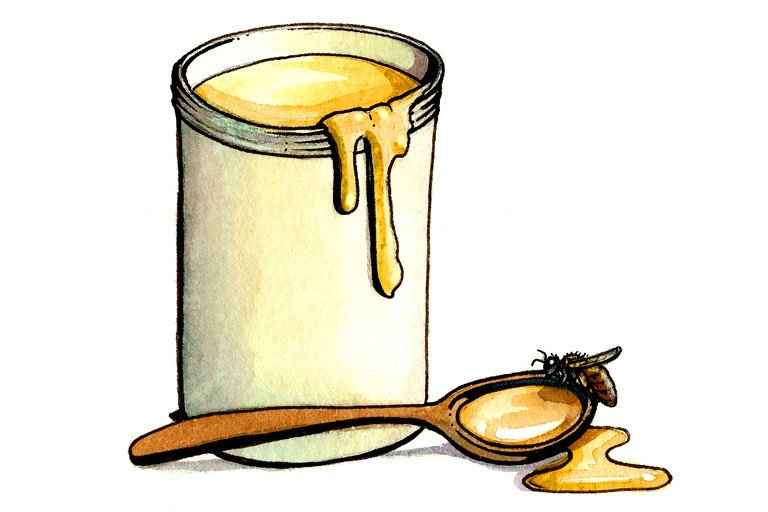
Royal jelly is a viscous substance secreted by worker bees that makes up the essential food for queen bees and their larvae. It is consumed as a health food around the world. Preclinical studies suggest royal jelly may reduce blood pressure, cholesterol levels, and inflammation. However, studies in humans are quite limited and do not provide adequate evidence of benefit.
Because lab studies identified some estrogenic activity with royal jelly, it should not be used by patients with hormone-sensitive cancers.
- Cholesterol management
Some research suggests benefit, but evidence is very limited. - Diabetes
A few small studies suggest it may improve some markers of type 2 diabetes, but a meta-analysis determined it does not improve glucose levels and quality of evidence is generally low. - Menopausal symptoms
Preliminary data suggest royal jelly may help improve some symptoms. - Mucositis
In patients receiving radiotherapy and chemotherapy, royal jelly along with standard mouthwash therapy improved symptoms of oral mouth sores and healing time. Confirmatory studies are needed.
- Anecdotal weight gain, face rash, gastrointestinal discomfort.
Case reports
- Allergic reactions
- Asthma
- Bloody diarrhea
Do Not Take if:
- You are allergic to bee products: Several cases of allergic reactions have been reported. For this reason, propolis should also be avoided.
- You have estrogen receptor-positive breast cancer: Lab studies identified some estrogenic activity with royal jelly.
- You are taking blood thinners such as warfarin: A case report suggests royal jelly may enhance medication effects and possibly increase bleeding.
For Healthcare Professionals
Royal jelly is a viscous substance secreted by worker bees and constitutes the essential food for queen bees and their larvae. It is consumed as a health food around the world. Preclinical studies suggest vasodilatory, hypotensive, antihypercholesterolemic, anti-inflammatory, and estrogenic effects (1) (3) (9), although its affinity for estrogen receptors is weaker compared with diethylstilbestrol (3). Royal jelly appeared to increase cytotoxic activity of temozolomide (28), but has also shown both inhibitory (7) and proliferative (3) effects. Animal studies suggest it may be helpful for colitis (10) (22) or to improve testosterone levels (19).
Studies in humans are limited. Some suggest improved total serum lipid and cholesterol levels in those with moderately elevated levels (5), and improved erythropoiesis and glucose tolerance in healthy subjects (20). Other data suggest it may improve type 2 diabetes (23) (24) or cardiometabolic markers (33), but a meta-analysis determined that supplementation does not improve glucose levels (34), and quality of evidence is generally low (35).
A combination supplement that contained royal jelly appeared to benefit patients with mild cognitive impairment (27). Other studies suggest that royal jelly supplementation may improve premenstrual (26) and menopausal (6) symptoms. It may also help preserve bone mineral density in postmenopausal women (36).
Only a few studies have been conducted in cancer patients. Royal jelly swished, then swallowed, along with standard mouthwash therapy improved symptoms of oral mucositis and healing time in patients receiving radiotherapy and chemotherapy (29). Another small study suggests benefit with topical royal jelly ointment in head and neck cancer patients (30).
Because royal jelly has estrogenic effects (3), women with estrogen receptor-positive breast cancer should avoid this product. Prostate cancer patients should also use caution as royal jelly increased testosterone levels in animal studies (19).
- High cholesterol
- Diabetes
- Menopause
- Mucositis
In animal models, anti-inflammatory effects with royal jelly were likely mediated by CD3-, CD5-, CD8- and CD45-positive T-cell immune responses (22). Protective effects against taxol-induced testicular damage were attributed to improved antioxidant status and E2f1 transcription factor upregulation (31).
Various mechanisms for cholesterol-lowering effects have been posited (5). Royal jelly may decrease reabsorption of cholesterol in the GI tract and increase its excretion in the bile due to the presence of phytosterols, mainly B-sitosterol. Another explanation offered is that royal jelly suppresses hepatic cholesterol synthesis (8).
Effects against oxidative stress are attributed to antioxidant peptides (24). Improved glucose tolerance and erythropoiesis occur from accelerated conversion of DHEA-S to testosterone via activation of 3β-HSD2 and/or 17β-HSD3 (32). In type 2 diabetic women, royal jelly supplementation reduced hemoglobin A1c and fasting blood glucose levels, increased insulin concentrations, and decreased oxidative stress via improvement of malondialdehyde levels, erythrocyte superoxide dismutase, and glutathione peroxidase activities (23).
Compounds identified in royal jelly exhibit weak estrogenic activity, but also inhibit binding of estradiol to estrogen receptor beta (4).
Major royal jelly protein 3 was identified as the main allergen that can induce anaphylaxis and cross-reactivity with honeycomb (37).