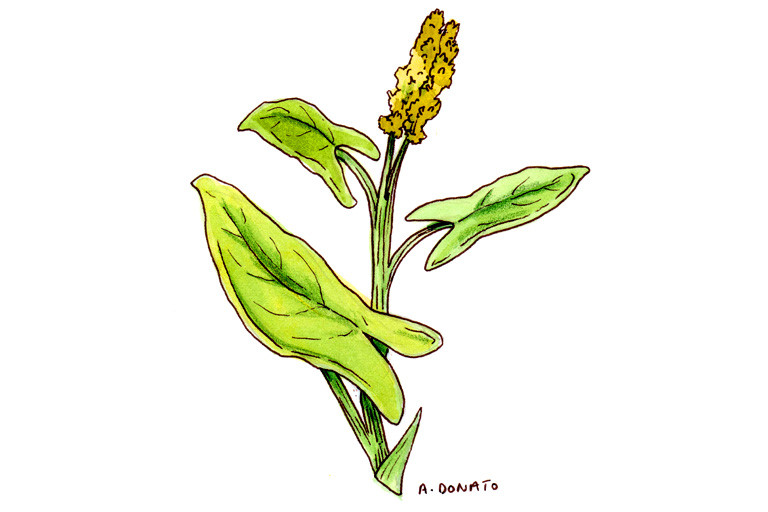
Common Names
- Sorrel
- Dock
For Patients & Caregivers
Tell your healthcare providers about any dietary supplements you’re taking, such as herbs, vitamins, minerals, and natural or home remedies. This will help them manage your care and keep you safe.
There is no evidence that sheep sorrel can treat diarrhea, cancer, or any other medical condition.
Sheep sorrel is a flowering plant considered a perennial weed. It is native to Europe, Russia, and the Middle East and North Africa, and is prevalent in the United States. Historically used to treat inflammation, scurvy, cancer, and diarrhea, sheep sorrel is also one of four ingredients in Essiac, an alternative cancer treatment.
Scientific research has not been conducted on sheep sorrel, but there is familiarity with how some of the compounds in this plant work. Anthraquinones might produce a laxative effect by stimulating movement in the GI tract and increasing fluid levels in the intestines. These compounds are also considered antioxidants that may be able to neutralize free radicals, which can cause cellular and DNA damage in the body.
- To treat cancer
Evidence is lacking to support this claim. - To treat diarrhea
Evidence is lacking to support this claim. - To reduce fever
Evidence is lacking to support this claim. - To reduce inflammation
Evidence is lacking to support this claim. - To treat scurvy
Sheep sorrel contains vitamin C, which helps prevent scurvy, but there are no clinical data to support use.
- Upset stomach
- Abdominal cramps
- Diarrhea, possibly leading to dangerously low blood potassium levels
- Kidney and liver damage
Do Not Take if:
- You have a history of kidney stones: The oxalate content in sheep sorrel may contribute to kidney stone formation.
- You are taking diuretics: Most diuretics cause the body to lose potassium, an effect that could be made worse from the laxative effects of sheep sorrel, and increase risks for dangerously low blood potassium levels.
For Healthcare Professionals
Sheep sorrel is a flowering plant considered a perennial weed. It is native to Europe, Russia, and the Middle East and North Africa, and is prevalent throughout the United States. Sheep sorrel has been used historically to treat inflammation, scurvy, cancer, and diarrhea. It is also one of four ingredients in Essiac, an alternative cancer treatment (1).
The major constituents include anthraquinones and oxalates (1). However, there are no clinical data to support the use of sheep sorrel for any proposed claims. Consuming large doses may result in diarrhea from the anthraquinones and renal and liver damage from the oxalate content (2).
- Cancer
- Diarrhea
- Fever
- Inflammation
- Scurvy
Anthraquinones including emodin, rhein, and physcion stimulate peristalsis and increase secretion of mucous and water into the intestines. They are also considered to be antioxidants and free radical scavengers (1).
Patients with a history of kidney stones should not consume this herb.
Gastroenteritis, abdominal cramps, diarrhea leading to possible hypokalemia, as well as kidney and liver damage (2).
Diuretics: Additional potassium loss and increased hypokalemia risk due to laxative effects of sheep sorrel.
Anthraquinones can cause discoloration of urine, interfering with urinalysis (3).