Tell your healthcare providers about any dietary supplements you’re taking, such as herbs, vitamins, minerals, and natural or home remedies. This will help them manage your care and keep you safe.
There is no evidence to support use of stillingia to treat cancer, infections, or other medical conditions.
Stillingia is a root extract. It is known to contain chemicals called diterpene esters, toxic irritants that can cause swelling and inflammation. One lab experiment suggested that diterpene esters can halt the growth of cancer cells, but stillingia has not been studied.
Stillingia root is one of the ingredients in Hoxsey Herbal Therapy, which is promoted as an alternative cancer treatment.
Evidence is lacking to support claims that stillingia might be able to treat:
Bronchitis
Chest congestion
Cancer as part of Hoxsey Herbal Therapy
Constipation
Hemorrhoids
Laryngitis
Skin abscesses
Muscle spasms
Syphilis
Dizziness
Burning sensation on mucous membranes
Diarrhea
Nausea
Vomiting
Muscle aches
Skin itching/eruptions
Cough
Fatigue
Sweating
For Healthcare Professionals
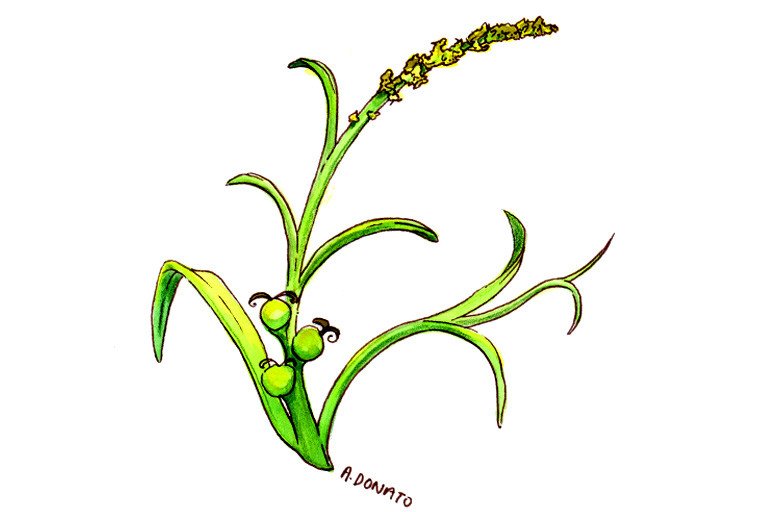
Stillingia sylvatica
Stillingia is an herb native to the southern United States. Its root has been used in traditional medicine to treat syphilis, bronchitis, constipation, hemorrhoids, and skin conditions. There are no clinical data to support the use of this herb for any of the proposed claims.
Stillingia contains diterpene esters that cause mucosal irritation and skin eruptions. Other reported toxicities include vertigo, diarrhea, nausea, vomiting, muscle ache, pruritus, cough, fatigue, and sweating (1).
Stillingia is an ingredient in Hoxsey Herbal Therapy, an alternative cancer treatment.
Bronchitis
Cancer
Chest congestion
Constipation
Hemorrhoids
Laryngitis
Skin abscesses
Spasms
Syphilis
Stillingia contains diterpene esters, toxic irritants that can cause swelling and inflammation of the skin (1). In vitro studies have shown that diterpene esters have antitumor activity (2), but stillingia has not been evaluated.