For Patients & Caregivers
Tell your healthcare providers about any dietary supplements you’re taking, such as herbs, vitamins, minerals, and natural or home remedies. This will help them manage your care and keep you safe.
Transfer factors have not been shown to treat or prevent cancer.
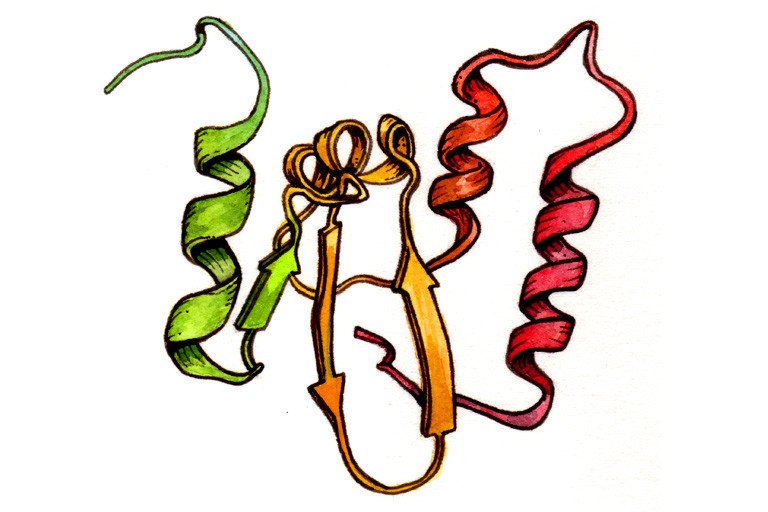
Transfer factors are a group of proteins produced by cells of the immune system. Studies in humans are limited. Some suggest that transfer factors can be used to treat herpes, infections in children, chronic fatigue syndrome, and yeast infections. Other data suggest they may boost the immune system in patients with AIDS. However, more research is needed to determine the effects of transfer factors.
- To treat cancer
Evidence is lacking to support use of transfer factors for cancer treatment. - To treat multiple sclerosis
Evidence is lacking to support this claim. - To treat AIDS
One study showed that transfer factors increased the number of white blood cells in patients with AIDS. - To treat viral infections
Small studies suggest some efficacy in treating herpes. - To treat liver inflammation
Transfer factors were not effective in treating hepatitis. - To treat asthma
Some studies have shown that transfer factors do not benefit patients with asthma. - To treat chronic fatigue syndrome
A pilot study suggests transfer factors may have positive effects on chronic fatigue syndrome.
- Fever, tenderness, pain, swelling
For Healthcare Professionals
Transfer factors are a complex group of more than 200 highly polar, hydrophilic, low molecular weight (<12,000 Da) proteins produced in small quantities by lymphoid cells (1). They can be extracted from human or animal white blood cells, from cloned lymphocytes, or from colostrum and egg yolk. The parent lymphocyte’s delayed-type hypersensitivity and cell-mediated immunity is passed along to non-immune recipients, and appears to function across species. In animal models, transfer factors were shown to reduce tumor size and increase peripheral blood T-lymphocyte counts (21).
In humans, preliminary studies suggest transfer factors are well tolerated and may have some efficacy for the treatment of herpes (2), acute infection in children (3), chronic fatigue syndrome (4), and candidiasis (5). One study showed effectiveness in increasing white blood cells, CD8 lymphocytes, and IL-2 levels among patients with HIV (6). However, transfer factors were reported ineffective in treating hepatitis (7), multiple sclerosis (8), extrinsic bronchial asthma (9), warts (10), juvenile rheumatoid arthritis (28), and acne vulgaris (11).
Transfer factors were also ineffective against malignant melanoma (12), nasopharyngeal carcinoma (13), bronchogenic carcinoma (14), Hodgkin’s disease (15), osteogenic sarcoma (16), and mycosis fungoides (17). However, in a study of children with leukemia, immunization with transfer factors conferred protection against varicella-zoster infection (20). Other preliminary data suggest increased survival rates among patients with early stage lung and cervical cancers (18) (19).
Overall, there is a paucity of large randomized controlled clinical trials, and a need for further research into the effectiveness of transfer factors.
- Cancer
- Multiple sclerosis
- Viral infections
- Hepatitis
- Asthma
- Chronic fatigue
Transfer factors contain many molecules, some of which act in an antigen-specific manner, while others appear to have immunomodulating capabilities (1). Human leukocyte dialysates (DLE) contain low molecular peptides that were characterized in the late 1980s as amino terminal ends of enkephalins. A low molecular weight sub fraction derived from DLE, IMREG-1 has been shown to enhance cell-mediated immunity (22).
In vitro, cells of both murine recipients and humans treated for herpes zoster virus infection secrete gamma-interferon in response to transfer factors (2) (23). Studies have also suggested that production of transfer factors but not their immunologic activity is regulated by immune response genes (24).