
If you’ve been diagnosed with cervical cancer, Memorial Sloan Kettering Cancer Center is ready to help. Our doctors and specialists who treat cervical cancer are dedicated to giving you the best outcome and quality of life possible.
About Cervical Cancer
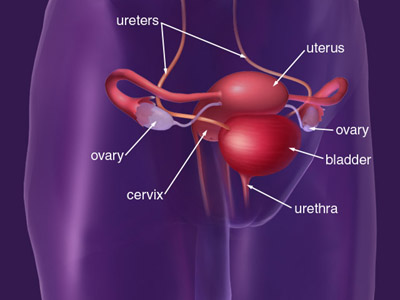
Most cervical cancers begin in an area called the transformation zone, where the inner part of the cervix closest to the uterus (the endocervix) meets the outer part of the cervix closest to the vagina (the ectocervix).
Infection with the human papillomavirus (HPV) is the main risk factor for cervical cancer, causing more than 90 percent of those diagnosed in the Unites States. This virus is so common that it affects nearly 70 percent of sexually active women.
Cervical cancer usually grows slowly, over many years. Before actual cancer cells in the cervix develop, the tissues of the cervix undergo changes at the cellular level — called dysplasia, or precancers. At this early precancer stage, these dysplastic cells can often be removed and the condition cured with an office procedure.
Experts at Memorial Sloan Kettering usually perform a biopsy and conduct other tests to confirm the diagnosis and determine the stage of the disease.
Depending on the stage of your disease, your doctor may recommend treatment with surgery, chemotherapy, radiation therapy, or some combination of these. Your treatment will also vary based on whether the cancer is confined to the cervix.
You may also be eligible for a clinical trial exploring a new therapy.
Cervical Cancer Prevention
At one time, cervical cancer was considered one of the most serious cancers for women. But thanks to effective screening with the vaginal Pap smear (also called a Pap test), which can detect cervical precancers and cancers early on, most of the more than 12,000 Americans diagnosed annually with this illness can be cured.
Read more about Pap smears and other cervical cancer screening tests.
Types
There are three types of cervical cancer.
Squamous cell carcinoma
Squamous cell carcinoma is by far the most common type of cervical cancer — it accounts for about 70 percent of all cases. Squamous cell carcinomas cover the outer part of the cervix closest to the uterus.
Adenocarcinomas
Adenocarcinomas account for about 25 percent of cases of cervical cancer. Adenocarcinomas start in the mucus-producing gland cells that line the endocervix.
Adenosquamous carcinomas
Adenosquamous carcinoma — which has both squamous cell and adenocarcinoma cell types — is the rarest of the three types of cervical cancer.
Symptoms of Cervical Cancer
The most common symptoms of cervical cancer are abnormal bleeding and pain during sex
You may not notice any symptoms of cervical cancer. However, regular Pap smears and HPV testing of the cervix can allow your doctor to find precancerous cells or early cancers before they spread.
We’re available 24 hours a day, 7 days a week


