
Program Directors with 2024-2025 first-year class and Chief Fellows
The Memorial Sloan Kettering (MSK) Hematology and Medical Oncology Fellowship Training Program aims to provide comprehensive training in the evaluation and care of patients with cancer, leading to board eligibility in the subspecialties of either Hematology or Medical Oncology, or both Hematology and Medical Oncology, and to develop the next generation highly qualified, productive and funded clinical and/or laboratory-based investigators.
The program has a long tradition of rigorously promoting career development, having trained leading physician-scientists by providing focused education and training in both the clinical management of neoplastic disorders as well as the conduct of clinical and/or laboratory investigation.
Meet our Fellows and Graduates
Program Components
Medical Oncology Training
The MSK Hematology and Medical Oncology Fellowship Training Program aims to provide fellows with comprehensive subspecialty training in clinical oncology while also developing their careers as future clinical and/or laboratory investigators. These goals are achieved through direct clinical experience, both in the inpatient and outpatient setting, as well as a structured didactic curriculum designed to promote clinical and laboratory investigation.
Clinical subspecialty training at MSK is both diverse and comprehensive. In the first year of training, fellows are assigned to both inpatient and outpatient clinical rotations, with two-thirds of the first year of training exclusively set in mentored outpatient subspecialty care clinics. During outpatient blocks, fellows spend time in a variety of subspecialty clinics to maximize exposure in both medical oncology and hematology. Fellows also have a continuity outpatient clinic assigned each half-year interval to help maximize longitudinal experiences with experienced teaching faculty. While rotating on outpatient blocks, fellows are protected from any inpatient responsibilities to maximize exposure and optimize retention of knowledge acquired in outpatient subspecialty clinics.
The inpatient experience at MSK constitutes one-third of the year with rotations in leukemia, lymphoma/myeloma, stem cell transplantation, solid tumor consultation, and the genitourinary cancer service. These rotations provide a comprehensive experience to master management of acute oncologic emergencies and complications of underlying malignancies and their treatments. Inpatient rotations also serve as an opportunity for fellows to assume a leadership role in supervising both house staff and advanced practice providers. During the inpatient blocks, fellows will also have dedicated time to master the skill of bone marrow biopsy and Ommaya reservoir sampling and will be protected from outpatient responsibilities with the exception of a half-day weekly continuity clinic.
Hematology Training
MSK offers two paths for fellows to pursue hematology certification. The first is a novel hematology-focused fellowship track. Fellows on this track can single-board in hematology or incorporate six months of medical oncology in their upper years for dual certification. The second option is the traditional track, on which fellows who elect to become dual board-certified in medical oncology and hematology complete six months of hematology training throughout the second and third years of fellowship.
Fellows pursuing hematology certification on either track participate in specialty clinics devoted to hemoglobinopathies, hemophilia, and coagulopathy/platelet disorders. In addition, fellows will also participate in the benign hematology consult service and gain experience responding to hematologic emergencies and complications. Additional experiences and didactics include a benign hematology lecture series, bone marrow pathology reviews, and additional training in both laboratory and transfusion medicine.
Core Curriculum and Conferences
During clinical training (12 months for single-boarding in medical oncology or hematology; 18 months for dual certification in medical oncology/hematology), clinical opportunities are supplemented by a highly structured curriculum that showcases core concepts in clinical oncology as well as trial and laboratory-based research. The curriculum features lectures by many of MSK’s highly regarded faculty, service chiefs, and premier laboratory investigators. Fellows have a weekly protected academic half-day which includes additional practice-based learning with multi-disciplinary case conferences.
In addition to the core lecture series, the first-year curriculum includes a protected academic half-day weekly allowing for specialty directed lectures series:
2023-2024 Lecture Series
- Cancer Biology Series
- This lecture series invites some of MSK’s most renowned physician-scientist and clinical trial investigators to speak about emerging initiatives in cancer biology and provide career mentorship pearls.
- Rounds
- Led by the Chair of the Department of Medicine along with other service chiefs, this seminar allows fellows to present complex clinical cases and discuss approaches and management.
- Thinking Like an Oncologist Series
- This lecture series invites fellows to present a disease specific case-based learning discussion with an attending discussant. Presented in an open forum, this series allows attendings to play “devil’s advocate” with the fellows and discuss interesting twists to cases to highlight nuanced clinical decision making.
- Chemotherapy Practicum
- First year fellows are educated and ultimately credentialed in the preparation and administration of chemotherapeutic agents. After completion at the beginning of the year, fellows will be expected to order chemotherapy in both the outpatient and inpatient setting.
- Resiliency Curriculum
- To help recognize and combat physician burnout, this workshop allows fellows the opportunity to learn, build and practice resiliency skills throughout the first year of training.
- Communication Curriculum
- First year fellows will participate in workshops to help learn and practice communication skills including sharing news, goals of care conversations and other patient based scenarios, with immediate attending feedback.
Career Mentorship
In the first year of training, each fellow is assigned an advisor to aid in mentor selection during the subsequent research training years. Faculty mentors may be chosen at Memorial Sloan Kettering, Weill Cornell Medical College/NYP, and Rockefeller University. These faculty members are independent clinical and/or laboratory investigators with proven records of grantsmanship and academic success. By the conclusion of the first year, each fellow/mentor pair submits a research proposal that targets either intensive training in laboratory research or the design and execution of clinical trials during the second and third years of subspecialty training. These proposals are reviewed to ensure that they are rigorous and academically sound to optimize fellow success in pursuing grant funding.
Research Years
Clinical Research Training
Fellows intending to pursue a career in clinical research begin a two-year period of formal training beginning in their second year. During this period, under the oversight of their clinical mentors, fellows develop a focused, testable hypothesis; accrue sufficient data; perform the appropriate data analysis (in combination with MSK’s core facility biostatisticians); and present their findings both at national meetings and in peer-reviewed publications. During their training, clinical research fellows also have the opportunity to write and develop new clinical projects and submit them for review by regulatory committees including the Institutional Review Board. Clinical research fellows also collaborate with basic scientists to develop translational initiatives that attempt to provide laboratory and computational analyses to correlate with clinically relevant outcomes. Fellows meets regularly with their mentor, biostatisticians, and research study assistants to oversee and analyze clinical trial data. During this two-year period, clinical research fellows are supported by intramural funding sources both at the Sloan Kettering Institute and MSK. Fellows are also encouraged to apply for extramural sources of funding. To build a foundation for successful grantsmanship, all second-year fellows complete a fellowship level grant writing course that focuses on development of skills required to obtain grant funding as they transition to careers as independent investigators.
The Department of Medicine provides strong support for training in clinical research and the implementation of clinical trials. Patients on protocol are co-managed by research nurses, research study assistants, and pharmacists, who provide support for ongoing clinical trials. This team, in collaboration with the trainee, is responsible for administering chemotherapy, monitoring toxicities, providing biostatistical and data management support, and distributing study medications. All clinical research data are maintained on the institution’s electronic Clinical Research Database (CRDB), maintained by the Department of Biostatistics and Epidemiology. Dedicated space and computer access to all clinical information and databases are provided for research study associates and trainees.
Clinical responsibilities for clinical research fellows include one half day of continuity clinic, typically under the guidance of the research preceptor, and two half days of elective clinics.
Laboratory Research Training
Each fellow intending to pursue a career in laboratory research begins a minimum two-year period in his or her mentors’ laboratory starting in the second year. During this time, mentors supervise implementation and completion of the goals outlined in their fellow’s research proposals. Research fellows collaborate closely with members of the larger tri-institutional research community, including the Louis V. Gerstner, Jr. Graduate School of Biomedical Sciences, the Graduate School of Medical Sciences conducted conjointly between Memorial Sloan Kettering and Weill Cornell Medical College, and the Tri-Institutional MD/PhD Program sponsored collectively by the Sloan Kettering Institute, The Rockefeller University, and Weill Cornell Medical College. As part of their ongoing research education, fellows attend and participate in an active calendar of lectures, seminars, and research consortiums. They are funded and encouraged to attend selected conferences (e.g., AACR/ASCO workshops, Keystone conferences, Cold Spring Harbor conferences) to interact with other research investigators and further their scientific education. Training in research ethics, trial regulatory requirements, biostatistics, research methodology, and data computerization is provided both by the Tri-Institutional Ethics Program and Memorial Sloan Kettering programs.
Throughout this research training period, fellows’ research initiatives may be supported by either the Sloan Kettering Institute and MSK T32 training grants or other funding sources. Salary support is guaranteed for three years of standard fellowship training and four to five years (depending on single- or dual-board eligibility) for those trainees who have selected the ABIM-Clinical Investigator Pathway after two years of Internal Medicine residency. Similar to clinical research fellows, laboratory research fellows are encouraged to apply for extramural sources of funding. Laboratory-based research fellows participate in a grant writing workshop targeting Young Investigator Awards in order to develop skills required to secure funding. As senior fellows, they participate in an advanced grant writing workshop targeting K Awards, allowing for successful transition to independent investigators. Extramural funding sources include but are not limited to: the American Society of Hematology; the American Society of Clinical Oncology Young Investigator and Career Development Awards; the Leukemia Society Special Fellows Award; the American Cancer Society Junior Faculty Awards; and K-series (K08/K23/K12/K99-R00) awards.
The Hematology and Oncology Fellowship program directors meet twice yearly formally and at numerous times informally with trainees to review progress. Research progress is gauged, in part, by submission of applications for support from internal and external funding sources during the second or later years of laboratory research (as mentioned above), as well as submission of abstracts to national meetings and generation of manuscripts for publication in peer-reviewed journals.
Each laboratory research fellow continues to attend one half-day outpatient clinic in the disease specialty of his or her choice under the care of a clinical mentor. This level of protection allows fellows to devote the required time to laboratory investigation while maintaining clinical skills. Research time is truly protected; there are no weekend or on-call responsibilities during the research training years. Research fellows are encouraged to pursue translational initiatives that integrate their basic-science interests with clinical outcomes, particularly in the context of clinical trials. The fellowship program provides a protocol writing workshop for all fellows in the spring of each year in order to provide this critical skill set for prospective research.
The Certificate Program in Clinical Investigation
The Certificate Program in Clinical Investigation (CPCI) is a one-year research training curriculum available for all fellows in the fellowship program. This didactic curriculum provides a fundamental core of lectures, interactive seminars, Web-based programs, and workshops necessary for the training of future clinical investigators dedicated to academic careers in biomedical research. The one-year curriculum is conducted simultaneously with subspecialty clinical research training overseen by each fellow’s mentor. The curriculum includes coursework in each of the following areas: Biostatistics in Clinical Research; Drug and Medical Device Development from Pre-Clinical Testing to FDA Approval; Clinical Research in Outcomes Analysis, Psychometric Measurements, Clinical Genetics, Biological Markers, Early Detection, Epidemiology, and Chemoprevention; Conducting Clinical Investigations: Ethical Conduct, Regulations Involving Human Subject Research, Data Management, Reporting Responsibilities, Institutional Oversight, and Conflict of Interest; and Institutional and Cooperative Group Clinical Trials: Trial Designs, Correlative Sciences, Ethical Considerations, and Regulatory Oversights.
Recruitment
Our program is dedicated to training future academic oncologists. Candidate selection is based upon both outstanding clinical ability and a strong interest in a research career.
How to Apply
The Hematology and Medical Oncology fellowship program at Memorial Sloan Kettering utilizes the ERAS application system.
Three letters of recommendation are required. One letter of reference must be from your Internal Medicine residency program director which may take the form of a joint letter with the Chair of Medicine. Fellows pursuing laboratory based research are requested to submit a letter either from either their PhD mentor or prior laboratory supervisor. Medical school transcript and ECFMG certificate (if applicable) must be submitted to ERAS.
This training program participates in The National Resident Matching Program (NRMP).
Eligibility
Candidates must be board eligible or certified in Internal Medicine.
Deadline
Applications will be reviewed on a continuous basis during the application period. Prompt application is encouraged. All applications received before August 15 will be considered. Invitations for interview with faculty at our center are made on a rolling basis beginning in August after the application deadline.
Contact
Please direct all inquiries to:
Myra-Paula Alonso, GME Coordinator
Memorial Sloan Kettering Cancer Center
1275 York Ave, M2102C
New York, NY 10065
Telephone: 212-639-5809
Email: [email protected]
Benefits
Life on the Upper East Side
Memorial Sloan Kettering Cancer Center offers limited housing in the vicinity of the medical center on the upper east side of New York City. The upper east side is a very safe neighborhood with ample access to waterfront (East River jogway/walkway), walking distance to Central Park, and home to many families with young children and excellent schools. The upper east side is also home to many world renown hospitals in addition to our own, including New York Presbyterian- Weill Cornell and Hospital for Special Surgery, and the Rockefeller University. The rest of the city is easily accessible via subway, particularly from the number 6 and Q lines.
There is ample opportunity for fellows to socialize with other fellows across the institution. The Hematology fellowship program hosts an annual retreat, as well as events such as ice-cream socials and a summertime picnic in Central Park.
Program Leadership
Director
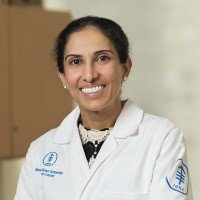
Section Head, Endometrial Cancer Program; Director, Hematology-Medical Oncology Fellowship Training Program; Associate Attending Physician
Deputy Director
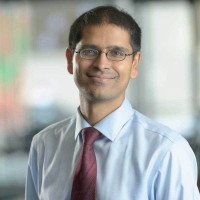
Section Head, Bladder Cancer
Associate Directors
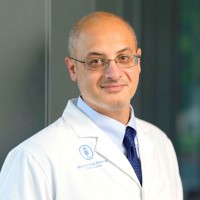
Chair, Molecular Pharmacology, Sloan Kettering Institute; Edward P. Evans Endowed Chair for MDS
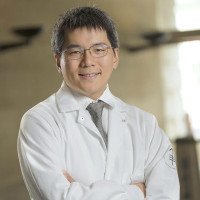
Associate Attending Physician
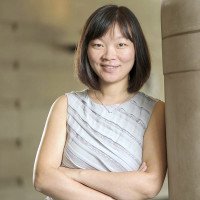
Attending Physician
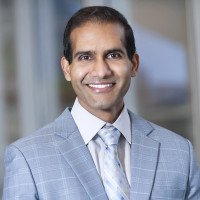
Assistant Attending Physician
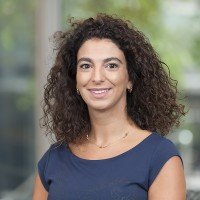
Assistant Attending Physician
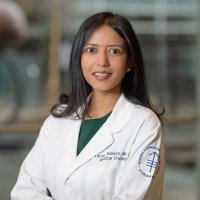
Assistant Attending Physician
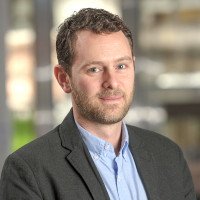
Assistant Attending Physician
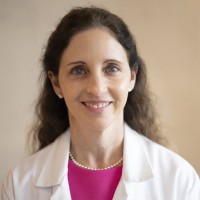
Associate Program Director, Medical Oncology/Hematology Fellowship, Hematology Track
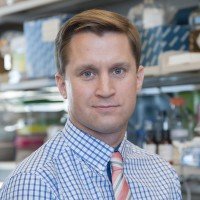
Assistant Attending Physician
