History & Overview Annual Report President's Pages Center News Community Affairs
Make a Gift Cycle for Survival Fred's Team Rock & Run on the River Yankees Universe Fund Thomas Blake Sr. Memorial Research Fund Donating Blood & Platelets Volunteering Thrift Shop Park Avenue Potluck Cookbook
Press Releases In the News Information for Journalists News@MSKCC
Manhattan New Jersey Long Island Westchester
Working at Memorial Sloan-Kettering Work Sites College Recruitment About Nursing Job Fairs & Career Days Job Search & Apply Online
Making an Appointment
Search About Herbs:

Beta-Carotene

How It Works

Bottom Line: Beta-carotene is NOT effective in treating heart disease, cancer, or HIV or preventing cataracts or macular degeneration. Beta-carotene may be able to prevent small lumps in the mouth from turning into cancer.

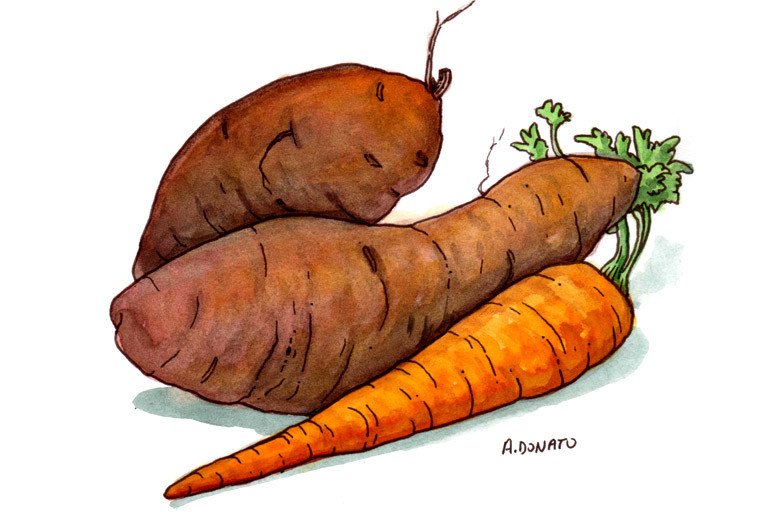
Beta-carotene is an antioxidant that is found in deep yellow and orange fruits, such as apricots, cantaloupe, and papaya, as well as squash, carrots, sweet potatoes, pumpkin, leafy greens, and broccoli. Although scientists have proposed a number of mechanisms by which beta-carotene obtained through a healthy diet may prevent cancer, use of beta-carotene supplements may actually be harmful.

Purported Uses

  • As an antioxidant
    Several studies support this use.
  • To prevent cancer
    Several large and well-designed clinical trials do not support the use of beta carotene supplements for preventing cancer. In fact, high beta-carotene intake has been linked to higher risk of lung cancer in male smokers and aggressive prostate cancer. (This does not necessarily apply to beta carotene obtained from the diet. Beta carotene may act in conjunction with other phytochemicals in fruits and vegetables).
  • To prevent and treat heart disease
    Several large and well-designed clinical trials and population studies show that taking beta-carotene supplements does not reduce the risk of myocardial infarction (heart attack), angina, or coronary artery disease. In fact, a review of clinical trials showed that beta-carotene was associated with a small increase in overall death as well as death to cardiovascular disease.
  • To prevent cataracts
    Clinical trials generally have shown that taking beta-carotene supplements does not reduce the risk of developing cataracts, but a small clinical study found that amounts of beta-carotene in the blood were associated with decreased cataracts, indicating that beta-carotene obtained from the diet, but not supplements may be helpful.
  • To treat HIV and AIDS
    Although a few small studies suggested that beta-carotene supplements could increase CD4 cell counts, recent clinical trials have not been able to replicate these results.
  • To stimulate the immune system
    Some laboratory experiments show that beta-carotene stimulates certain aspects of the immune system, but it is not certain that this effect occurs in the human body. No clinical trials have tested this use in healthy volunteers.
  • To prevent and treat macular degeneration
    One clinical trial suggested that taking an antioxidant supplement plus zinc reduces the risk of macular degeneration, but it is not clear whether beta-carotene, or any of the other antioxidants in this supplement, were responsible for these effects.
  • To treat oral leukopakia
    Several clinical trials have shown that beta-carotene supplementation can induce remission of oral leukoplakia, a pre-cancerous lesion in the mouth.
  • To treat type 2 diabetes
    One clinical study found that high serum beta-carotene levels decreased risk of developing type 2 diabetes, but another study found that beta-carotene supplements did not reduce the risk for type 2 diabetes. Further studies of dietary beta-carotene are needed.
  • To improve cognition
    Results from a clinical trial suggest that long-term supplementation with beta-carotene may improve cognition; however, because of the possible health risks associated with beta-carotene supplementation, further studies are needed to determine if dietary beta-carotene could also improve cognition.

  • Research Evidence

    Cancer and Heart Disease
    The Physicians Health Study (a long-term study of male physicians age 40 - 84) examined the relationship between taking beta-carotene supplements and development of cancer or heart disease. Physicians were randomly split into four groups, and received 1) aspirin plus beta-carotene, 2) aspirin plus placebo pill, 3) beta-carotene plus placebo pill, or 4) two placebo pills, taken every other day. A total of 11,036 men took beta-carotene only and 11,035 men took a placebo. After 12 years, analysis showed that beta-carotene supplementation did not increase or decrease the risk of developing cancer or heart disease. Because women were not included in this study, these results might not apply to women.

    In a study of male smokers (aged 50 - 69 y), 7282 subjects took beta-carotene alone, 7286 subjects took vitamin E alone, 7278 subjects took both supplements, and 7287 subjects took a placebo. Researchers followed the patients for five to eight years or until their death. Subjects taking beta-carotene had a higher number of deaths from lung cancer, ischemic heart disease, and stroke, showing an increased risk for male smokers who take beta-carotene supplements. Because women were not included in this study, these results might not apply to women.

    An analysis of eight large trials of beta-carotene covering 138,113 patients found that taking beta-carotene led to a small but significant increase in mortality and cardiovascular death when compared with placebo. Further study is needed to understand the reason for this increased risk of death and its implications for patients.

    A recent review of 14 clinical trials shows that supplementation with antioxidants B-carotene, vitamins A, C, and E does not seem to prevent gastrointestinal cancer and may actually increase overall mortality.

    HIV and AIDS
    In a study of the effect of beta-carotene supplementation on HIV, 36 patients received 60 mg of beta-carotene three times daily or a similar placebo for three months. Previous smaller studies had shown increases in CD4 cell counts with intake of beta-carotene, but in this study, patients taking beta-carotene did not show improvements in any measures of immune function, including CD4 cell counts.

    Type 2 Diabetes
    In a clinical trial of 846 non-diabetic men (50 years of age), participants were followed for 27 years to see if beta-carotene levels were related to risk of type 2 diabetes. Men with the highest serum levels of beta-carotene had reduced risk of type 2 diabetes. More studies are needed to see if these effects are the same in women.

    Cognition
    In this study of more than 1 year and an average of 18 years) use of beta-carotene supplements, the supplementation was associated with improved cognitive function in men over age 65. However, because of the health risks associated with beta-carotene supplementation, further studies are needed to determine if dietary beta-carotene could also improve cognition.

    Warnings

  • This product is regulated by the F.D.A. as a dietary supplement. Unlike approved drugs, supplements are not required to be manufactured under specific standardized conditions. This product may not contain the labeled amount or may be contaminated. In addition, it may not have been tested for safety or effectiveness.

  • Do Not Take If

  • You regularly consume alcohol (Alcohol may reduce its effects, and high doses of beta-carotene can increase the toxic effects that alcohol has on the liver. ).

  • Side Effects

  • Prolonged intake of high doses of beta-carotene can lead to carotenodermia, a harmless yellowish discoloration of the skin.

  • Special Point

  • In general, high dietary intake of fruit and vegetables is associated with reduced risks of cancer and heart disease. Although beta-carotene supplements do not appear to prevent or effectively treat either of these diseases, beta-carotene obtained from the diet may be more beneficial. This is because it may interact with other phytochemicals in fruits and vegetables and have a greater effect on the body than do supplements alone.

  • Common Name

    Provitamin A carotenoid, beta carotene, betacarotene

    Clinical Summary

    A natural pigment synthesized by plants, beta-carotene supplementation is used as an antioxidant and an immunostimulant, and to prevent or treat cancer, HIV, heart disease, and leukoplakia. Beta-carotene, along with alpha-carotene and beta-cryptoxanthin, can be converted to retinol and is classified as a provitamin A carotenoid. Supplementation with beta-carotene does not increase overall vitamin A levels or lead to vitamin A toxicity.

    Epidemiological associations between beta-carotene and cancer risk are conflicting. Whereas high dietary beta-carotene intake was associated with reduced risk of cervical cancer (1), high serum levels were also associated with increased risk for aggressive prostate cancer (2). In addition, studies of beta-carotene supplementation and chemoprevention for cancer are inconsistent. A review of 14 clinical trials shows that supplementation with antioxidants, beta-carotene and vitamins A, C, and E, does not prevent gastrointestinal cancer, and beta-carotene may actually increase overall mortality (3) (4). Data from large, multicenter trials suggest that beta-carotene supplementation may not lower the risk of prostate cancer (5) (6), and in male smokers over the age 40, beta-carotene supplementation may increase lung cancer incidence (7). Beta-carotene supplementation especially when combined with cigarette smoking may also reduce the efficacy of cancer therapies, resulting in increased recurrence and mortality (8). One large-scale cohort study in the Netherlands suggests alcohol consumption has a negative effect on the chemopreventive property of beta-carotene (9).

    Available data concerning beta-carotene supplementation for HIV-positive patients and its effects on CD4 counts (10) as well as cardiovascular disease are also conflicting. A meta-analysis of eight randomized trials demonstrated a small but significant increase in all-cause mortality and cardiovascular death for the beta-carotene arm over placebo (11) whereas other studies have reported no benefits of beta-carotene supplementation on cardiovascular disease (12) or its risk factors (13). Consistent associations between serum beta-carotene levels and risk of developing type 2 diabetes are also lacking (14)(15). One study reported that serum beta-carotene was inversely associated with the incidence of cataract formation (16). Long-term beta-carotene supplementation may increase cognitive function (17).

    Food Sources

    Deep yellow and orange fruits (apricots, cantaloupe, papaya), squash, carrots, sweet potatoes, pumpkin, leafy greens, and broccoli (18)(19)

    Purported uses

  • Cancer prevention
  • Cardiovascular disease
  • Cataracts
  • HIV and AIDS
  • Immunostimulation
  • Macular degeneration
  • Oral leukoplakia

  • Mechanism of Action

    Beta-carotene is a provitamin A carotenoid and therefore is converted into retinol. Proposed mechanisms of action for beta-carotene for cancer prevention include inhibition of cancer growth, induction of differentiation by modulation of cell cycle regulatory proteins, alterations in insulin-like growth factor-1, prevention of oxidative DNA damage, and possible enhancement of carcinogen metabolizing enzymes. Specifically, beta-carotene reduced cell growth and induced apoptosis in a variety of cancer cell lines possibly through caveolin-1 expression (20). Furthermore, in vivo studies suggest that beta-carotene induces glutathione production (21). Beta-carotene may enhance macrophage function and natural killer (NK) cell cytotoxicity and increase T-helper lymphocyte counts. However, recent clinical studies suggest that beta-carotene may increase cancer risk, and in vitro studies have shown that beta-carotene induces angiogenic gene expression in human umbilical vein endothelial cells (HUVEC) as well as HUVEC migration (22). Furthermore, beta carotene stimulated cellular proliferation in a pancreatic ductal adenocarcinoma cell line (23) and in lung cancer cell lines (24).
    (9)(18)(25)

    Pharmacokinetics

    Absorption
    Intestinal absorption of carotenoids, including beta-carotene, is facilitated by the formation of bile acid micelles. The presence of fat in the small intestine stimulates the secretion of bile acids from the gall bladder and improves the absorption of carotenoids by increasing the size and stability of the micelles, thus allowing more carotenoids to be solubilized. Beta-carotene may be absorbed intact or cleaved to form vitamin A. Source, dose, and presence of other carotenoids affect its bioavailability.
    Distribution
    The concentration of beta-carotene in human serum and tissues is highly variable and depends on food sources, efficiency of absorption, and amount of fat in the diet. Beta-carotene is transported in the blood primarily by low-density lipoproteins. The serum concentration of carotenoids after a single dose peaks at 24-48 hours post dose. The earliest postprandial serum appearance of carotenoids is in the chylomicron fraction. Beta-carotene is primarily stored in adipose tissue and liver.
    Metabolism/Excretion
    Beta-carotene may be cleaved to form vitamin A while being absorbed from the stomach. Cleavage is accomplished either by the intestinal mucosal enzyme beta-carotene 15-15' dioxygenase or by noncentral cleavage mechanisms. The extent of conversion of a highly bioavailable source of dietary beta-carotene to vitamin A in humans has been shown to be between 60-75%, with an additional 15% of the beta-carotene absorbed intact. Noncentral cleavage of carotenoids yields a wide variety of metabolic products, including aldehydes, acid, alcohol, and epoxide derivatives. It is assumed that beta-carotene is eliminated in bile and urine.
    (18)(26)(27)

    Adverse Reactions

    No adverse effects have been reported.
    Toxicity: Carotenodermia is a harmless but clearly documented effect of high carotenoid intake. A yellowish discoloration of the skin resulted following chronic intake of food and supplements containing large amounts of carotenoids.
    (18)(26)(28)

    Herb-Drug Interactions

    Ethanol: May block the conversion of beta-carotene to vitamin A. Hepatotoxic effects of ethanol may be potentiated by high doses of beta-carotene. One large-scale cohort study in the Netherlands suggests alcohol consumption has a negative effect on the chemopreventive property of beta-carotene.
    (9)(19)

    Literature Summary and Critique

    Hennekens CH, et al. Lack of effect of long-term supplementation with beta carotene on the incident of malignant neoplasms and cardiovascular disease. N Engl J Med 1996;334:1145-9.
    A prospective, double-blind evaluation of male physicians, ages 40-84, randomized to receive 325 mg aspirin plus 50 mg beta-carotene every other day, one active and one placebo, or two placebos. A total of 11,036 patients received beta-carotene only and 11,035 patients received placebo over a 12-year treatment period. Statistical analysis suggests that beta-carotene supplementation offers no increased or decreased risk for development of any cancer. Beta-carotene supplements do not appear to influence risk of cardiovascular events. A subset analysis of subjects who smoked suggested no increase or decrease in cancer risk.

    Heinonen OP, et al. Alpha-Tocopherol, Beta carotene Cancer Prevention Study Group. The effect of vitamin E and beta carotene on the incidence of lung cancer and other cancers in male smokers. N Engl J Med 1994;330:1029-35.
    A prospective, randomized evaluation of male smokers, ages 50-69, from Finland. Subjects received supplementation with 20 mg beta-carotene alone (n=7282), 50 mg alpha-tocopherol alone (n=7286), combination (n=7278), or placebo (n=7287). Patients were followed for 5 to 8 years or until death. Primary endpoint was incidence of lung cancer. Data analysis revealed an increased number of deaths from lung cancer, ischemic heart disease, and hemorrhagic stroke for subjects receiving beta-carotene, with an 8% higher mortality rate over those not receiving beta-carotene. The authors suggest that although beta-carotene has previously been shown to reduce the incidence of certain cancer, male smokers may be at an increased risk of lung cancer when administered beta-carotene supplements.

    Coodley GO, et al. Beta-carotene in HIV infection: an extended evaluation. Cancer 1996;10:967-73.
    A prospective, intent-to-treat evaluation of HIV positive patients randomized to receive 3 months of either 60 mg beta-carotene three times daily (n=36) or placebo (n=36). The primary outcomes were changes in CD4 cells, CD4/CD8 ration, Karnofsky score, NK cells, and total WBC. No significant advantage was demonstrated in patients supplemented with beta-carotene for any of the endpoints. Although previous pilot studies suggested improvements in CD4 cell counts following beta-carotene supplementation, no benefit could be demonstrated in this study.

    Arnlov J, et al. Serum and dietary beta-carotene and alpha-tocopherol and incidence of type 2 diabetes mellitus in a community-based study of Swedish men: report from the Uppsala Longitudinal Study of Adult Men (ULSAM) study. Diabetologia. Nov 5 2008.
    To determine if serum levels or dietary intake of beta-carotene influence the incidence of type 2 diabetes, 846 non-diabetic men (50 years of age) were followed up to 27 years in this longitudinal study. Participants with the highest serum levels of beta-carotene had reduced risk of developing type 2 diabetes. Conversely, impaired insulin sensitivity was associated with low serum beta-carotene. Further studies are required to determine if beta-carotene is associated with the incidence of type 2 diabetes in women.

    Grodstein F, et al. A randomized trial of beta carotene supplementation and cognitive function in men: the Physicians' Health Study II. Arch Intern Med. Nov 12 2007;167(20):2184-2190.
    The effects of short-term or long-term beta-carotene supplementation (50 mg every other day) on cognitive function were determined in participants from the Physicians' Health Study II. Participants (men >65 years) were analyzed for general cognition, verbal memory, and category fluency. Although participants receiving beta-carotene supplementation for a mean of 1 year did not show any improvements in cognitive function, those in the long-term group (mean duration of 18 years) had increased cognitive performance compared to the placebo-control group. Due to the possible health risks associated with beta-carotene supplementation, further studies are required to determine the risk-to-benefit ratio of beta-carotene supplementation.

    References

    1. Ghosh C, Baker JA, Moysich KB, et al. Dietary intakes of selected nutrients and food groups and risk of cervical cancer. Nutr Cancer. May-Jun 2008;60(3):331-341.
    2. Peters U, Leitzmann MF, Chatterjee N, et al. Serum lycopene, other carotenoids, and prostate cancer risk: a nested case-control study in the prostate, lung, colorectal, and ovarian cancer screening trial. Cancer Epidemiol Biomarkers Prev. May 2007;16(5):962-968.
    3. Bjelakovic G, Nikolova D, Simonetti RG, et al. Antioxidant supplements for prevention of gastrointestinal cancers: a systematic review and meta-analysis. Lancet. Oct 2-8 2004;364(9441):1219-1228.
    4. Bjelakovic G, Nikolova D, Simonetti RG, et al. Antioxidant supplements for preventing gastrointestinal cancers. Cochrane Database Syst Rev. 2008(3):CD004183.
    5. Kirsh VA, Hayes RB, Mayne ST, et al. Supplemental and dietary vitamin E, beta-carotene, and vitamin C intakes and prostate cancer risk. J Natl Cancer Inst. Feb 15 2006;98(4):245-254.
    6. Ambrosini GL, de Klerk NH, Fritschi L, et al. Fruit, vegetable, vitamin A intakes, and prostate cancer risk. Prostate Cancer Prostatic Dis. 2008;11(1):61-66.
    7. The effect of vitamin E and beta carotene on the incidence of lung cancer and other cancers in male smokers. The Alpha-Tocopherol, Beta Carotene Cancer Prevention Study Group. N Engl J Med. Apr 14 1994;330(15):1029-1035.
    8. Meyer F, Bairati I, Fortin A, et al. Interaction between antioxidant vitamin supplementation and cigarette smoking during radiation therapy in relation to long-term effects on recurrence and mortality: a randomized trial among head and neck cancer patients. Int J Cancer. Apr 1 2008;122(7):1679-1683.
    9. Leo MA, Lieber CS. Alcohol, vitamin A, and beta-carotene: adverse interactions, including hepatotoxicity and carcinogenicity. Am J Clin Nutr. Jun 1999;69(6):1071-1085.
    10. Coodley GO, Coodley MK, Lusk R, et al. Beta-carotene in HIV infection: an extended evaluation. AIDS. Aug 1996;10(9):967-973.
    11. Vivekananthan DP, Penn MS, Sapp SK, et al. Use of antioxidant vitamins for the prevention of cardiovascular disease: meta-analysis of randomised trials. Lancet. Jun 14 2003;361(9374):2017-2023.
    12. Hennekens CH, Buring JE, Manson JE, et al. Lack of effect of long-term supplementation with beta carotene on the incidence of malignant neoplasms and cardiovascular disease. N Engl J Med. May 2 1996;334(18):1145-1149.
    13. Wang L, Gaziano JM, Norkus EP, et al. Associations of plasma carotenoids with risk factors and biomarkers related to cardiovascular disease in middle-aged and older women. Am J Clin Nutr. Sep 2008;88(3):747-754.
    14. Arnlov J, Zethelius B, Riserus U, et al. Serum and dietary beta-carotene and alpha-tocopherol and incidence of type 2 diabetes mellitus in a community-based study of Swedish men: report from the Uppsala Longitudinal Study of Adult Men (ULSAM) study. Diabetologia. Nov 5 2008.
    15. Kataja-Tuomola M, Sundell JR, Mannisto S, et al. Effect of alpha-tocopherol and beta-carotene supplementation on the incidence of type 2 diabetes. Diabetologia. Jan 2008;51(1):47-53.
    16. Dherani M, Murthy GV, Gupta SK, et al. Blood levels of vitamin C, carotenoids and retinol are inversely associated with cataract in a North Indian population. Invest Ophthalmol Vis Sci. Aug 2008;49(8):3328-3335.
    17. Grodstein F, Kang JH, Glynn RJ, et al. A randomized trial of beta carotene supplementation and cognitive function in men: the Physicians' Health Study II. Arch Intern Med. Nov 12 2007;167(20):2184-2190.
    18. Dietary Reference Intakes for Vitamin C, Vitamin E, Selenium, and Carotenoids. Washington D.C.: National Academy Press; 2000.
    19. Schuurman AG, Goldbohm RA, Brants HA, et al.A prospective cohort study on intake of retinol, vitamins C and E, and carotenoids and prostate cancer risk (Netherlands). Cancer Causes Control. Aug 2002;13(6):573-582.
    20. Palozza P, Sestito R, Picci N, et al. The sensitivity to beta-carotene growth-inhibitory and proapoptotic effects is regulated by caveolin-1 expression in human colon and prostate cancer cells. Carcinogenesis. Nov 2008;29(11):2153-2161.
    21. Takeda S, Bando N, Yamanishi R. Ingested beta-carotene enhances glutathione level and up-regulates the activity of cysteine cathepsin in murine splenocytes. Biosci Biotechnol Biochem. Jun 2008;72(6):1595-1600.
    22. Kiec-Wilk B, Polus A, Mikolajczyk M, et al. Beta-carotene and arachidonic acid induced DNA methylation and the regulation of pro-chemotactic activity of endothelial cells and its progenitors. J Physiol Pharmacol. Dec 2007;58(4):757-766.
    23. Al-Wadei HA, Majidi M, Tsao MS, et al. Low concentrations of beta-carotene stimulate the proliferation of human pancreatic duct epithelial cells in a PKA-dependent manner. Cancer Genomics Proteomics. Jan-Feb 2007;4(1):35-42.
    24. Al-Wadei HA, Takahashi T, Schuller HM. Growth stimulation of human pulmonary adenocarcinoma cells and small airway epithelial cells by beta-carotene via activation of cAMP, PKA, CREB and ERK1/2. Int J Cancer. Mar 15 2006;118(6):1370-1380.
    25. Zhang LX, Cooney RV, Bertram JS.Carotenoids enhance gap junctional communication and inhibit lipid peroxidation in C3H/10T1/2 cells: relationship to their cancer chemopreventive action. Carcinogenesis. Nov 1991;12(11):2109-2114.
    26. Brody T. Nutritional Biochemistry. San Diego (CA): Academic Press; 1999.
    27. Nierenberg DW, Stukel TA, Baron JA, et al. Determinants of increase in plasma concentration of beta-carotene after chronic oral supplementation. The Skin Cancer Prevention Study Group. Am J Clin Nutr. Jun 1991;53(6):1443-1449.
    28. Pronsky ZM. Power's and Moore's Food-Medication Interactions. 11th ed. Pottstown (PA): Food Medication Interactions; 2000.


    Last Updated: Apr. 30, 2009
    E-mail your questions and comments to aboutherbs@mskcc.org.
    Bookmark and SharePrintEmail This Page