History & Overview Annual Report President's Pages Center News Community Affairs
Make a Gift Cycle for Survival Fred's Team Rock & Run on the River Yankees Universe Fund Thomas Blake Sr. Memorial Research Fund Donating Blood & Platelets Volunteering Thrift Shop Park Avenue Potluck CELEBRATIONS
Press Releases In the News Information for Journalists News@MSKCC
Manhattan New Jersey Long Island Westchester
Working at Memorial Sloan-Kettering Work Sites College Recruitment About Nursing Job Fairs & Career Days IS Careers Job Search & Apply Online
Making an Appointment
Search About Herbs:

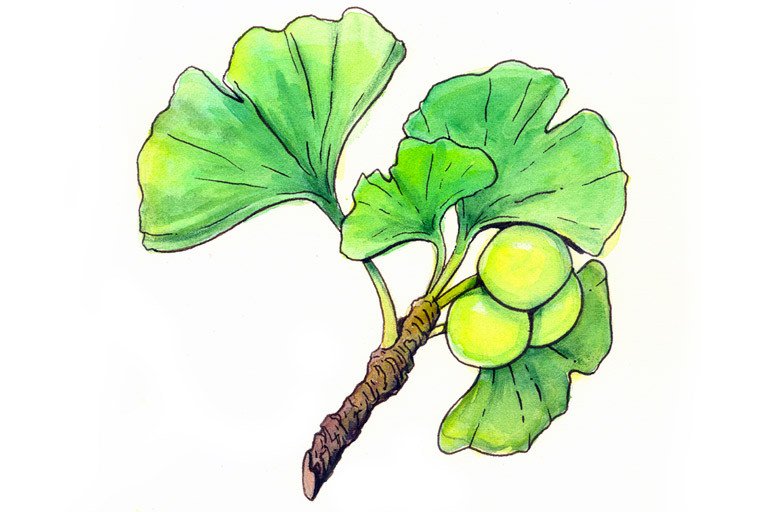
Ginkgo

How It Works

Bottom Line: Ginkgo does not improve memory or cognitive functioning in healthy people. It was also found ineffective in decreasing the occurence of dementia or Alzheimer's disease in elderly individuals.  

Scientists have found that in animals and humans, ginkgo dilates blood vessels in the brain thereby, increasing blood flow to the brain. This enables the body to handle ischemic (low oxygen) conditions, which can help prevent tissue damage. In animal studies, ginkgo showed a beneficial effect on the tone of the smooth muscle found in arteries, maintaining their appropriate dilation and constriction. Experiments have also revealed that ginkgo can reduce inflammation and calm muscle spasms. As an antioxidant, it can also neutralize free radicals in the body, which cause cellular and DNA damage. Laboratory and animal experiments suggest that ginkgo can help prevent infections. Ginkgo also inhibits platelet-activating factor, which is important for blood clotting, and therefore has blood thinning qualities. Ginkgo supplementation may increase risk of stroke.

Purported Uses

  • To reduce stress and anxiety
    No scientific evidence supports this use.
  • To treat asthma and bronchitis
    A single study conducted in China supports this use.
  • To manage heart disease
    No scientific evidence supports this use.
  • To treat circulatory problems
    Studies in animals and humans have shown that ginkgo can increase blood flow, but no clinical trials have definitively supported this use.
  • To treat sudden hearing loss
    Several clinical trials support this use.
  • To treat tinnitus
    There is no data to support this use.
  • To prevent memory loss
    Although several clinical trials support this use in patients with dementia, one recent clinical trial suggests that healthy adults do not seem to benefit from ginkgo.
  • To treat dementia and Alzheimer's disease
    Several clinical trials support this use, although one recent clinical trial did not.
  • To treat Raynaud's disease
    Laboratory studies show that ginkgo can calm muscle spasms and maintain the tone of arteries, but these effects were not observed in human clinical trials.
  • To treat sexual dysfunction
    An herbal mixture containing ginkgo was found effective in treating sexual dysfunction in one clinical trial.
  • To treat acute mountain sickness
    Data is conflicting on whether Gingko biloba is useful in treating acute mountain sickness.

  • Research Evidence

    Memory enhancement in healthy persons:
    A recent clinical trial randomly assigned 98 men and 132 women in good health to take 40 mg of ginkgo biloba extract or a placebo extract three times a day for six weeks. After six weeks, the men and women were tested for memory, attention, language, and concentration, and it was found that people taking ginkgo performed about the same as people taking the placebo. This indicates that ginkgo does not improve memory or concentration in healthy adults.

    Dementia or Alzheimer's disease:
    The effects of ginkgo use on memory loss were studied in a large randomized, controlled trial. For 24 weeks, 214 elderly people with dementia or age-related memory loss were randomly split into three groups and were given 160 mg of ginkgo, 240 mg of ginkgo, or a placebo pill daily. After 12 weeks, the ginkgo users were again split up and assigned to continue taking their previous ginkgo dosage or a placebo pill. Overall, the researchers found that ginkgo had no significant effect on memory in these patients. These results are unlike previous studies, which did find a benefit from ginkgo use.

    Two hundred and forty-four patients with uncomplicated Alzheimer's disease or dementia enrolled in a clinical trial to study the effects of ginkgo extract. For six months, these patients took a 120 mg dose (40 mg three times a day) of ginkgo or a placebo pill three times a day. The placebo group showed a significant worsening in all symptoms, while the ginkgo group was slightly improved. No serious side effects were reported. This study suggests that ginkgo may help prevent progression of dementia or Alzheimer's disease.

    Another clinical trial studied ginkgo in 309 patients with mild to severe dementia associated with either Alzheimer disease or dementia. The patients were randomly split into two groups, one to receive treatment with a placebo pill, and the other to receive ginkgo extract at a dose of 40 mg three times a day - a total daily dose of 120 mg. After one year of treatment, a higher percentage of the patients treated with ginkgo showed improvement in cognitive abilities, social behavior, and daily living. The researchers concluded that ginkgo appears to stabilize and, in some cases, improve the patient's functioning. The adverse events associated with ginkgo were no different from those associated with the placebo.

    The effects of ginkgo were again studied in patients with either Alzheimer disease or dementia in a randomized, controlled trial. The researchers found that, after six months, a greater percentage of patients taking ginkgo showed symptom improvement compared to patients taking the placebo pill. Patients with Alzheimer's disease appeared to respond to ginkgo treatment better.

    Warnings

  • Ginkgo biloba extracts should be checked to make sure they do not contain ginkgolic acid. Ginkgolic acid increases the risk of allergic reactions.
  • Ginko biloba should be discontinued at least 36 hours before surgery due to the risk of increased bleeding.
  • This product is regulated by the FDA as a dietary supplement. Unlike approved drugs, supplements are not required to be manufactured under specific standardized conditions. The product may not contain the labeled amount or may be contaminated. In addition, it may not have been tested for safety or effectiveness.

  • Do Not Take If

  • You have a blood clotting disorder.
  • You have a history of seizures.
  • You are at risk of stroke. Ginkgo may increase this risk.
  • You are taking monoamine oxidase inhibitors (MAO-Is) (Ginkgo may have additive effects).
  • You are taking warfarin or any other blood thinner (Ginkgo may have additive effects, increasing the risk of spontaneous bleeding).
  • You are taking antipsychotic medication or prochlorperazine (Ginkgo may cause seizures when combined with these medications).
  • You are taking insulin (Ginkgo can alter insulin secretion and effect blood glucose levels).
  • You are taking trazodone (In one case, ginkgo extract was associated with coma in a woman with Alzheimer's disease who was also taking trazodone. Use with caution and ask your doctor).
  • You are taking Nonsteroidal Anti-inflammatory drugs (NSAIDS) (Ginkgo can have additive anticoagulant/antiplatelet effects).

  • Side Effects

  • Headache
  • Dizziness
  • Stomach upset
  • Flatulence
  • Diarrhea
  • Contact dermatitis (redness, swelling, and irritation of the skin)
  • Palpitations
  • Case reports: In a few patients who were predisposed to seizures or on medications that lower the seizure threshold (e.g. prochlorperazine, chlorpromazine, perphenazine, etc.), ginkgo may have induced seizures. A handful of cases of spontaneous bleeding, including hematomas (collections of blood in organs or tissues due to a broken blood vessel) and hyphema (hemorrhage within the eye), have been reported.

  • Scientific Name

    Ginkgo biloba

    Common Name

    Fossil tree, maidenhair tree, kew tree, bai guo ye, yinhsing

    Brand Name

    Ginkoba®

    Clinical Summary

    Ginkgo biloba is one of the oldest living tree species. It is cultivated around the world for its medicinal properties and aesthetic value. The seeds and the leaves have been used in traditional medicine to treat respiratory diseases, circulatory disorders, sexual dysfunction, and loss of hearing. Ginkgo biloba extract exhibits anti-infective (1), chemopreventive (2), anticancer (3), and cytotoxic (4) effects in vitro.
    Supplementation with Ginkgo improved cognitive performance in healthy adults (5), and demented patients (6) but data are conflicting (7) (8) (9) (10) (11). However, findings from the Gingko Evaluation of Memory (GEM) study, the largest trial of Ginkgo for dementia so far, indicate that Ginkgo is ineffective in decreasing the incidence of dementia or Alzheimer's disease in elderly individuals (30).
    Ginkgo biloba may also reduce the severity of acute mountain sickness, but the evidence is mixed (25) (26) (27) (28). More studies are warranted.
    Ginkgo has also been implicated in reducing the risk of ovarian cancer but this is based only on epidemiological and biological data (12). Orally administered capsules of Ginkgo biloba exocarp polysaccharides reduced tumor area in patients with gastric cancer (4). In another study, an injectable form of Ginkgo extract and 5-flurouracil were administered to patients with advanced colorectal cancer. Data suggests benefits of the combination therapy (13). Further studies are needed to determine the anticancer potential of oral Ginkgo supplements.

    Ginkgo use is associated with adverse effects and it can also interact with prescription medications. Ginkgo supplementation for dementia may increase risk of stroke (29). Patients should use caution before taking Ginkgo supplements.


    Purported uses

  • Asthma
  • Bronchitis
  • Cardiovascular disease
  • Circulatory disorders
  • Hearing loss
  • Memory loss
  • Raynaud's disease
  • Sexual dysfunction
  • Stress
  • Tinnitus

  • Constituents

    Leaf:
  • Amino Acids
  • Flavonoids: Dimeric flavones (bilobretinl, ginkgetin, isoginkgetin, sciadopitysin)
  • Flavonols: Quercetin, kaempferol, and their glycosides
  • Proanthocyanidins
  • Terpenoids: Bilobalide, ginkgolides A,B, C, J, M, which are unique cage molecules
  • Seeds:
  • Alkaloids: Ginkgotoxin
  • Cyanogenetic glycosides
  • Phenols
    (14)

  • Mechanism of Action

    The active constituents, bilobalide and ginkgolides, improve the tolerance of brain tissue to hypoxia by increasing cerebral blood flow. Ginkgo can increase blood flow to the brain through arterial vasodilatation by stimulating prostaglandin biosynthesis or indirectly stimulating norepinephrine release. Ginkgo has slight anti-inflammatory and spasmolytic activities that are similar to papaverine. It has free-radical scavenging activity for hydroxyl, nitric oxide, peroxyl, and superoxide radicals; it is as effective as uric acid. Ginkgo increases tolerance to ischemic conditions and seems to inhibit the platelet-activating factor.
    Animal studies have shown that ginkgo has a beneficial effect on neurotransmitter disturbance that can restore vascular tone of the smooth muscle cells by maintaining alpha-adrenergic constrictive and beta-adrenergic relaxation vaso-regulation. Ginkgo can also suppress cell proliferation, decrease levels of proliferating cell nuclear antigen, and increase expression of p53, a tumor suppressor gene, in human hepatocellular carcinoma cells (15).

    Pharmacokinetics

    Ginkgolide A:

    • Extent of absorption = 98-100%
    • Volume of distribution = 40-60 L
    • Time to peak conc = 1-2hours
    • Half-life after 80 mg = 3.9 hours (oral)
    • Clearance = 130-200 ml/min
    • Urine excretion unchanged = 70%

    Ginkgolide B:

    • Extent of absorption = 79-93%
    • Volume of distribution = 60-100 L
    • Time to peak conc = 1-2 hours
    • Half-life after 80mg = 7.0 hours (oral)
    • Clearance = 140-250 ml/min
    • Urine excretion unchanged = 50 hours

    Bilobalide:     

    • Extent of absorption = > 70%
    • Volume of distribution = 170 L
    • Time to peak conc = 1-2 hours
    • Half-life after 80 mg = 3.2 hours
    • Clearance = 600 ml/min
    • Urine excretion unchanged = 30 hours
      (16)

    Warnings

    Ginkgo biloba extracts should not contain ginkgolic acid.
    Discontinue use of Ginkgo at least 36 hours before surgery. 

    Adverse Reactions

    Common: Headache, dizziness, GI upset, flatulence, diarrhea, contact dermatitis, and palpitations (14)
    Case reports: Seizures were reported in patients predisposed to seizures or on medications that lower the seizure threshold (e.g. prochlorperazine, chlorpromazine, perphenazine, etc.) (17). Spontaneous bleeding (18), including hematomas (15) (19) and hyphema (20), was also reported.
    Products that contains ginkgolic acid may increase the risk of allergic reaction.

    Herb-Drug Interactions

    Monoamine oxidase inhibitors (MAO-I): Ginkgo may potentiate the effects of MAO-Is.
    Anticoagulants / Antiplatelets: Ginkgo may induce spontaneous bleeding possibly associated with reduced platelet aggregation resulting from inhibition of platelet activating factor by ginkgolide components (21).
    Antipsychotics / Prochlorperazine: Ginkgo may cause seizures when combined with medications that lower the seizure threshold (17).
    Insulin: Ginkgo can alter insulin secretion and affect blood glucose levels (22) (23).
    Drugs metabolized by Cytochrome P450: Preliminary evidence suggests that ginkgo can affect the CYP450 1A2, 2D6, and 3A4 enzymes. But because of conflicting data, it is not clear whether it induces or inhibits the individual enzymes (24).
    Trazodone: Ginkgo extract was associated with coma in a patient with Alzheimer's disease who was also taking trazodone (21).
    Nonsteroidal Anti-inflammatory drugs (NSAIDS): Ginkgo can have additive anticoagulant/antiplatelet effects (31).

    Lab Interactions

    PTT, APTT, INR

    Literature Summary and Critique

    Van Dongen MC, et al. The efficacy of ginkgo for elderly people with dementia and age-associated memory impairment: new results of a randomized clinical trial. J Am Geriatr Soc 2000;48:1183-94.
    A 24 week, randomized, double-blind, placebo-controlled, parallel-group, multicenter trial. Two-hundred fourteen participants were allocated randomly to treatment with EGb 761, a special extract of ginkgo biloba, two tablets per day, total dosage either 240 mg or 160 mg/day or placebo. The total intervention was 24 weeks. After 12 weeks of treatment, the initial ginkgo users were randomized once again to either continued ginkgo treatment or placebo treatment. Initial placebo use was prolonged after 12 weeks. An intention-to-treat analysis showed no effect on each of the outcome measures for participants who were assigned to ginkgo compared with placebo for the entire 24-week period. After 12 weeks of treatment, the combined high dose and usual dose groups performed slightly better with regard to self-reported activities of daily life. No duration of ginkgo treatment was found. No adverse effects were noted. In conclusion, the results suggested that ginkgo was not effective as a treatment for older people with mild to moderate dementia or age-associated memory impairment. These results contrasted sharply with those of previous ginkgo reports.

    LeBars, PL, et al. A placebo-controlled, double-blind, randomized trial of an extract of ginkgo biloba for dementia. JAMA 1997;278:1327-32.
    This placebo-controlled, double-blind study was designed to investigate the effects of a standardized extract in 309 patients with mild to severe dementia associated with either Alzheimer disease or multi-infarct dementia. Patients were randomized to receive 52 weeks of treatment with placebo or ginkgo extract at a dose 40 mg three times a day, a total daily dose of 120 mg. At 52 weeks, 202 patients were included in the endpoint analysis, which was based on standard tests of cognitive impairment, daily living and social behavior, and general psychopathology. The researchers reported that 27% of patients who received 26 or more weeks of treatment with ginkgo extract experienced at least a four-point improvement on the 70-point Alzheimer Disease Assessment Scale-Cognitive subscale, compared to 14% in the placebo group. Daily living and social behavior were deemed improved in 37% of ginkgo patients, compared to 23% of those taking placebo, as measured by Geriatric Evaluation by Relative's Rating Instrument (GERRI). In contrast, the GERRI showed that 40% of patients taking placebo experienced a worsening of their conditions, while worsening was seen in only 19% of those taking ginkgo. The researchers concluded that ginkgo appears to stabilize and, in an additional 20% of cases (vs. placebo), improves the patient's functioning for periods of six months to one year. The adverse events associated with ginkgo were no different from those associated with placebo.

    References

    1. Chavez M, et al. Ginkgo: History, Use and Pharmacologic Properties. Hospital Pharmacy 1998;33:658-72.
    2. Suzuki R, Kohno H, Sugie S, et al. Preventive effects of extract of leaves of ginkgo (Ginkgo biloba) and its component bilobalide on azoxymethane-induced colonic aberrant crypt foci in rats. Cancer Lett. 2004;210(2):159-169.
    3. Pretner E, Amri H, Li W, et al. Cancer-related overexpression of the peripheral-type benzodiazepine receptor and cytostatic anticancer effects of Ginkgo biloba extract (EGb 761). Anticancer Res. 2006;26(1A):9-22.
    4. Xu AH, Chen HS, Sun BC, Xiang XR, Chu YF, Zhai F, Jia LC. Therapeutic mechanism of ginkgo biloba exocarp polysaccharides on gastric cancer. World J Gastroenterol. 2003;9(11):2424-7.
    5. Kennedy DO, Scholey AB, Wesnes KA. Modulation of cognition and mood following administration of single doses of Ginkgo biloba, ginseng, and a ginkgo/ginseng combination to healthy young adults. Physiol Behav 2002;75:739-51.
    6. LeBars, PL, et al. A placebo-controlled, double-blind, randomized trial of an extract of ginkgo biloba for dementia. JAMA 1997;278:1327-32.
    7. Solomon PR, et al. Ginkgo for memory enhancement: a randomized controlled trial. JAMA 2002;288:835-40.
    8. Le Bars PL, et al. A 26-week analysis of a double-blind, placebo controlled trial of the ginkgo biloba extract Egb 761 in dementia. Dement Geriatr Cogn Disorder 2000;11:230-7.
    9. Lovera J, Bagert B, Smoot K, et al. Ginkgo biloba for the improvement of cognitive performance in multiple sclerosis: a randomized, placebo-controlled trial. Mult Scler. 2007;13(3):376-385.
    10. Dos Santos-Neto LL, de Vilhena Toledo MA, Medeiros-Souza P, de Souza GA. The use of herbal medicine in Alzheimer's disease-a systematic review. Evid Based Complement Alternat Med. 2006;3(4):441-445.
    11. Canter PH, Ernst E. Ginkgo biloba is not a smart drug: an updated systematic review of randomised clinical trials testing the nootropic effects of G. biloba extracts in healthy people. Hum Psychopharmacol. 2007;22(5):265-278.
    12. Ye B, Aponte M, Dai Y, et al. Ginkgo biloba and ovarian cancer prevention: epidemiological and biological evidence. Cancer Lett. 2007;251(1):43-52.
    13. Hauns B, Haring B, Kohler S, et al. Phase II study of combined 5-fluorouracial/Ginkgo biloba extract (GBE 761 ONC) therapy in 5-fluorouracil pretreated patients with advanced colorectal cancer. Phytother Res 2001;15(1):34-8.
    14. Newall C, et al. Herbal Medicines: A Guide for Health Care Professionals. London: Pharmaceutical Press; 1996.
    15. Rowin J, Lewis SL. Spontaneous bilateral subdural hematomas associated with chronic ginkgo biloba ingestion. Neurology 1996;46:1775-6.
    16. Kleijnen J, Knipschild P. Ginkgo biloba. Lancet 1992;340:1136-9.
    17. Gregory PJ. Seizure associated with ginkgo biloba? Ann Int Med 2001;134:344.
    18. Matthews MK. Association of Ginkgo biloba with intracerebral hemorrhage. Neurology 1998;50:1934.
    19. Gilbert GJ. Ginkgo biloba. Neurology 1997;48:1137.
    20. Rosenblatt M, Mindel J. Spontaneous hyphema associated with ingestion of ginkgo biloba extract. N Eng J Med 1997;336:1108.
    21. Brinker F. Herb Contraindications and Drug Interactions, 2nd ed. Sandy (OR): Eclectic Med Pub; 1998.
    22. Kudolo GB. The effect of 3-month ingestion of Ginkgo biloba extract on pancreatic beta-cell function in response to glucose loading in normal glucose tolerant individuals. J Clin Pharmacol 2000;40:647.
    23. Budzinski JW, et al. An in vitro evaluation of human cytochrome P450 3A4 inhibition by selected commercial extracts and tinctures. Phytomedicine 2000;7:273-82.
    24. Scott GN, Elmer GW. Update on natural product-drug interactions. Am J Health-Syst Pharm 2002;59:339-47.
    25. Gertsch JH, Seto TB, Mor J, Onopa J. Ginkgo biloba for the prevention of severe acute mountain sickness (AMS) starting one day before rapid ascent. High Alt Med Biol. 2002;3(1):29-37.
    26. Moraga FA, Flores A, Serra J, et al. Ginkgo biloba decreases acute mountain sickness in people ascending to high altitude at Ollagüe (3696 m) in northern Chile. Wilderness Environ Med 2007;18(4):251-7.
    27. Chow T, Browne V, Heileson HL, et al. Ginkgo biloba and acetazolamide prophylaxis for acute mountain sickness: a randomized, placebo-controlled trial. Arch Intern Med. 2005;165(3):296-301.
    28. Gertsch JH, Basnyat B, Johnson WE, et al. Randomised, double blind, placebo controlled comparison of ginkgo biloba and acetazolamide for prevention of acute mountain sickness among Himalayan trekkers: the prevention of high altitude illness trial (PHAIT).BMJ 2004;328(7443):797.
    29. Dodge HH, Zitzelberger T, Oken BS, et al. A randomized placebo-controlled trial of ginkgo biloba for the prevention of cognitive decline. Neurology 2008.
    30. DeKosky ST, Williamson JD, Fitzpatrick AL, et al. Ginkgo biloba for prevention of Dementia. A randomized controlled trial. JAMA. 2008;300(19):2253-2262.
    31. Haller C, Kearney T, Bent S, et al. Dietary supplement adverse events: report of a one-year poison center surveillance project. J Med Toxicol. 2008 Jun;4(2):84-92.

    Last Updated: Aug. 18, 2009
    E-mail your questions and comments to aboutherbs@mskcc.org.
    Bookmark and SharePrintEmail This Page